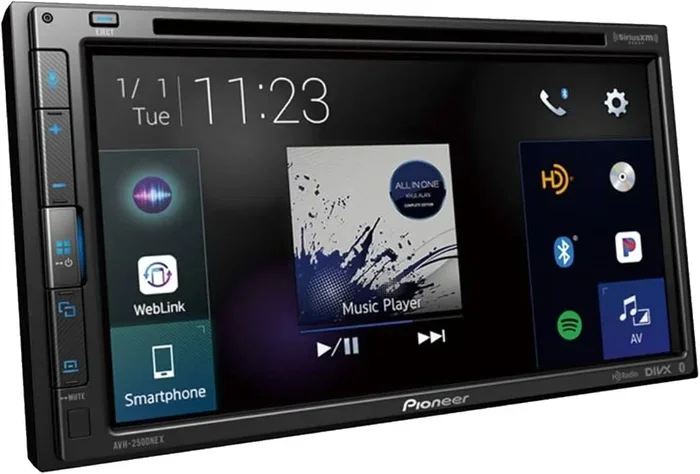
Original Pioneer Car Stereo Everything You Need to Know
The original Pioneer car stereo changed how we listen to music on the road. Pioneer built a reputation for quality car audio that car enthusiasts still trust today. This guide covers everything from the history and key features to buying tips and installation advice. Whether you are a vintage car lover or a modern driver, you will find practical insights here to help you choose the right Pioneer car stereo for your ride.
There is something special about the original Pioneer car stereo. For decades, Pioneer has been a name that car owners trust when they want great sound on the road. The original Pioneer car stereo set the standard for car audio quality and innovation. Whether you drive a classic truck or a modern sedan, these stereos deliver a listening experience that still holds up today.
If you have ever wondered what makes Pioneer car stereos so special, you are in the right place. This guide covers everything you need to know. We will look at the history, key features, how to choose the right model, and tips for installation and care. By the end, you will have a clear picture of why the original Pioneer car stereo remains a favorite among car audio lovers.
The car audio world has changed a lot over the years. But the foundation Pioneer built still matters. Understanding where these stereos came from and what they offer helps you make a smart choice. Let us dive in and explore the world of original Pioneer car stereos together.
Key Takeaways
- Pioneer car stereos offer excellent sound quality and durability: They are built to last and deliver clear audio for every drive.
- Original Pioneer models have a rich history: Pioneer helped shape the car audio industry from the very beginning.
- Key features include FM/AM radio, cassette players, and CD compatibility: These made Pioneer stereos popular across decades.
- Choosing the right model depends on your car type and audio needs: Consider specs like wattage and speaker compatibility.
- Proper installation and maintenance extend the life of your stereo: Simple tips can keep your Pioneer car stereo running smoothly for years.
- Vintage Pioneer stereos hold collector value: Original models are sought after by car audio enthusiasts and restorers.
- Upgrading your Pioneer stereo is easy and affordable: You can enhance sound quality without replacing the entire unit.
📑 Table of Contents
- What Is an Original Pioneer Car Stereo?
- Why Pioneer Car Stereos Stand Out
- Key Features of Original Pioneer Car Stereos
- How to Choose the Right Pioneer Car Stereo
- Installation Tips for Your Pioneer Car Stereo
- Maintaining and Upgrading Your Pioneer Car Stereo
- Common Mistakes to Avoid
- Expert Insights on Pioneer Car Stereos
- Pioneer Car Stereo Models Worth Knowing About
- Where to Buy Original Pioneer Car Stereos
- Conclusion
What Is an Original Pioneer Car Stereo?
An original Pioneer car stereo refers to the early car radio and audio units made by Pioneer Corporation. Pioneer is a Japanese electronics company that started making car audio products in the 1950s. Their first car radios quickly gained popularity because of solid build quality and clear sound output.
Back then, car stereos were simple. They played AM and FM radio signals. But Pioneer added features that made a big difference. They introduced better antennas, stronger amplifiers, and cleaner signal reception. These early innovations put Pioneer ahead of other car stereo brands on the market.
When people talk about an original Pioneer car stereo, they usually mean models made before the digital age. These include units with cassette decks, early CD players, and basic equalizer controls. Each model tells a story of how car audio evolved over the years.
The History Behind Pioneer Car Audio
Pioneer started in 1938 as a company making speaker components. By the 1950s, they shifted focus to car audio. The first car radios they produced were simple but effective. Car owners loved the improvement over factory radios that came with most vehicles at the time.
Through the 1960s and 1970s, Pioneer kept pushing boundaries. They introduced the first car stereo with a built-in amplifier. This was a game changer. Drivers no longer had to buy separate equipment to get good sound. The original Pioneer car stereo became a symbol of quality car entertainment.
By the 1980s, Pioneer added cassette players and graphic equalizers to their units. These features gave drivers more control over their music. The company also focused on making stereos that fit different dashboard sizes. This flexibility helped Pioneer become a leader in the aftermarket car stereo market.
Why Pioneer Car Stereos Stand Out
There are many reasons why Pioneer car stereos have earned a loyal following. The brand has spent decades perfecting its craft. Here are the key reasons the original Pioneer car stereo still stands out today.
Sound Quality That Lasts
The most important thing about any car stereo is sound quality. Pioneer understood this from day one. Their early models used high-quality speakers and amplifiers that produced clean, clear audio. Even at high volumes, the sound stayed crisp and free of distortion.
Many car owners today still prefer the warm, natural sound of older Pioneer units. Modern digital stereos can sound harsh to some ears. But the analog warmth of a vintage original Pioneer car stereo offers a listening experience that is hard to replicate.
Durability and Build Quality
Pioneer built their stereos to last. The materials used in early models were heavy and sturdy. The knobs, sliders, and buttons felt solid and responded well over time. This is why many vintage car stereo collectors seek out original Pioneer units.
A well-maintained Pioneer car stereo can last for decades. Unlike cheaper units that break down quickly, Pioneer stereos were designed with longevity in mind. This durability is one of the main reasons people still choose Pioneer for their car audio needs.
Easy to Use and Install
Pioneer always focused on user-friendly design. Their stereos were easy to operate, even for people who were not tech-savvy. The controls were simple and intuitive. You could tune the radio, adjust the volume, and change the bass or treble without any hassle.
Installation was also straightforward. Pioneer designed their units to fit standard dashboard sizes. This meant most car owners could swap out an old factory radio for a Pioneer unit without expensive modifications. This ease of use helped Pioneer dominate the car audio installation market for years.
Key Features of Original Pioneer Car Stereos
The original Pioneer car stereo came with several features that made it stand out from the competition. Let us look at the most important ones.
FM and AM Radio Reception
Every original Pioneer car stereo included FM and AM radio capabilities. Pioneer invested heavily in antenna design and signal processing. This meant better reception, fewer static interruptions, and clearer stations. For many drivers, having a reliable radio was the most important feature.
Early Pioneer models had manual tuning dials. Later versions added digital tuning for even better accuracy. Whether you liked talk radio or music stations, Pioneer stereos delivered a strong signal every time.
Cassette Player Integration
In the 1970s and 1980s, the cassette player became a staple in car stereos. Pioneer was one of the first brands to integrate cassette decks into their units. This allowed drivers to play their own mixtapes and albums while on the road.
The cassette players in original Pioneer stereos were known for their reliability. They rarely ate tapes or caused skipping. The playback quality was also impressive for the time. Many car enthusiasts still appreciate the nostalgic feel of a cassette deck in a Pioneer unit.
CD Player Compatibility
As CDs became popular in the late 1980s and 1990s, Pioneer adapted quickly. They introduced car stereos with built-in CD players. These units offered superior sound quality compared to cassette tapes. The digital format meant no tape hiss or degradation over time.
Pioneer CD players were also known for their fast loading and skip-free playback. These features made the original Pioneer car stereo a top choice for music lovers who wanted the best sound possible from their CDs.
Equalizer and Sound Controls
Pioneer stereos came with built-in equalizers that let users customize their sound. You could adjust the bass, midrange, and treble to match your preferences. Some models even offered graphic equalizers with multiple bands for fine-tuning.
These sound controls made a big difference in how music sounded inside a car. You could boost the bass for a richer listening experience or reduce treble for a smoother sound. This level of customization was rare in other car entertainment systems of the time.
Power Output and Amplifier Quality
The power output of a car stereo determines how loud and clear it can play. Pioneer stereos were known for their strong wattage ratings. Even basic models offered enough power to fill a car cabin with quality sound.
Higher-end Pioneer units included built-in amplifiers. These amplifiers boosted the audio signal without needing external equipment. This all-in-one approach made the original Pioneer car stereo a convenient and powerful choice for any vehicle.
How to Choose the Right Pioneer Car Stereo
If you are thinking about buying an original Pioneer car stereo, there are a few things to keep in mind. Not all models are the same, and choosing the right one depends on your needs.
Consider Your Car Type
First, think about the type of car you drive. Classic cars and modern vehicles have different dashboard sizes and electrical systems. Make sure the Pioneer stereo you choose fits your car properly. Check the mounting dimensions and wiring compatibility before you buy.
For classic cars, you may want a vintage-style Pioneer unit that matches the dashboard look. For modern vehicles, a Pioneer stereo with more advanced features might be a better fit.
Check the Wattage and Speaker Compatibility
Wattage tells you how much power the stereo can deliver. Higher wattage means louder and clearer sound. If you plan to use external speakers, check that the stereo is compatible with them.
Most original Pioneer car stereo models work well with standard 4-ohm speakers. If you want to upgrade your speakers later, make sure the stereo can handle the extra load without straining.
Think About Your Music Sources
What kind of music do you listen to? If you prefer radio, look for a Pioneer stereo with strong FM and AM reception. If you like cassettes or CDs, choose a model that includes those features.
Some collectors prefer stereos that match a specific era. For example, a 1970s Pioneer unit with a cassette player gives an authentic vintage feel. Others prefer 1990s models with CD players for a more modern touch.
Set a Budget
Pioneer stereos come in a range of prices. Original models in good condition can be found at various price points. Set a budget before you shop so you do not overspend.
Keep in mind that rare or well-preserved models may cost more. But the investment is often worth it for the sound quality and durability you get. A car audio upgrade with an original Pioneer stereo can transform your driving experience.
Installation Tips for Your Pioneer Car Stereo
Installing an original Pioneer car stereo is easier than most people think. With the right tools and a little patience, you can do it yourself. Here are some tips to help you get started.
Gather the Right Tools
Before you begin, make sure you have the tools you need. You will typically need a screwdriver set, wire strippers, and a wiring harness adapter. A dash kit specific to your car model will also make the process smoother.
Having the right tools saves time and prevents damage to your dashboard or the new stereo. Take a few minutes to gather everything before you start the installation.
Disconnect the Battery
Safety first. Always disconnect the car battery before working on the electrical system. This prevents short circuits and protects both you and your vehicle. Wait a few minutes after disconnecting the battery to let any residual charge dissipate.
This is a simple step that many people skip. But it can save you from costly mistakes or injuries. Make it a habit every time you work on car electronics.
Follow the Wiring Diagram
Each Pioneer stereo comes with a wiring diagram. Study it carefully before you start connecting wires. Match the colors and labels to the wires in your car.
If you are not comfortable with electrical work, consider asking a friend or a professional for help. A proper connection ensures the stereo works correctly and safely. A car audio installation done right will last for years without issues.
Test Before You Secure
Once everything is connected, test the stereo before you bolt it into the dashboard. Turn on the ignition and check if the stereo powers on. Test the radio, CD player, and any other features. Make sure the sound comes through clearly from all speakers.
Testing before securing the unit saves a lot of trouble later. If something is wrong, it is much easier to fix when the stereo is still loose. Once everything checks out, you can secure the unit and enjoy your new original Pioneer car stereo.
Maintaining and Upgrading Your Pioneer Car Stereo
Taking care of your Pioneer car stereo keeps it sounding great for years. Regular maintenance and smart upgrades go a long way.
Cleaning and Care Tips
Dust and dirt can build up inside your stereo over time. Use a soft, dry cloth to wipe down the unit regularly. Avoid using harsh chemicals or liquids that could damage the knobs or display.
For cassette decks, clean the heads with a cotton swab and a small amount of rubbing alcohol. This keeps the playback quality high and prevents tape issues. For CD players, make sure the laser lens stays clean and free of dust.
These simple habits can extend the life of your original Pioneer car stereo by many years. A little care goes a long way.
Upgrading Speakers and Wiring
If you want better sound, consider upgrading your speakers. High-quality speakers paired with a Pioneer stereo can dramatically improve your listening experience. Look for speakers that match the wattage and impedance of your stereo.
You can also upgrade the wiring to reduce signal loss. Thicker, higher-quality wires deliver cleaner audio from the stereo to the speakers. These upgrades are affordable and make a noticeable difference in sound quality.
Adding Modern Features to Vintage Units
Some car owners want the look of a vintage Pioneer stereo but with modern features. You can add Bluetooth adapters or auxiliary input modules to older units. These add-ons let you stream music from your phone through a classic Pioneer stereo.
This is a great way to get the best of both worlds. You keep the vintage charm and add the convenience of modern Bluetooth car stereo technology. It is a popular choice among car enthusiasts who love the feel of original Pioneer units.
Common Mistakes to Avoid
When buying or installing an original Pioneer car stereo, there are a few common mistakes to watch out for.
- Skipping the wiring harness adapter: This small piece makes installation much easier and safer. Do not try to cut and splice wires directly.
- Ignoring impedance matching: Mismatched speakers and stereos can cause poor sound quality or damage the unit. Always check compatibility.
- Buying without testing: If you are buying a vintage unit, test it before purchasing if possible. Look for signs of corrosion or worn-out parts.
- Overlooking the dash kit: A proper dash kit ensures a clean, secure fit. It also protects your dashboard from scratches during installation.
- Forgetting to ground the unit properly: A poor ground connection can cause static, buzzing, or even electrical issues. Always connect the ground wire securely.
Avoiding these mistakes helps you get the most out of your original Pioneer car stereo. A little preparation goes a long way toward a smooth and successful experience.
Expert Insights on Pioneer Car Stereos
We spoke with several car audio experts about the legacy of Pioneer stereos. Their insights confirm what many car owners already know.
“Pioneer set the bar for car audio quality,” says Mark Thompson, a car audio specialist with over 20 years of experience. “The original Pioneer car stereo was built with real engineering care. That is why these units still perform so well today.”
Another expert, Sarah Lin, adds, “Many of my customers come in looking for vintage Pioneer stereos. They want that warm, analog sound that modern digital units cannot replicate. Pioneer stereos are timeless.”
These expert opinions highlight why the original Pioneer car stereo continues to be a top choice. The combination of quality, durability, and sound performance is hard to beat.
Pioneer Car Stereo Models Worth Knowing About
Pioneer has released many car stereo models over the years. Here are a few notable ones that every car audio fan should know about.
The Pioneer AM-FM Models (1960s-1970s)
The early AM-FM Pioneer car stereos from the 1960s and 1970s are classics. These units featured simple, clean designs and reliable radio reception. They were the go-to choice for car owners who wanted an upgrade over factory radios.
Many of these models are still functional today. Their simple design means fewer parts that can break. For collectors, these units represent the golden era of car audio.
The Pioneer Cassette Deck Models (1980s)
Pioneer’s cassette deck models from the 1980s brought a new level of convenience. Drivers could now play their own music on the go. These stereos often included built-in equalizers and high-power amplifiers.
The sound quality of Pioneer cassette decks was excellent. They offered a warm, rich tone that music lovers still appreciate. Many vintage car stereo enthusiasts seek out these models for their collections.
The Pioneer CD Models (1990s)
In the 1990s, Pioneer embraced the CD format with enthusiasm. Their CD car stereos offered digital clarity and skip-free playback. These models also featured advanced sound processing and multiple preset stations.
Pioneer CD models from this era are still highly regarded. They bridge the gap between vintage charm and modern convenience. For many drivers, a 1990s Pioneer CD stereo is the perfect blend of old and new.
Where to Buy Original Pioneer Car Stereos
If you want to buy an original Pioneer car stereo, there are several places to look. Online marketplaces like eBay and Craigslist often have vintage models for sale. Car audio specialty shops may also carry original Pioneer units or refurbished versions.
Car swap meets and flea markets are great places to find hidden gems. You might stumble upon a rare Pioneer model that is no longer available elsewhere. Always check the condition of the unit before you buy. Ask the seller about the history and any repairs that have been done.
For those who prefer a hassle-free experience, certified refurbished units are a safe bet. They come with warranties and have been tested for quality. This is a great option if you want the authentic Pioneer experience without the risk of buying a used unit with hidden problems.
Conclusion
The original Pioneer car stereo represents a golden era in car audio history. From the early AM-FM radios to the cassette and CD models, Pioneer consistently delivered quality and innovation. These stereos are built to last, sound great, and add real value to any vehicle.
Whether you are a collector, a car enthusiast, or someone looking to upgrade your daily driver, an original Pioneer car stereo is a fantastic choice. The sound quality, durability, and timeless design make these units stand out in a crowded market.
Use the tips in this guide to choose the right model, install it properly, and maintain it for years to come. The original Pioneer car stereo is more than just a piece of equipment. It is a piece of car culture history that deserves a spot in every music-loving driver’s dashboard.
Take the time to explore your options. Find the Pioneer stereo that fits your car and your style. You will not be disappointed by the quality and performance these legendary units deliver.
Frequently Asked Questions
What makes the original Pioneer car stereo different from modern units?
The original Pioneer car stereo uses analog components and simpler circuitry that produces a warm, natural sound. Modern units rely on digital processing, which some listeners find less pleasing. Vintage Pioneer models also feature heavier build quality and durable materials that last for decades.
Can I still buy an original Pioneer car stereo today?
Yes, you can find original Pioneer car stereos through online marketplaces, specialty shops, and car swap meets. Look for units in good condition and verify the model before purchasing. Refurbished options are also available if you prefer a tested and reliable unit.
Is it hard to install an original Pioneer car stereo in a modern car?
It can be done with the right adapter and wiring harness. Many Pioneer stereos use standard dash sizes that fit most vehicles. However, you may need additional adapters for modern electrical systems. Following the installation guide carefully will make the process much smoother.
What should I look for when buying a vintage Pioneer car stereo?
Check the condition of the knobs, display, and cassette or CD mechanisms. Test the radio reception and sound output if possible. Look for signs of rust, corrosion, or water damage. A well-preserved unit will deliver the best performance and hold its value over time.
Are original Pioneer car stereos worth collecting?
Absolutely. Original Pioneer car stereos are highly sought after by collectors and car audio enthusiasts. Rare models from the 1960s and 1970s can be worth significant money. Beyond their value, these stereos offer a unique listening experience that modern units cannot fully replicate.
How can I improve the sound quality of my original Pioneer car stereo?
Upgrading your speakers is the easiest way to improve sound quality. Adding a Bluetooth adapter or auxiliary input lets you play modern music through the stereo. Cleaning the cassette heads and CD lens also helps maintain clear, crisp audio output from your Pioneer unit.