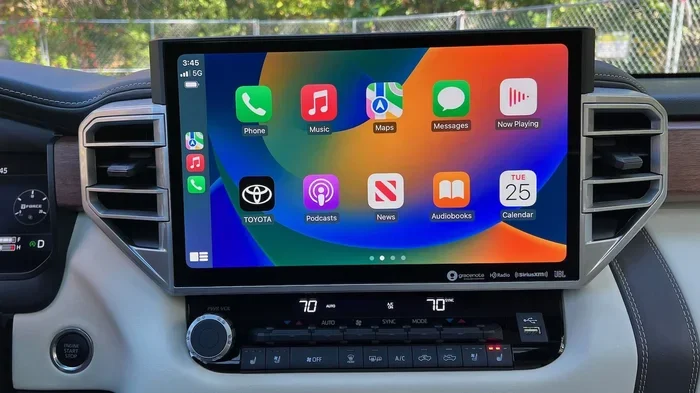
Car Infotainment System With Reverse Camera Buying Guide
A car infotainment system with reverse camera combines entertainment and safety in one smart package. This guide walks you through everything you need to know, from key features and top brands to installation tips and common mistakes. Whether you drive a sedan or an SUV, you will find clear advice to help you pick the perfect setup.
Let us be honest. Most of us spend a lot of time in our cars. Whether you commute to work every day or hit the road for weekend adventures, your vehicle is basically a second home. That is exactly why having a smart, reliable setup inside your car matters so much.
A car infotainment system with reverse camera is one of the best upgrades you can make. It does two big jobs at once. First, it keeps you entertained with music, podcasts, and navigation. Second, it makes parking and reversing dramatically safer. Sounds like a win-win, right?
But here is the thing. Not all systems are created equal. The market is packed with options, and the choices can feel overwhelming. Screen sizes vary. Brands differ. Features range from basic to ultra-premium. That is exactly why we put together this buying guide. By the time you finish reading, you will know exactly what to look for and how to make a confident choice.
Key Takeaways
- All-in-One Convenience: A car infotainment system with reverse camera gives you both entertainment and parking safety in a single unit.
- Key Features Matter: Look for touchscreen quality, GPS navigation, Bluetooth, and wide viewing angles when choosing your system.
- Installation Options Exist: You can go the DIY route or hire a professional, depending on your comfort level and vehicle type.
- Top Brands Offer Reliability: Pioneer, Kenwood, and Alpine are among the most trusted names in this space.
- Avoid Common Pitfalls: Skipping waterproof ratings, ignoring wiring compatibility, and choosing the wrong screen size are frequent mistakes.
- Safety Meets Fun: These systems boost both driving safety and in-car enjoyment for daily commuters and road trips alike.
📑 Table of Contents
What Is a Car Infotainment System with Reverse Camera?
A car infotainment system with reverse camera is a combined unit that handles both media and visual feedback from the back of your vehicle. Think of it as your car’s brain and eyes rolled into one. The infotainment part covers audio, video, navigation, and phone connectivity. The reverse camera part activates when you shift into reverse gear and shows you what is behind the car.
These systems have come a long way. Old backup cameras showed grainy, small images. Today’s units deliver crisp, high-resolution footage on bright touchscreen displays. Many systems now include dynamic parking guidelines that adjust as you turn the steering wheel. Some even offer night vision capabilities for low-light parking situations.
The beauty of a car infotainment system with reverse camera is how seamlessly it all works together. You get a rearview screen that doubles as your main display for music and maps. When you put the car in reverse, the screen automatically switches to the camera feed. It is smooth, intuitive, and incredibly useful.
How Does the System Work?
When you shift into reverse, a signal sends to the infotainment unit. The unit then activates the backup camera mounted at the back of your vehicle. The camera feeds live video to the screen. Most systems also overlay parking grid lines on the image. These lines help you judge distance from objects behind you.
The camera connects to the infotainment unit through a wiring harness. Wireless systems also exist, but wired setups tend to be more reliable. The whole process happens in a fraction of a second. You barely notice the switch, but it makes a huge difference when you are parallel parking or backing out of a tight driveway.
Key Features to Look For
Not every system offers the same features. Some are basic and budget-friendly. Others come loaded with advanced technology. Knowing what to prioritize helps you narrow down your options quickly. Here are the most important features to consider.
Screen Size and Resolution
The screen is the centerpiece of your car infotainment system with reverse camera. Most units range from 7 inches to 10.1 inches. Larger screens are easier to see and interact with. However, size is not everything. Resolution matters just as much. A high-resolution display produces sharp, clear images. This is especially important when you are reviewing the reverse camera feed.
Look for at least an 800 x 480 pixel resolution. Premium units offer 1024 x 600 or higher. The difference is noticeable, especially in bright sunlight. A dim or pixelated screen can be frustrating when you are trying to read navigation directions or see behind your car.
Touchscreen Responsiveness
A sluggish touchscreen ruins the experience. When you are driving, you need quick, responsive controls. Capacitive touchscreens are the gold standard. They respond to light touches and support multi-finger gestures. Resistive touchscreens are cheaper but require more pressure. If you can afford it, go capacitive. Your fingers will thank you.
GPS Navigation Built-In
Many car infotainment systems with reverse camera include built-in GPS. This is a huge convenience. You do not need to rely solely on your phone for directions. Built-in navigation units come with preloaded maps. They offer turn-by-turn voice guidance. Some even update traffic conditions in real time. This feature is especially valuable for people who travel to unfamiliar areas frequently.
Bluetooth and Wireless Connectivity
Bluetooth lets you stream music from your phone hands-free. It also allows you to take calls without touching your device. Look for Bluetooth 4.0 or higher for the best connection stability. Some systems also support Apple CarPlay and Android Auto. These features mirror your phone screen on the car display. They give you access to apps, music, and messaging in a safe, driver-friendly way.
Reverse Camera Quality and Angles
The reverse camera is the star of the show. Look for a camera with at least 720p resolution. Higher resolution means clearer images, especially at night. Wide-angle lenses capture more of the area behind your car. A 150-degree field of view is a solid starting point. Some cameras offer 170 degrees or more for maximum coverage.
Night vision capability is another must-have feature. You will often need to park in dimly lit garages or driveways after sunset. A camera with good low-light performance makes a big difference. Look for units that specify infrared or enhanced night vision in their specs.
Audio Quality and Amplifier Power
Since this is an infotainment system, the audio quality matters a lot. Check the wattage output of the built-in amplifier. Higher wattage generally means louder, clearer sound. Look for systems with built-in equalizers. These let you customize the sound to your preferences. Some units also support subwoofer connections for deeper bass.
Top Brands and Models Compared
The market has several strong players. Each brand brings something unique to the table. Let us look at some of the most popular options for a car infotainment system with reverse camera.
Pioneer
Pioneer is a household name in car audio. Their infotainment units are known for reliability and solid performance. Pioneer models often include large touchscreens with crisp displays. Many come with built-in GPS and Bluetooth. Their reverse camera compatibility is excellent. Pioneer units also tend to have strong amplifier sections for great sound quality.
Kenwood
Kenwood offers a great balance of features and value. Their systems often come packed with technology at competitive prices. Kenwood units frequently support Apple CarPlay and Android Auto. The reverse camera integration is smooth and responsive. If you want a feature-rich system without breaking the bank, Kenwood is worth serious consideration.
Alpine
Alpine is all about premium quality. Their infotainment systems tend to have superior build quality and audio performance. The screens on Alpine units are bright and easy to read in direct sunlight. Reverse camera support is excellent across their lineup. The trade-off is that Alpine units often come with a higher price tag.
Sony
Sony brings its audio expertise to the car stereo world. Their infotainment units deliver impressive sound quality. Sony systems often feature clean, modern interfaces. Reverse camera compatibility is standard on most models. They are a strong choice for anyone who prioritizes audio performance.
Comparison Table
| Brand | Screen Size Range | GPS Included | Apple CarPlay | Avg. Price Range |
|---|---|---|---|---|
| Pioneer | 7″ – 10.1″ | Yes | Yes | $200 – $600 |
| Kenwood | 6.8″ – 9″ | Yes | Yes | $150 – $500 |
| Alpine | 7″ – 10.1″ | Yes | Yes | $300 – $700 |
| Sony | 6.4″ – 8.8″ | Yes | Yes | $180 – $450 |
Keep in mind that prices vary based on features and model year. Always check the latest models before making a purchase. Also, remember that a car infotainment system with reverse camera may require a separate camera purchase in some cases. Always check what is included in the box.
Installation: DIY vs Professional
One of the biggest decisions you will face is whether to install the system yourself or hire a professional. Both options have pros and cons. Let us break them down.
The DIY Route
Installing a car infotainment system with reverse camera yourself can save you money. Many units come with detailed instruction manuals. Online video tutorials make the process even easier. If you have basic mechanical skills and some patience, DIY installation is very doable.
You will need a few tools. A wire stripper, crimping tool, and multimeter are essential. You will also need a dash removal kit specific to your vehicle model. The process involves removing the old head unit, wiring in the new unit, mounting the reverse camera, and connecting all cables. It typically takes two to four hours for a first-time installer.
DIY installation gives you full control over the process. You can choose exactly where to mount the screen and camera. You also learn a lot about your vehicle’s electrical system. Just make sure you disconnect the battery before starting any wiring work.
Hiring a Professional
Professional installation ensures everything is done correctly the first time. A skilled installer will have experience with many different vehicle models. They know how to hide wires cleanly and avoid common pitfalls. Most installations take one to two hours when done by a pro.
The cost of professional installation typically ranges from $100 to $300. This is a worthwhile investment if you are not comfortable with car electronics. A professional can also warranty their work, which gives you peace of mind. Many car audio shops offer package deals that include both the unit and installation.
Quick Tips for a Smooth Installation
- Check compatibility first. Make sure the unit fits your vehicle’s dash and wiring harness.
- Use a wiring harness adapter. This prevents you from cutting into your car’s original wiring.
- Label every wire. Take photos before disconnecting anything. It saves confusion later.
- Test before final mounting. Power on the unit before securing it in the dash. This ensures everything works.
- Seal the camera hole properly. Use the provided grommet or weatherproof sealant to prevent water leaks.
Benefits of Having a Reverse Camera System
Beyond the entertainment factor, a car infotainment system with reverse camera offers real safety benefits. These benefits apply to drivers of all experience levels.
Improved Parking Safety
Backing up is one of the most accident-prone driving maneuvers. A reverse camera gives you a clear view of what is behind you. Parking guidelines help you judge distance from walls, other cars, and pedestrians. This is especially helpful in tight parking garages and crowded driveways.
Reduced Risk of Accidents
Studies show that backup cameras significantly reduce low-speed collisions. Many newer vehicles now come with them as standard equipment. Adding a car infotainment system with reverse camera to an older vehicle brings your car up to modern safety standards. It is one of the most impactful safety upgrades you can make.
Easier Parallel Parking
Parallel parking stresses out many drivers. A reverse camera takes much of the guesswork out of it. You can see exactly how close you are to the curb and the car behind you. Over time, parking becomes faster and less stressful. Even experienced drivers appreciate the extra visual aid.
Enhanced Resale Value
Cars with backup cameras tend to sell faster and at better prices. Buyers view them as a valuable feature. If you plan to sell or trade in your vehicle down the road, a reverse camera adds appeal. It is a small upgrade with a potentially big return.
Nighttime and Bad Weather Support
Modern reverse cameras perform well in low-light conditions. Infrared and enhanced night vision modes illuminate the area behind your car. Some cameras also handle rain and fog better than others. Look for units with good waterproof ratings for the camera itself. An IP67 or IP69K rating ensures the camera withstands harsh weather and road debris.
Common Mistakes to Avoid
Buying a car infotainment system with reverse camera is exciting. But mistakes happen. Here are some common pitfalls to watch out for.
Ignoring Vehicle Compatibility
Not every unit fits every car. Dash sizes vary between models and years. Before you buy, check the single DIN or double DIN requirements for your vehicle. Measure your current head unit opening if you are unsure. Buying the wrong size unit leads to returns and extra hassle.
Skipping the Waterproof Rating
Your reverse camera sits outside the vehicle, exposed to rain, snow, and dirt. A camera without a proper waterproof rating will fail quickly. Always check the IP rating before purchasing. IP67 and IP69K are the standards to look for. They guarantee the camera can handle water and dust exposure.
Choosing the Wrong Screen Size
Bigger is not always better. An oversized screen can obstruct your view of the road and mirrors. It can also look out of place in a small vehicle. Choose a screen size that fits your dash naturally. Most drivers find 8 to 9 inches to be the sweet spot for a car infotainment system with reverse camera.
Forgetting About Wiring and Adapters
Many buyers forget to budget for wiring harnesses and adapter kits. These small accessories make installation much easier. Without them, you may need to cut and splice wires, which risks damaging your vehicle’s electrical system. Always check what adapters you need before you start the install.
Overlooking Audio Quality
It is easy to focus on the screen and camera and forget about sound. But remember, this is an infotainment system. The audio quality matters just as much. Read reviews that mention sound performance. Test the system in person if possible. A great screen paired with poor speakers is a frustrating experience.
Expert Insights and Final Thoughts
After reviewing dozens of units and speaking with car audio professionals, one thing is clear. The best car infotainment system with reverse camera is the one that fits your specific needs and vehicle. There is no single perfect unit for everyone. Your driving habits, budget, and vehicle type all play a role in the right choice.
If you drive a family SUV and need a large, bright screen for backseat passengers, prioritize display size and clarity. If you are a daily commuter who values safety, focus on camera quality and parking guidelines. If music is your passion, invest in a unit with a powerful amplifier and premium audio features.
One expert tip from seasoned installers: always buy from a reputable retailer. Authorized dealers offer genuine products with full warranties. They also provide access to customer support if you run into issues. Avoid suspiciously cheap deals from unknown sellers. You often get what you pay for.
Another piece of advice is to think about future needs. Will you add more cameras later? Do you plan to use Apple CarPlay or Android Auto daily? Choose a system that can grow with your needs. A car infotainment system with reverse camera is an investment. Making a thoughtful choice today saves you time and money tomorrow.
Ultimately, upgrading your vehicle with a quality infotainment and reverse camera system is one of the smartest moves you can make. It enhances safety, adds convenience, and makes every drive more enjoyable. Whether you are a tech enthusiast or a practical driver, there is a perfect system out there waiting for you.
Take your time. Do your research. Compare features and read real user reviews. When you find the right car infotainment system with reverse camera, you will wonder how you ever drove without it. The upgrade pays for itself in confidence, safety, and everyday convenience.
Frequently Asked Questions
Can I install a car infotainment system with reverse camera myself?
Yes, many people successfully install these systems on their own. You will need basic tools and some patience. Most units come with detailed instructions and wiring diagrams. However, if you are not comfortable with car electronics, hiring a professional is a smart choice. It ensures everything is connected safely and correctly.
Does a reverse camera work in the dark?
Most modern reverse cameras perform well in low-light conditions. Many units include infrared LEDs or enhanced night vision features. The quality of nighttime performance varies between models. Look for cameras with a high night vision rating for the best results in dark parking lots and garages.
What screen size is best for a car infotainment system?
The ideal screen size depends on your vehicle and personal preference. Most drivers find 8 to 9.5 inches to be the sweet spot. Larger screens offer more detail but can obstruct your view. Measure your dash opening before purchasing to ensure a proper fit.
Do I need Apple CarPlay or Android Auto?
These features are not strictly necessary, but they are very convenient. Apple CarPlay and Android Auto let you use phone apps safely on the car screen. They support navigation, music, and hands-free calling. If you rely heavily on your phone for these tasks, they are well worth having.
How long does installation take?
A professional installation typically takes one to two hours. A DIY installation may take two to four hours, especially for a first-timer. The time depends on your vehicle model and the complexity of the setup. Having the right tools and a wiring harness adapter speeds things up significantly.
Are wireless backup cameras as good as wired ones?
Wireless cameras offer easier installation since you do not need to run a video cable. However, wired cameras tend to have a more stable signal and better image quality. For most drivers, a wired setup in a car infotainment system with reverse camera is the more reliable option. Wireless is a good choice if running cables is impractical in your vehicle.
=== CONCLUSION ===
Choosing the right car infotainment system with reverse camera does not have to be stressful. You now have the knowledge to compare features, understand your options, and avoid common mistakes. Focus on screen quality, camera resolution, GPS, and Bluetooth connectivity. Pick a brand you trust. And decide whether DIY or professional installation fits your situation best.
This upgrade transforms your daily driving experience. You gain entertainment, navigation, and most importantly, enhanced safety every time you reverse. A good system pays dividends in confidence and convenience for years to come. Take action today, and enjoy the ride with a smarter, safer car inside and out.