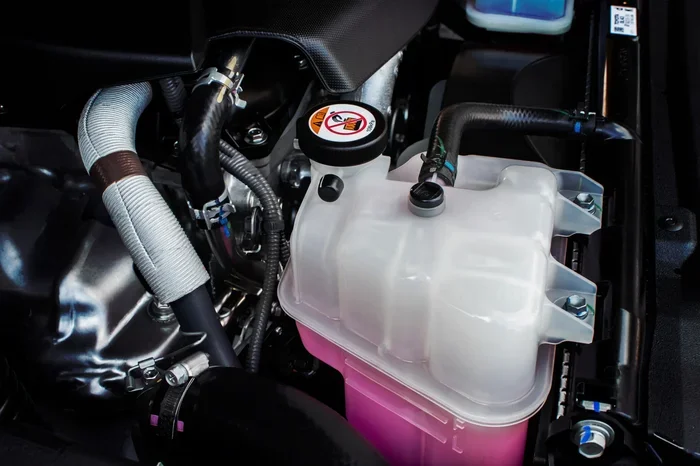
How Many Litres of Coolant Do I Need to Fill My Car
Knowing how many litres of coolant your car needs is essential for proper engine cooling and overheating prevention. Most vehicles require between 4 and 8 litres, but the exact amount depends on your car’s engine size, cooling system design, and coolant capacity. This guide walks you through everything you need to know, from finding your car’s specific capacity to choosing the right coolant type and avoiding common mistakes.
This is a comprehensive guide about How Many Litres of Coolant Do I Need.
Key Takeaways
- Most cars need 4 to 8 litres of coolant: The exact amount varies by vehicle make, model, and engine size.
- Check your owner’s manual first: It lists the exact coolant capacity for your specific car.
- Mixing coolant types can cause damage: Always use the recommended coolant type for your vehicle.
- Never open the radiator cap when hot: Wait for the engine to cool to avoid burns from pressurised fluid.
- Old coolant loses effectiveness: Regular coolant flush and replacement keeps your car cooling system working properly.
- Low coolant causes overheating: Keeping the right level protects your engine from serious damage.
[FEATURED_IMAGE_PLACEHOLDER]
How Many Litres of Coolant Do I Need to Fill My Car
If you have ever popped open the hood and wondered, “How much coolant does my car actually need?” — you are not alone. It is one of those simple questions that can feel surprisingly tricky to answer. The truth is, there is no single number that fits every vehicle. Coolant capacity varies widely depending on your car’s engine, model, and cooling system design.
In this guide, we break down everything you need to know about how many litres of coolant your car requires. We will cover how to find your car’s specific capacity, what type of engine coolant to use, how to check your coolant level, and common mistakes to avoid. Whether you are topping up after a leak or doing a full cooling system refill, this article has you covered.
The right amount of radiator fluid keeps your engine running at the perfect temperature. Too little, and you risk overheating. Too much, and you can create pressure problems. Getting it right is simple once you know what to look for.
Why Coolant Level Matters
Your car’s car cooling system relies on a precise amount of fluid to work correctly. Coolant does more than just cool your engine. It also prevents freezing in winter and protects metal parts from corrosion. When the coolant level drops too low, your engine can overheat quickly. When it is too high, excess pressure can build up and cause leaks or even damage to the radiator and hoses.
Understanding how much coolant your car holds is the first step in proper car maintenance. It helps you spot problems early and keep your engine healthy for years to come.
What Happens When Coolant Is Low
A low coolant level is one of the most common causes of engine overheating. When there is not enough fluid circulating through the engine cooling system, heat builds up fast. Here are the warning signs to watch for:
- Temperature gauge rising into the red zone on your dashboard
- Steam or smoke coming from under the hood
- A sweet smell coming from the engine area
- Coolant leaks visible under your car
- Your heater blowing cold air instead of warm air
If you notice any of these signs, stop driving safely and let the engine cool down. Then check your coolant reservoir and top up if needed. For more information on spotting coolant problems, check out our guide on Can Old Coolant Cause Overheating.
How to Find Your Car’s Coolant Capacity
Every car has a specific coolant capacity listed by the manufacturer. This number tells you exactly how much fluid the entire system holds, including the radiator and the overflow reservoir. Finding this number is easier than you might think.
Check Your Owner’s Manual
Your car’s owner’s manual is the best place to start. Look for a section called “Specifications,” “Fluids,” or “Maintenance.” The manual will list the exact coolant capacity in litres. It will also tell you what type of coolant your car uses.
If you no longer have your physical manual, you can usually find a digital version on the manufacturer’s website. Simply search for your car’s make, model, and year, and look for the maintenance or specifications section.
Check the Coolant Reservoir Tank
Many cars have a coolant reservoir tank with markings that show the minimum and maximum levels. While this does not tell you the total system capacity, it gives you a good reference point. The reservoir typically holds about 1 to 2 litres, and the full system holds several times that amount.
When checking the reservoir, always do it when the engine is cold. Opening the system while hot can cause hot fluid to spray out and burn you.
Look Up Your Car Online
If you cannot find the information in your manual, you can look it up online. Many car parts websites and forums list coolant capacity by vehicle. You can also ask your local dealership or a trusted mechanic. They will know the exact amount for your specific car.
How Many Litres Do Different Cars Need
The amount of coolant a car needs depends mainly on engine size and cooling system design. Smaller engines with four cylinders usually need less fluid than larger engines with six or eight cylinders. Here is a general guide to help you understand what to expect.
Small Cars and Compact Sedans
Small cars with four-cylinder engines typically have a coolant capacity of around 4 to 6 litres. These vehicles have smaller engines and compact cooling systems, so they do not need as much fluid. Popular models like the Toyota Corolla, Honda Civic, and Ford Focus generally fall into this range.
Mid-Size Sedans and SUVs
Mid-size cars and SUVs with four- or six-cylinder engines usually need between 6 and 8 litres of engine coolant. The extra engine size and larger radiator mean the system holds more fluid. Models like the Toyota Camry, Honda Accord, and Ford Explorer are common examples in this category.
Larger Engines and Performance Vehicles
Cars with larger engines, such as V6 or V8 configurations, can need 8 to 12 litres or more. Performance vehicles and trucks with big engines have larger cooling systems to handle the extra heat they produce. Always check your specific vehicle’s manual for the exact number.
Quick Reference Table
| Vehicle Type | Engine Size | Approximate Coolant Capacity |
|---|---|---|
| Small Car / Compact | 4-cylinder | 4 to 6 litres |
| Mid-Size Sedan / SUV | 4 or 6-cylinder | 6 to 8 litres |
| Large SUV / Truck | 6 or 8-cylinder | 8 to 12+ litres |
| Performance Vehicle | V6 or V8 | 8 to 15 litres |
Keep in mind that these numbers are general estimates. Always refer to your vehicle’s owner’s manual for the precise coolant capacity. If you are unsure, a mechanic can quickly confirm the exact amount for your car.
What Type of Coolant Should You Use
Choosing the right coolant type is just as important as using the correct amount. Not all engine coolant is the same, and mixing the wrong type can cause serious problems for your car cooling system.
Understanding Coolant Colours
Coolants come in different colours, and the colour often indicates the chemical formulation. Here are the most common types:
- Green coolant: The traditional type, often used in older vehicles. It typically uses inorganic additives.
- Orange or red coolant: Often called OAT (Organic Acid Technology) coolant. It is common in newer vehicles and lasts longer.
- Purple or pink coolant: A hybrid OAT formula that works with a wider range of vehicles.
- Yellow coolant: Used in some European and Asian models with specific formulations.
Never mix different coloured coolants unless your owner’s manual specifically says it is safe. Mixing incompatible types can create a gel-like substance that clogs your cooling system and causes overheating.
Can You Add New Coolant to Old Coolant?
In some cases, you can top up with the same type of coolant already in your system. However, if the old fluid is dirty or has been in the system for a long time, it is better to do a full coolant flush and replace it entirely. For a detailed guide on this topic, read our article on Can I Add New Coolant to Old Coolant.
Always check what type of coolant your car requires before you buy any fluid. Using the wrong type can void your warranty and damage engine components over time.
How to Check and Fill Your Coolant
Checking and filling your coolant level is one of the simplest car maintenance tasks you can do at home. It only takes a few minutes and can save you from costly repairs down the road.
Step-by-Step Guide
- Make sure the engine is cold. Wait at least 30 minutes after driving before you open any part of the cooling system. Hot fluid under pressure can cause serious burns.
- Locate the coolant reservoir. It is usually a translucent plastic tank near the radiator with “MIN” and “MAX” markings on the side.
- Check the current level. The fluid level should be between the MIN and MAX marks. If it is below MIN, you need to add more.
- Open the reservoir cap carefully. Twist it slowly to release any built-up pressure before removing it fully.
- Add the correct coolant. Pour in the right type of engine coolant until the level reaches the MAX line. Do not overfill.
- Replace the cap and start the engine. Let the engine run for a few minutes so the fluid circulates. Then recheck the level with the engine cool.
Quick Tips for Filling Coolant
- Use distilled water if you are mixing concentrate coolant. Tap water contains minerals that can cause buildup in your cooling system.
- Always use a 50/50 mix of coolant and water unless your manual says otherwise. This provides the best protection against both freezing and boiling.
- Keep a rag handy to wipe up any spills. Coolant can damage paint and is harmful to pets and animals.
- Dispose of old coolant properly. Take it to a recycling centre or auto parts store that accepts used fluids.
Common Mistakes to Avoid
Even experienced car owners make mistakes when dealing with coolant. Here are some common errors to avoid:
- Opening the radiator cap when the engine is hot. This is dangerous and can cause hot fluid to spray out and burn you.
- Overfilling the system. Too much fluid can cause pressure buildup and lead to leaks or a blown coolant reservoir cap.
- Using the wrong coolant type. Always match the coolant type to your vehicle’s specifications.
- Ignoring leaks. If you keep losing coolant, there is likely a leak somewhere. Get it checked by a mechanic.
- Neglecting regular coolant flushes. Old coolant loses its protective properties over time. Flush and replace it according to your manual’s schedule.
For more tips on maintaining your car cooling system and preventing overheating issues, our article on Can I Use Green Coolant In A Toyota offers helpful insights on choosing the right coolant for your specific vehicle.
When to Flush and Replace Your Coolant
Simply topping up your coolant level is not enough to keep your car cooling system in top shape. Over time, coolant breaks down and loses its ability to protect your engine. Regular coolant flush and replacement are essential parts of car maintenance.
How Often Should You Flush?
Most manufacturers recommend flushing and replacing engine coolant every 30,000 to 60,000 kilometres, or every 2 to 5 years. However, this varies depending on the type of coolant you use and how you drive. Check your owner’s manual for the specific interval for your vehicle.
Signs You Need a Coolant Flush
Your car will often give you warning signs when the coolant needs replacing. Watch for these indicators:
- The coolant appears rusty, discoloured, or gritty
- You notice a sweet smell coming from the engine area
- Your engine runs hotter than usual
- The heater does not work as well as it used to
- You see particles or sediment in the coolant reservoir
Ignoring these signs can lead to overheating, corrosion, and expensive engine repairs. A full coolant flush removes old fluid, debris, and contaminants from the entire cooling system, including the radiator and engine block.
If you are experiencing overheating problems and suspect your old coolant might be the cause, our article on Can Old Coolant Cause Overheating explains the connection in detail and offers practical solutions.
How to Choose the Right Coolant for Your Vehicle
With so many coolant types on the market, choosing the right one can feel overwhelming. The good news is that your car’s manufacturer already made the decision for you. All you need to do is follow their recommendations.
Start by checking your owner’s manual for the approved coolant type. Some manufacturers specify a particular brand or formula. Others simply list the colour or specification code. For example, Toyota often uses a red or pink Toyota Super Long Life Coolant, while many European cars require specific blue or purple formulations.
If you are ever unsure, ask a trusted mechanic or visit your local dealership. They can confirm the exact coolant type and coolant capacity for your car. Using the right fluid protects your engine cooling system and helps your car run smoothly for years to come.
Conclusion
Understanding how many litres of coolant your car needs is a fundamental part of responsible vehicle ownership. Most cars require between 4 and 8 litres, but your specific vehicle may differ based on engine size and cooling system design. Always check your owner’s manual for the exact coolant capacity and the recommended coolant type.
Regularly checking your coolant level, using the right fluid, and scheduling routine coolant flushes are simple steps that go a long way in protecting your engine. These small acts of car maintenance can prevent overheating, corrosion, and costly repairs down the road.
Keep your car cooling system in great shape, and your engine will thank you for many miles to come. Stay on top of your coolant levels, and drive with confidence knowing your engine is properly protected.
FAQs
How do I know if my car needs more coolant?
The most common sign is a rising temperature gauge on your dashboard. You may also notice a sweet smell, steam under the hood, or your heater blowing cold air. Check your coolant reservoir to see if the level is below the MIN mark. For more details, read our guide on Can Old Coolant Cause Overheating.
Can I use water instead of coolant in an emergency?
Yes, you can use water temporarily in an emergency to get to a service station. However, water does not protect against freezing, boiling, or corrosion like proper engine coolant does. Replace it with the correct coolant mixture as soon as possible.
How often should I check my coolant level?
It is a good habit to check your coolant level at least once a month and before any long road trips. Always check when the engine is cold for an accurate reading. This simple step helps you catch low levels early and prevent overheating.
What happens if I overfill my coolant system?
Overfilling can cause excess pressure in the cooling system, which may lead to leaks, a blown reservoir cap, or coolant leaking onto hot engine parts. Always fill to the MAX line on the reservoir and never exceed it.
Is it safe to drive with low coolant?
No, driving with low coolant is risky. It can cause your engine to overheat quickly, leading to serious and expensive damage such as a blown head gasket or warped engine block. Top up the coolant level before driving.
Can I mix different coolant colours together?
It is generally not recommended to mix different coolant types or colours. Different formulations can react with each other and form a gel that clogs your cooling system. Stick to the same type and always check your owner’s manual for compatibility guidance.
Frequently Asked Questions
What is How Many Litres of Coolant Do I Need?
How Many Litres of Coolant Do I Need is an important topic with many practical applications.