Advantages and Disadvantages of Cars You Should Know
advantages and disadvantages of cars is an essential topic that provides valuable insights.
Key Takeaways
- Freedom and convenience are top benefits: Cars give you the ability to travel on your own schedule without relying on public transport.
- Costs go far beyond the purchase price: Fuel, insurance, maintenance, depreciation, and parking add thousands of dollars each year.
- Environmental impact is real: Cars produce carbon emissions that contribute to climate change and air pollution.
- Safety features have improved greatly: Modern cars come with advanced systems that help prevent accidents and protect passengers.
- Hidden costs like depreciation surprise many buyers: A car loses value quickly, and this should be part of your buying decision.
- Greener options exist: Hybrid and electric vehicles reduce emissions and can lower your long-term fuel costs.
- Regular maintenance saves money: Keeping up with vehicle maintenance prevents costly repairs and keeps your car running safely.
📑 Table of Contents
The Big Picture: Why Cars Are Everywhere
Cars have changed how we live. They connect us to jobs, family, and fun. Almost every street in the world has them. But do you really know what you are getting into?
Understanding the advantages and disadvantages of cars helps you make better decisions. Whether you are thinking about car buying or just curious, this guide covers it all. We will look at the good, the bad, and the messy middle.
Cars are not just machines. They represent freedom for some people. For others, they mean stress and debt. Let us explore both sides together.
Advantages of Owning a Car
Freedom to Go Anywhere
One of the biggest advantages of car ownership is freedom. You do not need to wait for a bus or train. You can leave when you want. You can go where you want.
Imagine waking up on a Saturday morning and deciding to hit the road. No schedules. No waiting. That is the power of personal mobility. You can take road trips with friends or drive to a quiet spot in nature.
This freedom is especially helpful in rural areas. Public transport can be rare or slow. A car fills that gap. It gives you options that other transport simply cannot match.
Saving Time on Your Daily Commute
Cars save commute time in many situations. You can take the fastest route. You avoid stops and transfers. You get door-to-door service.
For parents with kids, a car is a lifesaver. You can drop children at school, go to work, and handle errands. Without a car, this daily routine becomes much harder.
Here are some time-saving benefits of driving:
- No waiting for public transport
- Flexible departure times
- Direct routes without detours
- Easy handling of multiple stops
- Faster travel in rural or suburban areas
Comfort and Personal Space
A car gives you your own space. You control the music, the temperature, and the seating. You do not have to share with strangers.
This comfort matters a lot during long drives. You can stop whenever you want. You can carry personal items safely. It is your own little bubble on wheels.
Disadvantages of Car Ownership
The Cost of Keeping a Car Running
Cars cost a lot of money. The car payments are just the start. You also pay for fuel, car insurance, and auto repair. These costs add up fast.
Let us look at the numbers. The average car owner spends thousands of dollars each year. Here is a simple breakdown:
- Car payments: $300 to $700 per month
- Fuel costs: $150 to $300 per month
- Car insurance: $100 to $200 per month
- Maintenance and repairs: $100 to $250 per month
- Parking and registration: $50 to $150 per month
These numbers can surprise people. Many buyers focus only on the purchase price. They forget about the ongoing transportation costs. This is a common mistake.
Environmental Harm
Cars burn fuel. That means they release carbon emissions into the air. These emissions contribute to climate change and air pollution.
Even fuel efficient cars produce some pollution. The impact grows when millions of cars run every day. Cities struggle with traffic congestion, which makes emissions worse.
Here is a quick look at the environmental downsides:
- Air pollution in urban areas
- Greenhouse gas emissions
- Oil extraction and refining
- Noise pollution in neighborhoods
- Land used for roads and parking
Traffic and Parking Headaches
Traffic congestion wastes hours every week. You sit in your car, stuck and frustrated. It drains your energy and your patience.
Parking challenges are another big issue. In cities, finding a spot can be stressful. You might pay high parking fees. Or you might circle the block for twenty minutes.
These problems are real and daily. They affect your mood and your productivity. They are a hidden cost of car ownership that many people overlook.
The Money Side of Car Ownership
Hidden Costs Most People Miss
Most people think about the sticker price. But the real cost goes much deeper. Vehicle depreciation is a huge hidden cost. Your car loses value the moment you drive it off the lot.
Here are costs that catch people off guard:
- Depreciation: Cars lose about 15% to 25% of their value each year
- Interest on loans: If you finance, you pay extra over time
- Taxes and fees: Registration, sales tax, and title fees add up
- Depreciation of resale value: Older cars are worth much less
- Unexpected repairs: One big repair can cost hundreds of dollars
Vehicle maintenance is another hidden expense. Oil changes, tire rotations, brake pads, and inspections all cost money. Skipping them leads to bigger problems later.
Expert Insight: Many financial advisors suggest budgeting 10% to 15% of your car’s value each year for all ownership costs. This includes fuel, insurance, maintenance, and depreciation.
Is a Car Worth the Investment?
Whether a car is worth it depends on your life. If you live in a city with good public transport, you might not need one. If you live in a suburb or rural area, a car is almost essential.
Think about your needs honestly. Do you commute long distances? Do you have a family that needs transport? Do you run many errands?
The resale value of your car also matters. Some brands hold value better than others. A fuel efficient car can save you money over time. But the upfront cost may be higher.
Quick Tip: Always calculate the total cost of ownership before you buy. Include all monthly and yearly expenses. This gives you the true picture.
How Cars Affect the Environment
Carbon Emissions and Climate Change
The environmental impact of cars is serious. Cars release carbon dioxide and other greenhouse gases. These gases trap heat in the atmosphere.
The result is global warming. Weather patterns change. Ice caps melt. Sea levels rise. Cars are a major part of this problem, especially in countries with high car ownership rates.
Even fuel efficient vehicles produce emissions. The only zero-emission option is an electric car. But even those have an environmental cost in manufacturing and battery production.
Greener Choices for Drivers
You can still drive and reduce your impact. Here are some greener choices:
- Choose a fuel efficient or hybrid vehicle
- Consider an electric car for daily commuting
- Carpool with friends or coworkers
- Use public transport when possible
- Keep your car well-maintained for better fuel economy
- Drive smoothly and avoid aggressive acceleration
Small changes add up. Every gallon of fuel you save reduces your carbon footprint. It also saves you money at the pump.
Safety and Practical Considerations
Safety Features That Save Lives
Modern cars come with amazing safety features. These include anti-lock brakes, airbags, collision warnings, and lane-keeping assist. Many of these systems help prevent accidents.
Studies show that cars with advanced safety features reduce injury rates. Electronic stability control and automatic emergency braking are especially effective.
When you buy a car, check its safety ratings. Look for models with strong crash test results. These features protect you and your passengers every time you drive.
Vehicle Maintenance Matters
Regular vehicle maintenance keeps your car safe and reliable. Skipping oil changes or tire checks can lead to breakdowns or accidents.
Here is a simple maintenance checklist:
- Change oil every 5,000 to 7,500 miles
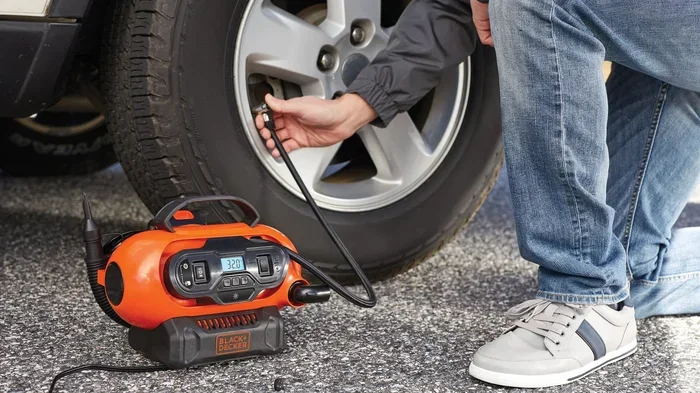
- Check tire pressure monthly
- Replace air filters as needed
- Test brakes regularly
- Keep up with scheduled inspections
Good maintenance also improves fuel efficiency. A well-tuned engine uses less gas. That saves you money and reduces emissions.
Common Mistake: Many car owners skip regular maintenance to save money. This often leads to much bigger repair bills later. Stay on top of your maintenance schedule.
Final Verdict: Weighing the Pros and Cons
The advantages and disadvantages of cars balance each other out differently for every person. For some, a car is essential. For others, it is a burden.
Here is a quick comparison of the key factors:
- Pros: Freedom, convenience, time savings, comfort, personal space, access to rural areas, emergency transport
- Cons: High costs, environmental harm, traffic stress, parking problems, depreciation, maintenance needs
Think about your lifestyle, budget, and values. If you need driving convenience and personal mobility, a car makes sense. If you care deeply about the environmental impact and want to save money, you might explore alternatives.
There is no one-size-fits-all answer. The best choice is the one that fits your life. Know the trade-offs. Plan ahead. And drive safely.
Frequently Asked Questions
What are the main advantages of owning a car?
The top advantages include personal freedom, flexible travel schedules, time savings on commutes, comfort and privacy, and access to areas without public transport. A car also makes it easy to handle family needs and emergencies quickly.
What are the biggest disadvantages of car ownership?
The main disadvantages are high ongoing costs like fuel, insurance, and maintenance. Cars also contribute to environmental pollution, cause stress from traffic and parking, and lose value quickly through depreciation. These factors can strain your budget over time.
How much does it really cost to own a car each year?
On average, car owners spend between $5,000 and $10,000 per year when you include payments, fuel, insurance, maintenance, and registration. The exact cost depends on your car model, where you live, and how much you drive.
Are electric cars better than gas cars for the environment?
Electric cars produce zero tailpipe emissions, which makes them cleaner for local air quality. However, their overall environmental impact depends on how the electricity is generated. Over time, electric vehicles typically have a lower carbon footprint than gas-powered cars.
What should I consider before buying a car?
Consider your budget, commute distance, family needs, fuel efficiency, insurance costs, and resale value. Think about whether public transport could replace a car. Always calculate the total cost of ownership before you make a decision.
Can I reduce the disadvantages of car ownership?
Yes, you can. Choose a fuel efficient vehicle, keep up with regular maintenance, carpool when possible, and drive smoothly to save fuel. You can also explore hybrid or electric options to reduce your environmental impact and fuel costs.
=== CONCLUSION ===
The advantages and disadvantages of cars are clear and significant. Cars offer unmatched freedom and convenience in modern life. They connect us to opportunities and experiences. But they also come with real costs, environmental harm, and daily stresses.
Understanding both sides helps you make a smarter choice. Whether you are a first-time buyer or a longtime owner, knowing the full picture matters. Weigh the pros and cons carefully. Consider your budget, your lifestyle, and your values.
A car is a big decision. Take your time. Do your research. And choose the option that fits your life best. The road ahead is yours to drive.