How Do You Reset the Anti-Theft System on Your Car
Resetting your car’s anti-theft system is easier than you think. Whether your security light is flashing or your car won’t start, this guide walks you through every method. You will learn how to reset the immobilizer, troubleshoot the alarm system, and prevent future lockouts.
Your car’s anti-theft system is designed to protect your vehicle from theft. But sometimes, this system activates when you do nothing wrong. Maybe you changed the battery in your key fob. Perhaps you accidentally triggered the alarm. Or the security light just started flashing for no clear reason. Whatever the cause, a locked-up car security system can leave you stranded and frustrated.
This guide shows you exactly how to reset the anti-theft system on your car. We cover every method, from simple key cycles to full factory reset procedures. You will also learn how to prevent the problem from coming back. Let’s get your car running again.
Key Takeaways
- Try the key cycle method first: This simple trick works on most vehicles and takes under two minutes.
- Check your key fob battery: A dead battery is the most common cause of false anti-theft activation.
- Disconnect the battery to reset the system: This clears error codes and resets the security module in most cars.
- Know when to call a professional: If basic resets fail, a locksmith or mechanic can reprogram your transponder key.
- Prevent future issues: Regular maintenance of your key fob and ignition lock cylinder keeps the system reliable.
📑 Table of Contents
- What Is an Anti-Theft System and How Does It Work?
- Common Signs Your Anti-Theft System Is Activated
- How to Reset the Anti-Theft System on Your Car
- When to Seek Professional Help
- Preventing Future Anti-Theft System Issues
- Common Mistakes People Make When Resetting the Anti-Theft System
- Quick Tips for a Successful Reset
- Expert Insight: Why Modern Cars Have Complex Anti-Theft Systems
- Final Thoughts
What Is an Anti-Theft System and How Does It Work?
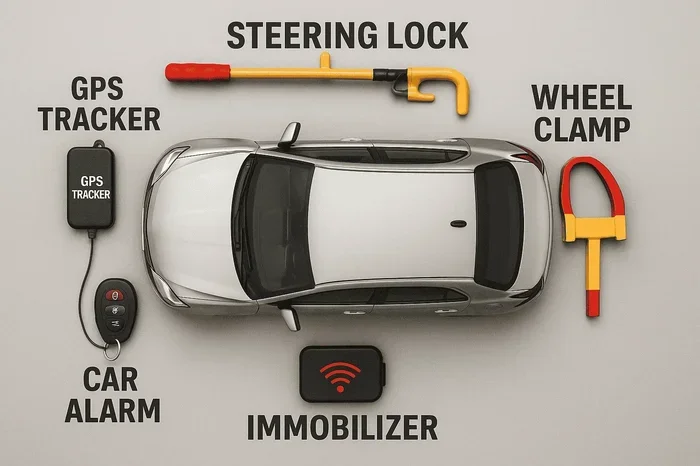
Every modern vehicle comes with some form of theft deterrent. The anti-theft system is a collection of electronic components that work together to prevent unauthorized access. When someone tries to break in or hotwire your car, the system blocks the engine from starting.
The most common type is the immobilizer. It communicates with your transponder key to verify that the key is genuine. If the key does not send the correct signal, the car will not start. Other systems include alarm systems, central locking, and door lock actuators that all work together to keep your vehicle safe.
Why Does the Anti-Theft System Activate by Mistake?
Several things can trigger a false alarm. A weak key fob battery often causes the system to reject your key. Electrical glitches after a battery death can confuse the security module. Sometimes, a worn-out ignition switch sends the wrong signal. Understanding these triggers helps you avoid the problem in the first place.
Common Signs Your Anti-Theft System Is Activated
Before you can reset the system, you need to know it is actually activated. Here are the most common signs that your car alarm or immobilizer is engaged:
- The security light flashes steadily on your dashboard, even when the car is off.
- The car won’t start even with a working key and enough fuel.
- The engine turns over but does not fire up. This points to an ignition lock cylinder issue.
- The doors lock and unlock on their own. This often signals a central locking system malfunction.
- The alarm goes off randomly without any trigger.
If you notice any of these symptoms, the anti-theft system is likely the culprit. The good news is that resetting it is usually straightforward.
How to Reset the Anti-Theft System on Your Car
There are several methods you can try at home. Start with the simplest one and work your way down the list. Most of the time, you will not need any special tools.
Method 1: The Key Cycle Trick
This is the most popular and effective method. It works on a wide range of vehicles, including many Toyota, Honda, and Ford models. Here is exactly what to do:
- Insert your key into the ignition.
- Turn the key to the “ON” position. Do not start the engine.
- Wait for about 10 to 15 minutes.
- Watch the security light on the dashboard. When it stops flashing, the system is ready.
- Turn the key back to the “OFF” position.
- Wait 5 seconds, then turn it back to “ON.”
- The car should now start normally.
This method essentially tells the security module to relearn your key. It is like giving the system a fresh start. If this works, you are all set. If not, move on to the next method.
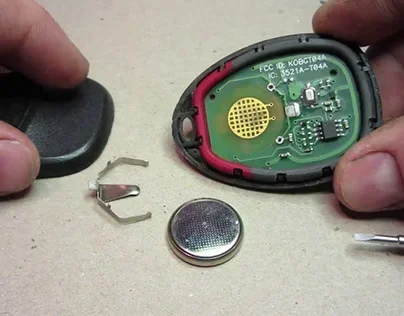
Method 2: Reset the Key Fob
A faulty key fob is one of the top reasons the anti-theft system activates incorrectly. Before replacing the fob, try a reset:
- Remove the battery from the key fob.
- Wait 30 seconds.
- Reinsert the battery and snap the fob back together.
- Hold the lock and unlock buttons simultaneously for 5 seconds.
- Release the buttons and test the car.
If the key fob battery was the issue, this simple reset often solves the problem. Consider replacing the battery regularly to avoid this situation in the future.
Method 3: Disconnect the Car Battery
When nothing else works, disconnecting the battery is a reliable factory reset option. This clears all error codes and resets the car security system completely.
Here is how to do it safely:
- Turn off the engine and remove the key.
- Open the hood and locate the negative battery terminal.
- Use a wrench to loosen the cable on the negative terminal.
- Remove the cable and let it sit for 15 to 30 minutes.
- Reconnect the cable and tighten it securely.
- Get back in the car and try starting the engine.
Note: Disconnecting the battery may also reset your radio presets and clock settings. Some vehicles may require a security code after the reset. Check your owner’s manual if you are unsure.
Method 4: Use the Door Lock Override
Some vehicles have a hidden override feature for the anti-theft system. This is especially common in older models. Try holding the unlock button on your key fob for 10 seconds while standing outside the car. On some models, you can also insert the key into the driver’s door lock and turn it back and forth three times quickly.
This method often resets the central locking system and clears the theft deterrent mode. It is a quick fix that many car owners overlook.
When to Seek Professional Help
Most anti-theft resets work at home. But sometimes, the problem goes deeper than a simple reset. You should consider calling a professional if:
- The security light keeps flashing after multiple reset attempts.
- The car still will not start even after trying all methods above.
- You recently replaced the ignition lock cylinder and the system is not recognizing the new part.
- Multiple keys fail to start the car, which suggests a problem with the security module itself.
- The alarm triggers constantly and cannot be silenced, which may indicate a wiring issue.
A qualified locksmith or mechanic can reprogram your transponder key and diagnose deeper electrical problems. If you recently read about clearing the engine management light, you know that car warning systems can sometimes be tricky. The same applies to the anti-theft system — sometimes a professional scan tool is needed to clear persistent codes.
Also, if you are dealing with a keyless car and the system will not recognize your fob, you may want to check how to start a keyless car without a key for additional troubleshooting tips. Similarly, resetting the mileage or clearing other car lights often requires the same basic steps, so understanding those processes can help you here too.
Preventing Future Anti-Theft System Issues
The best way to deal with the anti-theft system is to prevent problems before they start. Here are simple steps that keep your car security system running smoothly:
- Replace your key fob battery every 1 to 2 years. A fresh battery ensures a strong signal to the security module.
- Avoid slamming doors forcefully. This can damage the door lock actuator and trigger the alarm accidentally.
- Keep your key fob away from other electronic devices. Signal interference can confuse the transponder key system.
- Have your ignition switch inspected during regular maintenance. A worn switch is a common hidden cause of false alarms.
- Update your vehicle immobilizer software when recalls or updates are available. Manufacturers often release fixes for known security glitches.
Taking these small steps saves you time and money. A well-maintained theft deterrent system protects your car and gives you peace of mind every time you walk away from the vehicle.
Common Mistakes People Make When Resetting the Anti-Theft System
Even with the best intentions, car owners often make mistakes during the reset process. Here are the most common ones to avoid:
- Trying to start the car too soon. You must wait for the security light to stop flashing before turning the key to “START.” If you rush this step, the system will not reset.
- Using the wrong key. Some vehicles have different keys for different functions. Make sure you are using the correct transponder key for starting the engine.
- Ignoring the battery voltage. A low car battery can mimic anti-theft problems. Always check your battery voltage before assuming the alarm system is at fault.
- Replacing parts unnecessarily. Before buying a new ignition lock cylinder or door lock actuator, try a reset first. The problem is often software-related, not hardware.
Avoiding these mistakes saves you from wasted money and unnecessary trips to the mechanic. Patience and a systematic approach always work best.
Quick Tips for a Successful Reset
Here are some bonus tips to make your reset process smoother:
- Keep your owner’s manual handy. It contains specific reset instructions for your exact model.
- Work in a well-lit area. This helps you see the security light clearly and judge when it stops flashing.
- Have a spare key ready. If your primary key fails during the process, a spare can help you continue troubleshooting.
- Write down any error codes. If your car displays a code on the dashboard, note it down. This helps a mechanic diagnose the issue faster.
- Be patient. Some resets take up to 30 minutes. Do not give up too quickly.
Expert Insight: Why Modern Cars Have Complex Anti-Theft Systems
Modern vehicles are essentially computers on wheels. The anti-theft system is just one part of a complex network of electronic modules. The security module communicates with the engine control unit, the transponder key reader, and the central locking system all at once. This complexity is what makes these systems so effective at preventing theft — but it also means that a single glitch can cascade into multiple symptoms.
According to automotive experts, the number one reason for false anti-theft activations is a weak key fob battery. The second most common cause is a dead car battery that disrupts the security module’s memory. Understanding these root causes helps you troubleshoot faster and avoid unnecessary repairs.
If you have ever wondered about other car systems that can cause starting problems, check out our guide on how far past empty a car can go. Understanding fuel-related issues is another important part of keeping your vehicle running reliably.
Final Thoughts
Resetting your anti-theft system does not have to be scary or complicated. Whether you use the key cycle method, reset your key fob, or disconnect the battery, most resets take just a few minutes. The key is to stay calm, follow the steps carefully, and work through each method systematically.
Remember that your car security system is there to protect you. When it works correctly, it gives you peace of mind. When it malfunctions, the reset methods in this guide should help you get back on the road quickly. If the problem persists, do not hesitate to consult a professional mechanic or locksmith who can reprogram your transponder key and diagnose deeper issues.
Keep your key fob battery fresh, maintain your ignition switch, and treat your vehicle immobilizer with care. These small habits go a long way toward keeping your car safe and your anti-theft system running smoothly for years to come.
Frequently Asked Questions
How long does it take to reset the anti-theft system?
Most resets take between 5 and 30 minutes. The key cycle method usually works within 10 to 15 minutes. A full battery disconnect reset may take up to 30 minutes to complete. Patience is the key to success.
Can a dead key fob battery trigger the anti-theft system?
Yes, absolutely. A weak or dead key fob battery is the most common reason the anti-theft system activates by mistake. The system cannot read the signal properly and assumes someone is trying to steal the car. Replacing the battery often fixes the problem immediately.
Will resetting the anti-theft system erase any car data?
A simple key cycle reset will not erase any data. However, disconnecting the battery may reset your radio presets, clock, and some personalized settings. Some vehicles also require a security code after a battery disconnect. Always check your owner’s manual before disconnecting the battery.
What should I do if the security light keeps flashing after a reset?
If the light continues flashing after multiple reset attempts, the problem may be deeper. Try replacing the key fob battery first. If that does not work, a faulty transponder key or ignition switch could be the cause. In this case, it is best to consult a professional mechanic or locksmith.
Can I drive my car with the anti-theft light on?
In most cases, yes, you can still drive the car even with the light on. However, the system may not fully protect you if the car is parked. It is best to resolve the issue as soon as possible. A flashing security light means the system is in a protective mode and may prevent starting at any moment.
How much does it cost to professionally reset an anti-theft system?
The cost varies depending on your vehicle and the issue. A simple key fob battery replacement costs under $10. A locksmith reprogramming a transponder key typically ranges from $50 to $200. A mechanic diagnosing a faulty security module may charge $100 to $300 for the service. Getting an accurate diagnosis first is always the smart move.