Exactly How Much Does It Cost to Lift a Subaru Outback
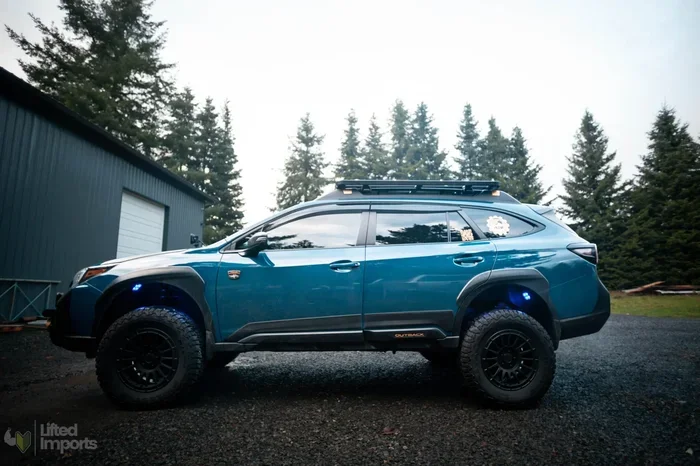
The total cost to lift a Subaru Outback typically ranges from $500 to $3,500, depending on the lift kit type, brand, and whether you hire a professional. A basic body lift kit is the most affordable option, while a full suspension lift with premium parts and professional installation will cost more. Understanding what drives the price helps you make smart decisions and avoid surprise expenses.
The Subaru Outback is one of the most popular wagons on the road. It blends comfort, capability, and style in a way few vehicles can match. But if you have been thinking about lifting yours, you probably have one big question on your mind. How much does it actually cost to lift a Subaru Outback?
The answer is not as simple as picking a single number. The cost depends on several factors. The type of lift kit you choose plays the biggest role. So does whether you plan to install it yourself or hire a pro. And let us not forget about the extra parts you might need along the way.
In this guide, we will walk through every cost component. You will learn about different lift kit types, what brands to consider, and how to budget for the full project. By the end, you will have a clear picture of what to expect. Let us dive in.
Key Takeaways
- Lift kit type matters most: Body lifts cost less than suspension lifts, and each serves a different purpose for your Outback.
- Professional installation adds $200 to $800: Labor costs vary by region and shop, so getting multiple quotes is smart.
- Premium lift kits from brands like Spidertrax or Rough Country cost more but offer better quality and durability.
- Don’t forget hidden costs: You may need new shocks, steering extensions, or wheel spacers that add to the total.
- DIY installation saves money but requires mechanical skill and the right tools.
- A lifted Outback can improve resale value, but over-lifting may hurt it.
📑 Table of Contents
- Why People Lift Their Subaru Outback
- Types of Lift Kits for the Subaru Outback
- Breakdown of Lift Kit Costs by Brand
- Labor Costs for Installation
- Hidden Costs You Need to Budget For
- DIY vs Professional Installation
- How a Lift Affects Your Subaru Outback Value
- How to Choose the Right Lift Kit for Your Needs
- Common Mistakes to Avoid When Lifting a Subaru Outback
- Final Thoughts on the Cost to Lift a Subaru Outback
Why People Lift Their Subaru Outback
Before we talk about costs, it helps to understand why so many Outback owners choose to lift their vehicles. A lift kit changes the look and function of your car. It raises the body or suspension to give you more ground clearance. This can make a big difference if you enjoy off-road adventures or simply want a more commanding view of the road.
Here are some of the most common reasons people lift their Outback:
- Better ground clearance: Hitting speed bumps or steep driveways becomes way easier. You also protect your undercarriage from rocks and debris.
- Off-road capability: A lifted Outback can handle trails, dirt roads, and light rock crawling with more confidence.
- Bigger tire fitment: Lifting gives you room to install larger wheels and tires. This improves both looks and traction.
- Aggressive stance: Many owners simply love how a lifted vehicle looks. It gives the Outback a more rugged, purposeful appearance.
- Improved visibility: Sitting higher in the seat gives you a better view of traffic and the road ahead.
No matter your reason, knowing the cost upfront helps you plan properly. A lift is a significant modification. But it does not have to break the bank if you do your research.
Types of Lift Kits for the Subaru Outback
Not all lift kits are created equal. There are two main types, and each comes with its own price tag. Understanding the difference is the first step in figuring out your budget.
Body Lift Kits
A body lift kit raises the vehicle’s body off the frame. It does not change the suspension geometry at all. This makes it the simpler and more affordable option. Body lift kits for the Subaru Outback usually range from 1 inch to 3 inches in height.
These kits use spacers placed between the body and the frame. Installation is relatively straightforward. Many DIY enthusiasts handle body lifts in their home garage. The parts themselves are also less expensive because there are fewer components involved.
Typical body lift kit cost: $200 to $800. If you install it yourself, you save on labor. If you pay for professional installation, add another $200 to $400.
Suspension Lift Kits
A suspension lift replaces or modifies your existing shocks, springs, and control arms. This type of lift changes how the vehicle rides and handles. It provides more ground clearance and allows for larger tires. Suspension lifts are more complex and therefore more expensive.
For the Subaru Outback, suspension lift kits typically range from 2 inches to 3.5 inches. Some aggressive kits go even higher, but those are less common for daily driving. Premium suspension lifts use high-quality components like forged control arms and reservoir shocks.
Typical suspension lift kit cost: $800 to $2,500 for parts alone. With professional installation, expect to pay between $1,200 and $3,500 total.
Leveling Kits
A leveling kit is a simpler option that raises the front of the vehicle to match the rear. Many Subaru Outbacks sit slightly lower in the front. A leveling kit corrects this and gives a more balanced look. These kits are affordable and easy to install.
Typical leveling kit cost: $150 to $500. This is the most budget-friendly way to get some lift on your Outback.
Breakdown of Lift Kit Costs by Brand
The brand you choose has a big impact on the final price. Some brands offer budget-friendly options. Others charge a premium for top-tier quality and warranty coverage. Here is a look at what you can expect from popular lift kit brands.
| Brand | Kit Type | Price Range | Quality Rating |
|---|---|---|---|
| Spidertrax | Body Lift | $300 – $600 | Excellent |
| Rough Country | Suspension Lift | $800 – $1,800 | Very Good |
| Superlift | Suspension Lift | $1,000 – $2,500 | Excellent |
| Zone Offroad | Suspension Lift | $900 – $2,200 | Very Good |
| TSW Offroad | Leveling Kit | $150 – $400 | Good |
| Budget Generic | Body Lift | $100 – $300 | Fair |
As you can see, the price range varies quite a bit. A budget generic body lift might save you money upfront. But it may not last as long or provide the same quality ride. Premium brands like Spidertrax and Superlift cost more but often come with better materials, better fitment, and stronger warranties.
When comparing options, think about your goals. If you just want a slight raise for looks, a budget kit works fine. If you plan to go off-road or run bigger tires, investing in a premium kit pays off in the long run.
Labor Costs for Installation
Installing a lift kit is not a quick job. It involves removing stock components and replacing them with new ones. The complexity depends on the type of kit you choose. Labor costs are a significant part of your total budget.
On average, most shops charge between $100 and $200 per hour for labor. A body lift typically takes 3 to 5 hours. A suspension lift can take 6 to 10 hours or more. This means labor alone can add $300 to $2,000 to your project.
If you are handy with tools, you can save a lot by doing it yourself. Many Outback owners with basic mechanical skills successfully install body lift kits at home. Suspension lifts are more challenging and may require specialized tools like a spring compressor.
Keep in mind that the cost of labor varies by location. Shops in major cities often charge more than rural garages. It is always a good idea to get quotes from at least three different shops before committing.
Some specialty shops that focus on Subaru modifications may offer competitive rates. They also tend to have more experience with lift installations. This can save you time and potential headaches down the road.
Hidden Costs You Need to Budget For
Here is where many people get surprised. The lift kit and labor are not the only costs. Several additional items can pop up during the installation process. Planning for these hidden expenses keeps your budget on track.
New Shock Absorbers
Most lift kits do not include shocks. You will almost always need to replace your stock shocks with longer ones designed for the lifted height. Quality shocks can add $200 to $600 to your total cost. Do not cheap out on shocks. They directly affect ride quality and safety.
Steering Extensions
When you lift your Outback, the geometry of the steering system changes. A steering extension or drop bracket may be needed to maintain proper steering feel and prevent wear. These parts typically cost between $50 and $150.
Wheel Spacers
A lift often pushes the wheels outward slightly. Wheel spacers help fill the gap and give a proper stance. Good quality spacers run $100 to $300 for a set. Make sure to choose spacers that match your bolt pattern and hub bore.
Alignment
After any lift, your wheels will need a professional alignment. This is not optional. A proper alignment ensures safe handling and even tire wear. Expect to pay $80 to $150 for an alignment at most shops.
Potential Trim or Sensor Adjustments
On some Outback models, a lift can affect sensors or trim pieces. You might need to adjust or replace certain components. This is more common with larger lifts over 2.5 inches. Budget an extra $50 to $200 for any small adjustments that come up.
Adding all these items up, your total cost can easily exceed the price of the lift kit alone. Always build a buffer of at least 15 to 20 percent into your budget for unexpected expenses.
DIY vs Professional Installation
One of the biggest decisions you will make is whether to install the lift yourself or pay a professional. Both options have clear advantages and trade-offs.
DIY Installation Pros:
- You save significantly on labor costs.
- You work at your own pace.
- You learn valuable skills about your vehicle.
- You have full control over the quality of every bolt and torque specification.
DIY Installation Cons:
- It requires tools, space, and mechanical knowledge.
- Mistakes can be costly and dangerous.
- You will not have a professional warranty on the work.
- Some steps, like spring compression, require specialized equipment.
Professional Installation Pros:
- Expert hands ensure proper fitment and safety.
- Most shops offer a warranty on their work.
- You save time and avoid frustration.
- Access to professional-grade tools and equipment.
Professional Installation Cons:
- Higher total cost due to labor charges.
- You are dependent on shop availability and scheduling.
- Quality varies between shops, so research is important.
If you have never installed a lift kit before, we recommend starting with a body lift and doing it yourself. It is a great way to learn the process. Then, if you want a suspension lift later, you can hire a professional for that more complex job.
How a Lift Affects Your Subaru Outback Value
One question many owners overlook is how a lift affects resale value. The answer depends on several factors. The type of lift, the height, and who installs it all matter.
A moderate lift of 1 to 2 inches generally does not hurt resale value. In fact, many buyers on the used market appreciate a lifted Outback. It signals that the vehicle has been well-maintained and modified with quality parts. If you ever decide to sell, a lifted Outback can still fetch a strong price. In some cases, you might even get more than a stock version, especially if the market in your area favors lifted SUVs.
However, extreme lifts over 3.5 inches can be a turn-off for some buyers. They may worry about reliability, ride comfort, or warranty issues. If you plan to sell within a few years, a moderate lift is the safest bet.
Also keep in mind that modifying your vehicle may void certain factory warranties. If your Outback is still under warranty, check with your dealer before proceeding with a lift. This is especially important for powertrain and suspension components.
How to Choose the Right Lift Kit for Your Needs
With so many options available, choosing the right lift kit can feel overwhelming. Here are some practical tips to help you make the best decision for your Subaru Outback.
Define your goals first. Are you lifting for off-road capability or just for looks? Your answer determines the type and height of the lift. A 1-inch body lift might be all you need for aesthetics. A 2.5-inch suspension lift opens up serious off-road potential.
Research brands thoroughly. Read reviews from other Outback owners. Look for real-world experiences with specific kits. Pay attention to comments about ride quality, noise, and durability after thousands of miles.
Consider your driving habits. If you use your Outback primarily for commuting and highway driving, a smaller lift with quality shocks is ideal. If you hit trails on weekends, prioritize durability and ground clearance over ride comfort.
Get multiple quotes. Whether you go DIY or professional, always compare options. For professional installation, visit at least two or three shops. Ask about their experience with Subaru lifts specifically. A shop familiar with the Outback platform will do a better job.
Factor in the total cost. Do not just look at the lift kit price. Add in shocks, spacers, alignment, and any other required parts. This gives you the true cost of the project.
Think about future needs. If you plan to run larger tires down the road, make sure your chosen lift supports that. Some kits are designed specifically for bigger tire fitment. Planning ahead saves money and avoids the need for a second modification.
Common Mistakes to Avoid When Lifting a Subaru Outback
Even experienced car enthusiasts make mistakes when lifting their vehicles. Here are some common pitfalls to watch out for.
Skipping the alignment. This is the number one mistake. A lifted vehicle changes your wheel angles. Driving without a proper alignment wears tires unevenly and can affect handling. Always get an alignment after a lift.
Choosing the cheapest kit. Budget kits save money upfront but often use inferior materials. They may rattle, squeak, or fail prematurely. Investing in a quality kit from a reputable brand saves money and frustration over time.
Over-lifting the vehicle. More lift is not always better. Excessive lift can cause drivetrain issues, vibration, and an uncomfortable ride. Stick to a lift height that matches your actual needs.
Ignoring sensor and trim fitment. Lift kits can interfere with sensors, skid plates, and body trim. Check for clearance issues before finalizing your installation. Fixing trim gaps and sensor problems after the fact is annoying and costly.
Forgetting about insurance. Some insurance companies consider lift kits as modifications. You may need to update your policy. Failing to do so could cause issues if you ever file a claim.
Final Thoughts on the Cost to Lift a Subaru Outback
So, how much does it really cost to lift a Subaru Outback? The short answer is somewhere between $500 and $3,500 for most owners. The long answer depends on your choices. The type of lift kit, the brand, the installation method, and the extra parts you need all add up.
If you are on a tight budget, a body lift kit is the way to go. It is affordable, straightforward, and gives you noticeable results. If you want serious off-road capability and are willing to invest more, a quality suspension lift with professional installation is worth every penny.
Whatever route you choose, do your homework. Read reviews, compare prices, and get multiple quotes. A lift is a modification that affects your daily driving experience and safety. Taking the time to do it right pays off for years to come.
Your lifted Subaru Outback will turn heads and handle trails with confidence. And now you have the knowledge to make it happen without surprises. Happy lifting.
Frequently Asked Questions
How long does it take to install a lift kit on a Subaru Outback?
A body lift typically takes 3 to 5 hours. A suspension lift can take 6 to 10 hours or more. The time varies depending on your experience level and the specific kit you choose.
Will lifting my Subaru Outback void the warranty?
It depends on your dealership and the specific warranty terms. Some manufacturers may deny claims related to suspension or drivetrain components if a lift is the cause. Always check with your dealer before modifying your vehicle.
Can I drive my lifted Subaru Outback on the highway?
Yes, a lifted Outback is perfectly safe for highway driving. Just make sure you get a proper alignment after installation and that your shocks are matched to the lift height for stable handling.
What is the best lift height for a Subaru Outback?
Most owners find that 1 to 2.5 inches provides the best balance of ground clearance, ride comfort, and aesthetics. Going beyond 3 inches can introduce handling and vibration issues for daily driving.
Do I need bigger tires if I lift my Subaru Outback?
Not necessarily, but a lift does allow you to install larger tires if you want. Even without bigger tires, a lift improves ground clearance and gives your Outback a more aggressive look.
Is a body lift or suspension lift better for the Subaru Outback?
It depends on your goals. A body lift is cheaper and simpler, ideal for looks and slight clearance gains. A suspension lift is better for serious off-road use and larger tire fitment. Most Outback owners find a 1 to 2 inch suspension lift hits the sweet spot.