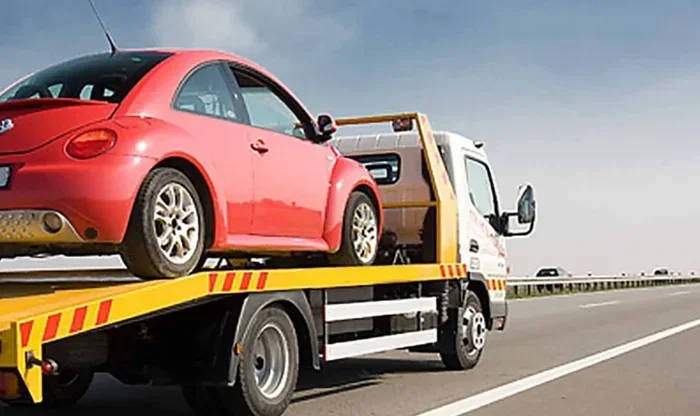
Does Full Coverage Car Insurance Cover Towing Costs
Full coverage car insurance does not automatically include towing coverage. Most standard full coverage policies combine comprehensive and collision insurance, but towing is typically a separate add-on or roadside assistance benefit. Understanding what your policy covers can save you hundreds of dollars when your car breaks down on the side of the road.
You are driving down the highway. Your engine starts making a strange noise. Then, your check engine light flickers on. You pull over to the shoulder. And now you are stuck. Your phone is in your pocket. You need a tow truck. But here is the big question: does your full coverage car insurance pay for it?
This is one of the most common questions drivers ask. And the answer is not as simple as yes or no. Many people assume that because they pay extra for full coverage car insurance, everything is taken care of. But the truth is that towing coverage works differently than you might expect. Let us break it all down so you know exactly what to expect when you are stranded on the side of the road.
Knowing your insurance policy inside and out can save you from unexpected bills. A flatbed tow truck can cost anywhere from $75 to $300 or more depending on where you are and how far you need to go. Without the right coverage, that bill lands squarely on your shoulders. So let us walk through everything you need to know about towing coverage and full coverage car insurance.
Key Takeaways
- Full coverage does not mean towing coverage: Full coverage refers to comprehensive and collision insurance, not roadside services.
- Towing is usually an add-on: You often need to purchase roadside assistance or towing coverage separately.
- Towing reimbursement varies by policy: Most plans cover a set dollar amount per tow, typically between $50 and $150.
- Check your policy details: Not all towing services are covered equally, and distance limits may apply.
- AAA and insurance add-ons both help: You can get towing coverage through your insurer or a third-party membership.
- Filing a towing claim may affect your premium: Some claims can lead to higher insurance rates.
- Read the fine print: Understanding exclusions and limits prevents surprises when you need help most.
📑 Table of Contents
- What Does Full Coverage Car Insurance Actually Mean?
- Does Full Coverage Car Insurance Cover Towing?
- What Towing Services Are Typically Included?
- How Much Does Towing Cost and What Does Insurance Pay?
- Common Mistakes People Make With Towing Claims
- How to Make Sure You Have Towing Coverage
- Expert Insights on Towing and Car Insurance
- Key Takeaways
- Conclusion
What Does Full Coverage Car Insurance Actually Mean?
The term full coverage car insurance is one of the most misunderstood phrases in the insurance world. People hear it and assume it means everything is covered. But that is not the case. Full coverage is not a single policy. It is a combination of different types of insurance working together.
When most people say they have full coverage, they mean they carry both comprehensive insurance and collision coverage. These two types protect your vehicle in different situations. But neither one was designed to cover roadside services like towing.
Comprehensive Insurance
Comprehensive insurance covers damage to your car from events that are not collisions. This includes theft, vandalism, fire, flooding, and falling objects. If a tree falls on your car during a storm, comprehensive insurance helps pay for repairs. But it does not cover a flat tire or a dead battery on the highway.
Collision Coverage
Collision coverage pays for damage to your vehicle after an accident. If you rear-end another car or hit a guardrail, collision coverage kicks in. It helps repair or replace your vehicle. But again, it does not include roadside help like emergency roadside service or towing.
So if neither comprehensive nor collision covers towing, what does? That is where things get interesting. Keep reading to find out.
Does Full Coverage Car Insurance Cover Towing?
The short answer is: it depends. The long answer is a bit more complicated. Full coverage car insurance on its own does not automatically include towing. However, many insurance companies offer towing and roadside assistance as an optional add-on. Some policies also include it by default.
Here is the key distinction you need to understand. Full coverage refers to the types of damage your policy covers for your vehicle. Towing is a service, not a type of vehicle damage. So the two are separate even though they often come from the same insurer.
When Towing Is Included in Your Policy
Some insurance carriers bundle roadside assistance into their standard packages. This is more common than you might think. Companies like Progressive, State Farm, and Allstate often offer towing as part of their roadside help packages. But this is usually an add-on you must select when you purchase your policy.
If you did not specifically choose a roadside assistance package, there is a good chance your full coverage policy does not include towing. The best way to find out is to call your insurance agent or check your policy documents online.
When Towing Is Not Covered
There are many situations where towing falls outside your insurance policy. If you only carry the state-required minimum liability coverage, towing is definitely not included. Even with comprehensive and collision, towing is not guaranteed unless you added it.
Also, if your car breaks down due to normal wear and tear, most policies will not cover the tow. For example, if your transmission fails because of old age, that is not a covered event. Insurance covers sudden and unexpected events, not maintenance issues.
What Towing Services Are Typically Included?
If you do have a roadside assistance package or a towing add-on, you might wonder what exactly is covered. The answer varies by insurer and by the specific plan you purchased. But here are the most common services included in towing coverage.
Basic Towing Service
This is the most common coverage. If your car breaks down and cannot be driven, a basic towing add-on will pay for a flatbed tow truck to take your vehicle to the nearest repair shop. Most plans limit the tow distance. Common limits are 5 miles, 15 miles, or 25 miles. If your repair shop is farther away, you may have to pay the difference out of pocket.
Roadside Help Beyond Towing
Many roadside assistance packages include more than just a tow. Here are services that are often bundled together:
- Lockout service: If you lock your keys in the car, a locksmith can help you get back in.
- Jump start service: A dead battery does not have to ruin your day. A jump start gets you back on the road.
- Tire change service: A flat tire is no match for roadside help. They will swap your tire for you.
- Fuel delivery: If you run out of gas, some plans will deliver fuel to your location.
- Winch service: If your car gets stuck in mud or snow, a winch can pull it free.
Towing Reimbursement vs. Direct Service
Some insurance plans work differently when it comes to towing reimbursement. With direct service, the insurance company coordinates the tow and pays the tow truck company directly. With reimbursement, you pay the tow truck bill upfront and then submit a claim to your insurer for repayment.
The reimbursement method can be a hassle. You might have to pay the full tow cost before getting any money back. Direct service is almost always the better option. Check your insurance policy to see which method applies to you.
How Much Does Towing Cost and What Does Insurance Pay?
Understanding the cost of towing helps you see why having towing coverage matters. The average cost of a tow in the United States ranges from $75 to $150 for a standard passenger vehicle. But that number can jump significantly depending on several factors.
Factors That Affect Towing Costs
- Distance: The farther your vehicle needs to travel, the more you pay. Long-distance tows can cost $300 to $500 or more.
- Time of day: Towing at 2 a.m. or on a holiday often costs more due to after-hours surcharges.
- Vehicle type: Larger vehicles like trucks and SUVs cost more to tow than compact cars.
- Location: Towing in a remote area or on a busy highway can add special fees.
- Special equipment: If your vehicle requires a flatbed or specialized trailer, the cost goes up.
What Your Insurance Typically Pays
Most towing reimbursement plans cover a set dollar amount per incident. This is usually between $50 and $150. If your tow costs $120 and your coverage limit is $100, you pay the remaining $20. Some policies also cap the number of tows you can file per year, often at two or three.
Keep in mind that filing a towing claim could potentially affect your insurance premium. Unlike collision or comprehensive claims, towing claims are usually small and may not trigger a rate increase. But it is always worth asking your agent before you file.
Comparison: Towing Coverage Options
| Coverage Type | What It Includes | Typical Cost | Who Offers It |
|---|---|---|---|
| Insurance Towing Add-On | Basic tow, sometimes jump start and lockout | $20 to $50 per year | Your car insurance company |
| AAA Plus or Premier | Towing up to 100 or 200 miles, plus many roadside services | $100 to $180 per year | AAA membership |
| Credit Card Roadside Assistance | Basic towing, limited services | Free (with card ownership) | Credit card companies |
| Standalone Roadside Plans | Towing and various roadside services | $50 to $150 per year | Third-party providers |
As you can see, there are many ways to get roadside help. Your full coverage car insurance is just one option. Comparing all available choices helps you find the best fit for your needs and budget.
Common Mistakes People Make With Towing Claims
Even when you have towing coverage, mistakes can cost you money. Here are some of the most common errors drivers make when dealing with a roadside breakdown.
Calling Any Tow Truck Without Checking Your Policy
This is the number one mistake. Not every tow truck company works with your insurance provider. If you call a random company and pay out of pocket, you might not get reimbursed. Always check your policy for a list of approved or in-network towing providers. Some roadside assistance packages include a hotline you can call for pre-approved service.
Assuming All Towing Is Covered
Just because you have a towing add-on does not mean every tow is covered. If you need a long-distance tow to get home or to a repair shop far away, your policy may not cover the full cost. Also, if your car is parked and gets towed by the city for illegal parking, that is usually not covered by your insurance policy.
Not Reading the Fine Print
Every insurance policy has limits and exclusions. Some plans only cover towing to the nearest repair shop, not your preferred mechanic. Others limit the number of service calls per year. Reading the details now can prevent frustration later when you actually need help.
Failing to Document Everything
If you need to file a towing claim for reimbursement, keep all your receipts and documentation. Take photos of your vehicle, the tow truck, and the repair shop. Write down the date, time, and cost of the service. Without proper documentation, your claim could be denied.
Using Towing Coverage for Minor Issues
Some drivers use their towing benefit for small issues that could be handled more cheaply. For example, calling a tow truck because you locked your keys in the car when a locksmith would have been faster and cheaper. Think carefully before you call. Sometimes a simple solution saves your towing benefit for a real emergency.
How to Make Sure You Have Towing Coverage
The best time to figure out your towing coverage is before you need it. Waiting until you are stranded on the highway is not the moment to discover your policy does not include it. Here is how to make sure you are protected.
Step 1: Review Your Current Policy
Call your insurance agent or log into your online account. Look for any mention of roadside assistance, towing, or emergency services. If you do not see it, ask directly. Sometimes these benefits are buried in the fine print.
Step 2: Ask About Add-Ons
If your current policy does not include towing, ask about add-ons. Most insurers offer roadside assistance packages for a small annual fee. This is usually the cheapest way to add towing coverage to your full coverage car insurance policy.
Step 3: Consider Alternative Options
If your insurer does not offer towing or the cost is too high, look at other options. AAA membership is one of the most popular alternatives. Many credit cards also include basic roadside assistance at no extra cost. Standalone roadside plans from companies like Allstate, GM, or Better World Club are worth exploring too.
Step 4: Understand Your Limits
Once you have towing coverage, know what it covers and what it does not. Understand the distance limits, the dollar caps, and the number of service calls allowed per year. This knowledge puts you in a much better position when an emergency happens.
Quick Tips for Roadside Emergencies
- Keep your insurance card and roadside assistance phone number in your glove box at all times.
- Pull over safely. Turn on your hazard lights and move to the right side of the road.
- Never accept a tow from an unsolicited tow truck driver at an accident scene. This is called a steering scam and it can cost you hundreds of dollars.
- If your car breaks down on a highway, stay inside the vehicle with your seatbelt on unless it is unsafe.
- Consider joining a roadside assistance program even if your insurance already includes it. Having a backup plan never hurts.
Expert Insights on Towing and Car Insurance
We spoke with several insurance experts to get their take on towing coverage and full coverage car insurance. Here is what they had to say.
“The biggest misconception we see is that full coverage means everything is covered. It does not. Towing is a separate benefit that must be added or selected. Drivers should always ask about roadside assistance when they purchase or renew their policy,” says a licensed agent with over 15 years of experience in the industry.
“Another thing we tell customers is to check whether your plan covers towing to your home or only to the nearest repair shop. If you are traveling far from home, this distinction matters a lot,” adds the expert.
The consensus among professionals is clear. Towing coverage is a small investment that can save you a lot of money and stress. It costs very little to add to your policy and provides peace of mind that is hard to put a price on.
Key Takeaways
- Full coverage car insurance does not automatically include towing. Full coverage means comprehensive and collision coverage, which protect your vehicle from damage.
- Towing coverage is typically an add-on or part of a roadside assistance package you must select separately.
- Most towing plans cover a set dollar amount per tow, usually between $50 and $150, with distance limits.
- Roadside assistance packages often include more than towing, such as lockout service, jump starts, and tire changes.
- Always check your policy before you need towing help. Knowing your coverage ahead of time prevents surprises.
- Alternative options like AAA, credit card benefits, and standalone roadside plans can fill the gaps if your insurance does not include towing.
- Document everything when filing a towing claim to ensure a smooth reimbursement process.
Conclusion
So, does full coverage car insurance cover towing? The honest answer is: not always. Full coverage is a combination of comprehensive and collision insurance that protects your vehicle from damage. Towing is a service, and it usually requires a separate add-on or roadside assistance package.
The good news is that adding towing coverage is simple and affordable. Most insurers offer roadside assistance packages for a small annual fee. This small investment can save you from a big, unexpected bill when your car breaks down. Whether you choose to add towing through your insurer, join AAA, or use a credit card benefit, the important thing is that you have a plan in place.
Take a few minutes today to review your insurance policy. Call your agent. Check your documents. Make sure you know exactly what your full coverage car insurance includes. Because when you are stranded on the side of the road at midnight, the last thing you want to worry about is whether someone is going to pay for that tow.
Being prepared is the best defense against the unexpected. And knowing your towing coverage is one of the smartest things a driver can do. Do not wait for an emergency to find out what your policy covers. Take action now and drive with confidence.
Frequently Asked Questions
Does full coverage car insurance cover towing to my home?
It depends on your specific policy. Some roadside assistance packages cover towing to your home, while others only cover towing to the nearest repair shop. Check your policy documents or call your insurance agent to confirm the towing destination allowed under your plan.
How much does it cost to add towing coverage to my car insurance?
Adding towing coverage as a roadside assistance add-on typically costs between $20 and $50 per year. The exact price depends on your insurance company, your location, and the level of coverage you choose. It is one of the most affordable insurance upgrades you can make.
Will filing a towing claim raise my insurance premium?
Most insurers do not raise your premium for a single towing claim because the amounts are small and it is considered a service benefit rather than an accident claim. However, it is always a good idea to ask your agent before filing any claim to be sure.
Can I use my credit card for roadside assistance instead of insurance towing?
Yes, many credit cards offer free roadside assistance as a cardholder benefit. However, these benefits are often limited and may not cover all types of towing or service calls. Check your credit card terms to understand what is included and what is not.
What is the difference between towing coverage and roadside assistance?
Towing coverage specifically pays for your vehicle to be towed to a repair shop. Roadside assistance is a broader package that may include towing plus other services like jump starts, lockout help, tire changes, and fuel delivery. Many insurance plans bundle both together.
Does full coverage insurance cover a tow after an accident?
If your car is disabled after an accident, your collision coverage handles the vehicle damage, but the tow itself is usually not included unless you have a separate roadside assistance add-on. Some insurers include basic towing as part of their accident response, so it is worth checking your specific policy.



One Comment