Where Are the Sensors on a Pre-Collision Assist System
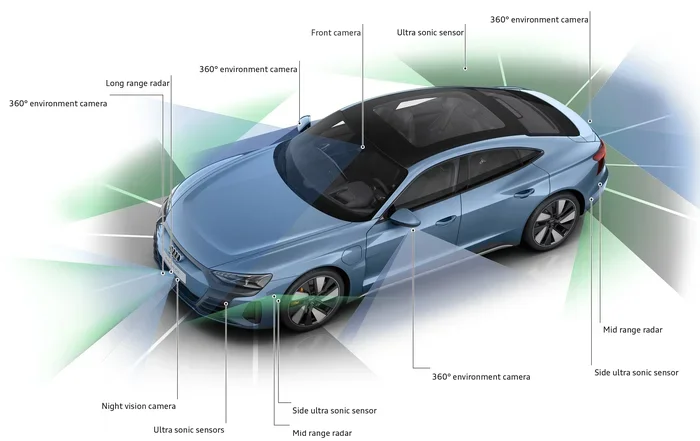
The pre-collision assist system uses multiple sensors placed on the front bumper, windshield, and rear of your vehicle to detect potential crashes. These sensors work together with cameras and radar to warn you and even apply brakes automatically. Understanding sensor placement helps you maintain and calibrate your safety features correctly.
Key Takeaways
- Front bumper sensors: The primary radar and cameras sit behind the front grille and bumper cover.
- Windshield camera: A forward-facing camera is mounted behind the rearview mirror on the windshield.
- Rear sensors: Some systems include rear-facing sensors near the taillights for 360-degree awareness.
- Sensor calibration matters: After any front-end repair, sensors must be recalibrated for proper function.
- Maintenance tips: Keep sensors clean and free of debris, snow, or damage for reliable performance.
- Brand differences: Toyota, Honda, and Ford place sensors slightly differently — always check your owner’s manual.
📑 Table of Contents
- Where Are the Sensors on a Pre-Collision Assist System?
- Front Bumper Sensors
- Windshield-Mounted Components
- Rear and Side Sensors
- How Pre-Collision Assist Technology Works
- Common Sensor Problems and How to Fix Them
- Maintenance Tips for Sensor Longevity
- Why Sensor Placement Matters for Safety
- Frequently Asked Questions
- Final Thoughts
Where Are the Sensors on a Pre-Collision Assist System?
Modern cars are smarter than ever. One of the most important safety features you will find in today’s vehicles is the pre-collision assist system. This technology helps prevent accidents or reduce their severity. But have you ever wondered where all those sensors actually live on your car?
The answer might surprise you. Collision sensors are hidden in several places on your vehicle. They sit in the front bumper, behind the windshield, and sometimes even near the rear. Each sensor has a specific job. Together, they form a network that watches the road ahead and around you.
In this guide, we will walk you through every location. We will explain how each sensor works and why placement matters. Whether you drive a Toyota, Honda, Ford, or another brand, this article covers the basics. You will walk away knowing your car’s safety system inside and out.
Let us start at the front. This is where most of the action happens.
Front Bumper Sensors
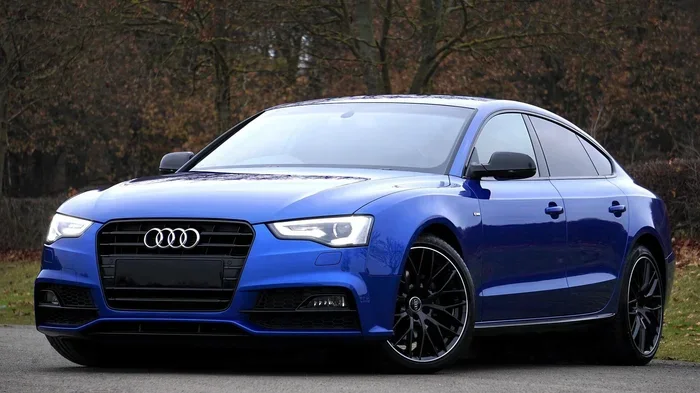
The front bumper is the most common location for pre-collision sensors. Car manufacturers hide these sensors behind the bumper cover. They are not visible from the outside. This design protects them from damage and weather.
Front Radar Sensor
Most vehicles use a front radar sensor mounted behind the front grille. This radar sends out radio waves. The waves bounce off objects ahead and return to the sensor. This process measures distance and speed.
The radar sensor is usually located in the center of the front bumper. It sits right behind the logo or the brand emblem. On some models, you may find it slightly off to one side. The exact position depends on the car brand and model.
Tip: After washing your car or hitting a pothole, check for any damage near the front grille. Even a small dent can misalign the radar sensor.
Front Camera System
Right next to the radar, many cars have a forward-facing camera. This camera is often mounted behind the windshield near the rearview mirror. It works hand in hand with the radar. The camera reads traffic signs, lane markings, and obstacles.
Some manufacturers call this the windshield camera. It is a small, discreet unit. You will not see it from the outside. But it plays a huge role in obstacle detection and accident prevention.
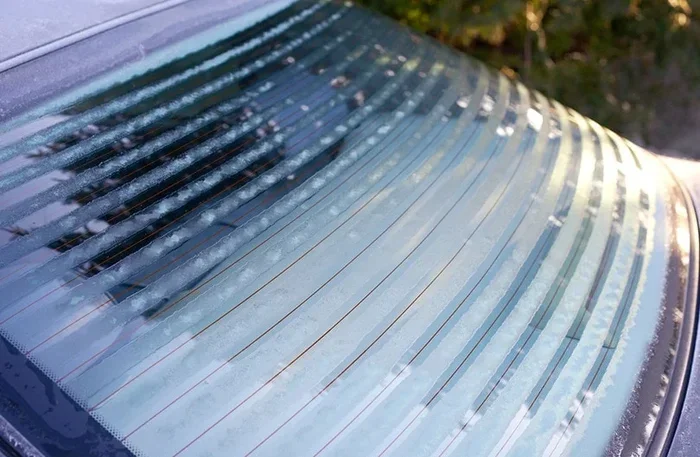
The camera needs a clear view of the road. That means dirt, snow, or fog on the windshield can interfere with it. This is why keeping your windshield clean matters more than you think.
How Front Sensors Work Together
The radar and camera share information constantly. If the radar detects a sudden slowdown ahead, it alerts the camera. The camera then confirms what the object is. Is it a car? A pedestrian? A cyclist? The system combines both inputs to make a fast decision.
This teamwork is what makes forward collision warning so effective. The system can warn you with a beep or a visual alert. In some vehicles, it even starts automatic emergency braking.
Windshield-Mounted Components
Behind the windshield, there is more going on than you might expect. The sensor placement behind the glass is critical for accuracy.
Camera Calibration and Placement
The forward-facing camera sits in a small housing behind the rearview mirror. It is typically centered on the windshield. This central position gives it the best view of the road ahead.
Calibration is essential. If the camera shifts even slightly after a windshield replacement, the system may not work correctly. Sensor calibration requires specialized equipment. Always have a certified technician handle this job.
Quick Tip: After any windshield work, ask your mechanic to check the pre-collision system. A simple recalibration can save you from a sensor malfunction later.
Other Windshield Sensors
Some vehicles also place a rain sensor or light sensor behind the glass. While these are not part of the pre-collision system directly, they support the overall safety network. They help the camera see better by triggering wipers or headlights automatically.
Rear and Side Sensors
Pre-collision assist is not just about what is ahead. Many modern systems also monitor what is behind and beside you.
Rear-Facing Sensors
Some advanced driver assistance systems include rear-facing sensors. These sit near the rear bumper or taillights. They detect vehicles approaching from behind when you are reversing or changing lanes.
The rear sensors often work with blind spot monitoring. Together, they create a safer driving experience. You get alerts for cars in your blind spots and for vehicles approaching quickly from behind.
Side and Corner Sensors
On certain models, you will find sensors embedded in the side mirrors or front fenders. These perimeter sensors help with parking and low-speed collision avoidance. They detect objects that the front sensors might miss.
These sensors are small and unobtrusive. You rarely see them, but they add an extra layer of protection. They are especially useful in crowded parking lots.
How Pre-Collision Assist Technology Works
Now that you know where the sensors are, let us talk about how they work. Understanding the technology helps you appreciate why placement matters so much.
The Detection Process
Here is a simple breakdown of how the system operates:
- The radar sensor scans the road ahead continuously.
- The camera identifies objects, lane lines, and traffic signs.
- The system calculates the distance and closing speed.
- If a crash seems likely, it sends a warning to the driver.
- If the driver does not react, the system applies the brakes.
All of this happens in milliseconds. The speed of the system is what makes it so valuable. Human reaction time is simply not fast enough in many situations.
Types of Pre-Collision Systems
Different brands use different names for similar technology. Here are a few you may have heard of:
- Toyota Pre-Collision System — Uses a front radar and camera to detect vehicles and pedestrians.
- Honda Collision Mitigation Braking System — Combines radar with a camera for forward collision warnings.
- Ford Pre-Collision Assist with Automatic Emergency Braking — Detects vehicles and crosses traffic at intersections.
- BMW Active Driving Assistant — Uses multiple sensors for comprehensive obstacle detection.
Despite the different names, the core idea is the same. Sensors detect a potential crash. The system warns you. If needed, it brakes for you.
The Role of Software
Hardware alone does not make the system work. The software is just as important. The onboard computer processes data from all sensors. It uses algorithms to predict collision scenarios. The software also learns from driving patterns over time.
Software updates can improve sensor performance. Some manufacturers push updates over the air. Others require a visit to the dealership. Either way, keeping your software up to date helps your safety system stay sharp.
Common Sensor Problems and How to Fix Them
Even the best systems can run into issues. Here are the most common problems with collision sensors and what you can do about them.
Dirty or Obstructed Sensors
The most common issue is dirt. Mud, snow, ice, or road grime can block a sensor. When the sensor cannot see clearly, the system may disable itself. You might see a warning light on your dashboard.
The fix is simple. Clean the front grille, bumper, and windshield area regularly. Use a soft cloth and gentle cleaner. Avoid high-pressure washers directly at sensor areas.
Sensor Misalignment After Repairs
If you have ever had a front-end collision or even a minor fender bender, the sensors may shift. Even a few millimeters of misalignment can affect accuracy.
This is where sensor calibration becomes critical. A technician uses specialized tools to realign the sensors. Do not drive with a misaligned system. It could mean the difference between a avoided crash and a serious accident.
Electrical and Wiring Issues
Sensors connect to the car’s computer through wiring harnesses. Over time, wires can corrode or become loose. This is especially common in older vehicles or those exposed to harsh weather.
If your pre-collision system flickers on and off, a wiring issue could be the cause. Have a professional inspect the wiring under the hood. Catching the problem early prevents bigger headaches.
Aftermarket Modifications
Adding aftermarket accessories like roof racks, bull bars, or aftermarket bumpers can interfere with sensors. These modifications can block the radar signal or camera view.
Before adding any accessories, check if they are compatible with your safety system. Some manufacturers certify specific accessories. Others may void your safety features if you install unapproved parts.
Maintenance Tips for Sensor Longevity
Taking care of your sensors extends their lifespan and keeps your safety system running strong. Here are some practical steps you can follow.
Regular Cleaning Routine
Make it a habit to clean the front bumper area every time you wash your car. Pay special attention to the grille and camera area near the windshield. A quick wipe-down takes only a few minutes but makes a big difference.
Check for Damage After Accidents
Even a minor parking lot bump can knock a sensor out of alignment. After any accident, no matter how small, get the sensors checked. Many shops offer free alignment checks after minor collisions.
Keep Software Updated
Check with your dealer about available software updates. These updates often improve sensor accuracy and system response time. They are usually free and quick to install.
Watch for Warning Lights
Your dashboard is your best friend here. If you see a pre-collision warning light, do not ignore it. The light means the system has detected an issue. Address it promptly to keep your safety features active.
Why Sensor Placement Matters for Safety
The placement of pre-collision sensors is not random. Engineers spend countless hours deciding exactly where each sensor goes. The goal is maximum coverage with minimum blind spots.
Front sensors are angled slightly inward. This design helps detect objects directly ahead and slightly to the sides. The windshield camera looks straight ahead with a wide field of view. Together, they cover a large area of the road.
Rear sensors complement the front ones. They give you a full picture of your surroundings. This 360-degree awareness is what makes modern driver assistance systems so effective.
When sensors are in the right place and working correctly, the system can react faster than any human. It can brake before you even realize there is danger ahead. That is the power of well-placed sensors.
Frequently Asked Questions
Can I drive with a pre-collision sensor warning light on?
You can drive, but you should not. The warning light means the system may not work properly. Have the sensors inspected as soon as possible. Driving without a functioning safety system puts you at greater risk.
How often should pre-collision sensors be calibrated?
Calibration is typically needed after any front-end repair, windshield replacement, or sensor-related accident. There is no set schedule for routine calibration. However, if you notice warning lights or erratic behavior, get the system checked right away.
Does cleaning the sensors really make a difference?
Absolutely. Dirt, snow, and mud can block radar and camera signals. A simple cleaning routine keeps the sensors working at their best. Most sensor-related warnings go away once the sensors are clean.
Are pre-collision sensors covered under warranty?
Most manufacturers cover sensors under the vehicle’s bumper-to-bumper warranty. However, damage from accidents or neglect may not be covered. Check your specific warranty terms for details on sensor coverage.
Can aftermarket sensors be added to older vehicles?
Yes, aftermarket pre-collision systems are available for many older vehicles. These aftermarket kits include sensors and cameras that can be installed professionally. However, they may not integrate as seamlessly as factory-installed systems.
What happens if a sensor gets replaced after an accident?
After replacement, the new sensor must be calibrated. Calibration ensures the sensor aligns correctly with the rest of the system. Skipping this step can lead to false warnings or system failure. Always have a certified technician perform the calibration.
Final Thoughts
Your car’s pre-collision assist system is one of the most important safety features you have. The sensors that power this system are carefully placed in the front bumper, behind the windshield, and around the vehicle. Each sensor plays a vital role in detecting potential crashes and keeping you safe.
Understanding where these sensors are located helps you take better care of your vehicle. It also helps you respond correctly when something goes wrong. Regular cleaning, prompt repairs, and proper calibration go a long way in keeping your safety system in top shape.
Next time you get behind the wheel, take a moment to appreciate the technology working silently to protect you. The collision sensors may be hidden from view, but their impact on your safety is unmistakable. Stay safe, stay informed, and keep those sensors clean.