Car Key Not Turning in Ignition Common Reasons and Fixes
A car key not turning in ignition is a common problem with simple solutions. Most often, a locked steering wheel or a dead key fob battery is to blame. This guide walks you through the top reasons and fixes you can try right now.
You’re standing by your car, coffee in hand, ready for the day. You insert the key and turn it. Nothing happens. The engine stays silent. A car key not turning in ignition can ruin your morning in seconds.
This problem isn’t just annoying. It can leave you stranded or late for work. The good news is that most causes are simple and fixable. You don’t need a mechanic for every situation. Understanding why your car key not turning in ignition happens is the first step to a quick fix.
In this guide, we’ll walk through the most common reasons your key won’t turn. We’ll cover steering wheel locks, dead key fob batteries, worn keys, and faulty ignition switches. You’ll learn simple fixes you can try right now and know when to call for help.
Key Takeaways
- Steering wheel lock is the most common culprit: A locked steering column can prevent the key from turning.
- A dead key fob battery can mimic ignition failure: Replace the battery to restore communication.
- Worn or damaged keys often cause sticking: Get a duplicate key cut from a spare.
- Ignition switch wear requires professional attention: Don’t force the key; seek repair.
- Debris in the ignition cylinder can jam the key: Clean it carefully or use compressed air.
- Try the shake and turn trick: Gently wiggle the steering wheel while turning the key.
📑 Table of Contents
Why Your Car Key Won’t Turn in the Ignition
Several things can stop a key from turning. The cause is usually mechanical or electrical. Let’s look at the most common ones.
The Steering Wheel Lock Is the Usual Suspect
When you turn off the car, the steering wheel locks up as a security feature. This can put pressure on the ignition lock cylinder. The key feels stuck, and you can’t turn it. You might think the key is broken, but it’s just the steering column. The fix is simple. Gently wiggle the steering wheel left and right while trying to turn the key. Often, this releases the lock. This is the first thing to try when your car key not turning in ignition happens.
Quick Tip: Always turn the steering wheel slightly before removing the key. This prevents the lock from engaging tightly.
Dirt and Debris in the Ignition Cylinder
Over time, dust, lint, and crumbs can get inside the ignition. This gunk can prevent the key from sliding in or turning properly. You might notice the key feels gritty. A quick blast of compressed air can clear it out. Avoid using liquids. If the key is already stuck, don’t force it. A little patience goes a long way.
Common Mistake: Never use WD-40 or oil inside the lock. These attract more dirt and can gum up the mechanism. Use a dry graphite lubricant if needed.
Dead Key Fob Battery and Push-Button Systems
Many modern cars use a push-button start and a key fob. If the fob battery dies, the car might not recognize the key. You press the button, and nothing happens. This feels exactly like a car key not turning in ignition, even though there’s no physical key to turn.
How a Dead Key Fob Battery Mimics Ignition Failure
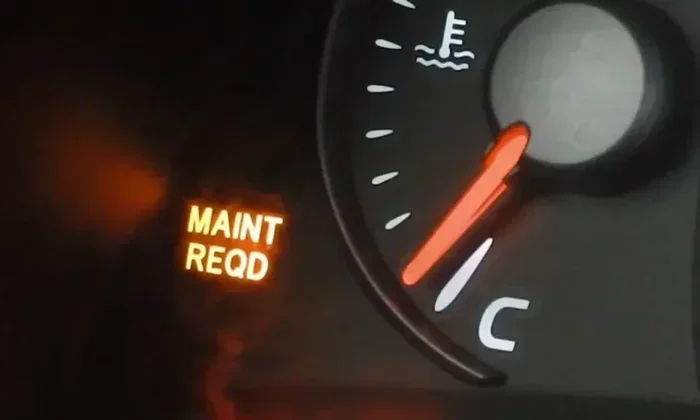
A dead key fob battery is one of the sneaky reasons your car key not turning in ignition happens. If your key fob battery is dead, the car’s computer can’t communicate with the fob. The system thinks no key is present, so it won’t engage the ignition. You might also notice the dashboard warning light. Replacing the battery often solves the problem instantly. Keep a spare battery in your glove box.
Expert Insight: Most key fob batteries last 2–3 years. Set a reminder to replace yours proactively. A weak battery often causes intermittent starting problems before it dies completely.
Starting a Keyless Car Without a Key When the Fob Dies
Don’t panic. Most keyless cars have a backup method. You can often start the car by placing the dead fob directly on the start button or in a specific spot. Some models require you to hold the fob against the ignition ring. Learn how to start a keyless car without a key in our dedicated guide. Even with a dead fob, you might still be able to drive your car using the backup procedure. Check your owner’s manual for the exact steps.
Quick Tip: Every car brand has a slightly different backup start location. Toyota, Honda, and Ford all place the fob in different spots. Knowing yours can save you from a long walk home.
Worn Keys and Ignition Cylinder Damage
Keys wear out over time. The teeth get shiny and smooth. A worn key can’t properly engage the tumblers inside the ignition. You might feel the key slide in but not catch. If you have a spare key that’s less worn, try it. That can confirm the problem.
Recognizing a Worn or Damaged Key
Look closely at your key. Are the teeth shiny or rounded? A worn key is a common cause of a stuck ignition. The metal has been rubbed down over thousands of uses. You can get a duplicate key cut from a spare. If you don’t have a spare, a locksmith can make one from the VIN. Always keep a spare key in a safe place.
Common Mistake: Don’t try to force a worn key deeper into the lock. This can snap it off inside the cylinder. A broken key inside the lock is a much bigger repair.
When to Replace the Ignition Cylinder
If the key is fine but the lock is worn, the cylinder itself might be damaged. Forcing a worn key can break it inside the lock. That’s a worse problem. A locksmith can replace the ignition cylinder. They can also cut a new key on the spot. This is a quick repair that prevents future headaches.
Quick Tip: Ask the locksmith to rekey the entire ignition if the cylinder is old. This ensures the new key works smoothly and the old key no longer fits.
Faulty Ignition Switch: The Electrical Culprit
The ignition switch is the electrical part behind the lock cylinder. When it fails, you might get no response at all. The dashboard lights might flicker. The car might stall while driving. A faulty switch can cause the key to feel like it’s stuck, even if the lock is fine.
Symptoms of a Bad Ignition Switch
Watch for these signs:
- The dashboard lights flicker or go dark.
- The car stalls while driving and won’t restart.
- The key turns but the engine doesn’t crank.
- You need to wiggle the key multiple times to start.
- The accessory power works but the engine won’t turn over.
If you notice these, the ignition switch is likely the problem. It’s an electrical issue that needs proper diagnosis.
Ignition Switch Recall and Common Fixes
Some car models have ignition switch recalls. Check if your vehicle is affected. A simple fix might be a software update. For mechanical failures, the switch needs replacement. This is a job for a professional. Don’t try to repair the switch yourself unless you have electrical experience.
Expert Insight: Ignition switch failures can be dangerous if the car stalls at speed. If you notice any stalling symptoms, address them immediately. A working ignition switch is critical for safe driving.
Quick Fixes and Preventive Tips
The Shake and Turn Method
This is the most common DIY fix for a stuck key. Put the car in park. Gently wiggle the steering wheel back and forth. At the same time, try to turn the key. The combination of movements often releases the lock pin. It works because the steering lock mechanism is the usual suspect. This trick solves the problem 80% of the time.
Quick Tip: Apply gentle, steady pressure. Jerking the key can damage the lock pins inside.
Common Mistakes to Avoid
Don’t use pliers to force the key. Don’t apply too much pressure. Don’t use grease or oil inside the lock. These can make things worse. Don’t ignore the problem. A stuck key can lead to a broken key inside the cylinder. Here are some quick tips to keep your ignition healthy:
- Turn the steering wheel gently while turning the key.
- Use the spare key to test if the original is worn.
- Check the gear selector is in Park or Neutral.
- Keep the key fob battery fresh with regular replacements.
- Avoid hanging heavy keys on the ignition.
- Clean the keyhole with compressed air every few months.
When to Call a Professional
Expert Insights on Ignition Repairs
If the basic fixes don’t work, it’s time to call a pro. A mechanic can diagnose electrical issues with a scan tool. They can extract a broken key safely. They can replace the entire ignition assembly. Trying to drill out a broken key yourself can destroy the lock. A professional has the right tools and experience. Car key not turning in ignition problems are almost always solvable with the right help.
Here’s a quick comparison of DIY fixes versus professional help:
| Fix | Difficulty | Cost | When to Use |
|---|---|---|---|
| Steering wheel wiggle | Easy | Free | Key stuck after parking |
| Replace key fob battery | Easy | $5–$10 | Push-button start, no response |
| Compressed air cleaning | Easy | $5 | Key feels gritty |
| New key cut | Medium | $20–$50 | Worn key teeth |
| Ignition switch replacement | Hard | $150–$300 | Electrical failure symptoms |
| Ignition cylinder replacement | Hard | $200–$400 | Broken key in lock |
This table shows that simple fixes cost little and save time. Always try the easy solutions first.
Conclusion
A car key not turning in ignition is almost always a solvable problem. Start with the simple checks: the steering wheel lock, the key fob battery, and the gear selector. If those don’t work, look at the key itself and the ignition switch. Most fixes take just a few minutes. Share this guide with a friend who’s facing the same issue. A little knowledge can save you a lot of stress.
Frequently Asked Questions
Why won’t my car key turn in the ignition at all?
The most common reason is a locked steering wheel. Gently wiggle the wheel left and right while turning the key. This releases the lock pin and allows the key to turn. If that doesn’t work, check the gear selector is in Park.
Can a dead key fob battery cause a key not to turn?
Yes, especially in push-button start cars. A dead fob battery means the car can’t detect the key. The ignition system stays inactive. Replace the battery in the key fob to restore communication.
How do I know if my ignition switch is bad?
Look for flickering dashboard lights, stalling while driving, or the key turning but the engine not cranking. These are classic signs of a faulty ignition switch. A mechanic can test it with a multimeter.
Should I use WD-40 on a stuck ignition key?
No. WD-40 and other oils can attract dirt and make the problem worse. Use compressed air to blow out debris. If lubrication is needed, use a dry graphite lubricant specifically made for locks.
What should I do if the key breaks off in the ignition?
Don’t panic. Try to extract the broken piece with needle-nose pliers if it’s sticking out. If it’s stuck inside, call a locksmith. Drilling can damage the ignition cylinder and lead to expensive repairs.
Can I drive my car with a key that won’t turn?
Not if the key can’t engage the ignition. However, if your car has a keyless start and the fob battery is dead, you can often still drive using the backup start method. Check your owner’s manual for the exact procedure.