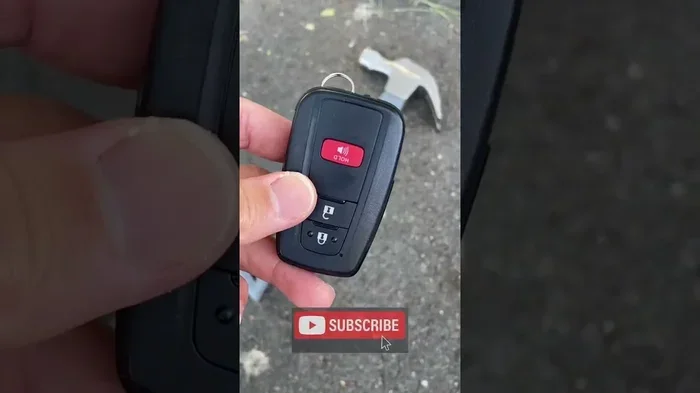
What Happens If My Key Fob Dies And I Get Locked Out
What happens if my key fob dies and I get locked out? It can be a stressful moment, but there are several reliable solutions. A dead key fob means your car may not recognize the signal, leaving you stranded. However, most modern vehicles include a backup key or a hidden physical key slot. Understanding key fob battery replacement and emergency key options can save you time and money. This guide walks you through every step to handle a lockout situation like a pro.
You walk toward your car after a long day. You press the unlock button on your key fob. Nothing happens. You press it again. Still nothing. Your heart sinks as you realize your key fob battery has died, and your car doors are locked tight.
This scenario happens to drivers every single day. A dead key fob can turn a simple trip home into a frustrating experience. Whether you drive a sedan, SUV, or truck, what happens if my key fob dies is a question more people should know the answer to. The good news is that you are not completely helpless. There are multiple ways to handle this situation, and most of them are easier than you think.
In this guide, we will walk you through everything you need to know about a key fob not working scenario. From quick emergency fixes to long-term prevention, we cover it all. You will learn how to start your car with a dead fob, when to call for help, and how to avoid getting into this situation in the first place.
Key Takeaways
- Most cars have a backup plan: hidden key slots or mechanical keys help you start the vehicle even with a dead key fob.
- Key fob battery replacement is simple, cheap, and something you can do at home in minutes.
- Recognizing early warning signs like reduced range prevents unexpected lockouts.
- Roadside assistance and locksmith services are reliable options when you are truly stuck.
- Preventive habits like carrying a spare battery and replacing the fob battery on schedule keep you ahead of problems.
- Push button start systems have specific workarounds that every driver should know.
- Understanding your car’s immobilizer system helps you troubleshoot effectively when the key fob signal fails.
📑 Table of Contents
- What Happens When Your Key Fob Battery Dies?
- How to Start Your Car With a Dead Key Fob
- Key Fob Battery Replacement: A Step-by-Step Guide
- Common Warning Signs Your Key Fob Is About to Die
- What To Do When You Are Already Locked Out
- Preventing Key Fob Battery Failure
- Key Fob Troubleshooting: When Replacement Does Not Fix the Problem
- How the Immobilizer System Works With Your Key Fob
- Common Mistakes People Make When Their Key Fob Dies
- Expert Insights: What Automotive Professionals Recommend
- Key Takeaways
- Conclusion
What Happens When Your Key Fob Battery Dies?
The moment your key fob battery dies, your car loses its wireless connection to the fob. This means the key fob signal can no longer reach the car’s immobilizer system. The immobilizer is a security feature that prevents your car from starting unless it detects the correct signal from your fob.
When the key fob dies, here is what typically happens:
- Lock buttons stop working: You cannot lock or unlock your doors remotely.
- Push button start fails: If your car uses a push button start system, it will not recognize the fob and the engine will not turn on.
- Trunk release may fail: Some vehicles will not open the trunk through the fob either.
- Alarm system may trigger: In some cases, the car may not arm or disarm properly.
The severity of these issues depends on your vehicle model and year. Older cars with mechanical keys offer a simple fallback. Newer vehicles with smart key systems may have hidden backup slots that many drivers do not even know about.
How Do Car Manufacturers Design for This?
Car makers know that key fob battery life is limited. Most key fob battery life spans one to three years depending on usage. To account for battery failure, manufacturers build in redundancy. This means your car has a secondary way to work even when the fob is completely dead.
Some vehicles have a mechanical key blade hidden inside the fob itself. You pop out the blade and use it to physically unlock the driver’s door. Other cars place a key fob signal antenna inside the cup holder or center console. If you place the dead fob against this spot, the car may still read the chip inside and allow you to start the engine.
This design approach shows how seriously automakers take the lockout situation. They understand that drivers cannot always predict when a battery will die. That is why building in a backup method is standard across most modern vehicles.
How to Start Your Car With a Dead Key Fob
Knowing how to start your car when what happens if my key fob dies becomes a real problem is essential. The method varies by vehicle, but most cars follow one of several proven approaches.
Method 1: Use the Hidden Mechanical Key
Most key fobs contain a small metal key blade hidden inside the plastic casing. Look for a tiny button or slider on the side of the fob. Press it, and the blade slides out. Use this key to unlock the driver’s door manually.
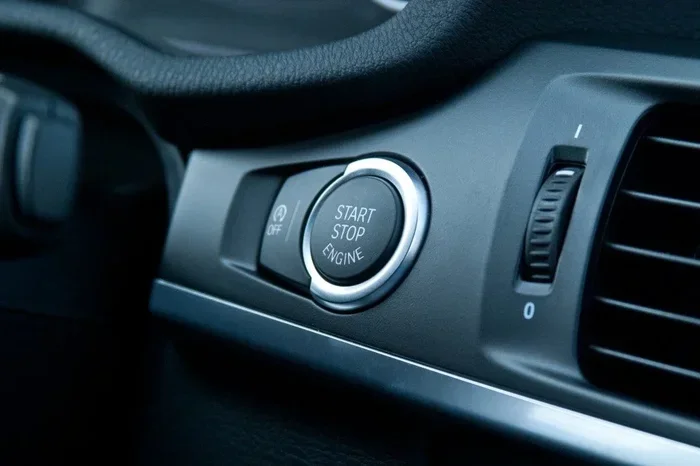
Once inside, place the dead fob directly against the start button or the ignition area. Many cars have a backup reader in these spots. The car can read the chip inside the fob even without a working battery. Press the push button start as normal, and the engine should turn over.
Method 2: Place the Fob on the Antenna Zone
Modern vehicles with smart key systems often have a dedicated antenna zone. This is usually located on the center console, the steering column, or the cup holder area. Check your owner’s manual to find the exact spot for your car model.
Place the dead fob flat against this zone and press the start button. The car’s transponder key chip communicates through the fob housing. Even without battery power, the chip sends a low-frequency signal that the car can detect.
Method 3: Use a Spare Key Fob
If you have a backup key fob, this is the easiest solution. Keep a spare fob in your glove box, at home, or with a trusted family member. A spare key fob battery replacement is also a good idea to keep on hand at all times.
The spare fob should work perfectly even if your primary fob is completely dead. This is why experts always recommend carrying a second fob or at least knowing where your spare is stored.
Key Fob Battery Replacement: A Step-by-Step Guide
Replacing the battery in your key fob is one of the simplest car maintenance tasks you can do. Most fobs use a common CR2032 battery, which costs just a few dollars at any convenience store or pharmacy.
What You Need
- A CR2032 battery (or check your owner’s manual for the exact type)
- A small flathead screwdriver or coin
- A clean, flat workspace
Steps to Replace the Battery
- Locate the seam on your key fob. Most fobs have a small gap along the edge.
- Insert the screwdriver or coin into the seam and gently twist to pop open the back cover.
- Remove the old battery and note which side faces up. Take a photo if needed.
- Insert the new battery with the correct orientation. The positive side usually faces up.
- Snap the fob back together until you hear it click into place.
- Test the fob by standing near your car and pressing the unlock button.
This entire process takes less than five minutes. It is a great key fob troubleshooting step that solves the problem in most cases. If replacing the battery does not fix the issue, the fob itself may need key fob reprogramming or replacement.
How Often Should You Replace the Battery?
A good rule of thumb is to replace your key fob battery every two years. However, if you notice the key fob range getting shorter, do not wait. Weak signal strength is one of the clearest key fob not working warning signs. Addressing it early prevents a complete lockout situation.
Common Warning Signs Your Key Fob Is About to Die
You do not always get sudden warning when a key fob battery is dying. However, most fobs give you subtle clues well before they stop working completely. Recognizing these signs early can save you from an unexpected lockout situation.
Warning Sign 1: Reduced Range
You used to unlock your car from 30 feet away. Now you have to stand right next to the door. This drop in key fob range is one of the first indicators that the battery is weakening. The signal simply does not travel as far when power is low.
Warning Sign 2: Intermittent Operation
If the lock button works sometimes but not others, the battery is on its way out. Intermittent operation means the battery cannot maintain a consistent signal. This is a clear signal to replace it soon.
Warning Sign 3: Dashboard Warning Light
Many modern vehicles display a warning on the dashboard when the key fob battery is low. Look for a key icon or a battery symbol on your instrument cluster. If you see this, do not ignore it. Replace the battery right away.
Warning Sign 4: Slow Response
When you press the button and there is a noticeable delay before the car responds, the fob battery may be dying. A healthy fob responds almost instantly. Any lag is worth investigating.
What To Do When You Are Already Locked Out
Sometimes, despite your best efforts, what happens if my key fob dies catches you off guard. You are standing outside your locked car with no working fob in hand. What do you do now?
Stay Calm and Assess Your Options
Panic does not help. Take a deep breath and think through your options. Do you have a mechanical key hidden somewhere? Do you have a spare fob in your house or office? Is there a roadside assistance plan you can call?
Call Roadside Assistance
If you have a membership with AAA, your insurance company, or your car manufacturer, call them. Most roadside assistance programs include lockout service. A professional will come to your location and help you gain access to your vehicle safely.
Contact a Licensed Locksmith
A professional locksmith can handle car locked with dead key fob situations efficiently. They have the right tools and expertise to open your car without causing damage. Many locksmiths offer 24/7 emergency services, so help is available any time of day or night.
Call Your Dealership or a Tow Truck
If none of the above options work, calling your dealership is a solid backup. They can often send a mobile service technician. Alternatively, a tow truck can transport your car to a dealer or mechanic who can help you start the vehicle with a dead key fob.
- Always keep a spare mechanical key in a safe, accessible location.
- Carry a CR2032 battery in your glove box for emergencies.
- Replace your key fob battery every two years as a preventive measure.
- Learn your car’s hidden key fob signal antenna location before you need it.
- Save your roadside assistance number in your phone contacts.
Preventing Key Fob Battery Failure
The best way to deal with a dead key fob is to prevent it from happening in the first place. A few simple habits can keep your key fob battery strong and your push button start system running smoothly.
Replace Batteries on a Schedule
Set a calendar reminder every 18 to 24 months to replace your key fob battery. Do not wait for warning signs. Proactive replacement eliminates the risk of a surprise lockout situation.
Store Your Fob Properly
Extreme temperatures drain batteries faster. Avoid leaving your fob in direct sunlight, inside a hot car, or near freezing temperatures. A cool, dry place like a jacket pocket or a dedicated fob holder works best.
Keep Spare Batteries on Hand
Stock up on CR2032 batteries at home and in your car. They are inexpensive and widely available. Having a spare ready means you can replace the battery immediately when you notice weak signal strength.
Have a Backup Plan
Keep a backup key fob or a mechanical key in a secure location. If your primary fob fails, the backup gets you home or to a service center without stress.
Key Fob Troubleshooting: When Replacement Does Not Fix the Problem
Sometimes, even after a key fob battery replacement, the fob still does not work. This can be confusing and frustrating. Here are a few reasons why your fob might still be unresponsive.
Water damage is a common culprit. If your fob has been exposed to moisture, the internal circuitry may be corroded. Inspect the fob for any signs of rust or residue inside the casing.
Worn-out buttons can also cause problems. Over time, the rubber contacts under the buttons wear down. The fob looks fine, but pressing the buttons does not complete the circuit.
Signal interference from other electronic devices can mimic a dead fob. Try moving away from large electronic equipment or other fobs and test again.
If none of these solutions work, you may need key fob reprogramming or a complete fob replacement. Your dealership or a qualified automotive locksmith can handle this for you.
How the Immobilizer System Works With Your Key Fob
Understanding your car’s immobilizer system helps you appreciate why a dead key fob causes so many problems. The immobilizer is an anti-theft feature built into your vehicle. It communicates with the transponder chip inside your key fob to verify that the correct key is being used.
When you turn the ignition or press the start button, the car sends a radio signal to the fob. The fob’s transponder chip responds with a unique coded message. If the code matches, the immobilizer disengages and the engine can start. If the fob is dead and cannot respond, the immobilizer stays active and blocks the engine.
This is why even with a dead fob, placing it against the backup reader can sometimes work. The chip inside the fob does not need battery power to transmit its unique code. It only needs to be close enough to the car’s antenna to receive and respond to the signal. This clever design is your best friend during a key fob not working emergency.
Common Mistakes People Make When Their Key Fob Dies
When drivers face a lockout situation, they often make avoidable mistakes. Here are the most common ones and how to prevent them.
- Assuming the car is completely dead: Many people think a dead fob means the car will not start at all. In reality, most vehicles have backup methods that work perfectly.
- Forgetting about the hidden mechanical key: The small blade inside the fob is easy to overlook. Check your fob now so you know how to access it.
- Ignoring warning signs: Reduced range and slow response are clues. Ignoring them leads to a complete key fob battery failure at the worst possible time.
- Using the wrong battery type: Not all fobs use a CR2032. Check your owner’s manual before purchasing a replacement battery.
- Trying to force the lock: Using improvised tools to unlock your car can cause expensive damage. Always call a professional locksmith instead.
- Not keeping a spare fob: A single fob leaves you vulnerable. A backup fob eliminates most lockout stress entirely.
Expert Insights: What Automotive Professionals Recommend
Automotive experts consistently advise drivers to be proactive about key fob maintenance. According to certified mechanics and automotive technicians, the single most important step is knowing your vehicle’s backup entry method before you need it.
“Many drivers do not realize their car has a hidden key slot or a backup antenna zone until they are standing outside a locked vehicle,” says a senior automotive technician with over 15 years of experience. “Take five minutes to read your owner’s manual and locate these features. It could save you an expensive tow truck call.”
Experts also emphasize the importance of carrying a backup key at all times. A second fob stored at home or in the office provides peace of mind. For drivers who frequently travel, keeping a spare battery in the vehicle is considered a best practice.
Key Takeaways
- Most cars have a backup plan: hidden key slots or mechanical keys help you start the vehicle even with a dead key fob.
- Key fob battery replacement is simple, cheap, and something you can do at home in minutes.
- Recognizing early warning signs like reduced range prevents unexpected lockouts.
- Roadside assistance and locksmith services are reliable options when you are truly stuck.
- Preventive habits like carrying a spare battery and replacing the fob battery on schedule keep you ahead of problems.
- Push button start systems have specific workarounds that every driver should know.
- Understanding your car’s immobilizer system helps you troubleshoot effectively when the key fob signal fails.
Conclusion
So, what happens if my key fob dies and I get locked out? The answer is that you have more options than you probably realize. From hidden mechanical keys to backup antenna zones, car manufacturers have built multiple safety nets into your vehicle. The key is knowing what those options are before you find yourself in a stressful lockout situation.
Replacing a key fob battery is easy, affordable, and something every driver can learn to do. Keeping a spare battery, a backup fob, and a mechanical key on hand takes just a little preparation but pays off big time when things go wrong. Recognizing the early warning signs of a dying fob gives you the power to act before you are stranded.
Do not wait until what happens if my key fob dies becomes your reality. Take action today. Check your fob battery, locate your backup entry method, and save your roadside assistance number in your phone. These small steps make a huge difference. Being prepared turns a potential nightmare into a minor inconvenience that you handle in minutes.
Stay ahead of the problem. Your future self will thank you the day your fob battery dies at the worst possible moment and you handle it like a total pro.
Frequently Asked Questions
Can I still start my car if the key fob battery is completely dead?
Yes, in most cases. Modern vehicles are designed with backup systems like hidden mechanical keys or signal antenna zones. Place the dead fob against the start button or the designated antenna area on your center console, and the car’s transponder chip should still allow the engine to start.
What type of battery does a key fob use?
Most key fobs use a CR2032 battery, which is a common 3-volt coin cell battery. However, some models may use different types. Check your vehicle’s owner manual to confirm the exact battery your fob requires before purchasing a replacement.
How do I know if my key fob battery is low?
Common signs include reduced unlocking range, intermittent button response, a dashboard warning light, and slow operation. If you notice any of these symptoms, replace the battery right away to avoid getting locked out unexpectedly.
Should I replace the key fob battery myself or visit a dealer?
Replacing the battery yourself is simple and takes less than five minutes. You only need a small screwdriver and a replacement battery. However, if the fob still does not work after battery replacement, a dealer or locksmith can help with reprogramming or fob replacement.
How much does a locksmith charge for a key fob lockout?
Lockout service costs vary but typically range from $50 to $150 depending on your location and vehicle type. Calling roadside assistance through your insurance or membership program may cover the cost entirely or significantly reduce the fee.
Can a dead key fob damage my car’s immobilizer system?
No, a dead key fob cannot damage the immobilizer system. The immobilizer simply remains active when it does not receive a valid signal. Once you use a working fob or the backup method, the system resets normally and functions as expected.