What Happens If You Drive Without Your Key Fob At All
Driving without your key fob can cause serious issues like engine shutdowns, security lockouts, and dashboard warnings. Modern vehicles rely heavily on key fob technology to start, lock, and secure your car. Understanding what happens when your fob fails helps you stay safe and avoid costly repairs.
You hop into your car, press the start button, and nothing happens. You look down and realize your key fob is missing. Maybe you left it at home, the battery died, or you simply forgot it somewhere. This situation happens more often than you think. Thousands of drivers face this problem every single day. The question is, what actually happens when you drive without your key fob?
Modern cars have changed dramatically over the past decade. Keyless entry and push-button start systems make life easier. But these systems also create new challenges. When your key fob is not present or not working, your car reacts in specific ways. Some reactions are minor inconveniences. Others are serious safety concerns. Understanding these reactions helps you stay safe on the road.
This article covers everything you need to know. We will explore what happens when your key fob is absent, how your vehicle responds, warning signs to watch for, and what to do about it. Whether your fob battery just died or you lost it entirely, this guide has you covered.
Key Takeaways
- Engine Shutdown Risk: Your car may stall or refuse to restart if the system cannot detect your key fob.
- Security Lockouts: Anti-theft systems activate when the fob signal is lost, potentially locking you out of key functions.
- Dashboard Warning Lights: Multiple warning indicators will alert you that the key fob signal is missing or weak.
- Battery Drain: A failing fob can drain your car battery faster than normal, leading to unexpected breakdowns.
- Backup Start Options: Many vehicles offer hidden backup methods to start the engine even without a working fob.
- Preventive Maintenance: Regular fob battery replacement and signal testing can prevent most problems before they happen.
- Replacement Costs: Knowing when to replace your fob saves money and keeps your vehicle secure.
📑 Table of Contents
What Is a Key Fob and How Does It Work?
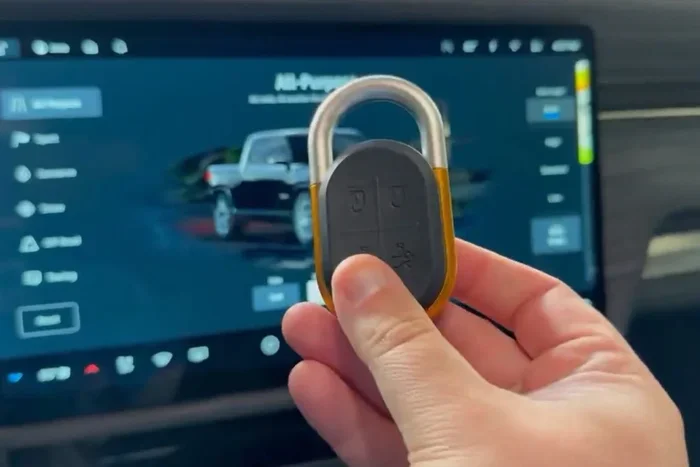
Before we dive into problems, let us understand the basics. A key fob is a small electronic device that communicates with your car. It uses radio frequency signals to send commands. These commands tell your vehicle to lock, unlock, or start the engine.
The Technology Behind Keyless Entry
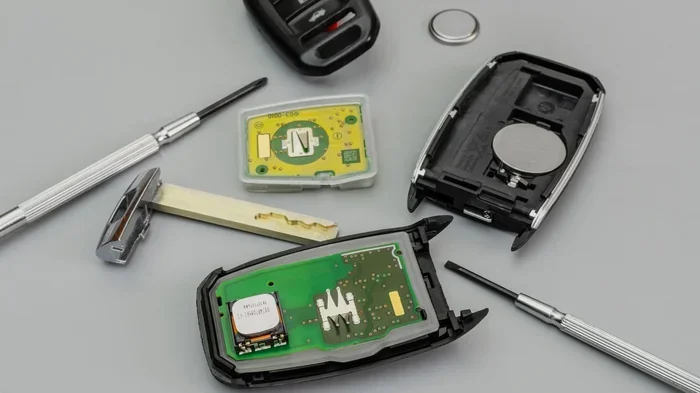
Your key fob contains a tiny computer chip. This chip sends a unique coded signal to your car’s receiver. The car recognizes this code and responds accordingly. This process happens in milliseconds. You never even notice it is happening.
Inside the fob, there is also a transponder key chip in some models. This chip works with the immobilizer system. The immobilizer prevents your car from starting without the correct fob. This is a built-in security feature. It protects your vehicle from theft.
How Push-Button Start Relies on the Fob
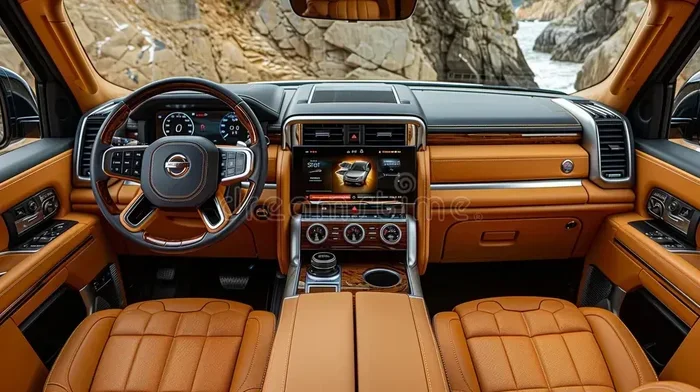
Most newer cars use a push button start system. You press the brake pedal and hit the start button. The car then checks for the key fob signal. If the signal is present, the engine starts. If it is not, the car refuses to start.
This is a security measure. The vehicle security system ensures only authorized fobs can start the engine. Without the correct signal, your car ignition stays locked. This prevents unauthorized use of your vehicle.
What Happens When You Drive Without Your Key Fob?
Now let us get to the core question. What exactly happens when you drive without your key fob? The answer depends on several factors. It matters whether the fob is completely dead, lost, or just out of range.
Immediate Engine Shutdown
One of the most serious risks is sudden engine shutdown. If your car does not detect the key fob signal while driving, the engine may cut off. This happens because the anti-theft system kicks in. The vehicle thinks someone is trying to steal it.
This is extremely dangerous. Imagine losing engine power at highway speeds. You lose power steering and power brakes. The car becomes very hard to control. This is why it is crucial to keep your key fob inside the vehicle at all times.
Dashboard Warning Lights
Before the engine shuts down, your car will usually warn you. Multiple dashboard warning lights will appear on the instrument cluster. These lights are your first line of defense.
Common warnings include:
- Key Fob Not Detected message
- Engine warning light
- Security system alert
- Battery or charging system indicator
Do not ignore these warnings. They tell you something is wrong with the key fob signal. Address the issue immediately to avoid being stranded.
Power Steering and Brakes May Fail
When the engine shuts off unexpectedly, several systems stop working. Power steering becomes very heavy. The steering wheel is hard to turn. Power brakes also lose their assist. You need much more force to stop the car.
This is why driving without your key fob is risky. You may not be able to steer or stop safely. Always keep your fob within the vehicle to prevent this scenario.
Car Battery Drain
A dead or malfunctioning key fob can drain your car battery. The vehicle keeps searching for the fob signal continuously. This constant searching uses extra power. Over time, it can weaken or kill your car battery.
If you notice your car battery dying frequently, a faulty fob might be the cause. Replacing the fob battery is a simple fix. It costs very little and takes only a few minutes.
Lockout Situations
Without a working key fob, you may face lockouts. The car doors might not unlock with the push button. The trunk might not open electronically. You could be stuck outside your own vehicle.
Some cars have a hidden mechanical key slot. This backup allows you to unlock the door manually. Check your owner’s manual to find this slot. It can save you a lot of trouble when your fob fails.
Onboard Diagnostics System Activation
Modern vehicles have an onboard diagnostics system. This system monitors all electronic components. When it detects a missing key fob signal, it logs a diagnostic trouble code. You can read these codes with an OBD2 scanner.
These codes help mechanics diagnose the problem faster. They also confirm whether the issue is with the fob or the car’s receiver. This information is valuable when seeking key replacement or repair services.
Common Warning Signs Your Key Fob Is Failing
Key fobs do not usually fail without warning. Your car gives you several signs before a complete breakdown. Recognizing these signs early helps you avoid getting stranded.
Reduced Signal Range
One of the first signs is reduced signal range. You used to unlock your car from 30 feet away. Now you need to be right next to it. This means the fob battery is weakening. The radio frequency signal is not as strong as it used to be.
Intermittent Function
If your key fob works sometimes but not others, that is a red flag. The buttons might respond inconsistently. The car might start sometimes and not other times. This intermittent behavior points to a dying battery or internal fob damage.
Multiple Button Failures
When several buttons stop working at once, the fob is likely failing. You might find that the lock button works but the trunk button does not. Or the start button responds but the unlock button does not. This pattern suggests the fob needs replacement.
Slow Response Time
A healthy fob responds instantly. If you notice delays, pay attention. It might take two or three presses to unlock the door. This slow response is an early warning sign. Replace the fob battery before it becomes a bigger problem.
Warning Messages on the Dashboard
Modern cars display specific messages when the fob is not detected. These messages appear on the dashboard warning lights cluster. Common messages include “Key Not Found” or “Check Key Fob.” Never ignore these alerts.
Can You Still Drive If Your Key Fob Dies?
The good news is that many vehicles have backup systems. These systems allow you to drive even when the fob battery dies. However, the backup methods vary by car brand and model.
Hidden Mechanical Key
Most key fobs have a hidden mechanical key inside them. You can pop open the fob casing and reveal this key. Use it to unlock the driver’s door manually. Once inside, some cars allow you to start the engine with the fob placed in a specific slot.
This slot is usually near the steering column or in the center console. Place the fob against this spot. The car’s reader will detect the internal chip. The engine should start normally. This is a lifesaver when your fob battery dies unexpectedly.
Smartphone App Backup
Some newer vehicles offer smartphone app support. You can use your phone as a digital key fob. The app connects to your car via Bluetooth or WiFi. This allows you to lock, unlock, and start the car without the physical fob.
Check if your car manufacturer offers this feature. Brands like Tesla, BMW, and Ford have robust app ecosystems. Download the app before you need it. This gives you a reliable backup option.
Emergency Start Procedures
Every vehicle has a unique emergency start procedure. Consult your owner’s manual for specific instructions. Some cars require you to press the start button with the fob pressed against it. Others need you to hold the button for several seconds.
Learning these procedures ahead of time is smart. You will not panic if it happens on the road. Practice the backup start method once or twice. This simple step builds confidence and preparedness.
How to Prevent Key Fob Problems
Prevention is always better than cure. Taking simple steps can keep your key fob working reliably for years. Here are some practical tips to follow.
Replace the Fob Battery Regularly
The most common cause of fob failure is a dead battery. Most key fob batteries last one to two years. Mark your calendar to replace the battery annually. Use the correct battery type for your fob model. CR2032 batteries are the most common type used in car fobs.
Protect the Fob from Physical Damage
Drop your fob and internal components can shift. The transponder key chip might become misaligned. Keep your fob in a protective case. Avoid placing it in tight pockets where it can get crushed. Keep it away from water and extreme heat.
Avoid Signal Interference
Certain electronic devices can interfere with your fob signal. Large metal objects, other key fobs, and electronic devices near your fob can cause confusion. Store your fob in a dedicated spot in your bag or pocket. This reduces the chance of signal interference.
Keep a Spare Fob
Always have a spare key fob available. Keep one at home and one in a safe place. If your primary fob fails, the spare gets you back on the road quickly. Spare fobs are much cheaper than emergency key replacement services.
Update Your Vehicle Software
Car manufacturers release software updates that improve fob performance. These updates fix bugs and enhance signal reliability. Visit your dealer or authorized service center for updates. This is especially important for older vehicle models.
When to Replace Your Key Fob
Sometimes the battery is not the problem. The entire fob might need replacement. Knowing when to replace your fob saves time and money.
Replace your key fob if you notice any of these signs:
- The fob is physically damaged and cannot be repaired
- Buttons are worn out and no longer respond
- The internal chip is broken and the car does not recognize it
- Water damage has corrupted the electronics
- The fob is more than five years old and unreliable
Replacement costs vary by vehicle brand. A basic fob might cost $50 to $100. Luxury vehicle fobs can cost $200 to $500 or more. Programming fees at the dealer add to the cost. Having a spare fob reduces the urgency and cost of replacement.
Also consider the anti-theft system compatibility. Your replacement fob must match your vehicle’s security protocol. The vehicle security system will not accept just any fob. Work with a qualified locksmith or dealer for proper programming.
Expert Insights
Automotive experts recommend treating your key fob like any other important vehicle component. Just like you change your oil and check your tires, you should maintain your fob regularly.
“The key fob is the brain of your car’s access system,” says automotive technician Mike Roberts. “When it fails, the entire vehicle can become unresponsive. Drivers should never wait until the fob completely dies to address the issue.”
Another expert, Sarah Chen from AutoCare Weekly, adds, “Many drivers do not realize that a weak fob battery can trigger false alarms. The car’s car alarm system might go off randomly. This is a clear sign the fob signal is weak and needs attention.”
Regular maintenance of your key fob takes just a few minutes. It prevents major headaches down the road. Make it part of your routine vehicle care schedule.
Key Takeaways
- Engine Shutdown Risk: Your car may stall or refuse to restart if the system cannot detect your key fob.
- Security Lockouts: The anti-theft system activates when the fob signal is lost, potentially locking you out of key functions.
- Dashboard Warning Lights: Multiple warning indicators will alert you that the key fob signal is missing or weak.
- Battery Drain: A failing fob can drain your car battery faster than normal, leading to unexpected breakdowns.
- Backup Start Options: Many vehicles offer hidden backup methods to start the engine even without a working fob.
- Preventive Maintenance: Regular fob battery replacement and signal testing can prevent most problems before they happen.
- Replacement Costs: Knowing when to replace your fob saves money and keeps your vehicle secure.
Conclusion
Driving without your key fob is not something to take lightly. Your vehicle depends on this small device for so many critical functions. From starting the engine to unlocking the doors, the key fob is at the center of it all.
When the fob fails or goes missing, your car reacts in specific ways. Engine shutdowns, security lockouts, and dashboard warnings are all possible outcomes. Understanding these reactions empowers you to handle the situation calmly and safely.
The best approach is prevention. Replace your fob battery regularly. Keep a spare on hand. Learn your vehicle’s backup start procedure. These simple steps keep you driving confidently.
Your key fob is more than a convenience. It is a vital part of your vehicle’s security and operation. Treat it with care, and it will serve you well for years to come. Stay prepared, stay safe, and never underestimate the power of a working key fob.
Frequently Asked Questions
Can you drive a car without a key fob at all?
It depends on your vehicle model. Most modern cars with push-button start will not start without detecting the key fob signal. However, many vehicles have backup methods like a hidden mechanical key or a specific fob placement slot that allows emergency starting. Always keep a working key fob inside the car when driving.
How far can a key fob be from the car before it stops working?
Most key fobs have a range of 30 to 60 feet. This distance varies by vehicle brand and fob condition. If the fob battery is weak, the range decreases significantly. The car’s onboard diagnostics system will alert you when the fob is out of range.
What should I do if my key fob dies while driving?
Stay calm and pull over safely. Try placing the fob directly against the start button or the designated fob slot. Many cars have a backup system that reads the fob’s internal chip even with a dead battery. Consult your owner’s manual for the specific emergency procedure for your vehicle model.
How much does it cost to replace a key fob?
Replacement costs range from $50 to $500 depending on your vehicle. Basic fobs are cheaper, while luxury or hybrid vehicles cost more. Programming fees at the dealer add extra charges. Having a spare fob reduces the urgency and can save you money on emergency replacement services.
Does driving without a key fob damage the car?
Driving without a detected key fob can cause the engine to shut off unexpectedly, which may damage the car ignition system over time. It also drains the car battery because the vehicle continuously searches for the fob signal. Repeated occurrences can lead to electrical issues and increased wear on the vehicle’s systems.
Can a locksmith help if I lose my key fob?
Yes, a qualified locksmith can program a new key fob for most vehicle makes and models. They can also help with key replacement and fob battery replacement services. Always choose a licensed locksmith experienced with your specific car brand to ensure proper vehicle security system compatibility.