Do I Have to Pay Monthly for Navigation on a New Car
Do I Have to Pay Monthly for Navigation on a New Car? The short answer is: it depends on the brand and model you buy. Many new cars come with free navigation for a limited time, while others require a monthly subscription fee to keep maps and traffic data working. Understanding your options helps you avoid surprise costs and choose the best built-in navigation system for your needs.
You just bought a shiny new car. The dealer showed you the infotainment system, and the big screen looked amazing. Then you saw the word “navigation.” And right away, a question popped into your head: do I have to pay monthly for navigation on a new car?
It is a fair question. The car industry has changed a lot in the last few years. What used to be a simple built-in feature now often comes with strings attached. Some brands give you free navigation for a few years. Others want you to pay a monthly subscription fee just to get directions. And then there are the free alternatives that work surprisingly well.
This guide breaks it all down. You will learn how car GPS subscription plans work, which brands charge what, and how to save money without giving up good directions. By the end, you will feel confident making the right choice for your wallet and your driving needs.
Key Takeaways
- Some brands charge monthly: Brands like BMW, Audi, and Mercedes often require a subscription fee for live navigation features.
- Free alternatives exist: Apple CarPlay and Android Auto offer free GPS tracking and turn-by-turn directions without any monthly cost.
- Trial periods are common: Most new cars include free navigation for 3 to 5 years before a fee kicks in.
- Offline maps save money: Downloading offline maps means you never need a data connection or subscription.
- Read the fine print: Always check the navigation cost details before signing the purchase paperwork.
- Third-party apps work great: Apps like Google Maps and Waze often outperform factory systems for free.
📑 Table of Contents
- What Is Navigation Like on a New Car Today?
- Types of Navigation Systems in New Cars
- Which Car Brands Charge for Navigation?
- Free Navigation Alternatives That Actually Work
- How to Decide What Is Right for You
- Common Mistakes Buyers Make
- Expert Insights on Car Navigation Costs
- The Future of Car Navigation
- Conclusion
What Is Navigation Like on a New Car Today?
When you buy a new car today, the navigation system is not always what it used to be. Older cars had simple map discs or built-in GPS units that worked without any internet connection. Those systems were basic but reliable. You entered a destination, and the car told you where to turn.
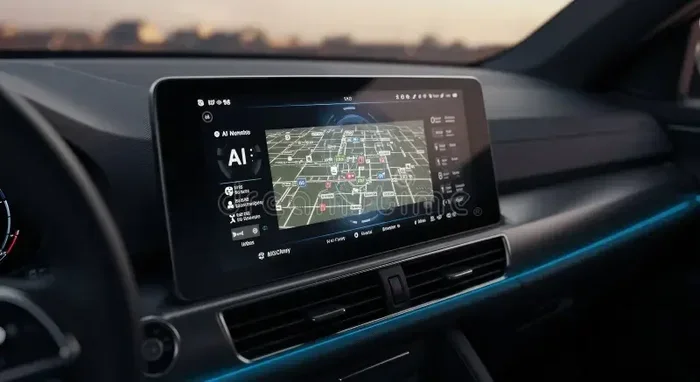
Modern new car features are very different. Today’s infotainment system connects to the internet. It pulls in real-time traffic data. It updates maps over the air. It can even suggest restaurants and gas stations along your route. All of this sounds great, but it comes with a catch: connectivity costs money.
How Built-In Navigation Works
A factory navigation system uses a built-in computer, a screen, and a GPS receiver. The GPS receiver picks up signals from satellites to figure out where you are. The computer then compares your location to digital maps stored in the system.
Here is where things get tricky. Some built-in navigation systems store all map data locally. That means no internet is needed. You get directions without paying a dime. But many modern systems rely on cloud-based data. They need a live connection to show traffic, weather, or points of interest. And that connection often requires a subscription fee.
Why Do Manufacturers Charge for Navigation?
Car makers spend a lot of money developing navigation technology. They pay for map data, traffic information, and software updates. Keeping all of that running costs money too. Servers need maintenance. Data needs to be refreshed. Customer support is needed when things go wrong.
So automakers turned navigation into a revenue stream. Instead of building the cost into the price of the car, they offer it as a recurring service. This model is called “connected car services.” It is similar to how you pay for a streaming subscription at home. The car becomes a connected device, just like your phone or tablet.
Types of Navigation Systems in New Cars
Not all navigation systems are the same. Understanding the different types helps you figure out what you are actually paying for. Here are the main categories you will encounter when shopping for a new car.
Free Built-In Navigation
Some cars come with free navigation that never requires a monthly payment. These systems store maps locally on a hard drive or flash memory. They do not need an internet connection to function. You get turn-by-turn directions just like any other GPS unit.
Brands like Toyota, Honda, and Ford have traditionally offered free navigation on many of their models. The maps may not update as often as paid systems, but they still get the job done. If you just need basic directions without traffic alerts, this type works well.
Subscription-Based Navigation
This is the type that raises the most questions. Subscription-based navigation requires a recurring payment to access full features. You might get basic maps for free, but live traffic, route optimization, and map updates cost extra.
Premium brands like BMW, Audi, and Mercedes-Benz are known for this model. Their car GPS subscription plans can range from $50 to $150 per year. Some brands charge monthly, while others bill annually. The cost depends on the brand and the features included.
Smartphone-Based Navigation
Many drivers today skip factory navigation altogether. They use their smartphone instead. Apple CarPlay and Android Auto let you mirror your phone’s navigation app on the car’s screen. Google Maps, Waze, and other apps provide excellent GPS tracking and real-time traffic data.
The big advantage? These apps are free. You do not need a car GPS subscription or any monthly fee. You just need a phone and a data plan. This option has become incredibly popular among new car buyers who want flexibility and savings.
Which Car Brands Charge for Navigation?
The navigation cost varies wildly from brand to brand. Some automakers include free navigation for the life of the vehicle. Others make you pay from day one. Here is a closer look at how different brands handle this.
Brands That Charge a Monthly Fee
Several luxury and premium brands require a monthly subscription for full navigation features:
- BMW charges for its ConnectedDrive navigation services. The navigation subscription typically costs around $100 per year.
- Audi offers its MMI navigation system with a subscription model. Some features are free for a trial period, then you pay.
- Mercedes-Benz has a similar approach. The MBUX navigation system requires a fee for real-time traffic and map updates.
- Genesis (Hyundai’s luxury brand) also uses a connected car service model with monthly fees for navigation features.
Brands That Offer Free Navigation
On the other side of the spectrum, several brands provide free navigation without any recurring cost:
- Toyota includes its Entune system with free map updates for many models.
- Honda offers a built-in navigation system with no monthly fee on most trims.
- Ford provides SYNC navigation with free map updates for the first few years.
- Chevrolet includes a basic navigation app at no extra cost on many models.
The Trial Period Trap
Many brands offer free navigation for a limited time. This is usually 3 to 5 years. After the trial ends, you must pay a subscription fee or lose access to live features. This is an important detail that many buyers overlook. Always ask the dealer exactly when the free period ends and what the cost will be afterward.
| Brand | Navigation Cost | Free Trial | After Trial |
|---|---|---|---|
| BMW | ~$100/year | 1 year | Subscription required |
| Audi | ~$80-$120/year | 3 years | Subscription required |
| Mercedes-Benz | ~$100-$150/year | 1 year | Subscription required |
| Toyota | Free | N/A | Free updates |
| Honda | Free | N/A | Free updates |
| Ford | Free (basic) | 3 years (premium) | Free basic, premium costs extra |
Free Navigation Alternatives That Actually Work
Here is the good news. You do not always need to pay for car GPS subscription services. There are several free alternatives that provide excellent GPS tracking and directions. Many of them work better than factory systems.
Apple CarPlay and Android Auto
Apple CarPlay and Android Auto are the most popular free alternatives. They connect your phone to the car’s screen and let you use familiar navigation apps. Google Maps, Waze, and Apple Maps all work through these systems.
You get real-time traffic updates, alternate route suggestions, and voice commands. And it costs nothing extra beyond your phone’s data plan. Most new cars made after 2020 support at least one of these systems.
Waze
Waze is a community-driven navigation app that is completely free. It uses data from other drivers to report traffic jams, accidents, and road hazards in real time. Many drivers prefer Waze over factory navigation because it is more accurate and always up to date.
Waze works great with Android Auto and Apple CarPlay. You get a big screen display, voice guidance, and all the benefits of a premium GPS tracking system without paying a cent.
Google Maps
Google Maps is another powerful free option. It offers turn-by-turn directions for driving, walking, cycling, and public transit. The map updates happen automatically in the background. You always have the latest roads and points of interest.
Google Maps also lets you download offline maps. This means you can navigate without any internet connection at all. It is a great feature for road trips through areas with poor cell service.
Offline Map Apps
Apps like Sygic, HERE WeGo, and MapFactor let you download offline maps directly to your phone or tablet. Once downloaded, they work without any data connection. You never need a car GPS subscription or Wi-Fi to get directions.
This is a fantastic option for drivers who travel frequently or live in areas with spotty cell coverage. The maps are detailed, the directions are clear, and the cost is zero.
How to Decide What Is Right for You
Choosing the right navigation system comes down to your driving habits and budget. Here are some factors to consider before you make a decision.
How Often Do You Travel?
If you drive the same route every day, a basic navigation system may be enough. You already know the roads. You just need occasional help with traffic or detours. In this case, a free navigation app on your phone works perfectly.
If you travel frequently to unfamiliar areas, a more robust system makes sense. A GPS tracking system with real-time traffic and map updates can save you time and stress. Just be aware of any subscription fee involved.
What Is Your Budget?
A car GPS subscription can add $5 to $15 per month to your car ownership costs. Over five years, that adds up to $300 to $900. For many drivers, that is money better spent elsewhere.
If you want to avoid navigation cost altogether, go with a brand that offers free navigation or rely on smartphone-based navigation. Both options provide excellent value without recurring fees.
Do You Need Live Features?
Live traffic updates, weather alerts, and points of interest are nice to have. But are they essential? Many drivers get by just fine with basic turn-by-turn directions and a quick glance at their phone for traffic.
Think about what features you actually use. If you rarely check traffic, you do not need to pay for a premium connected car service. Keep it simple and save your money.
Quick Tips for Saving Money on Navigation
- Always ask about the trial period. Know exactly when it ends and what happens after.
- Use Apple CarPlay or Android Auto as your primary navigation tool. They are free and work well.
- Download offline maps before trips. This keeps you covered even without a data connection.
- Check for navigation promotions. Some brands offer free navigation for the first 3 to 5 years.
- Consider buying a car with free built-in navigation. Brands like Toyota and Honda often include this at no extra cost.
- Read the contract carefully. Look for hidden navigation cost details before you sign.
Common Mistakes Buyers Make
Avoid these common pitfalls when dealing with navigation on a new car:
- Assuming all navigation is free. Many buyers sign paperwork without asking about subscription fees. Always clarify the cost before you buy.
- Ignoring the trial period. A free trial feels great until it ends and you are hit with a bill. Mark the expiration date on your calendar.
- Overlooking smartphone alternatives. Many drivers pay for factory navigation when a free phone app would work just as well.
- Not checking map update policies. Some factory navigation systems stop receiving updates after a few years. Make sure updates are included.
- Skipping the test drive for navigation. Try the system before you buy. Make sure it is easy to use and actually meets your needs.
Expert Insights on Car Navigation Costs
Industry experts agree that the trend toward connected car services is here to stay. Automakers see navigation as a way to generate ongoing revenue. As cars become more software-defined, expect more features to move behind paywalls.
“Buyers should always read the navigation section of the vehicle contract,” says automotive analyst Sarah Mitchell. “A $100 annual fee might not sound like much, but it adds up over the life of the vehicle. Many drivers are surprised to learn they are paying for something they could get for free on their phone.”
The key takeaway is simple: do your homework before you buy. Compare brands, ask questions, and explore free alternatives. You do not have to accept a monthly subscription just because it is offered.
The Future of Car Navigation
The car technology landscape is evolving rapidly. Here is what we can expect in the coming years:
- More free features: Some brands are moving toward including more navigation features at no extra cost to stay competitive.
- Better smartphone integration: Wireless CarPlay and wireless Android Auto are becoming standard, making phone-based navigation even easier.
- AI-powered directions: Future navigation systems will use artificial intelligence to predict traffic and suggest the best routes.
- Over-the-air updates: More cars will receive map updates automatically, reducing the need for dealer visits.
- Augmented reality navigation: Some brands are testing AR navigation that overlays directions directly on the road view through the camera.
As these changes unfold, the navigation cost landscape will likely shift. Buyers will have more options and more control over what they pay for. Staying informed is the best way to make smart decisions.
Conclusion
So, do I have to pay monthly for navigation on a new car? The answer is not a simple yes or no. It depends on the brand, the model, and the specific features you want. Some cars offer free navigation for life. Others require a car GPS subscription that costs money every month.
The good news is that you have options. Apple CarPlay, Android Auto, and free navigation apps give you excellent directions without any recurring fees. You can always rely on your smartphone as a backup, even if your car has a factory navigation system.
Before you buy, do your research. Ask the dealer about navigation cost and subscription terms. Read the contract carefully. And remember, you are never obligated to pay for something you can get for free. With the right approach, you can enjoy great GPS tracking and turn-by-turn directions without breaking the bank.
Take control of your navigation choices today. Your wallet will thank you tomorrow.
Frequently Asked Questions
Do all new cars require a monthly fee for navigation?
No, not all new cars require a monthly fee. Many brands like Toyota, Honda, and Ford offer free navigation with no recurring cost. Luxury brands such as BMW, Audi, and Mercedes-Benz are more likely to charge a subscription fee for full navigation features. Always check the specific model before you buy.
Can I use my phone for navigation instead of paying for built-in GPS?
Absolutely. Apple CarPlay and Android Auto let you use free navigation apps like Google Maps and Waze on your car’s screen. This is one of the best ways to avoid navigation cost entirely. You just need a phone and a data plan.
How long is the free navigation trial on a new car?
Most brands offer a free trial period of 3 to 5 years. After that, you may need to pay a monthly or annual subscription fee to keep navigation features active. Always confirm the trial length with the dealer before finalizing your purchase.
Are offline maps a good alternative to paid navigation?
Yes, offline maps are an excellent alternative. Apps like Google Maps, Waze, and Sygic let you download offline maps to your phone. Once downloaded, they work without any internet connection. You get reliable GPS tracking and directions without paying a cent.
What happens if I stop paying for my car’s navigation subscription?
If you stop paying the subscription fee, you typically lose access to live features like real-time traffic, map updates, and points of interest. Basic map display and directions may still work, but the experience will be limited. Check your specific brand’s policy for details.
Is wireless CarPlay better than built-in navigation?
For most drivers, wireless CarPlay is just as good as built-in navigation and completely free. It offers real-time traffic, turn-by-turn directions, and access to all your favorite navigation apps. It also updates automatically as your phone gets new app versions. Many drivers find it more convenient than factory systems.