Everything You Need to Know About 100 Percent Window Tint
100 percent window tint means your car windows have zero light transmission, making them completely dark. This type of automotive window film offers maximum privacy, heat rejection, and UV protection for both drivers and passengers. However, it also comes with legal restrictions, visibility challenges, and higher costs compared to lighter tint shades. In this guide, we break down everything you need to know before choosing full blackout tint for your vehicle.
Key Takeaways
- Maximum Privacy and Dark Appearance: 100 percent window tint blocks all visible light, giving your car a sleek, dark look.
- Superior UV and Heat Protection: This level of tint film can block up to 99 percent of harmful UV rays and significantly reduce cabin heat.
- Legal Restrictions Apply: Most states and countries restrict or ban 100 percent tint on front side and windshield windows.
- Higher Cost Than Standard Tint: Premium materials like ceramic and carbon films push the price above regular tint levels.
- Professional Installation Is Recommended: DIY attempts often lead to bubbles, peeling, and poor adhesion with full blackout film.
- Safety Considerations Matter: Reduced visibility at night and in poor weather can affect driving safety.
- Multiple Film Types Available: Dyed, carbon, ceramic, and metallic options each offer different performance and price points.
📑 Table of Contents
- What Is 100 Percent Window Tint?
- Benefits of 100 Percent Window Tint
- How 100 Percent Tint Compares to Other Tint Levels
- Is 100 Percent Window Tint Legal?
- How Is 100 Percent Window Tint Installed?
- Types of Film Used for 100 Percent Tint
- Common Mistakes to Avoid with 100 Percent Tint
- How Long Does 100 Percent Window Tint Last?
- How Much Does 100 Percent Window Tint Cost?
- Is 100 Percent Window Tint Worth It?
What Is 100 Percent Window Tint?
When we talk about 100 percent window tint, we are referring to a window film that blocks all visible light from passing through your car glass. In simple terms, it makes your windows completely dark. You cannot see through them from the outside, and the interior of your vehicle stays hidden from view.
But here is the thing. The name can be a little confusing. Window tint darkness is measured using something called VLT, which stands for Visible Light Transmission. VLT tells you what percentage of light can pass through the film and glass combined. So a 100 percent tint actually means zero light gets through. It is total blackout.
This is different from a 50 percent tint, which lets in half the light, or a 20 percent tint, which only allows a small amount of light through. A full blackout tint gives your car that deep, dramatic look that many car enthusiasts love. But it also comes with trade-offs you need to understand before making a decision.
The film itself is made of multiple layers. These layers include adhesives, dyes, metals, or ceramics, depending on the type of automotive window film you choose. Each layer plays a role in blocking light, heat, and ultraviolet radiation. Let us dive deeper into why people choose this level of tinting and what it can do for your vehicle.
Benefits of 100 Percent Window Tint
There are many reasons car owners choose 100 percent window tint for their vehicles. Let us look at the biggest benefits that make this option so popular.
Maximum Privacy and Security
The most obvious benefit is complete privacy. With full blackout tint, no one can see inside your car. This is a huge advantage if you carry valuables in your vehicle or simply prefer to keep your car’s interior out of sight. It also adds a layer of security because thieves cannot easily see what is inside.
Many people who live in busy cities or travel through high-traffic areas appreciate this extra privacy. You can load groceries, change clothes, or store personal items without worrying about prying eyes.
Superior UV Protection
Ultraviolet rays from the sun can cause serious damage to your skin and eyes. They also fade your car’s interior, cracking leather and discoloring dashboards over time. A high-quality tint film blocks up to 99 percent of UV radiation. With 100 percent window tint, you get near-total protection from these harmful rays.
This is especially important for people who spend a lot of time driving. Long commutes, road trips, and delivery drivers all benefit from the added sun protection that dark tint provides.
Excellent Heat Rejection
Have you ever sat in a car that has been sitting in the sun all day? The interior can feel like an oven. 100 percent window tint dramatically reduces the amount of solar heat that enters your vehicle. This means your car air conditioning does not have to work as hard, which can improve fuel efficiency slightly.
Some premium ceramic tint and carbon tint films offer heat rejection rates above 90 percent. That is a massive difference compared to leaving your windows completely untreated.
Glare Reduction
Driving with too much sunlight or headlight glare can be dangerous and uncomfortable. Dark window tint significantly cuts down on glare from the sun, streetlights, and oncoming traffic at night. This makes for a more comfortable and safer driving experience, especially on long highway drives.
Aesthetic Appeal
Let us be honest. A fully tinted car looks amazing. The deep, dark finish gives any vehicle a sleek, aggressive, and premium appearance. Whether you drive a sedan, SUV, or truck, blackout window film can transform the entire look of your car. It is one of the most popular modifications among car enthusiasts.
How 100 Percent Tint Compares to Other Tint Levels
Not all window tint is the same. Understanding how 100 percent window tint compares to other shades helps you make a smarter choice. Let us break it down.
Understanding VLT Percentages
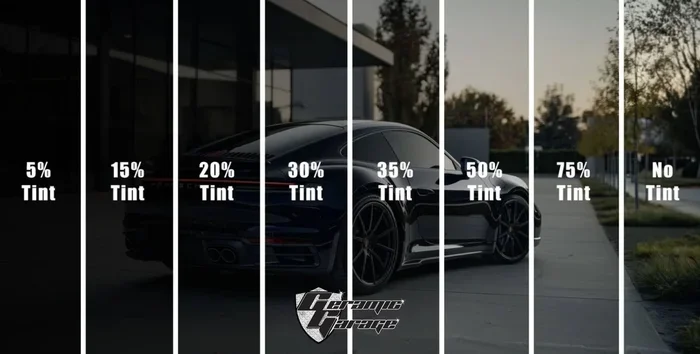
Visible Light Transmission is the key metric you need to know. It measures how much light passes through your window film and glass. The lower the VLT percentage, the darker the tint. Here is a quick comparison of common tint levels:
- 50% VLT: Lets in half the light. Good for reducing glare and heat while still maintaining clear visibility.
- 35% VLT: A moderate tint. Popular for sedans and SUVs. Offers a nice balance of style and function.
- 20% VLT: A dark tint. Often used on rear windows. Provides strong privacy and heat rejection.
- 5% VLT (Limousine Tint): Almost completely dark. Only a tiny amount of light gets through.
- 0% VLT (100% Tint): Total blackout. No visible light passes through the film at all.
Comparison Table: Tint Levels at a Glance
| Tint Level | VLT Percentage | Privacy Level | Heat Rejection | Legal Status (Most States) |
|---|---|---|---|---|
| 50% Tint | 50% | Low | Moderate | Legal on all windows |
| 35% Tint | 35% | Medium | Good | Legal on most windows |
| 20% Tint | 20% | High | Very Good | Legal on rear windows only |
| 5% Tint | 5% | Very High | Excellent | Restricted, rear only |
| 0% Tint (100%) | 0% | Maximum | Maximum | Banned on most front windows |
As you can see, 100 percent window tint sits at the extreme end of the spectrum. It offers the most privacy and heat rejection but also faces the most legal restrictions. Before you decide, make sure you understand the rules in your area.
Is 100 Percent Window Tint Legal?
This is the question that stops most people from going full blackout. The short answer is that 100 percent tint is illegal on most front-facing windows in nearly every US state and in most countries around the world.
Understanding Window Tint Laws
Every state has its own window tint laws. These laws specify the maximum darkness allowed for different windows on your vehicle. Generally, front side windows and the windshield must allow a certain percentage of light through for safety reasons. This is so drivers can see clearly in all conditions.
For example, in California, front side windows must allow at least 70% VLT. In Texas, the limit is 25% for front side windows. In New York, it is 70%. Rear windows and back windshields often have more relaxed rules, and some states allow full blackout tint on these windows.
Medical Exemptions
Some states offer medical exemptions for darker tint. If you or a passenger has a condition that makes you extremely sensitive to sunlight, you may be able to get a special permit for darker automotive window film. You will need a doctor’s prescription and documentation to apply for this exemption.
Penalties for Illegal Tint
Getting caught with illegal tint darkness can result in fines, citations, and even being required to remove the tint. In some states, repeat offenders face higher fines or points on their license. It is simply not worth the risk. Always check your local laws before installing any tint, especially 100 percent window tint.
How Is 100 Percent Window Tint Installed?
Installing full blackout tint is a detailed process that requires skill and patience. While some people attempt a DIY approach, professional installation is strongly recommended for this level of tint.
The Installation Process
First, the installer thoroughly cleans your car windows. Any dust or debris will cause tint bubbles and adhesion problems. Then, the film is cut to match the exact shape of each window. A special solution is sprayed on the glass and the film to allow for positioning adjustments.
The film is carefully applied to the inside of the window. The installer uses a squeegee to push out all the liquid and air bubbles. The edges are trimmed neatly, and the film is left to cure. This curing process can take several days to a couple of weeks, depending on the film type and weather conditions.
DIY vs. Professional Installation
You can buy window tint kits online and install them yourself. However, 100 percent tint is the hardest level to install correctly. Because the film is so dark, any mistakes like dust particles, creases, or misalignment become immediately visible. A professional installer has the tools, experience, and clean environment to get a perfect finish every time.
Professional installation typically costs between $200 and $500 for a full vehicle, depending on the film type and your location. It is an investment, but it pays off in a flawless, long-lasting finish.
Types of Film Used for 100 Percent Tint
Not all tint film is created equal. Different materials offer different levels of performance, durability, and cost. Here are the main types you will encounter.
Dyed Film
Dyed automotive window film is the most affordable option. It uses layers of dye to absorb light and reduce glare. However, dyed film tends to fade over time, especially with heavy sun exposure. It also offers less heat rejection compared to more advanced materials.
Metalized Film
Metalized tint contains tiny metallic particles that reflect heat and light. This type of window tint is more durable than dyed film and offers better heat rejection. The downside is that metalized film can interfere with cell phone signals and GPS navigation.
Carbon Film
Carbon tint is a popular middle-ground option. It does not contain metal, so it does not interfere with electronics. Carbon film offers excellent heat rejection and a matte finish that resists fading. It is more expensive than dyed film but delivers much better performance.
Ceramic Film
Ceramic tint is the premium choice. It uses nano-ceramic particles to block heat and UV rays without affecting visibility or electronics. Ceramic tint film offers the best performance in every category. It is also the most expensive option. If you are investing in 100 percent window tint, ceramic is the best film to choose for long-lasting quality.
Common Mistakes to Avoid with 100 Percent Tint
Even experienced car owners can make mistakes when going with full blackout tint. Here are the most common pitfalls and how to avoid them.
Ignoring Local Laws
This is the number one mistake. Many people assume that because they can buy 100 percent tint, it is legal to install it everywhere. It is not. Always research your local window tint laws before purchasing any film. Getting pulled over for illegal tint is an expensive and avoidable headache.
Choosing the Wrong Film Type
Cheap dyed film might seem like a good deal at first, but it fades quickly and offers poor heat rejection. Investing in a higher-quality carbon tint or ceramic tint will save you money and frustration in the long run. You get what you pay for with automotive window film.
Skipping Professional Installation
DIY tint kits are fine for lighter shades. But for 100 percent window tint, the margin for error is almost zero. Bubbles, peeling, and misalignment are very common with DIY full blackout installations. Save yourself the trouble and hire a professional.
Forgetting About Night Visibility
This is a safety issue that many people overlook. 100 percent tint on your front side windows makes it very difficult to see at night or in tunnels, parking garages, and poorly lit areas. If you drive frequently at night, consider leaving your front windows at a lighter tint or using a high-quality ceramic tint that offers good visibility even at high darkness levels.
How Long Does 100 Percent Window Tint Last?
The lifespan of your tint film depends on the quality of the material and how well it is maintained. On average, a good quality 100 percent window tint lasts between five and ten years. Premium ceramic films can last up to 15 years with proper care.
To extend the life of your tint, avoid rolling down your windows for at least a week after installation. This allows the film to cure properly. Also, use a non-ammonia cleaner when wiping your windows. Ammonia-based cleaners break down the adhesive and can cause the film to peel or bubble over time.
How Much Does 100 Percent Window Tint Cost?
The cost of 100 percent window tint varies widely based on the film type, your vehicle size, and your location. On average, you can expect to pay the following:
- Dyed Film: $100 to $200 for a full vehicle
- Carbon Film: $200 to $400 for a full vehicle
- Ceramic Film: $400 to $800 for a full vehicle
Keep in mind that these are general estimates. Prices may be higher in major cities where labor costs are greater. Also, some shops charge extra for complex window shapes or specialty films. Always get a few quotes from reputable installers before making your decision.
Is 100 Percent Window Tint Worth It?
The answer depends on your priorities. If you value maximum privacy, heat rejection, and UV protection above all else, then 100 percent window tint is absolutely worth it. The benefits are significant, especially for people who park outdoors or spend a lot of time in their vehicles.
However, if you need clear visibility through your front windows for safety or legal reasons, you might want to consider a lighter tint on the front and full blackout tint on the rear windows. This gives you the best of both worlds: style and privacy in the back, while staying legal and safe up front.
Ultimately, the decision comes down to your personal needs, your local laws, and your budget. Take the time to research, compare options, and choose a trusted installer. A well-installed 100 percent window tint can transform your driving experience for years to come.
Frequently Asked Questions
Can you see through 100 percent window tint at night?
No, 100 percent window tint is essentially opaque. You cannot see through it from the outside at any time of day. This is why it is important to leave your front windows at a lighter tint level if you need clear visibility for driving, especially at night or in low-light conditions.
Is 100 percent window tint legal in all states?
No, 100 percent tint is illegal on front side windows and windshields in almost every state. Some states allow it on rear windows and back windshields with certain restrictions. Always check your local window tint laws before installing full blackout film on your vehicle.
Does 100 percent tint block all heat?
100 percent window tint blocks a very high percentage of solar heat, but no film blocks 100 percent of heat. Premium ceramic and carbon films offer the best heat rejection rates, often exceeding 90 percent. The exact performance depends on the film type and quality you choose.
How long does it take for 100 percent tint to cure?
The curing process typically takes three to seven days in warm, dry conditions. In humid or cold weather, it can take up to two weeks. During this time, avoid rolling down your windows or wiping the inside of the windows to let the tint film bond properly with the glass.
Can you tint your own windows with 100 percent film?
Yes, you can buy DIY window tint kits for full blackout tint. However, installing 100 percent tint yourself is very challenging because the film is so dark that any mistakes are immediately visible. Professional installation is strongly recommended to avoid bubbles, peeling, and uneven application.
What is the difference between 100 percent tint and limousine tint?
Limousine tint typically refers to a 5% VLT, which allows a tiny amount of light through. 100 percent window tint refers to 0% VLT, meaning it is total blackout. Both are extremely dark, but true 100 percent tint blocks every bit of visible light, making it the darkest option available.
=== CONCLUSION ===
100 percent window tint is the ultimate choice for car owners who want maximum privacy, heat rejection, and UV protection. It transforms your vehicle with a sleek, dark appearance that turns heads on the road. However, this level of tint comes with important considerations, including legal restrictions, reduced night visibility, and higher costs.
Before you commit to full blackout tint, make sure you understand your local laws and choose a high-quality film that fits your needs and budget. Whether you go with ceramic tint, carbon tint, or a more affordable option, professional installation will make all the difference in the final result.
Take your time, do your research, and enjoy the benefits of perfectly tinted windows. Your car, your privacy, and your comfort will all thank you. With the right approach, 100 percent window tint can be one of the best upgrades you ever make to your vehicle.