How Havals AWD System Works for Off Road Adventures
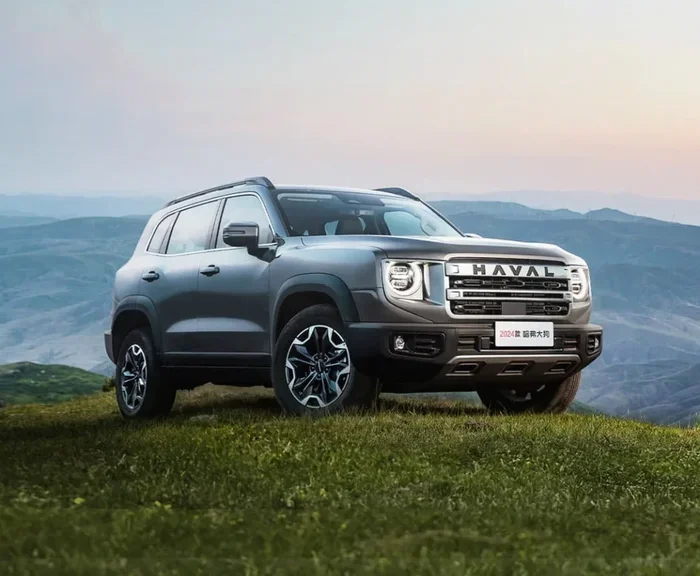
Haval’s AWD system delivers power to all four wheels, giving you better traction and control on rough terrain. The system uses smart torque distribution, electronic locking differentials, and terrain response modes to adapt to sand, mud, and rocks. Whether you drive a Haval H9 or Haval H6, understanding how your AWD works helps you go further and stay safer on every off-road trip.
Have you ever watched a Haval SUV climb a rocky hill and wondered how it just grips the ground like it has claws? The answer lies in the Haval AWD system. This all-wheel drive setup is built to send power where it matters most, whether you are crawling over boulders or sliding through deep mud.
For off-road lovers, having a solid AWD system is not a luxury. It is a necessity. And Haval has engineered its drivetrain to handle everything from desert sand to forest trails. In this article, we will break down exactly how the Haval AWD system works, what makes it different from a basic two-wheel drive, and how you can get the most out of it on your next adventure.
We will also cover practical tips, common mistakes, and maintenance advice so your all-wheel drive stays in top shape. Whether you own a Haval H9 or are thinking about buying one, this guide has you covered.
Key Takeaways
- Smart Torque Split: Haval’s AWD system automatically sends power to the wheels that need it most, improving grip on loose or slippery surfaces.
- Electronic Locking Differentials: These lock the wheels on an axle together so they spin at the same speed, preventing you from getting stuck.
- Terrain Response Modes: You can switch between sand, mud, and rock modes to let the system adjust its behavior for the terrain you are facing.
- Transfer Case Matters: The transfer case is the brain of the AWD system, and keeping it maintained is essential for long-term reliability.
- Haval Models Offer Great Value: If you want off-road capability at a fair price, Haval vehicles deliver strong performance without breaking the bank.
- Regular Maintenance Keeps It Running: Simple steps like checking fluid levels and inspecting drivetrain parts go a long way in preserving your AWD system.
📑 Table of Contents
- What Is an AWD System and Why Does It Matter for Off-Road Driving?
- How Haval’s AWD System Delivers Power to All Four Wheels
- Terrain Response Modes: Adapting to Any Surface
- Drivetrain Components: What Makes Haval’s AWD Durable
- Common Mistakes That Hurt Your AWD System
- Maintenance Tips to Keep Your Haval AWD System in Top Shape
- Expert Insights: Getting the Most from Your Haval AWD System
- Key Takeaways
- Conclusion
What Is an AWD System and Why Does It Matter for Off-Road Driving?
Let us start with the basics. All-wheel drive means power goes to all four wheels at the same time. This is different from front-wheel drive or rear-wheel drive, where only two wheels receive power. When you are off-road, having power on all four wheels gives you a massive advantage.
Here is why it matters. On a loose gravel road, two driven wheels can easily spin and lose traction. But with an AWD system, the other two wheels help pull you forward. On muddy trails, this means the difference between moving forward and sitting still. On steep hills, AWD keeps you from rolling backward.
Haval designs its AWD systems with off-road performance in mind. The Haval AWD system does not just dump power equally to all wheels. It is smart about where the power goes. This smart distribution is what makes Haval vehicles so capable in tough terrain.
AWD vs. 4WD: What Is the Difference?
People often use AWD and 4WD interchangeably, but they are not the same thing. Four-wheel drive is usually a part-time system. You switch it on when you need it, like on a rocky trail. When you are on pavement, you switch it off to save fuel.
All-wheel drive is typically always on. The system constantly monitors traction and adjusts power delivery in real time. Haval uses a full-time AWD system in most of its off-road models. This means you always have power to all four wheels without lifting a finger.
For off-road adventures, this is a big deal. You do not have to stop and flip a switch when the terrain changes. The system handles it for you. That said, some Haval models also offer a part-time 4WD mode for those who want more control.
How Haval’s AWD System Delivers Power to All Four Wheels
Now let us get into the guts of how the Haval AWD system actually works. The system relies on several key components that work together seamlessly. Understanding these parts helps you appreciate what is happening under your vehicle every time you hit the trail.
The Transfer Case: The Brain of the AWD System
The transfer case is the central hub of any AWD system. It sits between the front and rear axles and takes power from the engine and transmission. Then it splits that power and sends it to the front and rear driveshafts.
In Haval vehicles, the transfer case is built tough. It handles the constant power split and can adjust the ratio based on traction needs. When one set of wheels starts to slip, the transfer case redirects more torque to the wheels that still have grip. This happens in milliseconds.
Keeping your transfer case in good shape is important for AWD maintenance. Haval recommends checking the transfer case fluid at regular intervals. Dirty or low fluid can cause wear and reduce performance. If you are serious about off-roading, this is one of the first things you should check before a big trip.
Torque Distribution: How Power Gets Split
Not all wheels need the same amount of power at the same time. On a flat road, the rear wheels might do most of the work. On a slippery slope, the front wheels might need more. Haval’s torque distribution system handles this automatically.
The system uses sensors to monitor wheel speed, traction, and steering input. If it detects that a wheel is spinning faster than the others, it reduces power to that wheel and sends more to the ones with grip. This is called torque vectoring, and it makes a huge difference on uneven terrain.
For example, imagine you are driving through sand. The right front wheel hits a soft patch and starts to dig in. The system instantly sends more power to the left wheels, keeping you moving forward. Without this smart distribution, you would likely get stuck.
Electronic Locking Differentials: Your Best Friend in Tough Terrain
A differential is a gear system that lets the wheels on the same axle spin at different speeds. This is useful when turning. But when one wheel loses traction, the differential sends all the power to that spinning wheel. This is called wheel spin, and it is the enemy of off-road driving.
Haval solves this problem with electronic locking differentials. When you engage the lock, the differential forces both wheels on the axle to spin at the same speed. Even if one wheel is in the air or on ice, the other wheel still gets power. This is what gets you unstuck when nothing else will.
Most Haval off-road models come with front and rear locking differentials. Some even have a center lock for the transfer case. Using these locks at the right time can transform your off-road capability. Just remember to unlock them when you return to normal driving to avoid tire wear and drivetrain stress.
Terrain Response Modes: Adapting to Any Surface
One of the standout features of Haval’s AWD system is the terrain response technology. This lets you choose a driving mode that matches the surface you are on. The system then adjusts throttle response, torque distribution, and traction control settings automatically.
Sand Mode
Sand is tricky. It is soft, shifting, and easy to get bogged down in. Sand mode raises the throttle response so the engine stays in its power band. It also adjusts the torque distribution to keep the wheels moving steadily rather than digging in.
Haval vehicles with sand mode also tend to lower tire pressure slightly in this setting. Lower pressure gives you a bigger footprint on the sand, which means more traction. Always remember to re-inflate your tires when you leave the sand.
Mud Mode
Mud is another challenging surface. It is thick, heavy, and clings to everything. Mud mode focuses on maintaining a steady, slow momentum. The system reduces wheel spin and keeps the all-wheel drive working hard to pull you through.
One tip for mud driving: keep your speed steady. Do not stop and start too much. Once you lose momentum in mud, it is very hard to get going again. Let the Haval AWD system do the work and trust it to find traction.
Rock Mode
Rock crawling requires precision. Rock mode gives you the most control. It limits wheel spin, sharpens throttle response, and locks the differentials for maximum grip. This mode is perfect for navigating boulder fields and steep rock ledges.
When you are in rock mode, drive slowly and smoothly. Avoid sudden jerks on the throttle. The Haval AWD system will handle traction, but you still need to steer carefully and choose your line wisely.
Drivetrain Components: What Makes Haval’s AWD Durable
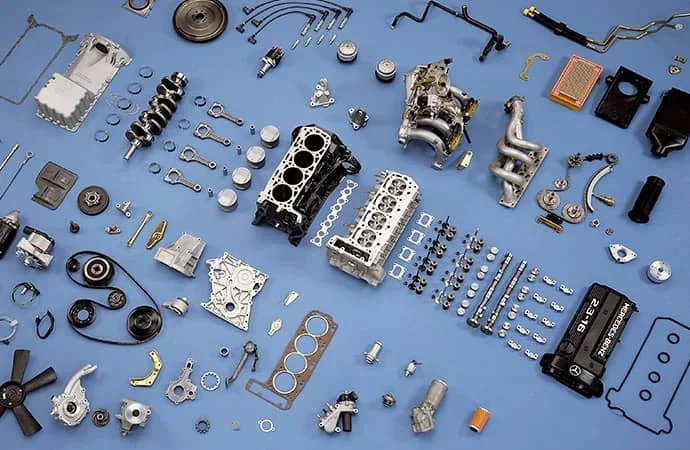
Off-roading puts a lot of stress on every part of your vehicle. Haval builds its drivetrain components to handle that stress. But knowing what is under there helps you take better care of your Haval AWD system.
Constant Velocity (CV) Joints
CV joints connect the driveshafts to the wheels. They allow the shaft to flex as the suspension moves and the wheels turn. In off-road conditions, CV joints take a beating from rocks, mud, and debris.
Inspect your CV boots regularly. If the rubber boot tears, dirt and water get inside and destroy the joint. Replacing a CV boot is cheap. Replacing a CV joint is expensive. Keep those boots intact and your drivetrain will thank you.
Driveshafts and U-Joints
The driveshafts transfer power from the transfer case to the axles. Universal joints, or U-joints, allow the shafts to flex over bumps and uneven ground. Over time, U-joints can wear out and start to clunk or vibrate.
If you feel a vibration at low speeds or hear a clunking sound when you accelerate, check your U-joints. Replacing them early prevents damage to the driveshaft and transfer case. This is a simple AWD maintenance task that pays off big.
Axles and Ring Gears
The front and rear axles carry the weight of the vehicle and deliver power to the wheels. Inside each axle housing is a ring gear and pinion gear that transfer power from the driveshaft to the wheels.
Haval uses strong, forged axles in its off-road models. Still, extreme off-roading can cause damage. After a hard trail, inspect your axles for leaks or dents. Also check the axle fluid level and condition. Clean fluid keeps everything running smoothly.
Common Mistakes That Hurt Your AWD System
Even with a great Haval AWD system, certain habits can cause damage over time. Avoiding these mistakes keeps your drivetrain healthy and your off-road adventures worry-free.
- Running AWD on dry pavement for long distances: Most AWD systems are designed for mixed driving, but prolonged use on hard pavement without turning can cause excessive wear on components like the transfer case and differentials.
- Ignoring fluid changes: Transfer case fluid, differential fluid, and transmission fluid all play a role in AWD performance. Skipping changes leads to overheating and premature wear.
- Forgetting to unlock differentials on pavement: Locking differentials on dry pavement causes tire scrub, uneven wear, and drivetrain binding. Always unlock them when you are back on normal roads.
- Overloading the vehicle: Too much weight strains the drivetrain, brakes, and suspension. Stay within your vehicle’s rated capacity, especially when off-roading.
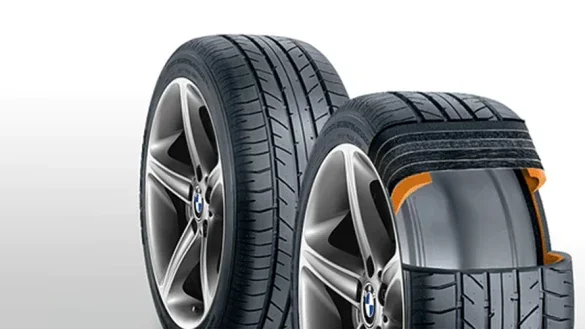
- Neglecting tire maintenance: Your tires are the only part of the vehicle that touches the ground. Worn or mismatched tires reduce the effectiveness of your all-wheel drive system dramatically.
Maintenance Tips to Keep Your Haval AWD System in Top Shape
Taking care of your Haval AWD system does not have to be complicated. A few simple habits go a long way in keeping your vehicle ready for anything.
- Check fluid levels monthly. Look at the transfer case fluid, front and rear differential fluids, and transmission fluid. Top up or change as needed.
- Inspect CV boots and driveshaft U-joints. Look for cracks, tears, or play in the joints. Replace damaged parts before they cause bigger problems.
- Keep your tires in good condition. Check tread depth, tire pressure, and alignment regularly. Proper tires make your AWD system work more efficiently.
- Clean the undercarriage after off-road trips. Mud, rocks, and debris can damage drivetrain components over time. A quick rinse after each trip helps a lot.
- Follow the service schedule. Haval provides a recommended maintenance schedule for AWD components. Stick to it, and your system will last for years.
Also, if you ever notice unusual sounds, vibrations, or a warning light on your dashboard, get it checked right away. Catching problems early saves money and keeps you safe on the trail.
Expert Insights: Getting the Most from Your Haval AWD System
We talked to a few off-road enthusiasts who drive Haval vehicles regularly. Here is what they had to say about mastering their Haval AWD system.
Start slow. If you are new to off-roading, practice on easy trails first. Learn how the AWD system responds to different surfaces before tackling something extreme. Confidence comes with experience.
Use terrain modes wisely. Switching between sand, mud, and rock modes makes a noticeable difference. Each mode changes how the torque distribution and traction control behave. Take a moment to select the right mode before you hit a new surface.
Do not rely on AWD alone. AWD gives you better traction, but it does not make you invincible. Drive at safe speeds, keep a safe following distance, and always know your limits. The best off-roaders are the ones who know when to turn back.
Join a community. Haval owners often share tips and trail recommendations online. Being part of a community helps you learn faster and stay safe. Plus, it is a great way to make friends who share your passion for off-road driving.
Key Takeaways
- Smart Torque Split: Haval’s AWD system automatically sends power to the wheels that need it most, improving grip on loose or slippery surfaces.
- Electronic Locking Differentials: These lock the wheels on an axle together so they spin at the same speed, preventing you from getting stuck.
- Terrain Response Modes: You can switch between sand, mud, and rock modes to let the system adjust its behavior for the terrain you are facing.
- Transfer Case Matters: The transfer case is the brain of the AWD system, and keeping it maintained is essential for long-term reliability.
- Haval Models Offer Great Value: If you want off-road capability at a fair price, Haval vehicles deliver strong performance without breaking the bank. You can find out the fair market value of your car to understand how well your Haval holds its value.
- Regular Maintenance Keeps It Running: Simple steps like checking fluid levels and inspecting drivetrain parts go a long way in preserving your AWD system. After a muddy trip, you might also want to learn if Murphy’s Oil Soap is safe for cleaning leather interiors to keep your cabin looking great.
Conclusion
The Haval AWD system is a well-engineered, smart drivetrain that makes off-road adventures more accessible and more fun. From the transfer case to the electronic locking differentials, every component works together to give you the traction and control you need on any surface.
Understanding how the system works helps you use it better. Switching to the right terrain mode, keeping your fluids fresh, and maintaining your drivetrain components are all simple steps that pay off big. Whether you are crawling over rocks or cruising through sand, your Haval AWD system has your back.
So next time you head out on the trail, trust your all-wheel drive system. Know what it is doing under you. And enjoy every moment of the ride. Off-road adventures are about freedom, and with Haval’s AWD technology, that freedom is always within reach.
Remember to take care of your vehicle, respect the terrain, and always be prepared. The best off-road trips are the ones where you come home safely and are ready for the next one.
Frequently Asked Questions
What makes Haval’s AWD system different from other brands?
Haval’s AWD system uses smart torque distribution and electronic locking differentials that adapt in real time to changing terrain. The system is designed specifically for off-road performance, with terrain response modes that adjust throttle, traction control, and power delivery automatically. This makes Haval vehicles highly capable without requiring the driver to manually manage every aspect of the drivetrain.
Can I use my Haval AWD system on regular roads every day?
Yes, Haval’s AWD system is designed for daily driving as well as off-road use. The system constantly adjusts power delivery to all four wheels, which improves stability and handling on wet or slippery pavement. Just remember to unlock any engaged locking differentials when driving on dry roads to prevent unnecessary wear.
How often should I change the transfer case fluid in my Haval?
Haval recommends checking and changing the transfer case fluid every 30,000 to 60,000 miles, depending on your driving conditions. If you frequently off-road in mud or sand, you may need to change it more often. Always refer to your owner’s manual for the specific service interval for your model.
Is AWD the same as 4WD on a Haval vehicle?
Not exactly. AWD is typically full-time and automatically adjusts power to all four wheels. 4WD is often part-time and requires the driver to engage it manually. Some Haval models offer both AWD and part-time 4WD modes, giving you the best of both worlds. Check your specific model to see which options are available.
What should I do if my Haval gets stuck in the mud?
First, switch to mud mode if your vehicle has terrain response settings. Try to maintain steady momentum without stopping. If you are still stuck, engage the locking differentials to help the wheels find grip. Avoid spinning the tires too fast, as this can dig you deeper. If needed, use traction aids like sand mats or traction boards to get moving again.
Do I need special tires for off-roading with a Haval AWD system?
While the Haval AWD system works well on various surfaces, all-terrain tires significantly improve off-road performance. They provide better grip on sand, mud, and rocks compared to highway tires. You do not need a dedicated rock-crawling tire for casual off-roading, but all-terrain tires are a great upgrade for anyone who regularly hits the trails.