How Long Do Maseratis Last The Truth Behind Their Longevity
So how long do Maseratis last? With proper care, a Maserati can easily reach 100,000 to 150,000 miles, and some well-maintained models push well beyond that. The truth is, Maserati longevity depends heavily on maintenance habits, driving style, and which model you own. Regular servicing and quality parts make all the difference in keeping your luxury Italian car on the road for years to come.
Maseratis turn heads. There is no denying it. These Italian luxury machines combine sleek design, powerful engines, and pure driving thrill in a way few other cars can match. But here is the question every potential buyer asks: how long do Maseratis last?
The answer is not as simple as a single number. A Maserati’s lifespan depends on many factors. Maintenance habits matter a lot. So does the specific model, driving conditions, and even how gently you treat the car day to day. Some Maseratis have clocked over 200,000 miles with devoted owners. Others have struggled to reach 80,000 miles with neglect.
In this guide, we break down everything you need to know about Maserati longevity. We cover expected lifespan, common issues, maintenance costs, and real-world ownership insights. Whether you already own one or are thinking about buying, this article gives you the honest truth behind Maserati reliability.
Key Takeaways
- Maseratis can last 100,000 to 150,000+ miles with consistent maintenance and careful driving.
- Routine maintenance is the single biggest factor in extending a Maserati’s lifespan.
- Common Maserati problems include electrical issues, suspension wear, and engine component failures over time.
- Used Maseratis offer great value but come with higher upkeep costs than mainstream brands.
- Luxury car longevity depends on parts availability, qualified mechanics, and owner commitment.
- Maserati depreciation is steep in the first few years, making pre-owned models attractive.
- Insurance and repair costs are higher for Maseratis, so budgeting is essential before buying.
📑 Table of Contents
Understanding Maserati Lifespan
When we talk about how long do Maseratis last, we need to look at real-world data and owner experiences. The average Maserati lifespan falls somewhere between 100,000 and 150,000 miles. But this number varies quite a bit depending on several key factors.
Average Mileage Expectations by Model
Not all Maseratis are created equal. Different models have different engines, different build qualities, and different aging patterns. Here is a quick look at what you can expect from popular Maserati models.
- Maserati Ghibli: With proper care, the Ghibli can last 100,000 to 130,000 miles comfortably. The twin-turbo V6 engine is fairly robust but needs regular oil changes and attention to the turbocharger system.
- Maserati Quattroporte: This full-size luxury sedan often reaches 120,000 to 150,000 miles. Its larger engine and more robust components tend to hold up well over time.
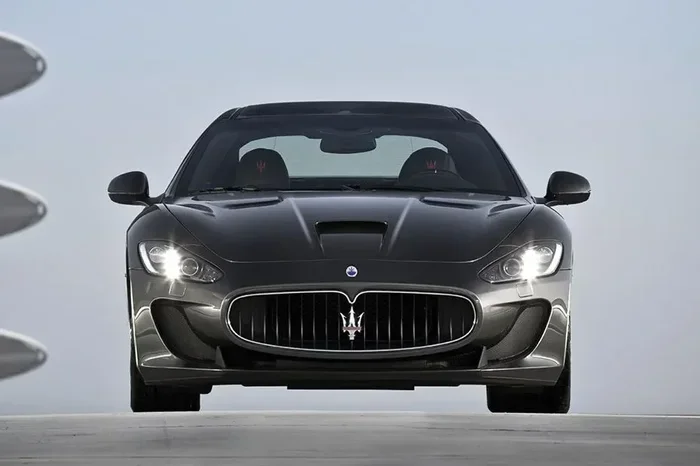
- Maserati GranTurismo: The GranTurismo is known for lasting 100,000 to 140,000 miles. The naturally aspirated V8 engines in older models are particularly durable.
- Maserati Levante: As Maserati’s SUV, the Levante typically reaches 100,000 to 130,000 miles. The added weight of the SUV body puts extra stress on suspension and drivetrain components.
- Maserati MC20: Being a newer mid-engine supercar, long-term data is limited. Early indications suggest it can reach 80,000 to 120,000 miles with careful ownership.
Factors That Affect How Long a Maserati Lasts
Several factors directly impact Maserati lifespan. Understanding these can help you make smarter ownership decisions.
Maintenance Schedule is the most critical factor. Maseratis require regular oil changes every 7,500 to 10,000 miles. The Maserati maintenance schedule also includes brake inspections, fluid flushes, and timing belt replacements at specific intervals. Skipping these services dramatically shortens the car’s life.
Driving Habits play a big role too. Hard acceleration, aggressive braking, and frequent high-speed driving stress the engine, transmission, and brakes. A Maserati driven gently on highways will last far longer than one used for daily stop-and-go traffic with spirited driving mixed in.
Climate and Storage also matter. Cars stored in garages last longer than those exposed to harsh weather. Salt, extreme heat, and humidity all accelerate corrosion and wear on Maserati components.
Parts Quality is another important consideration. Using OEM (Original Equipment Manufacturer) parts instead of aftermarket alternatives ensures proper fit and function. Cheap replacement parts may save money short-term but can cause bigger problems down the road.
Common Maserati Problems That Affect Longevity
Every car brand has its weak spots. Maseratis are no different. Knowing these issues helps you stay ahead of problems and keep your car running strong for years.
Electrical System Issues
Maseratis, especially models from the 2010s and newer, are notorious for electrical gremlins. Faulty sensors, flickering dashboards, and malfunctioning infotainment systems are common complaints. These issues are annoying but rarely catastrophic if caught early.
Regular diagnostics can catch electrical problems before they spiral. Do dealerships offer car inspections that include a full electrical check? Many do, and it is worth investing in one annually. Catching a failing sensor early can prevent cascading electrical failures that are expensive to repair.
Suspension and Alignment Wear
The Maserati suspension system is designed for performance, not longevity. Components like control arms, bushings, and shocks wear out faster than on mainstream luxury cars. If you notice your Maserati pulling to one side or feeling loose on the highway, how do you know if camber is out of alignment? A simple alignment check can reveal a lot.
Suspension repairs on a Maserati are costly. A full suspension overhaul can run anywhere from $2,000 to $5,000 depending on the model and the extent of wear. Regular inspections help you catch worn components before they damage tires or other suspension parts.
Engine and Transmission Concerns
The Maserati engine is a work of art, but it demands respect. Turbocharged models can experience turbo failures if oil changes are neglected. The transmission, particularly in older models with the ZF automatic, can develop rough shifting or slipping over time.
Transmission rebuilds are among the most expensive repairs for any luxury car. Staying on top of Maserati service intervals and using the correct transmission fluid goes a long way in preventing major transmission failures.
Rust and Corrosion
Maseratis are not immune to rust. The undercarriage, wheel wells, and door sills are vulnerable areas, especially in northern climates where road salt is used. Regular washing and undercoating can significantly reduce corrosion risk.
Maserati Maintenance Costs: What to Expect
Let us talk about money. Maserati maintenance cost is one of the biggest factors in how long these cars last. A neglected Maserati will not last long, and the cost of neglect is steep.
Routine Maintenance Expenses
Standard oil changes for a Maserati run between $200 and $400, depending on the model and the service center. This is significantly higher than a Toyota or Honda oil change. But Maseratis use high-performance synthetic oil and have more complex engines that require premium care.
Other routine maintenance costs include:
- Brake pads and rotors: $500 to $1,200 per axle
- Tire replacements: $800 to $1,500 for a full set
- Timing belt replacement: $1,500 to $3,000
- Coolant flush: $200 to $400
- Transmission service: $300 to $600
Major Repair Costs
Major repairs on a Maserati can be eye-watering. Engine replacements can cost $10,000 to $25,000. Transmission rebuilds run $5,000 to $10,000. Suspension overhauls can hit $3,000 to $7,000. These numbers are why budgeting for maintenance is so important before buying a Maserati.
One thing that surprises many new owners is the do dealers charge a diagnostic fee. Yes, most dealerships charge $100 to $200 for diagnostics. This is standard across luxury brands, but it adds up if you visit frequently. Independent Maserati specialists often charge less for diagnostics and repairs.
Insurance Costs
Insurance for a Maserati runs higher than for most cars. Luxury car insurance premiums reflect the high cost of parts and repairs. If you are wondering whether do hybrids cost more to insure, the answer is sometimes, but Maseratis typically cost more than hybrid vehicles due to their repair complexity and value.
Maserati Depreciation and Resale Value
One of the harshest realities of Maserati ownership is depreciation. New Maseratis lose value fast. A brand-new Maserati Ghibli can lose 30% to 40% of its value in the first three years. By year five, the car may be worth less than half its original price.
Why Maseratis Depreciate So Quickly
Several factors drive Maserati depreciation:
- High maintenance costs scare off potential buyers in the used market.
- Limited brand prestige compared to German luxury competitors like BMW and Mercedes.
- Low resale demand means dealers must discount heavily to move used inventory.
- Rapid model updates make older models feel outdated quickly.
Do Maseratis Hold Their Value?
The short answer is no, not compared to brands like Porsche or Lexus. However, certain Maserati models hold value better than others. The GranTurismo, especially the MC Stradale variants, tends to hold value better than the Ghibli or Quattroporte. Limited edition models and special trims also depreciate more slowly.
If you are comparing luxury brand value retention, you might wonder do Acura Mdx vehicles hold their value. Generally, Acura MDX models hold their value better than Maseratis because Acura has lower maintenance costs and a stronger reputation for reliability. But if you prioritize the driving experience and Italian style, Maserati depreciation may be an acceptable trade-off.
Tips for Maximizing Maserati Longevity
Want your Maserati to last as long as possible? Follow these practical tips from experienced Maserati owners and mechanics.
Stick to the Maintenance Schedule
This cannot be overstated. Follow the Maserati maintenance schedule to the letter. Do not skip oil changes. Do not ignore warning lights. Regular service is the foundation of long Maserati life.
Find a Specialist
General mechanics may not have the expertise or tools for Maserati repairs. Look for shops that specialize in Italian luxury cars or, better yet, authorized Maserati service centers. Yes, do Honda dealers service Acura vehicles and similar brand relationships exist in the luxury world. Maserati dealerships and certified independent specialists understand these cars best.
Drive with Care
You do not need to drive your Maserati like a grandma. But treating the car with respect pays off. Avoid redlining the engine constantly. Let the turbo cool down after hard driving before shutting off the engine. Smooth driving reduces wear on all components.
Keep Records
Maintain a detailed service log for your Maserati. Every oil change, every repair, every part replacement should be documented. This not only helps you track maintenance but also boosts resale value when it is time to sell.
Address Problems Early
Strange noises, warning lights, or subtle changes in performance should never be ignored. Early intervention prevents small problems from becoming expensive repairs. If you notice anything unusual, get it checked promptly.
Budget for Ownership
Before buying a Maserati, create a realistic ownership budget. Factor in insurance, maintenance, repairs, and fuel. A well-planned budget ensures you can enjoy your Maserati without financial stress.
Maserati Longevity Compared to Other Luxury Brands
How does Maserati reliability stack up against other luxury brands? Let us look at a comparison.
| Brand | Avg. Lifespan (Miles) | Annual Maintenance Cost | Depreciation (5 Years) |
|---|---|---|---|
| Maserati | 100,000 – 150,000 | $1,200 – $2,500 | 50% – 65% |
| BMW | 120,000 – 180,000 | $1,000 – $2,000 | 45% – 55% |
| Mercedes-Benz | 130,000 – 180,000 | $1,100 – $2,200 | 40% – 50% |
| Lexus | 150,000 – 250,000 | $600 – $1,200 | 35% – 45% |
| Porsche | 150,000 – 200,000 | $900 – $1,800 | 35% – 50% |
As you can see, Maseratis lag behind some competitors in both lifespan and value retention. However, Maseratis offer a unique driving experience that many owners find worth the extra cost. The emotional and sensory rewards of owning a Maserati are hard to quantify but very real for enthusiasts.
If you are weighing the decision between a Maserati and another luxury brand, it helps to understand the Maserati brand reputation in the market. Maserati positions itself as a driver-focused luxury brand, and that focus comes with trade-offs in long-term ownership costs compared to brands like Lexus or Porsche.
Is a Used Maserati Worth It?
Many buyers consider used Maserati value as a smarter alternative to buying new. The steep depreciation means you can get a relatively recent Maserati for a fraction of its original price. But is this a smart move?
The answer depends on your situation. A used Maserati with 40,000 to 60,000 miles can be a great value. You get the luxury experience at a lower price point, and the steepest depreciation has already occurred. However, you inherit whatever maintenance has been skipped by the previous owner.
Always get a pre-purchase inspection before buying a used Maserati. Have a qualified mechanic check the engine, transmission, suspension, and electrical systems. This one step can save you thousands of dollars in unexpected repairs.
Some buyers wonder whether do I need Subaru Starlink to use Apple CarPlay or similar connectivity questions when shopping for used luxury cars. While Maseratis come with their own infotainment systems, connectivity features vary by model year. Older models may lack modern smartphone integration, which is worth considering if technology matters to you.
Conclusion
So, how long do Maseratis last? The honest answer is that a well-maintained Maserati can deliver 100,000 to 150,000 miles of thrilling driving. Some models push well beyond that with dedicated care. But Maserati ownership is a commitment. The costs are higher than mainstream brands, and the depreciation is steep.
If you love the Maserati experience and are willing to invest in proper maintenance, these cars can provide years of enjoyment. The key is understanding what you are signing up for before you buy. Budget for maintenance, find a trusted specialist, and treat the car with care.
Maserati longevity is absolutely achievable. It just requires the right mindset and the right approach to ownership. The roar of a Maserati engine is worth the effort for those who truly appreciate what these machines offer.
Frequently Asked Questions
What is the average lifespan of a Maserati?
The average Maserati lasts between 100,000 and 150,000 miles with proper maintenance. Some models and careful owners have pushed Maseratis well beyond 200,000 miles. Regular servicing and gentle driving habits are the biggest contributors to a longer lifespan.
Are Maseratis expensive to maintain?
Yes, Maseratis are more expensive to maintain than mainstream brands. Annual maintenance costs typically range from $1,200 to $2,500. Major repairs on engines, transmissions, and suspension systems can cost thousands of dollars. Budgeting for these costs is essential before purchasing a Maserati.
Which Maserati model lasts the longest?
The Maserati Quattroporte and GranTurismo tend to have the longest lifespans. Their larger, more robust engines and overall build quality contribute to better longevity. The older naturally aspirated V8 GranTurismo models are particularly known for durability.
Can a Maserati last 200,000 miles?
Yes, it is possible for a Maserati to reach 200,000 miles, but it requires exceptional maintenance and care. Owners who follow the strict maintenance schedule, use quality parts, and address issues promptly are most likely to achieve this milestone. It is not common but definitely achievable.
Why do Maseratis depreciate so quickly?
Maseratis depreciate quickly due to high maintenance costs, limited brand recognition compared to German rivals, and low resale demand. The steep depreciation actually makes used Maseratis attractive since the biggest value drop happens in the first few years of ownership.
Is it better to buy a new or used Maserati?
Buying a used Maserati is often the smarter choice financially. The steep depreciation means you get more car for your money. However, you need to thoroughly inspect the vehicle’s maintenance history and get a pre-purchase inspection to avoid inheriting costly problems.
=== INTERNAL LINKS ===
For more information on luxury car ownership, check out these helpful resources: