How Long Do BMW Run Flat Tires Last And What To Know
BMW run flat tires typically last between 40,000 and 50,000 miles, but driving style, road conditions, and maintenance play a huge role. These tires offer safety and convenience, yet they wear out faster than standard tires if neglected. Understanding the factors that affect BMW run flat tire durability helps you plan replacements and avoid unexpected breakdowns.
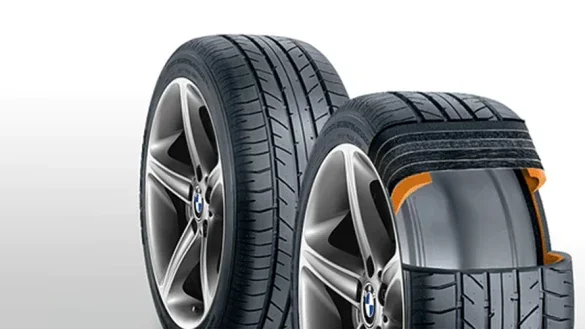
If you own a BMW, you’ve likely noticed the unique BMW run flat tires that let you keep driving even after a puncture. These tires are engineered with reinforced sidewalls that support the vehicle’s weight when air pressure is lost. But how long do BMW run flat tires actually last? The answer depends on several factors, including your driving habits, road conditions, and maintenance routine.
Understanding the run flat tire lifespan helps you plan ahead and avoid unexpected breakdowns. BMW owners often appreciate the safety and convenience these tires provide, yet they need more frequent attention than standard tires. In this guide, we’ll cover everything from average mileage to replacement costs and expert tips to extend their life.
Key Takeaways
- Average Lifespan: BMW run flat tires last 40,000–50,000 miles under normal conditions.
- Replacement Signs: Look for tread wear indicators, handling changes, and visible sidewall damage.
- Cost: OEM run flat tires cost more than standard tires, but aftermarket options can save money.
- Repair Limits: Most BMW run flat tires cannot be repaired after a puncture due to sidewall reinforcement.
- Maintenance Tips: Regular rotation, proper inflation, and alignment checks extend tire life.
- Inspection: BMW dealerships offer car inspections that include tire assessments.
📑 Table of Contents
How Long Do BMW Run Flat Tires Last
The typical BMW run flat tire mileage ranges from 40,000 to 50,000 miles. However, some drivers report getting up to 60,000 miles with careful maintenance, while others see wear at 30,000 miles. The variation comes down to how the tires are used and cared for.
Average Mileage and Lifespan
Most BMW run flat tires are rated for about 40,000 to 50,000 miles. This is slightly less than many standard touring tires, which often last 60,000 to 70,000 miles. The reason is the tough sidewall construction that gives run flats their puncture resistance. That same reinforcement can lead to a stiffer ride and faster tread wear under certain conditions.
BMW tire age also matters. Even if the tread looks deep, rubber degrades over time. Most manufacturers recommend replacing run flat tires after six to ten years, regardless of mileage. You can check the DOT code on the sidewall to find the production date. A tire that is ten years old should be replaced even if the tread appears fine, because the rubber compound hardens and loses grip.
Factors That Affect Run Flat Tire Wear
Several things influence how quickly your BMW run flat tires wear out. Driving style is a big one. Hard cornering, rapid acceleration, and heavy braking all stress the tires. If you drive aggressively, you’ll likely need replacements sooner.
Road conditions play a role too. Potholes, curbs, and rough highways can damage the sidewalls. Since run flat tires have stiff sidewalls, they’re more vulnerable to impact damage than standard tires. A severe pothole can cause internal damage that’s not visible from the outside.
Misalignment is another silent killer. When your wheels are out of alignment, the tires scrub against the road unevenly. If you notice the car pulling to one side, you might wonder how do you know if camber is out of alignment? This guide explains the signs of camber misalignment and why it shortens tire life.
Weather and temperature also affect rubber compound performance. Extreme heat can accelerate wear, while cold weather reduces traction and can cause uneven wear patterns. Keeping your tires properly inflated helps them handle temperature swings better.
Signs Your BMW Run Flat Tires Need Replacement
Knowing when to replace your tires keeps you safe and prevents further damage to the wheels. Run flat tires give you some warning signs before they become dangerous.
Tread Wear Indicators and Visual Cues
BMW run flat tires have tread wear indicators (TWIs) built into the tread grooves. When the tread is flush with these small bars, it’s time for new tires. You should also look for uneven wear patterns. If the inside or outside edge of the tread wears faster, it often points to alignment or suspension issues.
Check the BMW tire tread depth regularly. A simple penny test can help: insert a penny into the tread with Lincoln’s head upside down. If you can see the top of his head, the tread is too shallow. Most states require a minimum of 2/32 of an inch, but run flat tires perform best with at least 4/32 of an inch remaining.
Handling and Ride Changes
A change in how the car feels is a red flag. If the ride becomes harsher or you notice more road noise, the tires may be worn out. Run flat tires are designed to provide a firm, controlled feel, but excessive vibration or bouncing indicates trouble.
Watch for the BMW tire pressure monitoring system (TPMS) light. If it stays on after you inflate the tires, there may be a slow leak or a damaged run flat tire. Because run flats can be driven on for a limited distance after a puncture, you might not notice a flat right away. The TPMS alert gives you a crucial warning.
BMW Run Flat Tire Replacement Cost and Process
Replacing a BMW run flat tire costs more than a standard tire. The reinforced sidewalls and specialized construction drive up the price. On average, a single BMW run flat tire ranges from $200 to $350 for an OEM part. Aftermarket options from brands like Michelin or Bridgestone can be slightly cheaper, but they may not match the exact fit and performance of original equipment.
OEM vs Aftermarket Run Flat Tires
OEM run flat tires are engineered specifically for your BMW model. They meet strict standards for ride quality, handling, and safety. Aftermarket run flat tires vary widely in quality. Some premium aftermarket tires perform just as well, while budget options may compromise on durability and wet grip. When choosing a replacement, consider the run flat tire size and speed rating. BMWs often require tires with a specific load index and speed symbol. Using the wrong tire can trigger warning lights and affect safety systems.
Where to Get Tires Replaced
Many BMW owners take their cars to the dealership for tire service. A BMW dealership can perform a full car inspection, including a thorough tire assessment. Dealership inspections cover tire wear, pressure, and alignment checks, giving you peace of mind. However, independent shops that specialize in European cars can often do the job at a lower cost.
Keep in mind that some dealers charge a diagnostic fee when they read the TPMS or check the tire pressure system. This fee typically ranges from $50 to $150 and covers the time spent diagnosing warning lights and sensor issues.
Can You Repair a BMW Run Flat Tire?
The short answer is usually no. BMW run flat tires are designed with a reinforced sidewall that supports the vehicle when deflated. Once a run flat tire is punctured, the internal structure may be compromised, even if the hole looks small. Most manufacturers and tire experts advise against repairing run flat tires after a puncture.
When Repair Is Possible and When It’s Not
If the puncture is in the tread area and the tire has been driven on while flat for a very short distance, some shops might consider a plug or patch. However, this is rare and often not recommended. The risk is that the sidewall has internal damage that isn’t visible. Driving on a flat run flat tire, even for a few miles, can cause irreversible harm to the tire and rim.
BMW’s own guidance generally states that run flat tires should be replaced after a puncture. This policy ensures safety and maintains the warranty on the tire. If you get a flat, it’s best to call for roadside assistance or use a mobility kit if your BMW came with one.
Some drivers wonder if they can switch to standard tires and use a spare. While technically possible, it requires a compatible wheel and may trigger TPMS warnings. The BMW tire size and load rating must match the original specifications to keep all safety systems functioning properly.
Expert Tips to Extend the Life of BMW Run Flat Tires
You can’t prevent wear entirely, but you can slow it down with smart habits. Regular maintenance and mindful driving make a big difference.
Tire Pressure Maintenance and Rotation
Check your BMW tire pressure at least once a month. Underinflated run flat tires wear out faster on the outer edges of the tread. Overinflated tires wear in the center. Use the pressure listed on the driver’s door jamb, not the tire sidewall. The recommended pressure for most BMWs is between 32 and 35 PSI.
Rotate your tires every 5,000 to 7,500 miles. Because run flat tires are often used on the rear axle, rotation helps distribute wear evenly. Front tires on BMWs tend to wear faster due to steering and braking loads, so swapping them with the rears extends their life. This simple BMW tire rotation habit can add thousands of miles to your set.
Alignment and Suspension Checks
Get a wheel alignment check at least once a year or after hitting a major pothole. Proper alignment ensures the tires meet the road at the correct angle, reducing uneven wear. If you notice the car pulling or the steering wheel off-center, don’t delay the check.
BMW suspension components like shocks and struts also affect tire wear. Worn suspension parts can cause the tires to bounce and scrub. A BMW tire inspection at a qualified shop can spot these issues early. Ask the technician to check the BMW tire age and sidewall condition as part of the inspection.
Driving Habits and Road Awareness
Smooth driving extends tire life. Avoid hard braking and sharp turns whenever possible. Scan the road ahead for potholes, debris, and curbs. While run flat tires are tough, they aren’t invincible. Hitting a sharp curb at speed can ruin a tire instantly.
Store your BMW properly if it sits for long periods. Tires develop flat spots when a car remains stationary for weeks. If you’re storing the car, move it a few feet every few weeks to shift the contact patch. Also, check the run flat tire speed rating on the sidewall to ensure it matches your driving needs.
Final Thoughts on BMW Run Flat Tire Longevity
BMW run flat tires offer a unique blend of safety and convenience, but they come with a finite lifespan. On average, expect 40,000 to 50,000 miles, though proper care can push that toward the upper end. Regular pressure checks, timely rotations, and alignment maintenance are your best tools for maximizing tread life.
When replacement time comes, choose tires that match your driving needs and budget. Whether you stick with OEM or opt for a premium aftermarket brand, the key is to act quickly when wear signs appear. A well-maintained set of BMW run flat tires keeps your car safe, responsive, and ready for the road ahead.
Understanding how long BMW run flat tires last helps you stay ahead of maintenance costs and avoid dangerous failures. By watching for wear signs, keeping up with rotations, and addressing alignment issues promptly, you can get the most out of every set. Take care of your tires, and they’ll take care of you.
Frequently Asked Questions
How long do BMW run flat tires last on average?
Most BMW run flat tires last between 40,000 and 50,000 miles under normal driving conditions. With careful maintenance, some drivers reach 60,000 miles, while aggressive driving can shorten that to 30,000 miles.
Can BMW run flat tires be repaired after a puncture?
In most cases, no. The reinforced sidewall construction means internal damage is often invisible, and manufacturers recommend replacement after any puncture. Driving on a flat run flat tire, even briefly, can cause irreversible harm.
What is the replacement cost for a BMW run flat tire?
OEM BMW run flat tires typically cost $200 to $350 each. Aftermarket options may be slightly cheaper, but you should ensure they match the correct run flat tire size and speed rating for your model.
How do I know when my BMW run flat tire needs replacing?
Watch for tread wear indicators flush with the tread, uneven wear patterns, harsh ride changes, or a persistent TPMS light. Checking BMW tire tread depth regularly helps you catch wear early.
Does BMW tire age affect run flat tire lifespan?
Yes. Rubber degrades over time, so even tires with deep tread should be replaced after six to ten years. Check the DOT code on the sidewall to determine the tire’s production date.
Can I put regular tires on a BMW instead of run flats?
You can switch to standard tires if you use a compatible wheel and match the BMW tire size and load rating. However, this may trigger TPMS warnings and void some safety features designed for run flat tires.