12 Percent Window Tint Explained The Complete Guide
A 12 percent window tint is a popular dark tint shade that blocks about 88 percent of visible light from entering your vehicle. It offers excellent heat rejection, strong UV protection, and enhanced privacy for drivers and passengers. This guide covers everything you need to know about 12 percent window tint, including benefits, legality, and installation tips.
Choosing the right 12 percent window tint for your car can feel overwhelming at first. There are so many shades, film types, and brands to consider. One option that keeps coming up is the 12 percent window tint. It has become a go-to choice for drivers who want a dark, stylish look without going too extreme.
But what exactly does 12 percent mean? And is it the right choice for your vehicle? This article breaks it all down. You will learn about the benefits, the legal side, and how it compares to other tint levels. Let us dive in.
Key Takeaways
- Dark and Stylish Look: A 12 percent window tint gives your car a sleek, premium appearance that stands out on the road.
- Strong Heat Rejection: This tint level significantly reduces solar heat, keeping your car cooler and more comfortable.
- UV Protection: A 12 percent window tint blocks up to 99 percent of harmful UV rays, protecting your skin and your car interior.
- Legal Varies by State: Not all states allow 12 percent tint on every window. Always check your local window tint laws before tinting.
- Professional Installation Recommended: While DIY is possible, professional tint installation ensures a bubble-free, long-lasting finish.
- Multiple Film Types Available: You can choose from dyed film, ceramic tint, and metalized options for your 12 percent tint.
- Privacy and Security: A darker tint shade makes it harder for others to see inside your vehicle, adding an extra layer of security.
📑 Table of Contents
What Is 12 Percent Window Tint?
The number on your tint refers to the visible light transmission, or VLT. VLT measures how much light passes through your window film. A 12 percent window tint means that only 12 percent of outside light gets through. The rest is blocked by the film.
This makes it a very dark tint. Most factory-tinted windows start around 70 to 80 percent VLT. So a 12 percent aftermarket tint is a big step darker. It gives your car that sleek, mysterious look many drivers love.
Understanding Visible Light Transmission
Visible light transmission is the key metric for all window tints. The lower the VLT number, the darker the film. Here is a quick breakdown of common tint shades:
- 50 percent VLT: Lets in half the light. A moderate shade for everyday driving.
- 35 percent VLT: A popular choice for those who want some darkness without going too dark.
- 20 percent VLT: A dark shade that offers good privacy and heat rejection.
- 12 percent VLT: A very dark tint that blocks most light and creates a bold look.
- 5 percent VLT: The darkest legal option in some states. Often called “limo tint.”
As you can see, a 12 percent window tint falls on the darker end of the spectrum. It is darker than most factory tints and many aftermarket options. This makes it a favorite for drivers who want maximum style and function.
What Does 12 Percent Tint Look Like?
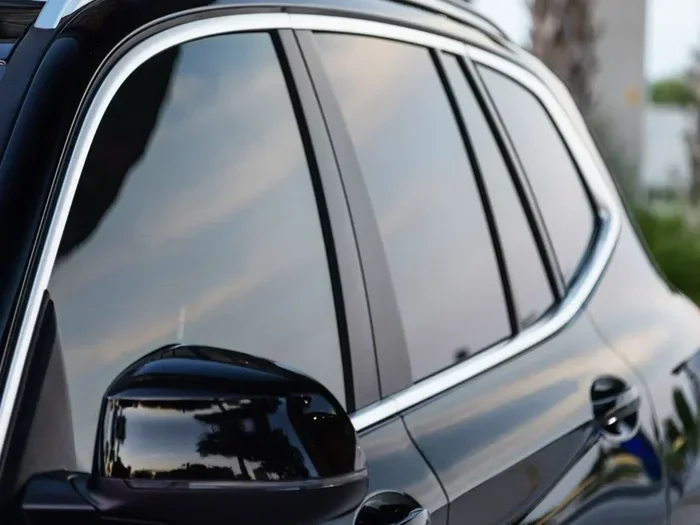
If you have never seen a 12 percent window tint in person, it can be hard to imagine. From the outside, the windows look very dark. You can barely see through them during the day. At night, visibility drops even more, so you need to use your mirrors and lights carefully.
From the inside, the view outward is still decent during the day. You can see the road, other cars, and pedestrians. But at night or in low-light conditions, it becomes much harder to see through the tinted windows. This is something to keep in mind if you do a lot of night driving.
Benefits of Choosing 12 Percent Window Tint
There are many reasons why drivers choose a 12 percent window tint for their vehicles. Let us look at the top benefits in detail.
Heat Rejection and Comfort
One of the biggest reasons people tint their windows is to reduce heat. A 12 percent window tint blocks a large amount of solar heat from entering your car. This means your interior stays cooler, even on hot summer days.
When you park your car in the sun, the tint film acts like a shield. It reflects infrared rays and absorbs solar energy. This keeps your dashboard, seats, and steering wheel from getting scorching hot. You also save on fuel because you do not need to blast the air conditioning as much.
Many high-quality ceramic tint films offer the best heat rejection. Even at 12 percent darkness, a ceramic film can block up to 90 percent of infrared heat. This is a huge upgrade over standard dyed film.
UV Protection for You and Your Car
Ultraviolet rays are harmful to your skin and your car interior. A good 12 percent window tint can block up to 99 percent of UV rays. This protects you from sun damage during long drives.
Your car interior also benefits. The dashboard, seats, and trim can fade and crack over time from sun exposure. A 12 percent window tint helps preserve the look and lifespan of your interior. It is one of the best investments you can make for your vehicle.
Enhanced Privacy and Security
A darker tint shade gives you more privacy on the road. People on the outside cannot easily see into your car. This is great for keeping valuables out of sight.
It also adds a layer of security. If someone breaks a window, the tint film can help hold the glass together. This reduces the risk of injury from flying glass shards. Many drivers appreciate this added safety feature of their window tint.
Glare Reduction
Driving with too much glare can be dangerous and uncomfortable. A 12 percent window tint significantly reduces glare from the sun and headlights. This makes your driving experience smoother and safer, especially on long road trips.
Glare causes eye strain and fatigue. By cutting down on bright light, your tint film helps you stay focused on the road. This is one benefit that many people overlook when choosing a tint shade.
12 Percent Window Tint vs Other Tint Shades
Not all tints are the same. Different tint shades serve different purposes. Let us compare a 12 percent window tint to lighter and darker options.
How It Compares to Lighter Tints
A 50 percent tint is much lighter than a 12 percent window tint. It offers moderate heat rejection and UV protection. But it does not provide the same level of privacy or that bold, dark look.
A 35 percent tint is a middle ground. It is darker than 50 percent but still allows good visibility. Many people choose 35 percent for a balanced look. However, if you want a truly dark appearance, 12 percent is the way to go.
How It Compares to Darker Tints
A 5 percent tint, often called limo tint, is darker than 12 percent. It blocks almost all light and offers maximum privacy. But it also reduces visibility significantly, especially at night.
For most drivers, a 12 percent window tint hits the sweet spot. It is dark enough to look great and function well, but not so dark that it becomes unsafe. Here is a quick comparison table:
- 50 percent VLT: Light tint. Good for heat reduction. Easy to see through at all times.
- 35 percent VLT: Medium tint. Balanced look and function. Popular for daily drivers.
- 20 percent VLT: Dark tint. Good privacy and style. Slightly reduced night visibility.
- 12 percent VLT: Very dark tint. Bold look. Excellent heat and UV rejection.
- 5 percent VLT: Darkest option. Maximum privacy. Limited visibility, especially at night.
As you can see, a 12 percent window tint offers a great combination of style and practicality. It is darker than most common tints but still allows safe driving during the day.
Is 12 Percent Window Tint Legal?
This is one of the most important questions before you tint your windows. The answer depends on where you live. Window tint laws vary from state to state and country to country.
State-by-State Legal Limits
In the United States, each state sets its own legal tint limits. Some states allow 12 percent tint on all windows. Others restrict the darkness level for front side windows or the windshield.
For example, some states allow a 12 percent window tint on the rear windows and back windshield but require a lighter shade on the front doors. Other states have no restrictions on how dark you can go. It is essential to research your local laws before purchasing tint.
Here are some general guidelines to keep in mind:
- Front side windows often have stricter VLT requirements than rear windows.
- The windshield usually cannot be tinted below a certain VLT, often around 70 percent.
- Some states require a medical exemption for very dark tints.
- Tint reflectivity is also regulated in many areas.
Medical Exemptions and Special Cases
Some people need darker tints for medical reasons. Conditions like lupus or photosensitivity can make sun exposure dangerous. Many states offer medical exemptions that allow darker tint film than the standard legal limit.
If you need a 12 percent window tint for medical reasons, check with your state’s Department of Motor Vehicles. You may need a doctor’s note or special permit. Always keep your documentation in the car in case you get pulled over.
How Is 12 Percent Window Tint Installed?
Installing a 12 percent window tint requires skill and patience. Whether you do it yourself or hire a professional, there are important steps to follow.
DIY vs Professional Installation
Some car owners prefer to install their own tint film. DIY kits are widely available and can save money. However, installing a 12 percent window tint is challenging. The dark film makes it hard to see bubbles or misalignments during application.
Professional tint installation ensures a clean, bubble-free finish. Experienced installers have the tools and expertise to get it right the first time. For a 12 percent window tint, professional installation is highly recommended.
If you do go the DIY route, here are some tips:
- Work in a dust-free, enclosed space like a garage.
- Clean your windows thoroughly with a soapy water solution.
- Use a tint installation squeegee to remove air bubbles.
- Cut the film slightly larger than the window and trim to fit.
- Let the film cure for at least a week before rolling down the windows.
What to Expect During Installation
A professional tint installation usually takes one to two hours for a full car. The installer cleans each window, cuts the film to size, and applies it with a soapy solution. They then use a squeegee to push out water and air bubbles.
For a 12 percent window tint, the installer needs to be extra careful. The dark film makes it harder to see imperfections. A good installer will inspect each window closely before finishing. After installation, the film needs time to cure. Avoid rolling down your windows for at least three to five days.
Common Mistakes to Avoid with 12 Percent Tint
Even experienced car owners can make mistakes when tinting their windows. Here are the most common ones to avoid.
Choosing the Wrong Film Type
Not all tint film is the same. There are dyed films, metalized films, hybrid films, and ceramic films. Each type has different properties and performance levels.
A cheap dyed film may fade or bubble over time. A high-quality ceramic tint offers superior heat rejection and durability. When choosing a 12 percent window tint, invest in a quality film. It will last longer and perform better.
Ignoring Local Laws
This cannot be stressed enough. Tinting your windows darker than the legal limit can result in fines and even a ticket to remove the tint. Always check your state and local window tint laws before getting your windows tinted.
If you are unsure about the rules, ask your tint installation professional. They usually know the local regulations well and can guide you on the right tint level for your vehicle.
Skipping the Cure Time
After installation, your 12 percent window tint needs time to cure. The adhesive needs to fully bond to the glass. Rolling down your windows too early can ruin the film.
Wait at least three to five days before rolling down your windows. In cold or humid weather, the cure time may be longer. Be patient and let the film set properly for the best results.
Not Maintaining Your Tint
Your tint film needs basic care to last. Use a soft cloth and ammonia-free cleaner to wash your windows. Avoid using abrasive scrubbers or harsh chemicals. With proper care, a quality 12 percent window tint can last five to ten years or more.
Final Thoughts on 12 Percent Window Tint
A 12 percent window tint is an excellent choice for drivers who want a dark, stylish look with strong performance. It offers great heat rejection, excellent UV protection, and enhanced privacy for you and your passengers.
Before you tint your windows, make sure you understand the legal tint limits in your area. Choose a quality tint film and professional tint installation for the best results. With the right approach, your 12 percent window tint will look amazing and protect your car for years to come.
Whether you drive a sedan, SUV, or truck, a 12 percent window tint can transform the look and feel of your vehicle. It is a small investment that pays off in comfort, style, and protection. Take your time, do your research, and enjoy the ride with your new window tint.
Frequently Asked Questions
What does 12 percent window tint mean?
A 12 percent window tint means that only 12 percent of visible light passes through the film. The remaining 88 percent is blocked, creating a dark tint shade. This is measured using visible light transmission, or VLT, which is the standard metric for all window tints.
Is 12 percent window tint legal in all states?
No, 12 percent window tint is not legal in all states. Each state has its own window tint laws that regulate how dark your tint can be. Some states allow 12 percent on rear windows but require lighter shades on front side windows. Always check your local regulations before tinting your car.
How much does a 12 percent window tint cost?
The cost of a 12 percent window tint varies depending on the film type, your vehicle size, and whether you choose DIY or professional installation. On average, a full car tint job ranges from $200 to $500. Ceramic films and premium brands may cost more but offer better performance and durability.
Can I see out of 12 percent tinted windows at night?
Seeing out of 12 percent tinted windows at night is difficult. The dark film blocks most light, which reduces your visibility in low-light conditions. It is important to use your mirrors and lights carefully when driving at night with a 12 percent window tint. Some drivers add a lighter tint to the front windows for better nighttime visibility.
How long does a 12 percent window tint last?
A quality 12 percent window tint can last five to ten years with proper care. The lifespan depends on the film type, installation quality, and how well you maintain the tint. Ceramic films tend to last the longest, while cheaper dyed films may fade or bubble after a few years.
Should I choose ceramic or dyed film for my 12 percent window tint?
Ceramic film is the best choice for a 12 percent window tint. It offers superior heat rejection, UV protection, and durability without interfering with electronic signals. Dyed film is cheaper but fades over time and provides less heat rejection. For long-term performance, ceramic tint is worth the extra investment.