How Do I Know If a Hubcap Will Fit My Car for Sure
Finding the right hubcap starts with knowing your car’s specs. You need to check your bolt pattern, center bore, and wheel diameter before buying. This guide walks you through every step to confirm a perfect fit. Whether you drive a sedan or a truck, these tips will save you time and money. Stop guessing and start fitting hubcaps with confidence.
So you found a set of hubcaps you love. They look amazing. The price is right. But there is one big question standing between you and a fresh new look for your car. Will those hubcaps actually fit? This is a question that trips up a lot of car owners. The good news is that figuring out hubcap fitment is not as hard as it sounds. With the right info and a few simple tools, you can confirm compatibility in minutes.
Whether you are replacing a damaged hubcap or upgrading your ride, getting the right fit matters. A hubcap that is too small will pop off while driving. One that is too big will not seat properly. Both situations are dangerous. They can also damage your wheels and suspension. This guide gives you everything you need to know. You will learn how to measure, what specs to check, and how to avoid costly mistakes.
By the end of this article, you will feel confident walking into any auto parts store or shopping online. You will know exactly what to look for. You will understand the numbers on your tire. And you will be able to match hubcaps to your vehicle like a pro. Let us get into it.
Key Takeaways
- Check your bolt pattern first: This is the most critical measurement for hubcap fitment.
- Measure the center bore carefully: A mismatch here can cause wobbling and unsafe driving.
- Know your wheel diameter and width: These numbers appear on your tire sidewall or door jamb sticker.
- Compare OEM and aftermarket hubcaps: Aftermarket options may need adapter rings for proper fit.
- Use the tire sidewall method for quick sizing: It is the fastest way to estimate hubcap size at home.
- Always test fit before driving: A quick check can prevent damage and ensure safety.
- Keep your vehicle manual handy: It contains all the specs you need for hubcap compatibility.
📑 Table of Contents
Why Hubcap Fitment Matters
Hubcap fitment is not just about looks. It is about safety and function. A properly fitted hubcap stays secure on your wheel. It protects your wheel bolts and lug nuts from dirt and moisture. It also gives your car a clean, finished look. When a hubcap does not fit right, it can rattle, wobble, or fly off at highway speeds.
Think about it. Your hubcap spins at the same speed as your wheel. If it is loose, that is a serious hazard. Other drivers on the road will not expect a hubcap to come flying off your car. It can cause accidents. It can also damage other parts of your vehicle. The wheel itself can get scratched or dented if the hubcap shifts around.
Beyond safety, there is the cost factor. Buying the wrong hubcap means wasting money. You have to return it or replace it. You also lose time. Some people end up buying multiple sets before they find the right one. Learning how to check fitment upfront saves you all of that hassle.
Understanding Hubcap Sizing Basics
Hubcap sizing works hand in hand with your wheel size. Your tire size tells you a lot about what hubcap you need. Look at the side of your tire. You will see a string of numbers like 205/55R16. The last number, 16, is your wheel diameter in inches. This is the first number you need when shopping for hubcaps.
The numbers before the slash tell you the tire width. The letter R means radial construction. These details matter because hubcap manufacturers design their products around standard wheel sizes. If your wheel is 16 inches, you need a 16-inch hubcap. It sounds simple, but there is more to it than that.
How to Find Your Wheel Specifications
Before you buy any hubcap, you need to know three key measurements. These are the numbers that determine whether a hubcap will fit your car. Let us break them down one by one.
1. Check Your Bolt Pattern
Your bolt pattern is the arrangement of lug nuts on your wheel. It is written as two numbers, like 5×114.3. The first number is how many lug nuts you have. The second number is the diameter of the circle those lug nuts form. This measurement must match exactly for a hubcap to fit.
Most cars have either four or five lug nuts. Trucks and SUVs often use six. You can find your bolt pattern in your owner manual. It is also printed on the inside of your driver door jamb. Some people measure it themselves using a ruler or a bolt pattern gauge tool.
Here is a quick way to measure a five-lug pattern. Measure from the center of one lug nut to the center of the hole directly across from it. For four-lug patterns, measure corner to corner. If the numbers do not match, that hubcap will not work. Period.
2. Measure the Center Bore
The center bore is the hole in the middle of the hubcap. It must fit snugly over the hub of your wheel. If the hole is too big, the hubcap will wobble. If it is too small, it will not go on at all.
Center bore size is measured in millimeters. Most aftermarket hubcaps come with a center bore that is larger than your wheel hub. This is where hubcentric rings come in. These are simple plastic or metal rings that fill the gap. They center the hubcap perfectly on your wheel.
You can measure your center bore with a tape measure or a caliper. Simply measure the diameter of the hub on your wheel. Then compare it to the hubcap specifications. A match means a secure, wobble-free fit.
3. Determine Your Wheel Diameter and Width
Wheel diameter is the size of your wheel from one edge to the other. You already found this number from your tire size. But wheel width matters too. It is the measurement across the wheel face. Wider wheels need wider hubcaps.
Wheel width is also listed on your tire or in your door jamb sticker. If you are unsure, check the sticker on your driver side door. It lists all the original wheel specifications for your vehicle. This is the most reliable source for exact numbers.
How to Measure Hubcap Size at Home
You do not need fancy tools to get a good estimate of your hubcap size. The tire sidewall gives you enough information to start. Here is a simple method you can try right now.
Look at your tire again. Find the number that looks like 16, 17, or 18. That is your wheel diameter in inches. Now measure the distance from one edge of the wheel rim to the other. This is your wheel diameter too, but measured directly. If both numbers match, you are on the right track.
Next, look at the hubcap you want to buy. Check the product listing for the diameter. It should match your wheel diameter within a small tolerance. Most hubcaps list their fitment range on the packaging or online description. Always double-check this before purchasing.
Here is a pro tip. Bring a ruler or tape measure to the store if you can. Measure the hubcap diameter yourself. Compare it to your wheel. This takes two minutes and saves you from buying the wrong part.
OEM vs Aftermarket Hubcaps: What You Need to Know
When shopping for hubcaps, you will see two main categories. OEM hubcaps are made by your car manufacturer. Aftermarket hubcaps are made by third-party companies. Both have their pros and cons when it comes to fitment.
OEM Hubcaps
OEM hubcaps are designed specifically for your vehicle. The manufacturer builds them to match your exact bolt pattern, center bore, and wheel size. This means fewer headaches. You know they will fit because they came with your car from the factory.
The downside is price. OEM hubcaps often cost more than aftermarket options. They may also be harder to find if your car model is older. But if fitment is your top priority, OEM parts are the safest bet.
Aftermarket Hubcaps
Aftermarket hubcaps offer more variety. You can find different styles, finishes, and designs. They also tend to be more affordable. Many aftermarket hubcap brands list fitment guides on their websites. You can search by your car make, model, and year.
The challenge with aftermarket options is that they may not be a perfect match. Some require hubcentric rings to fill the center bore gap. Others may need minor adjustments. Always read the product description carefully. Look for fitment compatibility charts before you buy.
Common Mistakes That Cause Bad Hubcap Fit
Even with the right measurements, things can go wrong. Many people make simple mistakes that lead to poor hubcap fit. Knowing these pitfalls helps you avoid them.
Mistake 1: Guessing the size. Do not eyeball a hubcap and hope it fits. Always measure or check the specs. Guessing leads to returns and wasted money.
Mistake 2: Ignoring the center bore. A hubcap might have the right diameter but the wrong center bore. This causes vibration while driving. It also puts stress on the lug nuts.
Mistake 3: Forgetting about lug nut type. Some cars use special lug nuts. They require specific hubcap designs. If your lug nuts are aftermarket or oversized, the hubcap may not seat properly.
Mistake 4: Not checking the retention system. Hubcaps stay on using clips, bolts, or a friction fit. Make sure the retention method matches your wheel. Some wheels have slots for clips. Others use a smooth lip. Mixing these up causes the hubcap to come loose.
Mistake 5: Buying without a return policy. Always check the return policy before you buy. If the hubcap does not fit, you want to be able to send it back easily.
Quick Tips for Perfect Hubcap Fit Every Time
Here are some practical tips that make the whole process easier. Keep these in mind the next time you shop for hubcaps.
- Write down your specs before shopping. Note your bolt pattern, center bore, wheel diameter, and wheel width. Keep this list in your phone or wallet.
- Use online fitment tools. Many auto parts websites have tools that match hubcaps to your car. Enter your vehicle details and get instant results.
- Read customer reviews. Other buyers often mention fitment issues in their reviews. Look for patterns in the feedback.
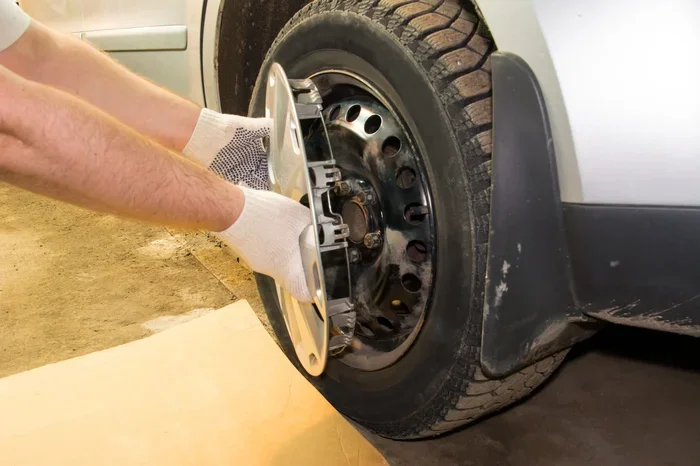
- Test fit before driving. Put the hubcap on and check it by hand. Push gently on the edges. Make sure it clicks into place and does not move.
- Keep hubcentric rings in your trunk. Even if the hubcap fits without them, having rings on hand is smart for future wheel changes.
- Clean your wheels before installing. Dirt and rust on the wheel hub can affect how the hubcap sits. A clean surface ensures a snug fit.
When to See a Professional for Hubcap Fitting
Most hubcap installations are DIY-friendly. But sometimes, it is smart to get professional help. If you have tried multiple hubcaps and none fit right, something else might be going on. Your wheels could be aftermarket or modified. In that case, standard hubcap fitment charts may not work.
A tire shop or auto mechanic can measure your wheels precisely. They have specialized tools like bolt pattern gauges and bore micrometers. If you are installing hubcaps on a classic car or a custom build, professional help is worth the cost. They can also advise on adapter rings and specialty fittings.
Do not hesitate to ask for help. A proper fit protects your investment. It also keeps you safe on the road. Spending a little extra time or money upfront saves you from bigger problems later.
Final Thoughts
Figuring out if a hubcap will fit your car comes down to three things. You need the right bolt pattern, the correct center bore, and the matching wheel diameter. Once you have those numbers, shopping becomes easy. You can browse with confidence and buy without worry.
Remember that hubcap fitment is not something to rush. Take the time to measure your wheels. Check the specifications. Compare them to the product details. A few extra minutes of effort saves you time, money, and frustration in the long run.
Whether you choose OEM or aftermarket hubcaps, the process is the same. Know your numbers. Match them carefully. And always test fit before you hit the road. With this guide in hand, you have everything you need to make the right choice. Your car deserves hubcaps that look great and stay put.
Now go ahead and find those perfect hubcaps. Your car is ready for a fresh new look.
Frequently Asked Questions
What is the easiest way to find my hubcap size?
Look at the side of your tire. The last number in the tire size code is your wheel diameter. For example, in 205/55R16, the number 16 means your wheel is 16 inches. This is the hubcap size you need. You can also check the sticker inside your driver door jamb for exact specifications.
Can I use hubcaps from a different car model?
Only if the bolt pattern, center bore, and wheel diameter match. Even if two cars look similar, their specs can differ. Always verify all three measurements before assuming compatibility. A mismatch can cause the hubcap to wobble or fall off while driving.
What are hubcentric rings and do I need them?
Hubcentric rings are small rings that fill the gap between the hubcap center bore and your wheel hub. Many aftermarket hubcaps have a larger center bore than your wheel hub. The rings center the hubcap properly and prevent wobbling. They are inexpensive and easy to install.
How do I know if my hubcap retention clips are the right type?
Look at your wheel rim closely. You will see small slots or clips around the inner edge. The hubcap retention clips should snap into these slots securely. If the clips do not match, the hubcap will not stay on. Check your owner manual or ask an auto parts store associate for help.
Can I drive with a hubcap that is slightly loose?
No. Even a slightly loose hubcap is a safety risk. It can fly off at higher speeds and damage other vehicles on the road. It can also scratch or crack your wheel rim. Always remove a loose hubcap and fix the fitment issue before driving.
Are used hubcaps a good option for my car?
Used hubcaps can work great if they are in good condition and the right size. Inspect them for cracks, bends, or missing clips. Check that the bolt pattern and center bore match your vehicle. Buying used saves money, but always verify the fitment details before purchasing.
=== CONCLUSION ===
Knowing how to confirm hubcap fitment is a skill every car owner should have. It protects your safety, your wheels, and your wallet. The key measurements are simple. Bolt pattern, center bore, and wheel diameter. Check these three numbers, and you will never buy the wrong hubcap again. Use the tips in this guide on your next purchase. Your car will look great and your hubcaps will stay exactly where they belong.