Do You Really Need Mud Flaps Or Are They Unnecessary
Mud flaps are more than just cosmetic accessories — they protect your vehicle from road debris, tire spray, and corrosion. Many drivers overlook them, but mud flaps can save you money on paint repairs and underbody damage. This guide covers everything you need to know about whether mud flaps are essential or unnecessary for your ride.
Key Takeaways
- Mud flaps protect your vehicle: They shield paint, wheel wells, and undercarriage from road debris and tire spray.
- They improve driving safety: By reducing spray, they give better visibility for you and other drivers.
- Not all vehicles need them: Sedans may benefit less than trucks and SUVs, but still gain protection.
- Types matter: Clip-on, bolt-on, and custom-fit mud flaps each serve different needs and budgets.
- They preserve vehicle value: Keeping your body and underbody clean helps maintain resale worth.
- Installation is simple: Most mud flaps install in minutes with basic tools.
- Check local laws: Some areas have regulations requiring splash guards on certain vehicles.
📑 Table of Contents
- Do You Really Need Mud Flaps? The Honest Answer
- What Are Mud Flaps and What Do They Do?
- Who Needs Mud Flaps the Most?
- Types of Mud Flaps: Which One Is Right for You?
- Are Mud Flaps Unnecessary? Common Myths Debunked
- Quick Tips for Choosing and Installing Mud Flaps
- Common Mistakes People Make with Mud Flaps
- How Mud Flaps Help Preserve Your Vehicle’s Value
- Do You Really Need Mud Flaps for Highway Driving?
- Final Thoughts: Are Mud Flaps Worth It?
Do You Really Need Mud Flaps? The Honest Answer
You see them on trucks and SUVs all the time. But do you really need mud flaps on your car? The short answer is yes. Even if you drive a compact sedan, mud flaps do more than just look good. They guard your vehicle against dirt, rocks, water, and road debris that can cause real damage over time.
Many drivers skip mud flaps because they think they are just accessories. But the truth is, mud flaps serve a practical purpose. They keep your paint shiny, your wheel wells clean, and your underbody safer from corrosion. Whether you commute daily or hit the highway on weekends, mud flaps deserve a spot on your vehicle.
In this article, we will break down everything you need to know. We will cover the real benefits, the different types available, common mistakes, and expert tips. By the end, you will know exactly whether mud flaps are a smart addition for you.
What Are Mud Flaps and What Do They Do?
Mud flaps are panels mounted behind the wheels. They are also called splash guards or fender liners in some cases. Their main job is simple — they block water, mud, rocks, and other debris thrown up by your tires.
When you drive on wet roads, your tires kick up a lot of spray. That spray hits the body of your car, the wheels of the car behind you, and even your own undercarriage. Mud flaps act as a barrier. They redirect that spray away from sensitive areas of your vehicle.
How Mud Flaps Protect Your Vehicle
Here is what mud flaps actually defend your car against:
- Tire spray and road spray: Water and mud thrown up by rotating tires.
- Road debris: Small rocks, gravel, and dirt that fly off the road surface.
- Paint damage: Chips, scratches, and stains caused by flying particles.
- Underbody corrosion: Moisture and salt that accelerate rust on the undercarriage.
- Wheel well buildup: Mud and grime that accumulate inside the fender area.
Over time, these threats add up. Without mud flaps, your vehicle takes more beating than you might realize. A set of good mud flaps can extend the life of your paint job and protect critical components underneath.
Who Needs Mud Flaps the Most?
Not every driver faces the same risks. The need for mud flaps depends on your vehicle type, driving conditions, and how much time you spend on the road.
Truck and SUV Drivers
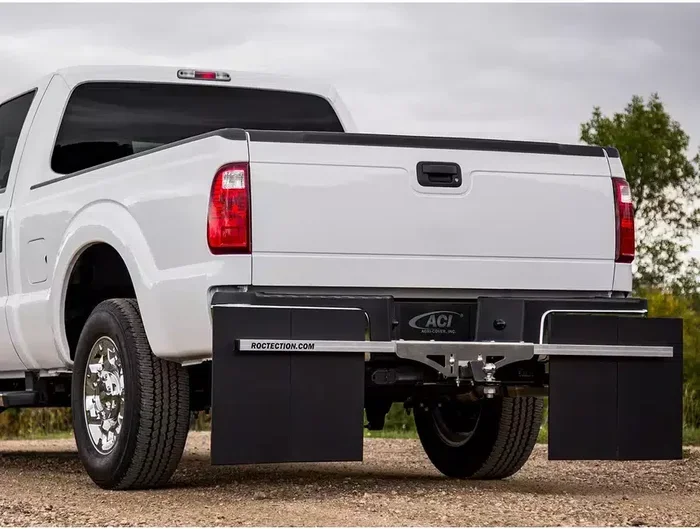
If you drive a truck or SUV, mud flaps are almost essential. These vehicles sit higher off the ground. Their larger tires throw more spray. Without mud flaps, the back of your truck can look like it just came out of a muddy field after every rain.
Truck owners also deal with more road debris because of their size and weight. Mud flaps help protect other drivers on the road too. Tire spray from a big truck can obscure the windshield of a car behind it. Mud flaps reduce that risk significantly.
Sedan and Compact Car Drivers
You might think mud flaps are only for big vehicles. But compact cars benefit too. Smaller cars sit closer to the ground. That means more road spray hits the doors, quarter panels, and rocker panels.
Even if you drive a sedan, mud flaps can protect your paint and keep your wheels cleaner. They are especially useful if you commute on highways where spray from trucks and other vehicles is constant.
Off-Road and Rural Drivers
If you frequently drive on dirt roads, gravel paths, or rural highways, mud flaps are a must. Off-road conditions kick up far more debris than paved city streets. Mud flaps keep your vehicle cleaner and reduce the need for frequent washes.
Types of Mud Flaps: Which One Is Right for You?
Not all mud flaps are the same. Different styles offer different levels of protection, durability, and aesthetics. Here is a breakdown of the most common types.
Clip-On Mud Flaps
Clip-on mud flaps are the most popular option. They attach to your existing fender lip using plastic clips or fasteners. Installation is quick and easy. You do not need any special tools.
These mud flaps work well for most passenger cars and light trucks. They are affordable and widely available. The downside is they may not look as sleek as other options.
Bolt-On Mud Flaps
Bolt-on mud flaps are more secure. They attach directly to the wheel well using screws or bolts. This gives them a tighter fit and better protection against flying debris.
These are ideal for trucks and SUVs that see heavy use. The installation takes a bit more time, but the result is a more durable setup. Bolt-on mud flaps also tend to look more integrated with the vehicle body.
Custom-Fit Mud Flaps
Custom-fit mud flaps are designed specifically for your vehicle make and model. They match the contours of your fenders perfectly. This gives the best coverage and the cleanest look.
These mud flaps are usually more expensive. But they offer superior protection and a factory-like appearance. Many custom-fit options come with pre-drilled holes for bolt-on installation.
Comparison Table: Mud Flap Types at a Glance
| Type | Protection Level | Ease of Install | Price Range | Best For |
|---|---|---|---|---|
| Clip-On | Good | Very Easy | $15 – $40 | Daily drivers, sedans |
| Bolt-On | Excellent | Moderate | $30 – $80 | Trucks, SUVs, heavy use |
| Custom-Fit | Excellent | Moderate | $50 – $150 | Specific vehicle models |
Are Mud Flaps Unnecessary? Common Myths Debunked
You may have heard people say mud flaps are pointless or ugly. Let us address the most common myths head-on.
Myth 1: Mud Flaps Only Look Good
This is far from the truth. Mud flaps serve a very real protective function. They prevent paint chips, reduce underbody rust, and keep your wheel wells clean. The cosmetic benefit is a bonus, not the main purpose.
Myth 2: Mud Flaps Slow You Down
Some drivers worry that mud flaps create drag and hurt fuel economy. In reality, the drag from properly installed mud flaps is negligible. The fuel cost of not having them — in the form of paint repairs and corrosion — is far greater.
Myth 3: Only Trucks Need Mud Flaps
As we discussed earlier, mud flaps benefit all vehicle types. A sedan on a rainy highway gets just as much spray as a truck. Mud flaps protect any vehicle from the constant barrage of road debris.
Myth 4: Mud Flaps Are Expensive
Basic mud flaps are very affordable. A set of clip-on flaps can cost as little as $15 to $30. Even premium custom-fit options rarely exceed $150. Compare that to the cost of a paint job or underbody repair, and mud flaps are a steal.
Quick Tips for Choosing and Installing Mud Flaps
Ready to get mud flaps for your vehicle? Here are some quick tips to guide you.
- Measure your wheel wells. Make sure the mud flaps you choose are the right size. Too small and they will not cover enough. Too big and they may rub against the tires.
- Check local laws. Some states and regions require splash guards on commercial vehicles. Even if not legally required, mud flaps are a smart safety choice.
- Choose durable materials. Look for mud flaps made from ABS plastic, rubber, or thermoplastic. These materials resist cracking in cold weather and fading in the sun.
- Install them properly. Follow the manufacturer instructions carefully. Loose mud flaps can rattle, vibrate, or even come off while driving.
- Clean them regularly. Mud flaps collect dirt and debris themselves. A quick rinse during car washes keeps them working well and looking good.
Expert Insight
According to automotive experts, mud flaps are one of the most underrated vehicle accessories. A simple set of splash guards can prevent hundreds of dollars in bodywork and underbody repairs over the life of your vehicle. The return on investment is hard to beat.
Common Mistakes People Make with Mud Flaps
Even with the best intentions, some drivers make mistakes when it comes to mud flaps. Here are the most common ones to avoid.
- Buying the wrong size: Ill-fitting mud flaps do not provide proper coverage. Always check compatibility with your specific vehicle model.
- Ignoring wear and tear: Over time, mud flaps can crack, warp, or lose their clips. Replace damaged flaps promptly to maintain protection.
- Skipping installation on the front wheels: Many people only put mud flaps on the rear. The front wheels throw just as much spray. Protect all four corners for best results.
- Choosing style over function: Some decorative mud flaps look great but offer minimal protection. Prioritize material quality and coverage area.
- Not checking for local regulations: In some areas, vehicles without mud flaps or splash guards may fail inspection or face fines.
How Mud Flaps Help Preserve Your Vehicle’s Value
One benefit of mud flaps that many people overlook is their impact on resale value. A well-maintained exterior and clean underbody make a huge difference when it is time to sell or trade in your vehicle.
Paint chips from road debris may seem minor at first. But over months and years, they add up. Each chip is an opening for moisture and rust. Mud flaps act as a first line of defense, keeping your body panels intact and your paint looking fresh.
The undercarriage is especially vulnerable. Salt, water, and dirt that hit the bottom of your vehicle cause corrosion over time. Mud flaps reduce the amount of moisture and debris that reaches the underbody. This helps prevent rust from forming in hidden areas that are expensive to repair.
Buyers notice a clean, well-protected vehicle. When a potential buyer sees mud flaps still in good condition, it signals that the owner took proper care of the vehicle. That perception can translate into a higher resale price.
Do You Really Need Mud Flaps for Highway Driving?
If you spend a lot of time on the highway, mud flaps are especially important. Highway driving exposes your vehicle to constant spray from other vehicles. Trucks, buses, and even other cars kick up water, salt, and gravel at high speeds.
At highway speeds, the force of debris hitting your vehicle increases significantly. A small pebble launched from a tire can chip paint or crack a headlight. Mud flaps reduce the impact of these projectiles and keep your vehicle safer.
Winter driving makes mud flaps even more critical. Road salt and sand create a harsh environment for your vehicle. These abrasive materials accelerate paint damage and underbody corrosion. Mud flaps help shield your car from the worst of it.
Final Thoughts: Are Mud Flaps Worth It?
So, do you really need mud flaps? After looking at all the evidence, the answer is clear. Mud flaps are a practical, affordable, and easy-to-install accessory that offers real protection for your vehicle.
They keep your paint intact, prevent underbody corrosion, improve driving safety, and even help preserve resale value. Whether you drive a truck, SUV, sedan, or compact car, mud flaps deliver benefits that go far beyond aesthetics.
The myth that mud flaps are unnecessary or just cosmetic accessories simply does not hold up. Every driver who spends time on the road — rain or shine, highway or dirt path — benefits from the protection that mud flaps provide.
Do not wait until you see a chip in your paint or rust forming on your undercarriage. Invest in a quality set of mud flaps today. Your vehicle will thank you for years to come.
Mud flaps are one of the simplest and most cost-effective ways to protect your car. They are worth every penny.
Frequently Asked Questions
Are mud flaps required by law?
Laws vary by state and country. Some regions require splash guards on commercial vehicles. Passenger cars are generally not legally required to have mud flaps, but they are still highly recommended for protection.
Can I install mud flaps myself?
Yes, most mud flaps are designed for easy DIY installation. Clip-on models require no tools at all. Bolt-on and custom-fit options may need basic hand tools. The process usually takes 15 to 30 minutes.
Do mud flaps affect fuel economy?
The impact is negligible. Modern mud flaps are designed with aerodynamics in mind. The tiny amount of drag they create is far outweighed by the protection they offer your vehicle.
What are mud flaps made of?
Most mud flaps are made from ABS plastic, rubber, or thermoplastic. These materials are durable, flexible, and resistant to weather damage. Higher-end options may use composite materials for extra strength.
How often should I replace my mud flaps?
With proper care, mud flaps can last several years. Inspect them regularly for cracks, warping, or loose fasteners. Replace them when they no longer fit securely or show signs of significant wear.
Do mud flaps work in winter conditions?
Absolutely. Mud flaps are especially useful in winter. They block road salt, sand, and slush from hitting your vehicle’s body and undercarriage. This helps prevent corrosion and keeps your car cleaner during the cold months.