Can You Put a Hitch on a Hybrid Car and Tow Safely
Yes, you can put a hitch on a hybrid car, but there are important limits to know. Every hybrid model has a specific towing capacity that varies by manufacturer and trim. Understanding your vehicle’s weight rating and choosing the right hitch type keeps you safe on the road. This guide covers everything from installation to towing safety for hybrid owners.
More and more drivers own hybrid cars today. These vehicles save fuel and reduce emissions. But what happens when you need to tow something? Maybe you want to haul a small trailer. Perhaps you need to pull a camper for a weekend getaway. The question everyone asks is simple: can you put a hitch on a hybrid car?
The short answer is yes. Most hybrid vehicles can accept a tow hitch. However, the details matter a lot. Not every hybrid handles towing the same way. Some models have strong towing limits. Others come with strict restrictions. This guide walks you through everything you need to know about hybrid car towing. You will learn about hitch types, weight limits, installation steps, and towing safety tips.
Key Takeaways
- Hybrid cars can accept hitches: Most hybrid sedans and SUVs support aftermarket towing equipment when installed correctly.
- Towing capacity varies widely: Some hybrids can tow up to 5,000 pounds, while others have strict limits under 1,000 pounds.
- Frame-mounted hitches work best: These provide the strongest and safest connection for hybrid vehicles.
- Professional installation is recommended: Improper installation can damage your hybrid’s electrical and braking systems.
- Hybrid battery health matters: Towing extra weight affects fuel efficiency and battery performance.
- Safety comes first: Always follow your owner’s manual towing guidelines and local regulations.
📑 Table of Contents
Understanding Hybrid Cars and Towing Basics
Hybrid cars combine a gas engine with an electric motor. This setup gives you better fuel economy. It also reduces exhaust output. But it adds complexity to the vehicle. The extra weight of the battery pack changes how a hybrid handles towing. You need to understand these basics before you decide to tow anything behind your hybrid vehicle.
What Makes Hybrids Different for Towing
Traditional cars rely mostly on their gas engine for power. Hybrids use two power sources. The electric motor provides instant torque. The gas engine kicks in for extra speed and range. When you add a trailer, both systems work harder. This means your hybrid battery drains faster. Your gas engine runs more often too.
Here are key differences between hybrids and regular cars when towing:
- Extra vehicle weight: The battery pack adds 200 to 500 pounds to the car. This reduces your available towing capacity.
- Regenerative braking changes: Towing affects how the hybrid recaptures energy during braking.
- Fuel efficiency drops: Expect your gas mileage to fall significantly when towing a load.
- Cooling system stress: The electric motor and battery need proper cooling under heavy loads.
- Transmission strain: Hybrid transmissions work differently. Towing puts extra demand on them.
These factors do not mean you cannot tow. They mean you must be informed. Know your limits before you hit the road with any towing equipment.
Can You Put a Hitch on a Hybrid Car?
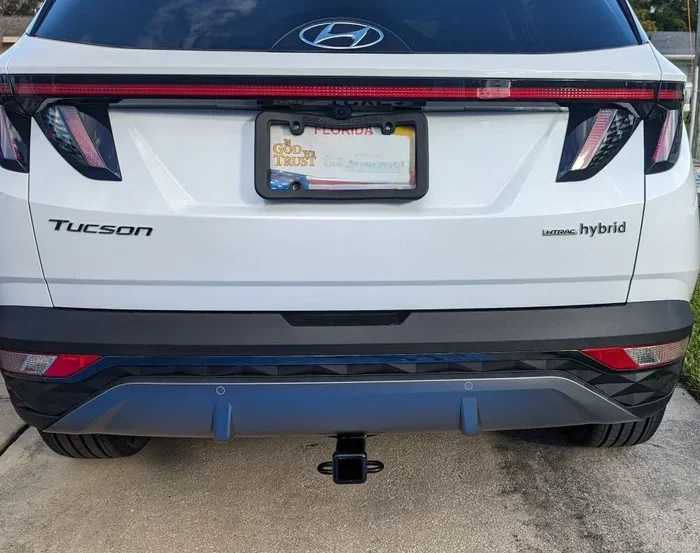
The good news is that most hybrid cars can have a hitch installed. Car manufacturers design many hybrid models with towing in mind. Popular hybrid SUVs like the Toyota RAV4 Hybrid and Ford Escape Hybrid often come with factory towing options. Even some hybrid sedans support light towing duties.
But you cannot just buy any hitch and bolt it on. Every vehicle has a specific towing capacity. This number tells you the maximum weight your car can safely pull. Exceeding this limit damages your engine, transmission, and brakes. It also creates dangerous driving conditions.
Types of Hitches for Hybrid Vehicles
Not all hitches are the same. Different hitch styles serve different towing needs. Here are the most common types used on hybrid cars:
- Receiver hitches: These are the most popular. They attach to a receiver tube under the bumper. You can remove them when not in use. They work great for bike racks, cargo carriers, and small trailers.
- Ball hitches: These mount onto a receiver hitch. They hold a ball mount for connecting a trailer. Available in different sizes like 1-1/4 inch and 2 inch.
- Gooseneck hitches: These mount in the truck bed. They are not common on hybrids but work for heavy-duty towing.
- Bumper hitches: These bolt directly to the rear bumper. They are lighter-duty and best for small loads.
- Frame-mounted hitches: These attach to the vehicle’s frame. They offer the strongest hold and are ideal for serious towing.
For most hybrid owners, a receiver hitch or frame-mounted hitch works best. These options balance strength with ease of use. Always check your vehicle’s manual to confirm which hitch type is compatible.
Towing Capacity and Weight Limits
Every hybrid car has a towing capacity listed by the manufacturer. This number is not a suggestion. It is a hard limit based on engineering and safety testing. Ignoring it can lead to costly repairs or worse, a serious accident.
Finding Your Hybrid’s Towing Specs
You need to find your specific model’s towing numbers. Here is where to look:
- Owner’s manual: Check the towing section. It lists your exact towing capacity and tongue weight limits.
- Driver’s door jamb sticker: This label shows your vehicle’s gross vehicle weight rating (GVWR).
- Manufacturer website: Look up your model year and trim online.
- Dealer service department: They can pull your vehicle’s exact specs.
Here is a quick comparison of popular hybrid models and their towing capacities:
| Hybrid Model | Towing Capacity | Hitch Type |
|---|---|---|
| Toyota RAV4 Hybrid | Up to 1,750 lbs | Frame-mounted receiver |
| Ford Escape Hybrid | Up to 1,500 lbs | Receiver hitch |
| Toyota Highlander Hybrid | Up to 5,000 lbs | Frame-mounted hitch |
| Ford Escape PHEV | Up to 2,500 lbs | Receiver hitch |
| Honda CR-V Hybrid | Up to 1,500 lbs | Receiver hitch |
| Chevrolet Equinox Hybrid | Up to 1,500 lbs | Receiver hitch |
These numbers vary by trim level and package. Always double-check your specific vehicle. Some trims include a factory towing package that raises the limit. Others come with restrictions that prevent any towing at all.
Installation: What You Need to Know
Installing a hitch on a hybrid car requires careful attention. The process is similar to installing a hitch on a regular car. But hybrids have extra electrical components that demand caution. You want to protect your hybrid battery and all the sensors that keep your car running smoothly.
DIY vs Professional Installation
Many car owners wonder if they can install a hitch themselves. The honest answer is: it depends. If you have strong mechanical skills and the right tools, a DIY install is possible. But for most people, professional installation is the smarter choice.
Here is why professional installation matters for hybrid vehicles:
- Electrical system safety: Hybrids have high-voltage wiring. A single mistake during installation can damage expensive components.
- Proper grounding: Hitches need correct grounding to avoid electrical issues with your hybrid systems.
- Weight distribution: A professional ensures the hitch is mounted at the right angle and torque specs.
- Warranty protection: Improper DIY installation may void your vehicle warranty.
- Safety compliance: Professionals follow local towing regulations and code requirements.
If you choose the DIY route, buy a hitch that matches your vehicle’s specifications. Use a torque wrench for every bolt. Follow the installation instructions step by step. Never skip the wiring harness for trailer lights. Your towing safety depends on it.
The average cost for a professional hitch installation ranges from $200 to $500. This includes the hitch, hardware, and wiring. It is a worthwhile investment for peace of mind.
Towing Safely with a Hybrid Car
Once your hitch is installed, safe towing becomes your top priority. Towing changes how your hybrid car drives. The extra weight affects stopping distance, handling, and stability. You need to adjust your driving habits accordingly.
Hybrid-Specific Towing Tips
Follow these practical tips every time you tow with your hybrid:
- Check your tire pressure: Proper inflation improves stability and fuel economy when towing.
- Use the right hitch ball size: Match the ball size to your trailer coupler. A loose connection is dangerous.
- Distribute weight evenly: Place heavier items over the axle. This prevents swaying and fishtailing.
- Brake earlier: Towing adds weight. Your stopping distance increases significantly.
- Monitor your hybrid battery: Keep an eye on battery temperature and charge levels during long tows.
- Use tow mode if available: Many hybrids have a tow mode that adjusts transmission behavior for better control.
- Take breaks on long trips: Let your hybrid systems cool down periodically.
Towing safety is not just about the equipment. It is about how you drive. Hybrid vehicles handle differently when loaded. Respect the limits of your car and your trailer.
One often overlooked tip is to practice driving with your trailer before hitting the highway. Find an empty parking lot. Get a feel for how your hybrid responds with the extra weight. This simple step builds confidence and reduces risk on the road.
Common Mistakes to Avoid
Even experienced drivers make towing mistakes. Hybrid car owners face some unique pitfalls. Here are the most common errors and how to avoid them:
- Exceeding towing capacity: This is the number one mistake. Never assume your hybrid can tow more than the manufacturer states.
- Ignoring tongue weight: Too much weight on the hitch ball causes dangerous swaying. Keep tongue weight between 10 and 15 percent of total trailer weight.
- Skipping the wiring harness: Without proper wiring, your trailer lights will not work. This is both illegal and unsafe.
- Using the wrong hitch class: Class I and II hitches work for light towing. Class III and above handle heavier loads. Match the class to your needs.
- Neglecting maintenance: Towing wears out your brakes, transmission, and tires faster. Stay on top of regular service.
- Forgetting about fuel efficiency: Towing a heavy load with a hybrid will significantly reduce your fuel economy. Plan for more frequent gas stops.
Avoiding these mistakes keeps your hybrid car in good shape. It also keeps you and others safe on the road.
Expert Insights on Hybrid Towing
Automotive experts agree that hybrids make surprisingly good towing vehicles for their size. The electric motor provides strong low-end torque. This helps with acceleration when pulling a trailer from a stop. However, experts caution that hybrids are not built for heavy-duty towing like full-size trucks.
Towing with a hybrid works best for light to moderate loads. Think camping gear, a small boat, or a utility trailer. If you need to tow heavy loads regularly, a hybrid may not be the best choice. Consider a truck or full-size SUV instead.
Experts also highlight the importance of understanding your hybrid towing package. Some manufacturers offer factory-installed towing packages. These include upgraded cooling systems, stronger suspension, and dedicated wiring. A factory package is always better than an aftermarket setup for long-term reliability.
One final expert tip: always check local towing regulations before you tow. Different states and provinces have different rules about maximum towing weights, trailer brakes, and safety equipment. Staying compliant keeps you legal and safe.
Conclusion
So, can you put a hitch on a hybrid car? Absolutely. Most hybrid vehicles support aftermarket towing equipment with proper installation. The key is knowing your vehicle’s towing capacity and staying within safe limits. Choose the right hitch type for your needs. Have it installed correctly. And always prioritize towing safety on every trip.
Hybrid cars offer a unique blend of efficiency and capability. With the right towing equipment and a smart approach, you can confidently tow with your hybrid. Just remember that every vehicle is different. Respect what your car can do. And never push beyond its limits.
Whether you are pulling a small utility trailer or hauling gear for a weekend adventure, a hitch on your hybrid car opens up new possibilities. Stay informed, drive safely, and enjoy the freedom that comes with proper towing setup.
Frequently Asked Questions
Can any hybrid car have a hitch installed?
Most hybrid cars can accept a hitch, but not all models support towing. Check your owner’s manual or contact your dealer to confirm whether your specific hybrid model allows hitch installation and towing.
Does installing a hitch void a hybrid car’s warranty?
It depends. If the installation is done improperly and causes damage, the manufacturer may deny the warranty claim. Professional installation from an authorized dealer or certified shop helps protect your warranty coverage.
How much does it cost to put a hitch on a hybrid car?
The cost typically ranges from $300 to $800 for parts and professional installation. The price varies based on the hitch type, your vehicle model, and local labor rates. Factory-installed towing packages may cost more upfront but offer better long-term reliability.
Will towing reduce my hybrid car’s fuel efficiency?
Yes, towing significantly reduces fuel efficiency in any vehicle. Hybrids are no exception. The extra weight forces both the gas engine and electric motor to work harder, which burns more fuel and reduces your miles per gallon.
What is the safest hitch type for a hybrid car?
A frame-mounted receiver hitch is generally the safest option for hybrid vehicles. It provides the strongest connection and distributes weight evenly across the vehicle’s frame. Always choose a hitch that matches your hybrid’s towing capacity.
Can I tow a travel trailer with a hybrid SUV?
Some hybrid SUVs can tow travel trailers, but only within their specified towing capacity. Models like the Toyota Highlander Hybrid and Ford Escape Hybrid support moderate towing. Always verify your specific model’s towing limits before hauling a travel trailer.
=== CONCLUSION ===
Putting a hitch on a hybrid car is entirely possible and practical for many drivers. Whether you need to tow a small trailer or carry extra gear, the right hitch setup makes it happen safely. The most important steps are knowing your vehicle’s towing capacity, choosing the correct hitch type, and having it professionally installed. Always follow your manufacturer’s guidelines and never exceed your hybrid’s weight limits. With the right approach, your hybrid car can handle towing duties without sacrificing reliability or safety.