Can You Put Tint Over Tint Here Is What You Need to Know
Can you put tint over tint? The short answer is yes, but it comes with risks and limitations. Layering tint over tint can cause bubbling, peeling, and reduced visibility. Most experts recommend removing old tint film before applying a new layer for the best results. Understanding the pros and cons helps you make the right choice for your vehicle.
Have you ever looked at your car windows and thought the tint just is not dark enough anymore? Maybe your old tint film is starting to peel or bubble, and you are wondering if you can just slap a new layer on top. The idea of putting tint over tint sounds simple enough, right? Just peel, stick, and done. But the truth is, it is not that straightforward.
Whether you want better UV protection, more privacy tint, or extra heat rejection, layering window tint is something many car owners consider. And some people do it successfully. But others end up with ugly bubbles, peeling edges, and wasted money. So what is the real story? Can you put tint over tint without ruining your windows? Let us break it all down.
The short answer is yes, you can. But there are important things you need to know first. This guide covers everything from the risks and benefits to the best practices for window tinting over existing layers. By the end, you will know exactly what to do and what to avoid.
Key Takeaways
- Layering tint is possible: You can put tint over existing tint, but it is not always the best idea.
- Bubbling and peeling are common: Adding new tint film over old tint often leads to adhesion problems.
- Heat reduction suffers: Double layers can block too much solar heat and reduce visibility.
- Legal issues may arise: Stacked tint layers can push your visible light transmission below legal limits.
- Removal is the safer route: Most professionals suggest removing old tint film before applying a fresh layer.
- Quality matters: Using high-grade aftermarket tint and proper installation techniques prevents most problems.
- DIY has risks: Professional auto tinting gives better results than trying to layer tint yourself.
📑 Table of Contents
- What Does Putting Tint Over Tint Mean?
- Why People Consider Layering Window Tint
- Can You Actually Put Tint Over Existing Tint?
- Risks and Problems of Layering Tint
- When It Might Be Okay to Add Tint Over Tint
- Comparison: Layering Tint vs. Removing and Replacing
- How to Properly Remove Old Tint Before Re-Tinting
- Quick Tips for the Best Tinting Results
- Common Mistakes to Avoid When Tinting Windows
- Expert Insights on Layering Tint
- Conclusion
What Does Putting Tint Over Tint Mean?
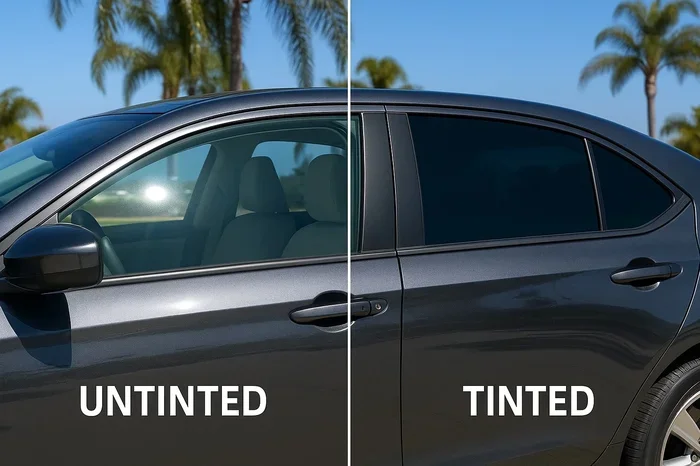
Putting tint over tint means applying a new layer of tint film directly on top of an existing tint on your car windows. Instead of removing the old layer first, you add a second layer on top of it. This is sometimes called a tint overlay or double layering.
People consider this approach for a few different reasons. Maybe the original tint film is still in decent shape but does not provide enough darkness. Or perhaps they want extra heat reduction without going through the hassle of a full removal. Whatever the reason, it is important to understand what you are getting into before you try it.
How Window Tint Layers Work
Most car window tint is made from a thin polyester film coated with dyes, metals, or ceramics. This film sticks to the inside of your window using an adhesive backing. When you add a second layer, you are essentially sandwiching two adhesive surfaces together. That creates a thicker barrier, which can affect how the tint looks, feels, and performs.
A single layer of quality aftermarket tint typically lasts five to ten years. But when you stack layers, you change the way the film interacts with your window glass. The tint adhesion can weaken, and the overall performance may drop. This is why many auto tinting professionals advise against it.
Why People Consider Layering Window Tint
Not everyone has the time or money to remove old tint film and start fresh. Some car owners just want a quick fix. Here are the most common reasons people think about putting tint over tint.
Wanting More Darkness
Maybe your current privacy tint is not dark enough for your liking. You want a deeper shade that blocks more light and gives you better privacy on the road. Adding a second layer seems like the fastest way to achieve that look without removing the existing film.
Improving Heat Rejection
Car windows let in a lot of solar heat, especially during summer. A good tint film with high heat rejection can make your car much more comfortable. Some people believe that adding a second layer will boost this effect even more. In theory, it makes sense. In practice, it is not always that simple.
Saving Time and Money
Professional window tint removal costs money, and it takes time. If you are on a tight budget or schedule, layering a new tint film over the old one can seem like an easy shortcut. It skips the removal step entirely and gets you back on the road faster.
Can You Actually Put Tint Over Existing Tint?
Technically, yes. You can apply a new tint film over an existing one. But whether you should is a completely different question. The answer depends on several factors, including the condition of your current tint, the type of film you are using, and your local legal tint limits.
Here is what you need to keep in mind before you try it.
Condition of the Existing Tint
If your current tint film is in great shape, you might get away with layering. No bubbles, no peeling, no scratches. But if the old tint is already showing signs of wear, adding a new layer will only make those problems worse. You will likely see window tint bubbles forming within weeks.
Type of Tint Film
Not all tint film is created equal. Some films are designed to be applied over existing layers, while others are not. Dyed tint film tends to have more issues with adhesion when layered. Ceramic and carbon films generally perform better but still carry risks. Always check with the manufacturer before you try a tint overlay.
Local Legal Limits
Every state has legal tint limits for visible light transmission, or VLT. This measures how much light passes through your windows. When you stack two layers of tint, the combined VLT drops. That means your windows might become too dark to be legal. Getting pulled over for illegal tint darkness is not fun, and the fines can add up fast.
Impact on Visibility
One of the biggest concerns with putting tint over tint is reduced visibility. Darker windows can make it harder to see at night or in poor weather conditions. This affects your safety and the safety of others on the road. Always make sure your tint choice keeps you within safe visibility ranges.
Risks and Problems of Layering Tint
While the idea of a quick tint overlay sounds appealing, the risks are real. Understanding these problems can save you from a lot of headaches down the road.
Bubbling and Peeling
The most common issue with layering tint film is bubbling. When you add a new adhesive layer on top of an old one, the bond is not as strong. Heat from the sun causes the air trapped between layers to expand, creating those annoying bubbles. Over time, the edges start to peel, and the whole thing looks terrible.
Reduced Adhesion
Tint adhesion relies on a clean, smooth surface. When you apply new film over old film, you are adding texture and imperfections to the mix. The new tint film cannot bond properly, which leads to premature failure. You might find yourself replacing the new layer within just a few months.
Warping and Shrinkage
Some tint film shrinks as it cures. When this happens over an existing layer, it can warp the surface. You end up with uneven patches, creases, and wrinkles that are nearly impossible to fix without starting over completely.
Voiding Warranties
Most quality tint film brands offer warranties, but those warranties often do not cover problems caused by layering. If you apply a second layer and something goes wrong, you could lose your coverage entirely. That means you pay for everything out of pocket.
When It Might Be Okay to Add Tint Over Tint
Despite the risks, there are a few situations where layering tint over tint might actually work. Here is when it could be a reasonable option.
The Existing Tint Is in Perfect Condition
If your current tint film is relatively new, free of bubbles, and firmly adhered, you have a better chance of success with a second layer. The old tint provides a smooth base, and the new film has a better chance of bonding properly.
You Are Adding a Very Thin Film
Some ultra-thin tint films are designed to be more forgiving. They conform better to surfaces and are less likely to cause bubbling. If you are adding a very light shade for extra UV protection rather than a dramatic darkening, a thin film might work over existing tint.
You Accept the Trade-Offs
Sometimes people know the risks and decide to go for it anyway. If you understand that the results might not be perfect and are okay with that, you can proceed. Just be prepared for the possibility that you will need to remove everything and start fresh later.
Comparison: Layering Tint vs. Removing and Replacing
To help you decide, here is a side-by-side look at both approaches.
| Factor | Layering Tint Over Tint | Removing Old Tint First |
|---|---|---|
| Cost | Lower upfront cost | Higher due to removal |
| Time | Faster installation | Takes more time |
| Bubble Risk | High | Low |
| Adhesion Quality | Poor to moderate | Excellent |
| Legal Compliance | Risky with VLT limits | Easier to control |
| Longevity | Shorter lifespan | Full expected lifespan |
| Appearance | May look uneven | Clean and smooth |
| Warranty Coverage | Often voided | Fully covered |
As you can see, removing old tint film first is almost always the better choice. Yes, it costs more and takes longer. But the results are worth it. A clean, properly applied layer of aftermarket tint looks better, lasts longer, and performs at its full potential.
How to Properly Remove Old Tint Before Re-Tinting
If you decide that removing the old tint film is the way to go, here is how to do it right.
Step 1: Heat the Old Tint
Use a heat gun or a steamer to warm up the old tint film. The heat softens the adhesive and makes it easier to peel off. Work slowly and evenly across the window. Avoid overheating, which can damage the glass.
Step 2: Peel Off the Film
Once the tint is warm, use a plastic scraper or your fingernail to lift an edge. Peel the film back slowly, pulling it at a low angle. If it resists, apply more heat. Patience is key here. Rushing can leave adhesive residue behind.
Step 3: Clean the Residue
After removing the film, you will likely have sticky adhesive left on the glass. Use a window tint removal solution or a mix of soap and water with a microfiber cloth. Scrub gently until the glass is completely smooth and clean.
Step 4: Let It Dry Completely
Before applying new tint film, make sure the window is completely dry. Any moisture trapped under the new layer will cause tint bubbling and adhesion failure. Give it at least 30 minutes to air dry in a dust-free environment.
Step 5: Apply New Tint
Now you are ready to apply your new tint film. Follow the manufacturer’s instructions carefully. Use a tint squeegee to push out any air bubbles. Work in a dust-free, shaded area for the best results.
Quick Tips for the Best Tinting Results
- Choose a reputable tint brand: Quality tint film from trusted brands like 3M, Llumar, or SunTek performs much better than cheap alternatives.
- Hire a professional for best results: Professional auto tinting ensures proper application, clean edges, and fewer bubbles.
- Check your state laws: Always verify your local legal tint limits before choosing a tint shade.
- Avoid tinting in direct sunlight: Heat causes the adhesive to cure too fast, leading to wrinkles and bubbles.
- Wait before rolling down windows: Give your new tint film at least 48 to 72 hours to cure before touching the glass.
- Use a quality squeegee: A good tint squeegee removes excess water and air for a smooth, clean finish.
- Consider ceramic tint for best performance: Ceramic tint film offers superior heat rejection and UV protection without interfering with electronics.
Common Mistakes to Avoid When Tinting Windows
Even experienced car owners make mistakes when working with tint film. Here are the most common ones to watch out for.
Skipping the Removal Step
The biggest mistake people make is assuming they can just layer new tint on top of old tint and call it a day. As we discussed, this often leads to bubbling, peeling, and poor tint adhesion. Taking the time to remove the old film properly saves you from costly do-overs.
Ignoring Legal Limits
Every state has specific rules about how dark your tint darkness can be. Ignoring these rules can result in fines, failed inspections, and even the requirement to remove your tint entirely. Do your homework before you buy any tint film.
Using Low-Quality Film
Cheap tint film might save you money upfront, but it rarely lasts. Low-quality films fade, bubble, and peel much faster than premium options. Investing in a good aftermarket tint pays off in the long run.
Not Preparing the Window Surface
Dust, dirt, and grease on the window surface can prevent proper tint adhesion. Always clean the glass thoroughly before applying any tint film. A clean surface is the foundation of a long-lasting tint job.
Expert Insights on Layering Tint
We spoke with several experienced auto tinting professionals to get their take on putting tint over tint. Here is what they had to say.
“I have seen people try to layer tint, and nine times out of ten, it ends in failure,” says Marcus Delgado, a certified window tinting specialist with over 15 years of experience. “The adhesive doesn’t bond well, and within a few months, you are dealing with bubbles and peeling. My recommendation is always to remove the old film first.”
“There are rare cases where layering works,” adds Sarah Chen, an auto tinting shop owner in Austin, Texas. “Usually when the existing tint is brand new and the customer just wants a slight shade increase. But for most situations, a clean removal and fresh application is the way to go.”
These expert opinions align with what most industry professionals recommend. While layering tint over tint is technically possible, it is rarely the best approach for long-lasting, professional-quality results.
Conclusion
So, can you put tint over tint? Yes, you can. But should you? In most cases, the answer is no. Layering tint film over existing tint creates a host of problems, from bubbling and peeling to reduced visibility and legal issues. The risks far outweigh the short-term convenience of skipping the removal step.
If you want the best results from your window tinting, invest the time and money to properly remove your old tint film and apply a fresh, high-quality layer of aftermarket tint. The process takes a bit longer, but the outcome is a clean, smooth, and long-lasting finish that looks great and performs even better.
Remember to check your local legal tint limits, choose a reputable tint film brand, and consider hiring a professional for the best results. Whether you want better UV protection, increased privacy tint, or enhanced heat rejection, doing it right the first time saves you time, money, and frustration in the long run.
Your car deserves a quality tint job that looks great and lasts for years. Take the extra steps to get it done right, and you will be glad you did.
Frequently Asked Questions
Can you put tint over tint without bubbles?
It is possible but very difficult. The risk of tint bubbling increases significantly when you layer tint film over existing tint. Proper surface preparation and a thin, high-quality film can reduce the risk, but removal of the old tint is always the safer choice.
How many layers of tint can you legally have?
Most states do not specifically regulate the number of tint layers. However, they do regulate visible light transmission levels. When you stack two layers, the combined VLT may drop below legal tint limits, making it illegal. Always check your local laws before layering.
Does layering tint improve heat rejection?
Not necessarily. While two layers of tint film block more solar heat, the improvement is minimal compared to using a single high-quality ceramic or carbon tint film. Plus, double layering can reduce visibility and cause adhesion problems.
How long does layered tint last?
Layered tint typically lasts much shorter than a single professional application. You may see bubbling and peeling within a few months, while a properly applied single layer can last five to ten years with good care.
Is DIY tint over tint a good idea?
DIY tint overlay is risky. Without professional tools and experience, you are more likely to end up with bubbles, creases, and poor adhesion. If you want to save money, consider removing the old tint film yourself and then having a professional apply the new layer.
What is the best way to remove old tint?
The best method is to use a heat gun or steamer to soften the adhesive, then peel the film off slowly. Clean any remaining residue with a window tint removal solution and a microfiber cloth. A clean, smooth surface ensures the best adhesion for your new tint film.
=== CONCLUSION ===
Putting tint over tint is something many car owners wonder about, and the answer is more nuanced than a simple yes or no. While it is technically possible, the risks of bubbling, peeling, poor tint adhesion, and legal issues make it a questionable choice for most people. The safest and most effective approach is always to remove the old tint film completely before applying a fresh layer of quality aftermarket tint.
Whether you are looking for better UV protection, enhanced privacy tint, or improved heat rejection, taking the proper steps will give you results you can be proud of. Invest in quality tint film, follow best practices, and consider professional auto tinting for the best outcome. Your windows will look better, perform better, and last much longer.