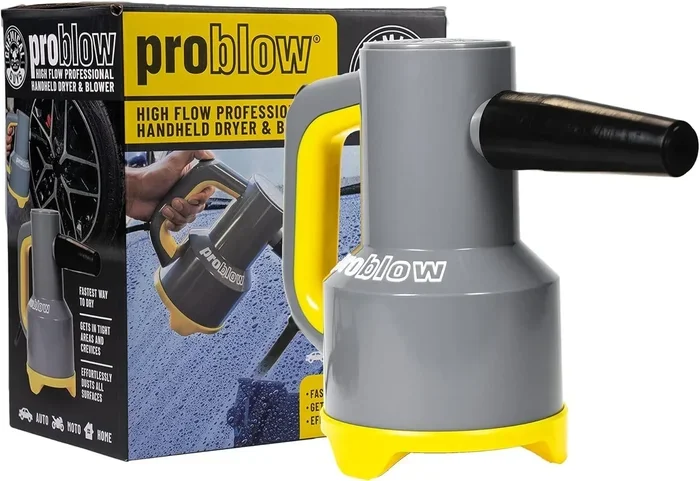
Air Blower for Car Cleaning Makes Detailing So Much Easier
An air blower for car cleaning is one of the simplest yet most powerful tools you can add to your detailing kit. It removes water, dust, and debris from every nook and cranny without harsh scrubbing. Whether you are a casual car owner or a serious detailing enthusiast, this tool saves time and protects your paint.
Key Takeaways
- Time Saver: An air blower for car cleaning dries your vehicle in minutes instead of towels and cloths.
- Paint Protection: Blowing water away reduces the risk of swirl marks and micro scratches from towel drying.
- Versatile Use: These tools work on interiors, engines, wheels, and hard-to-reach spots.
- Multiple Types Available: From electric blowers to air compressors and even leaf blower adaptations, there is an option for every budget.
- Easy to Use: Most models are lightweight, cordless, and ready to go straight out of the box.
- Cost Effective: A good air blower pays for itself by reducing towel usage and preventing paint damage over time.
📑 Table of Contents
- What Is an Air Blower for Car Cleaning?
- Why You Need an Air Blower in Your Detailing Kit
- Types of Air Blowers for Car Cleaning
- How to Choose the Right Air Blower for Car Cleaning
- Step-by-Step Guide to Using an Air Blower for Car Cleaning
- Common Mistakes to Avoid
- Quick Tips for Best Results
- Expert Insights on Air Blowers for Car Cleaning
- Key Takeaways
- Conclusion
What Is an Air Blower for Car Cleaning?
An air blower for car cleaning is a device that uses high-speed air to push water, dust, and debris off your vehicle. Think of it as a powerful fan designed specifically for cars. Instead of wiping everything down with towels, you simply aim the blower and let the air do the work.
These tools come in many shapes and sizes. Some are small, handheld electric units. Others are larger, compressor-powered systems. You can even find cordless models that run on rechargeable batteries. The goal is the same: remove moisture and loose particles quickly and safely.
Car owners use air blowers for all kinds of tasks. Drying the exterior after a wash is the most common. But people also use them to clean dashboards, air vents, engine bays, and wheel wells. The versatility is what makes this tool so popular in the car detailing world.
How Does It Work?
Most air blowers use a motor to spin a fan blade at high speed. This creates a stream of air that exits the nozzle at significant velocity. The faster the air moves, the more water and dirt it can carry away.
Electric models plug into a wall outlet or run on battery power. Air compressor blowers connect to a separate compressor unit. Each type has its own strengths. Electric blowers are more portable. Compressor-powered ones deliver stronger, continuous airflow.
Either way, the physics is simple. Fast-moving air creates low pressure behind it. This pulls water off surfaces and pushes loose dust into the air where it can be easily wiped or blown away. It is a very effective car cleaning method that requires minimal effort.
Why You Need an Air Blower in Your Detailing Kit
If you have ever tried to dry a car with a towel after a wash, you know how tedious it can be. You go over the same spots again and again. Water gets stuck in mirrors, door jambs, and trim crevices. Towels leave behind lint and can even scratch your paint if you are not careful.
An air blower for car cleaning solves all of these problems. It blasts water away from every surface, including the tight spots towels simply cannot reach. The result is a drier car in less time and with far less risk of damage.
Saves Significant Time
A typical hand-drying session can take 20 to 30 minutes. Using an air blower cuts that time dramatically. Most vehicles are fully dry in 5 to 10 minutes. This is a huge difference, especially if you wash your car regularly.
Time savings add up fast. If you wash your car once a week, that is over an hour saved every month. Over a year, you are looking at hours of free time. That alone makes the investment worthwhile for most car owners.
Protects Your Paint
One of the biggest risks in car washing is using dirty or abrasive towels. Even a clean microfiber cloth can trap tiny particles that create swirl marks on your paint. An air blower for car cleaning eliminates the need for repeated contact with fabric on wet surfaces.
Less friction means fewer scratches. Over months and years of regular washing, this difference really adds up. Your paint stays cleaner and shinier for longer. That is a huge win for anyone who takes car care seriously.
Reaches Difficult Areas
Car mirrors, door handles, window seals, and air vents all trap water. Towels often miss these spots or push water around instead of removing it. An air blower directs a focused stream exactly where you need it.
Engine bays are another area where air blowers shine. Compressed air clears away water and loose debris from tight engine components without disassembly. This makes post-wash engine cleaning much simpler and safer.
Works for Interior Cleaning Too
Air blowers are not just for the exterior. You can use them to blow dust out of air vents, between seat crevices, and under the dashboard. This is especially useful for interior car cleaning where tiny particles build up over time.
Just point the nozzle into the vent slats and let the air do the work. You will be amazed at how much dust comes out. It is a quick and effective way to keep your cabin looking fresh between deep cleanings.
Types of Air Blowers for Car Cleaning
Not all air blowers are the same. Understanding the different types helps you choose the right one for your needs. Each type has its own advantages and limitations.
| Type | Power Source | Best For | Portability | Price Range |
|---|---|---|---|---|
| Electric Handheld Blower | Plug-in or Battery | Quick exterior drying | High | $20 – $80 |
| Cordless Rechargeable Blower | Battery | On-the-go detailing | Very High | $30 – $120 |
| Air Compressor Blower | Compressor Unit | Heavy-duty detailing | Low | $100 – $400+ |
| Modified Leaf Blower | Gas or Electric | Large vehicles, SUVs | Medium | $40 – $150 |
| Portable Mini Blower | USB or Battery | Interior detail work | Very High | $15 – $50 |
Electric Handheld Blowers
Electric handheld blowers are the most popular choice for home car detailing. They are lightweight, easy to store, and deliver strong airflow. Most models plug into a wall outlet, which means unlimited runtime.
Some newer electric models are cordless and run on rechargeable lithium-ion batteries. These offer more freedom of movement but may run out of power faster. For most car wash and dry routines, a standard electric handheld blower works perfectly.
Cordless Rechargeable Blowers
Cordless models are ideal for people who want maximum portability. You can carry them to the driveway, the garage, or even a friend’s house without worrying about finding an outlet.
Battery life varies by model. Some last 15 to 20 minutes on a full charge, which is enough for a standard sedan. Larger vehicles like SUVs and trucks may need a second charge. Look for models with fast-charging batteries if you plan to use yours frequently.
Air Compressor Blowers
Air compressor blowers are the most powerful option. They connect to a dedicated air compressor and deliver a continuous, high-pressure stream of air. Professional detailers often prefer this setup.
The downside is size and cost. You need a compressor unit, which takes up space and adds expense. However, if you already own an air compressor for other tasks, adding a blower attachment is an easy upgrade. It turns your existing tool into a powerful car detailing tool.
Modified Leaf Blowers
Some car enthusiasts repurpose yard leaf blowers for vehicle cleaning. Gas-powered leaf blowers offer incredible airflow, while electric versions are quieter and more convenient.
This is a budget-friendly option, especially if you already own a leaf blower. Just be sure to use a low setting. Leaf blowers can generate very strong airflow that may damage sensitive paint or trim if used carelessly.
How to Choose the Right Air Blower for Car Cleaning
With so many options on the market, choosing the right air blower for car cleaning can feel overwhelming. Here are the key factors to consider before you buy.
Airflow and Velocity
Airflow is measured in cubic feet per minute (CFM). Velocity is measured in miles per hour (MPH). Higher numbers mean more blowing power. For car cleaning, look for a blower with at least 200 CFM and 100 MPH.
Keep in mind that more power is not always better. A very strong blower can blow water into areas you do not want it, or even damage delicate trim pieces. Choose a model with adjustable speed settings so you can control the output.
Power Source
Your power source determines how and where you can use the blower. Plug-in models give you unlimited runtime but limit your movement. Battery-powered models offer freedom but may not last long enough for larger vehicles.
Think about where you usually wash your car. If you have a garage with an outlet nearby, a plug-in model works great. If you wash in the driveway or at a self-service bay, a cordless model is more practical.
Weight and Ergonomics
You will be holding this tool for several minutes at a time. A heavy blower causes arm fatigue and makes the job less enjoyable. Look for models that weigh under 3 pounds for handheld use.
Ergonomic grips also matter. A comfortable handle reduces strain and lets you aim the nozzle more precisely. Some models have rotating nozzles that let you adjust the air angle without repositioning your hand.
Noise Level
Air blowers can be loud. If you wash your car early in the morning or in a residential area, noise may be a concern. Check the decibel rating before purchasing. Models under 75 dB are generally considered quiet for this type of tool.
Quieter blowers are also more pleasant to use overall. You are less likely to experience ear fatigue during longer detailing sessions. This is especially important for professional detailers who use the tool all day.
Price and Value
You can find basic electric blowers for around $20. High-end cordless models can cost $120 or more. Professional compressor systems can exceed $400. Set a realistic budget based on how often you wash your car and what features matter most to you.
For most casual car owners, a mid-range electric blower in the $40 to $80 range offers the best value. It provides enough power for regular use without breaking the bank.
Step-by-Step Guide to Using an Air Blower for Car Cleaning
Using an air blower is simple, but a few techniques make the process much more effective. Follow these steps for the best results every time.
Step 1: Wash Your Car First
Always start with a clean surface. Rinse your car thoroughly to remove loose dirt and grime. Use a quality car shampoo and wash mitt to clean the paint. The air blower is for drying, not for removing heavy contamination.
Skipping the wash step defeats the purpose. You will just blow dirty water around and spread contaminants across the surface. A proper wash first ensures the blower only removes clean water.
Step 2: Shake Off Excess Water
After rinsing, give your car a good shake. Use a water blade or chamois to remove the bulk of the water from large flat surfaces like the hood, roof, and trunk. This reduces the workload for the air blower.
Think of it as a two-step process. The water blade handles the heavy lifting. The air blower takes care of what is left behind. Together, they create a streak-free, spotless dry.
Step 3: Start from the Top
Always work from the top down. Gravity pulls water downward, so starting at the roof lets gravity help you. Blow the water off the roof, then the windows, then the hood and trunk, and finally the lower panels.
This approach prevents you from blowing dirty water onto already-dry sections. It also ensures you do not miss any spots. Work in sections and overlap your passes slightly for complete coverage.
Step 4: Target Tricky Areas
Pay special attention to areas where water loves to hide. Door jambs, mirror housings, window seals, and taillight edges are common trouble spots. Use a narrow nozzle attachment if your blower comes with one.
For the interior, aim the blower into air vents, between seats, and along the center console. Use a crevice tool or narrow nozzle for precision. You will be surprised how much trapped moisture and dust comes out.
Step 5: Dry the Wheels and Tires
Do not forget your wheels. Brake dust and road grime can be difficult to remove with towels alone. An air blower clears water and loose debris from wheel spokes, barrel, and tire sidewalls quickly and easily.
Use a lower speed setting for wheels to avoid pushing brake dust into the brake rotor. A gentle blast is usually enough to remove surface water and loose particles.
Common Mistakes to Avoid
Even though air blowers are simple to use, there are some common mistakes that can cause problems. Avoid these pitfalls to get the best results.
Using Too Much Pressure
More air power is not always better. Using the highest setting on delicate surfaces can push water under trim pieces or force debris into paint pores. Always start on a low or medium setting and increase only if needed.
Pay attention to sensitive areas like polished paint, chrome trim, and rubber seals. Use a gentler approach around these spots. A little goes a long way with an air blower for car cleaning.
Blowing Dirt Around
If your car is still covered in loose dirt, blowing air can spread it around instead of removing it. Always wash and rinse the car before using the blower. You want to remove clean water, not redistribute grime.
Also, avoid blowing dust from the undercarriage upward onto clean body panels. Work in a logical direction so you do not contaminate areas you have already cleaned.
Ignoring Nozzle Attachments
Most quality air blowers come with different nozzle attachments. Using the wrong one reduces effectiveness and can damage surfaces. A wide nozzle is great for large flat panels. A narrow nozzle works best for tight crevices and vents.
Take a few minutes to experiment with the different attachments. Learning which nozzle to use for each area makes a big difference in your results and efficiency.
Neglecting Maintenance
Like any tool, air blowers need regular maintenance. Clean the nozzle and filter after each use. Check for blockages in the air intake. For battery-powered models, store the charger properly and avoid fully depleting the battery before recharging.
Proper maintenance extends the life of your blower significantly. A well-maintained unit can last for years of regular use. This is an easy way to protect your investment in car cleaning tools.
Quick Tips for Best Results
- Use a water blade first to remove the bulk of water before blowing. This saves time and reduces the load on your blower.
- Work in sections to stay organized and ensure no area gets missed.
- Keep the nozzle 6 to 12 inches from the surface for the best balance of power and control.
- Use a microfiber drying towel as a final touch for a polished, streak-free finish.
- Store your blower in a dry place to prevent moisture damage to the motor and electrical components.
- Clean the air filter regularly to maintain strong airflow and prevent dust from entering the motor.
- Invest in a nozzle set with different sizes for maximum versatility across exterior and interior tasks.
Expert Insights on Air Blowers for Car Cleaning
Professional detailers have been using air blowers for years. Here is what the experts want you to know.
It Is Not Just for Drying
Many car owners only think of air blowers as drying tools. But professional detailers use them throughout the entire process. From initial rinse to final polish, a good blower speeds up nearly every step of car detailing.
Detailers use blowers to remove water from engine bays after steam cleaning. They use them to clear dust from polishing pads between stages. Some even use them to blow excess dressing off tires and trim. The applications go far beyond simple drying.
Quality Matters More Than Price
Budget blowers are tempting, but they often lack the airflow and durability you need. A cheap blower may struggle to dry your car properly or burn out after a few months of regular use.
Investing in a quality air blower for car cleaning from a reputable brand pays off in the long run. Look for models with solid build quality, good airflow ratings, and positive user reviews. A $60 blower that lasts three years is a better value than a $20 blower that dies in six months.
Consistency Beats Power
Professional detailers prioritize consistent airflow over raw power. A blower with steady, even output is more effective than one that hits hard but is inconsistent. This is why many prefer electric models over gas-powered alternatives for vehicle cleaning.
Consistent airflow also means less chance of accidentally damaging surfaces. You have better control over where the air goes and how much pressure it applies. This predictability is key to safe, effective car cleaning.
Key Takeaways
- Saves Time and Effort: An air blower for car cleaning dries your vehicle in minutes instead of the 20 to 30 minutes towel drying requires.
- Protects Your Paint: Eliminating towel contact reduces swirl marks, scratches, and micro-abrasions over time.
- Versatile Tool: Use it for exterior drying, interior dust removal, engine bay cleaning, and wheel maintenance.
- Multiple Options Exist: Electric, cordless, compressor-powered, and modified leaf blower models all serve different needs and budgets.
- Easy to Use: No special skills are required. Simply point and blow for a faster, safer drying experience.
- Avoid Common Mistakes: Do not use excessive pressure, blow dirty water around, or skip nozzle attachments for best results.
- Invest in Quality: A reliable blower from a trusted brand delivers consistent performance and lasts for years of regular use.
Conclusion
An air blower for car cleaning is one of the most practical and underrated tools in any car detailing setup. It saves time, protects your paint, and reaches areas that towels simply cannot. Whether you wash your car once a month or once a week, this tool makes a noticeable difference in your results.
The variety of options available means there is a blower for every budget and every need. From affordable handheld electric models to professional compressor systems, you can find the right fit. Start with a mid-range option if you are new to this tool and upgrade as your detailing skills grow.
Give it a try on your next wash day. Once you experience how fast and easy it is to dry your car with an air blower, you will wonder how you ever did it without one. It is a simple upgrade that delivers real, lasting benefits for your vehicle and your detailing routine.
Frequently Asked Questions
Can I use a regular leaf blower to dry my car?
Yes, you can use a leaf blower for car drying, but exercise caution. Gas-powered models may be too strong and can push debris into paint pores or damage delicate trim. Electric leaf blowers with adjustable speed settings work much better and give you more control over the airflow intensity.
Is an air blower better than a microfiber towel for drying?
Both tools serve different purposes, and many detailers use both together. An air blower removes water quickly and reaches tight spots that towels miss. A microfiber towel provides a final polish for a streak-free finish. Using them together gives you the best of both worlds.
How long does a cordless air blower last on a single charge?
Battery life depends on the model and power setting. Most cordless blowers last between 15 and 30 minutes on a full charge. This is usually enough to dry a standard sedan. Larger vehicles like SUVs may require a second charge. Look for models with fast-charging batteries for convenience.
Can an air blower damage my car paint?
When used correctly, an air blower is very safe for your paint. Avoid using the highest setting on delicate surfaces and keep the nozzle at a reasonable distance. The main risk comes from blowing dirty water or loose debris across the surface, so always wash and rinse your car before using the blower.
What should I look for when buying an air blower for car cleaning?
Focus on airflow (CFM), velocity (MPH), weight, noise level, and power source. Adjustable speed settings are important for versatility. Look for models with at least 200 CFM and a weight under 3 pounds for comfortable handheld use. Read user reviews to gauge real-world performance and durability.
Can I use an air blower to clean my car’s interior?
Absolutely. Air blowers are excellent for interior cleaning. They blow dust out of air vents, between seat crevices, and under the dashboard. Use a narrow nozzle for precision work in tight spaces. This is a quick and effective way to keep your cabin clean between full interior detailing sessions.