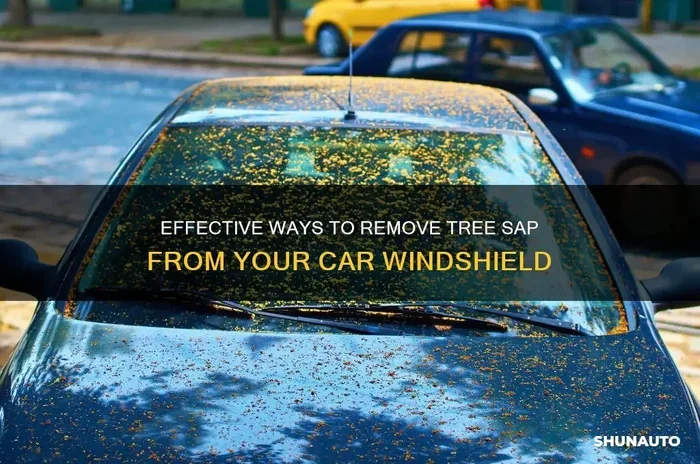
How to Remove Tree Sap From Car Glass Without Damage
Removing tree sap from car glass is simpler than you think when you use the right approach. Whether you prefer DIY solutions or store-bought products, this guide shows you how to remove tree sap from car glass safely and effectively. Follow these steps to restore clear visibility and protect your car from future damage.
There’s nothing more frustrating than spotting a glob of sticky tree sap on your car glass. Whether it landed from a nearby oak, pine, or maple tree, tree sap can ruin your clear view of the road and make every drive uncomfortable. The good news is that removing tree sap from car glass is easier than most people think. You don’t need expensive tools or professional help to get the job done right. In this guide, we’ll walk you through every safe and effective method to remove tree sap from car glass without causing any damage.
Tree sap is one of the most common problems car owners face, especially during spring and summer. Trees release sap naturally, and it sticks to anything nearby, including your vehicle. Many people panic when they see those sticky spots on their windshield or side windows. But sap doesn’t have to be a permanent problem. The key to successful tree sap removal is knowing what tools and techniques to use. Some methods work better on certain types of glass or sap hardness. We’ll cover all of that in detail below. By the end of this article, you’ll feel confident tackling even the toughest sap spots on your own.
Key Takeaways
- Act Quickly: The faster you address tree sap on your car glass, the easier and safer the removal process becomes.
- Use Gentle Methods: Warm soapy water, rubbing alcohol, and vinegar are safe starting points that won’t scratch your glass.
- Never Use Sharp Objects: Avoid scraping with knives or abrasive pads, as they can permanently damage your car glass.
- Try Multiple Approaches: DIY solutions work well for light sap, while commercial products handle stubborn spots better.
- Prevent Future Build-Up: Regular waxing and smart parking can keep tree sap from sticking to your car in the first place.
- Inspect After Cleaning: Always check for leftover residue and repeat the process if needed for crystal-clear results.
📑 Table of Contents
- Why Tree Sap Is So Hard to Remove From Car Glass
- What You Need Before You Start Removing Sap
- Step-by-Step Guide to Remove Tree Sap From Car Glass
- Best DIY Methods for Removing Tree Sap
- Commercial Products That Work Best for Sap Removal
- How to Protect Your Car From Future Tree Sap Damage
- Common Mistakes People Make When Removing Tree Sap
- When to Seek Professional Help for Sap Removal
- Final Thoughts on Removing Tree Sap From Car Glass
Why Tree Sap Is So Hard to Remove From Car Glass
Before we dive into the solutions, it helps to understand why tree sap is such a stubborn substance. Sap is essentially a fluid that trees produce to carry nutrients. When it dries on a surface, it hardens into a resin-like coating. This makes it incredibly adhesive. On car glass, dried sap can bond tightly to the surface. Normal washing alone usually won’t break that bond. That’s why you need targeted methods to remove tree sap from car glass safely.
What Makes Tree Sap So Sticky
Tree sap contains a mix of organic compounds, including terpenes and resins. These compounds are designed by the tree to seal wounds and protect against insects. Once exposed to air, the sap loses its moisture and becomes hard and glossy. The stickiness comes from these resins clinging to surfaces at a molecular level. On car glass, this means sap can fuse with the outer layer of the windshield or side windows. The longer it sits, the harder it gets to remove. That’s why addressing sap spots early is so important for car glass cleaning.
How Sap Affects Different Types of Car Glass
Not all car glass is the same. Modern windshields are made of laminated safety glass, which has a plastic layer sandwiched between two pieces of glass. Side and rear windows are usually made of tempered glass, which is heat-treated for strength. Both types can be affected by tree sap. However, tempered glass is more prone to micro-scratches if you use abrasive tools. Laminated windshields are slightly more forgiving. Understanding your glass type helps you choose the safest sap removal method.
What You Need Before You Start Removing Sap
Gathering the right supplies before you begin makes the entire process smoother. You don’t need a full auto detailing kit, but having a few key items on hand will save you time and frustration. Here’s what you should have ready.
Essential Tools and Supplies
- Microfiber cloths: These are gentle on glass and won’t leave scratches behind.
- Isopropyl alcohol (rubbing alcohol): A proven solvent that breaks down dried sap effectively.
- White vinegar: A natural acid that softens hardened sap spots.
- Cooking oil or mayonnaise: These can dissolve sap through gentle breakdown.
- Glass cleaner: A quality glass cleaner helps finish the job with a streak-free shine.
- Plastic scraper or credit card: For gently lifting softened sap without scratching.
- Warm water and mild soap: For initial rinsing and cleaning.
- WD-40: A versatile lubricant that also works on stubborn sap.
Quick Tips for Gathering Your Supplies
You probably already have most of these items in your kitchen or garage. Rubbing alcohol, vinegar, and cooking oil are common household products. If you don’t have a microfiber cloth, a soft cotton t-shirt works in a pinch. Avoid using paper towels or rough rags, as they can leave tiny fibers or cause micro-scratches on your glass. Having everything ready before you start means you won’t have to stop mid-process and risk the sap drying further.
Expert Insight: Professional detailers always recommend starting with the gentlest method first. If warm soapy water and a microfiber cloth can lift the sap, there’s no need to reach for stronger solvents. Work your way up only if the gentle approach doesn’t work.
Step-by-Step Guide to Remove Tree Sap From Car Glass
Now that you have your supplies ready, let’s walk through the actual process. Following these steps in order gives you the best chance of removing tree sap from car glass without any damage. Each step builds on the one before it.
Step 1: Rinse the Affected Area
Start by rinsing the sap-covered area with warm water. This helps loosen surface dirt and softens the sap slightly. Use a gentle stream from a hose or a bucket of warm water. Avoid using high-pressure washers directly on the sap spot, as the force can push the sap deeper into any micro-cracks in the glass. A simple rinse is all you need at this stage.
Step 2: Apply Your Chosen Removal Method
Next, apply your chosen cleaning agent directly to the sap spot. Whether you’re using rubbing alcohol, vinegar, or oil, let it sit for a few minutes. This dwell time is crucial. It gives the solvent time to break down the resin in the sap. For tough spots, you may need to reapply the solution after a few minutes. Patience here pays off when you’re trying to remove tree sap from car glass without scratching.
Step 3: Gently Scrub and Lift the Sap
Once the sap has softened, use a microfiber cloth to gently rub the area in circular motions. If the sap is still stuck, use a plastic scraper or an old credit card to lift it away. Never use metal tools, knives, or abrasive pads. These can leave permanent scratches on your car glass. The goal is to lift the sap off, not scrape it away with force.
Step 4: Clean and Inspect the Glass
After the sap is lifted, clean the area with a quality glass cleaner and a fresh microfiber cloth. Inspect the glass closely for any remaining residue. If you still see a sticky film, repeat the process. Sometimes a second round is all it takes to get a completely clean surface. Finish by drying the glass with a dry microfiber cloth for a streak-free finish.
Best DIY Methods for Removing Tree Sap
Not everyone wants to buy commercial products for sap removal. The good news is that several household items work surprisingly well. Here are the best DIY methods you can try right now.
Using Rubbing Alcohol
Rubbing alcohol, also known as isopropyl alcohol, is one of the most effective solvents for breaking down tree sap. It dissolves the resin without harming your car glass. Simply soak a microfiber cloth in rubbing alcohol and place it over the sap spot for two to three minutes. Then gently rub in circular motions. The sap should lift off easily. This method is fast, affordable, and widely available at any drugstore.
Using a Vinegar Solution
White vinegar is a natural acid that can soften dried tree sap. Mix equal parts vinegar and warm water in a spray bottle. Spray the solution on the sap spot and let it sit for five minutes. Then use a microfiber cloth to wipe the sap away. Vinegar works well on light to moderate sap spots. For heavier build-up, you may need to apply the solution a second time. This is a great option if you prefer chemical-free car glass cleaning methods.
Using Cooking Oil or Mayonnaise
Cooking oil and mayonnaise can dissolve sap through a process called solubilization. The fats in oil break down the resin in the sap, making it easier to wipe away. Apply a small amount of vegetable oil or mayonnaise directly to the sap spot. Let it sit for ten to fifteen minutes. Then use a microfiber cloth to rub the sap off. Wipe the area clean with glass cleaner afterward to remove any oily residue. This method is gentle and works well on delicate glass surfaces.
Quick Tip: If you’re using oil or mayonnaise, warm it up slightly before applying. Warm oil penetrates the sap faster and works more effectively. Just make sure it’s not too hot to handle safely.
Commercial Products That Work Best for Sap Removal
Sometimes DIY methods aren’t enough, especially for old or heavily hardened sap spots. That’s where commercial products come in. There are many sap removal products on the market designed specifically for automotive use. Here’s a quick comparison of some popular options.
| Product | Type | Best For | Price Range |
|---|---|---|---|
| Goo Gone Automotive | Gel-based solvent | Stubborn sap spots on glass and paint | $8-$12 |
| WD-40 Specialist Fast Acting Degreaser | Spray degreaser | Heavy sap build-up and resin | $10-$15 |
| 3M Glass Cleaner | Glass cleaner | Finishing and streak-free shine after sap removal | $6-$10 |
| Clay Bar Kit (e.g., Mothers) | Physical removal tool | Surface-level sap residue and contaminants | $15-$25 |
| Meguiar’s Bug & Sap Remover | Pre-mixed solvent | Quick, ready-to-use sap removal | $10-$14 |
When choosing a commercial product, look for ones that are safe for glass and paint. Avoid products that contain harsh abrasives. Always test a small, hidden area first before applying to the sap spot. This ensures the product won’t cause discoloration or damage. Most of these products work within minutes and require no complicated steps.
How to Protect Your Car From Future Tree Sap Damage
Once you’ve successfully removed tree sap from car glass, you’ll want to prevent it from happening again. Prevention is always easier than cure, especially when it comes to car protection. Here are some proven strategies.
Regular Waxing and Sealants
Applying a layer of car wax or a ceramic sealant creates a protective barrier on your car’s surface, including the glass. This barrier makes it harder for sap to bond directly to the glass. Wax also makes future cleaning much easier, since sap slides off a waxed surface more readily. Aim to wax your car every two to three months, especially if you park under trees frequently. Paint protection films and glass coatings offer even longer-lasting defense against sap and other contaminants.
Smart Parking Strategies
One of the simplest ways to prevent tree sap on windshield problems is to park strategically. Avoid parking directly under trees that drip sap, especially oaks, pines, and maples. If you must park under trees, consider using a car cover. A fitted car cover protects your entire vehicle from sap, bird droppings, and UV damage. It’s a small investment that pays off in the long run. Also, try to park in garages or covered areas whenever possible.
Expert Insight: Some car owners apply a rain-repellent coating to their windshields. These coatings create a hydrophobic surface that causes sap and water to bead up and slide off. This adds an extra layer of protection and makes windshield cleaning much easier after a rainy or sap-heavy day.
Common Mistakes People Make When Removing Tree Sap
Even with the best intentions, people often make mistakes when trying to remove tree sap from car glass. Avoiding these common errors can save your glass from permanent damage.
Using Sharp or Metal Tools
This is the number one mistake people make. Using a knife, razor blade, or metal scraper to pick off dried sap can leave deep scratches on your car glass. These scratches are permanent and can impair your visibility. Always use plastic scrapers or soft cloths instead. If the sap is really stubborn, let the solvent do the work rather than forcing it off with a hard tool.
Using Too Much Force
Another common error is pressing too hard when scrubbing. Aggressive rubbing doesn’t make sap come off faster. In fact, it can push the sap deeper into micro-grooves on the glass surface. Use gentle, circular motions and let the cleaning agent do the heavy lifting. Patience is your best friend when dealing with sticky tree sap.
Skipping the Rinse
Some people jump straight to applying solvents without rinsing the area first. This can trap dirt particles between the cloth and the glass, causing scratches. Always rinse the area with warm water before applying any cleaning solution. This removes loose debris and gives the solvent a clean surface to work on.
Using the Wrong Solvents
Not all solvents are safe for car glass. Avoid using acetone, bleach, or harsh household cleaners on your windshield. These chemicals can damage the glass coating, tint, or rubber seals around the window. Stick to rubbing alcohol, vinegar, or products specifically designed for automotive glass cleaning.
When to Seek Professional Help for Sap Removal
Most sap spots can be handled at home with the methods described above. However, there are times when professional help is the better choice. If the sap has been on your glass for weeks or months and has hardened into a thick, rock-like crust, home methods may not be enough. Also, if you notice any etching or deep scratches on the glass after attempting removal, a professional auto detailing service can assess the damage and recommend proper repair. It’s always better to be safe than sorry when it comes to your visibility and safety on the road.
Final Thoughts on Removing Tree Sap From Car Glass
Removing tree sap from car glass doesn’t have to be a stressful experience. With the right tools, a little patience, and the methods outlined in this guide, you can restore your car glass to crystal-clear condition. Whether you choose a simple DIY approach with rubbing alcohol or vinegar, or opt for a commercial product, the key is to act quickly and be gentle. Prevention through regular waxing and smart parking is your best long-term strategy. Now that you know how to handle sap spots confidently, you can keep your windshield clean and your view unobstructed all year round.
Remember, the goal is not just to clean the glass but to do so without causing any harm. Every method in this guide has been chosen with your car’s safety in mind. Start with the gentlest option, work your way up if needed, and always finish with a quality glass cleaner for a streak-free shine. Your car glass will thank you for it.
Frequently Asked Questions
Can tree sap permanently damage car glass?
Tree sap itself doesn’t permanently damage car glass if removed promptly. However, if left on the glass for extended periods, the acids in the sap can etch the surface and cause permanent marks. The key is to address sap spots as soon as you notice them to prevent long-term damage.
Is rubbing alcohol safe for car glass?
Yes, rubbing alcohol (isopropyl alcohol) is safe for car glass when used correctly. It’s a gentle solvent that effectively dissolves tree sap without harming the glass surface. Just avoid using it in excessive amounts and always follow up with a glass cleaner rinse.
How long does it take to remove tree sap from car glass?
The time it takes depends on the severity of the sap spot. Light sap can be removed in five to ten minutes using rubbing alcohol or vinegar. Heavier or older sap spots may take 15 to 30 minutes and require multiple applications of your chosen cleaning method.
Can I use a razor blade to scrape off tree sap from my windshield?
No, using a razor blade or any sharp metal tool on car glass is strongly discouraged. These tools can create deep scratches that impair visibility and cannot be repaired. Always use a plastic scraper or a soft microfiber cloth to lift softened sap gently.
What’s the best way to prevent tree sap from sticking to my car?
The best prevention methods include regular waxing, applying ceramic sealants or glass coatings, and parking in covered areas or away from sap-producing trees. A rain-repellent coating on your windshield also helps sap slide off more easily.
Will vinegar damage my car glass or tint?
White vinegar is generally safe for car glass and won’t cause damage. However, if your car has window tint, avoid letting vinegar sit on the tinted edges for extended periods, as the acid could potentially affect the adhesive. Stick to the glass surface and rinse thoroughly after use.
=== CONCLUSION ===
Removing tree sap from car glass is a straightforward task when you know what you’re doing. From gentle DIY methods like rubbing alcohol and vinegar to effective commercial products, you now have a full toolkit to handle any sap problem. The most important takeaway is to act quickly and be gentle. Avoid harsh tools and strong chemicals, and always finish with a quality glass cleaner. Prevention through regular waxing and smart parking will keep your car glass looking great for years to come. Try these methods today and enjoy a clear, sap-free view every time you hit the road.