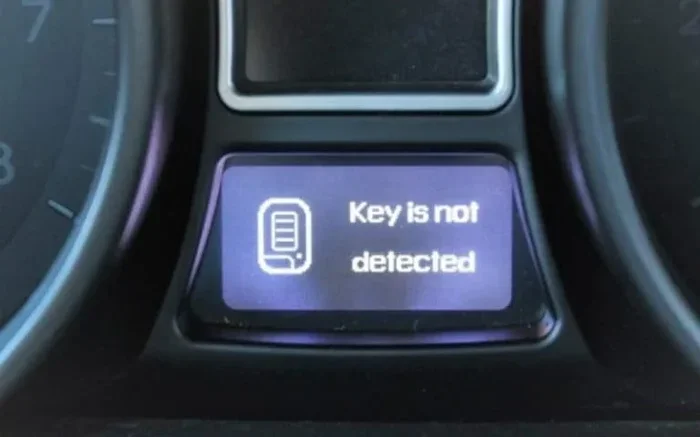
Why Is My Car Not Detecting My Key And Not Starting
Why Is My Car Not Detecting My Key And Not Starting is a common issue that frustrates drivers every day. The problem usually comes down to a dead key fob battery, signal interference, or a faulty immobilizer system. In most cases, you can fix it yourself with a few simple steps. This guide walks you through every cause, fix, and prevention tip to get your car back on the road fast.
Have you ever turned the ignition or pressed the start button, only to find that your car won’t detect the key? Why Is My Car Not Detecting My Key And Not Starting is a frustrating problem that many drivers face at some point. The issue can stem from a simple dead battery in your key fob to more complex electrical or security system faults. In this article, we will walk you through the most common causes, easy troubleshooting steps, and proven fixes to get your vehicle running again. Whether you drive a modern smart key system or a traditional transponder key, understanding the root cause is the first step toward a quick solution.
Dealing with a car that won’t start because it can’t read the key is stressful. You stand there pressing the button or turning the ignition, and nothing happens. The dashboard might show a warning light, or the engine just stays completely silent. This guide breaks down every possible reason this happens and gives you clear, actionable steps to fix it. We also share tips to prevent the problem from coming back.
The good news is that most causes are easy to address at home. You don’t need to be a mechanic to swap out a battery or move your key to a better position. But some issues do need a professional touch. We’ll help you figure out which is which so you don’t waste time or money.
Key Takeaways
- Dead Key Fob Battery: The most common cause. A quick battery swap often solves the problem in minutes.
- Signal Interference: Electronic devices and metal objects can block your key’s signal from reaching the car.
- Faulty Transponder Chip: A damaged key fob or broken chip inside the key prevents detection entirely.
- Weak Car Battery: A low-voltage car battery can cause the start system to fail even if the key is detected.
- Immobilizer Malfunction: The anti-theft system may lock out the key due to a glitch or sensor failure.
- Professional Help Needed: Some issues like antenna ring failure or software glitches require a mechanic or dealer.
- Prevention Works: Regular battery replacement and proper key storage can stop most detection problems before they start.
📑 Table of Contents
What Happens When Your Car Won’t Detect the Key
Modern cars use a remote keyless entry and push button start system that relies on wireless communication between the key fob and the vehicle. When you press the start button, the car sends out a low-frequency signal through an antenna ring around the ignition or steering column. Your key fob has a tiny chip inside that receives this signal and sends back an authentication code. If the car recognizes the code, it allows the engine to start.
This entire process happens in milliseconds. But when something goes wrong, the car can’t complete the handshake. You might see a warning message on the dashboard like “Key Not Detected” or “Push Key for Start.” In some cases, the car will let you start it in a backup mode, but it won’t work normally. Understanding how this system works helps you figure out where the breakdown is happening.
The immobilizer system is a security feature built into almost all modern vehicles. It prevents the engine from starting unless the correct key is present. This is great for stopping thieves, but it can also cause headaches when the system fails to read your key. The vehicle security module controls this process and communicates with the onboard diagnostics system to report errors.
Quick Tips for Key Detection Issues
- Always carry a spare key fob. It can save you in an emergency.
- Keep your key fob away from other electronic devices that might cause key signal interference.
- Replace the key fob battery every 1 to 2 years before it dies completely.
- If the dashboard shows a key warning light, don’t ignore it. Address it early.
- Keep the key fob clean and dry. Moisture can damage the internal electronics.
Common Reasons Why Is My Car Not Detecting My Key
There are several reasons your car might fail to detect the key. Some are simple and cheap to fix. Others need professional attention. Let’s go through each one so you can narrow down the problem quickly.
Dead Key Fob Battery
The most common reason by far is a dead key fob battery. The small coin-cell battery inside your key fob powers the wireless transmitter. When it gets weak, the signal becomes too faint for the car to pick up. You might notice that the key works only when you hold it right up against the start button or ignition slot. This is a clear sign the battery is dying.
Replacing the battery is usually very easy. Most key fobs use a CR2025 or CR2032 battery. You can pop open the fob with a small flathead screwdriver, swap out the old battery, and snap it back together. It costs less than a dollar and takes about two minutes. If you’re not sure which battery your fob uses, check your owner’s manual or look up the model online.
Faulty Key Fob or Damaged Transponder Chip
Sometimes the problem isn’t the battery but the key fob itself. A faulty key fob can fail to send the correct signal due to internal damage. Dropping the fob, exposing it to water, or wearing it out over time can all cause failure. Inside every modern key is a transponder chip that stores a unique identification code. If this chip gets damaged, the car simply won’t recognize it.
If you have a spare key, try using it. If the spare works fine, then the original key is the problem. In that case, you’ll need a key replacement or reprogramming. A locksmith or car dealer can cut and program a new key for you. The cost varies but typically runs between $50 and $200 depending on the vehicle.
Weak or Dead Car Battery
It might surprise you, but a weak car battery can cause key detection problems too. The vehicle’s electrical system needs enough power to run the antenna ring and the vehicle security module. When the car battery is low, these components may not function properly. You might notice other electrical issues first, like dim headlights or a slow crank when you try to start the engine.
If your car battery is more than three to five years old, it might be time for a replacement. You can test the battery voltage with a multimeter. A healthy battery should read around 12.6 volts when the engine is off. If it reads below 12.0 volts, the battery is likely the culprit. Jump-starting the car or using a battery charger can also help you determine if the battery is the issue.
Signal Interference From Electronic Devices
Key signal interference is more common than most people think. If you keep your key fob near your phone, laptop, or other electronic devices, the electromagnetic signals can confuse the key’s transmitter. Metal objects like keys, coins, or a metal tray can also block the signal from reaching the car’s antenna.
Try moving the key fob away from other electronics and place it closer to the start button or ignition. Some drivers find that keeping the fob in a specific pocket or pouch reduces interference. If you live in an area with a lot of electronic activity, this could be a recurring issue worth managing.
Immobilizer or Anti-Theft System Malfunction
The anti-theft system is designed to protect your car, but it can sometimes malfunction. If the immobilizer system gets confused or glitches, it may refuse to recognize a perfectly good key. This can happen after a battery replacement, a recent electrical repair, or even a minor power surge.
In some cases, resetting the system can fix the problem. Try turning the key to the “On” position (without starting) and waiting for 10 to 15 minutes. This gives the immobilizer time to re-sync with the key. If the light on the dashboard stops flashing, try starting the car again. If this doesn’t work, you may need to have the system scanned with onboard diagnostics equipment.
Faulty Antenna Ring or Proximity Sensor
Your car has an antenna ring or proximity sensor that reads the key fob’s signal. Over time, these components can wear out, crack, or lose their calibration. If the antenna ring fails, the car simply can’t detect the key at all, even with a fresh battery and a working fob.
This is a more complex repair that typically requires a professional mechanic or dealer. The antenna ring is often built into the steering column or center console, and accessing it can be tricky. Replacement costs can range from $150 to $400 depending on the vehicle model and labor rates.
Software Glitches and Electrical Issues
Modern cars run on complex software systems. Occasionally, a software glitch can cause the key detection system to fail. This might happen after a power outage, a battery disconnect, or even a routine software update. Electrical issues like corroded wiring, loose connectors, or a failing control module can also disrupt communication between the key and the car.
If you suspect a software issue, some vehicles respond to a simple reset. Disconnect the car battery for 10 to 15 minutes, then reconnect it. This can clear temporary glitches and reset the system. For deeper electrical problems, a mechanic with onboard diagnostics tools can scan for error codes and pinpoint the issue.
Comparison Table: Common Causes, Symptoms, and Fixes
| Cause | Common Symptoms | Fix | Estimated Cost |
|---|---|---|---|
| Dead Key Fob Battery | Key works only when held close to start button | Replace battery | $1 to $5 |
| Faulty Key Fob | Key fob buttons don’t work or car doesn’t detect key at all | Key replacement or reprogramming | $50 to $200 |
| Weak Car Battery | Dim lights, slow crank, key warning on dashboard | Jump-start or replace battery | $100 to $250 |
| Signal Interference | Key works intermittently or only in certain spots | Move key away from electronics | Free |
| Immobilizer Malfunction | Dashboard warning light flashes, car won’t start with any key | System reset or diagnostic scan | $50 to $150 |
| Faulty Antenna Ring | Key detected sometimes, not others; no clear pattern | Replace antenna ring | $150 to $400 |
| Software Glitch | Issue started after power loss or battery disconnect | Battery reset or software update | Free to $100 |
Common Mistakes to Avoid
When your car won’t detect the key, it’s easy to make mistakes that waste time or even make the problem worse. Here are some common errors to avoid:
- Ignoring the spare key: Many people don’t test their spare key first. This simple step can immediately tell you if the problem is with the key or the car.
- Buying a new key fob too quickly: Before replacing the key, try a new battery first. You might save money and effort.
- Using the wrong battery: Not all key fob batteries are the same. Using the wrong size or type can damage the fob.
- Forcing the key into the ignition: If your car has a physical key slot, forcing it can damage the ignition switch or the key itself.
- Disconnecting the car battery incorrectly: Always follow proper procedures. Disconnecting the wrong terminal can cause additional electrical problems.
How to Troubleshoot When Your Car Won’t Detect the Key
Follow these steps in order to troubleshoot the problem systematically. Start with the simplest fixes and work your way up.
- Check the key fob battery. Open the fob and inspect the battery. If it looks corroded or swollen, replace it immediately. Use the correct battery type for your fob model.
- Try the spare key. If your spare key works, the original key is the problem. Replace or reprogram it.
- Move the key closer to the start button. Hold the key fob directly against the push button or the ignition slot. If the car starts this way, the battery is weak or the antenna range is reduced.
- Remove electronic devices nearby. Move phones, laptops, and other electronics away from the key and the car. Try starting the car again.
- Reset the immobilizer system. Turn the key to the “On” position and wait 10 to 15 minutes. Then try starting the car again.
- Check the car battery voltage. Use a multimeter to test the car battery. If it’s below 12.0 volts, charge or replace it.
- Look for warning lights on the dashboard. A flashing key icon or security warning light can point you toward the specific issue.
- Visit a mechanic or dealer. If none of the above steps work, a professional can run a full diagnostic scan and identify the problem.
Expert Insights on Key Detection Problems
“In my 15 years as an automotive technician, I’ve seen hundreds of cases where drivers think their car has a serious problem, only to find it’s a dead key fob battery,” says Mike Torres, a certified ASE mechanic. “The number one thing I tell customers is to always check the simplest thing first. Nine times out of ten, it’s the battery. The second most common issue is signal interference, especially for drivers who carry their key fob in a bag full of electronics.”
Torres also emphasizes the importance of keeping your key fob dry. “Water damage is more common than people think. Even a little moisture from sweat or rain can corrode the internal circuit board over time. I recommend keeping the fob in a protective case and avoiding places where it could get wet.”
Another expert tip comes from Sarah Chen, an automotive electrician who specializes in start system failure diagnosis. “If the key fob is new and the battery is fresh, but the car still won’t detect it, the problem could be in the car’s antenna ring or the security module. Don’t keep swapping batteries. Get a proper diagnostic scan done. It will save you time and money in the long run.”
When to See a Professional Mechanic
While many key detection issues are DIY-friendly, some situations require professional help. If you’ve tried all the troubleshooting steps above and the car still won’t start, it’s time to see a mechanic. Here are the signs that you need expert assistance:
- The dashboard shows a persistent security or key warning light that won’t go away.
- Neither the primary key nor the spare key works.
- You hear clicking sounds but the engine won’t turn over.
- The car started fine yesterday but won’t start today with no obvious cause.
- You’ve recently had electrical work done on the car and the key detection problem started afterward.
A mechanic can perform a full diagnostic scan using onboard diagnostics tools to read error codes from the vehicle security module. They can also test the antenna ring, check the immobilizer system, and inspect the wiring for any damage. In some cases, a key reprogramming session at the dealer may be necessary to re-establish communication between the key and the car.
Don’t wait too long to seek help. A small problem left unchecked can turn into a bigger, more expensive repair. If your car is your daily driver, being stranded without a working key is more than an inconvenience. It’s a disruption to your entire day.
How to Prevent Key Detection Problems in the Future
The best way to deal with key detection problems is to prevent them from happening in the first place. Here are some simple habits that can keep your remote keyless entry system working smoothly for years:
- Replace the key fob battery proactively. Don’t wait until the key stops working. Swap the battery every 12 to 18 months.
- Store the key fob properly. Keep it in a dedicated pocket or pouch, away from other electronics and metal objects.
- Avoid exposing the key to extreme temperatures. Heat and cold can damage the internal electronics and drain the battery faster.
- Keep the key dry. Moisture is the enemy of electronic devices. If the key gets wet, dry it thoroughly before use.
- Have the car’s electrical system checked regularly. A routine inspection can catch weak batteries, corroded connections, and failing sensors before they cause a problem.
- Update the car’s software when prompted. Manufacturers often release updates that improve key detection and overall system reliability.
Taking these small steps can save you from the frustration of a car that won’t start. Prevention is always easier and cheaper than repair.
Conclusion
Why Is My Car Not Detecting My Key And Not Starting doesn’t have to be a mystery or a panic moment. In most cases, the cause is simple and the fix is quick. A dead key fob battery, signal interference, or a weak car battery accounts for the majority of these issues. With the troubleshooting steps outlined in this guide, you can often solve the problem yourself in just a few minutes.
For more complex issues like a faulty antenna ring, immobilizer malfunction, or damaged transponder chip, don’t hesitate to seek professional help. A qualified mechanic or dealer has the tools and expertise to diagnose and fix even the trickiest problems. The key takeaway is to stay calm, work through the possibilities systematically, and don’t ignore warning signs on your dashboard.
Keep your key fob maintained, store it properly, and replace the battery before it dies. These simple habits will keep your car starting smoothly and save you from unexpected headaches on the road. Now you know exactly what to do when your car won’t detect the key. Take action quickly, and you’ll be back on the road in no time.
Frequently Asked Questions
Can a dead key fob battery cause the car not to start?
Yes, a dead key fob battery is the most common reason a car won’t detect the key and won’t start. The fob can’t transmit its signal without power, so the car’s antenna ring can’t read it. Replacing the battery usually fixes the problem immediately.
How do I know if my key fob battery is dying?
You’ll notice the key fob working only when you hold it very close to the start button or ignition slot. The remote keyless entry range may also shorten. Some cars show a low battery warning on the dashboard. Replacing the battery is a quick and inexpensive fix.
Can signal interference from my phone stop the car from detecting the key?
Yes, electronic devices like phones, laptops, and even USB chargers can cause key signal interference. The electromagnetic noise from these devices can block or weaken the signal between your key fob and the car. Moving the key away from electronics usually resolves the issue.
How much does it cost to replace a car key fob?
The cost varies depending on the vehicle make and model. A basic key fob replacement typically costs between $50 and $200 for the part and programming. Luxury vehicles or models with advanced smart key systems can cost more. A locksmith is often a more affordable option than a dealer.
What should I do if my spare key works but the primary key doesn’t?
If the spare key works fine, the primary key is the problem. The transponder chip inside the key may be damaged, or the battery may be dead. Try replacing the battery first. If that doesn’t work, you’ll need to get the key reprogrammed or replaced by a locksmith or dealer.
Is it safe to drive with a key detection warning light on the dashboard?
It depends on the warning. Some cars allow you to start the engine even with the warning light on, but this is not recommended for extended driving. The anti-theft system may not be functioning properly, leaving your car vulnerable. Have the issue diagnosed and fixed as soon as possible.