How Long Can I Drive With a Bad Alternator Before Breakdown
You can typically drive 20 to 40 miles with a bad alternator before your car stalls completely. A failing alternator puts your vehicle’s electrical system at risk and can leave you stranded. Understanding the warning signs and taking quick action can prevent a costly breakdown and keep you safe on the road.
Your car’s alternator works quietly in the background. It keeps your battery charged and powers all the electrical systems you rely on every day. When it starts to fail, you might not notice at first. But the problem grows fast. One moment you’re driving fine, and the next your dashboard lights up like a Christmas tree. So how long can you really drive with a bad alternator before things go from bad to worse? Let’s talk about it.
The short answer is not very long. Most drivers get somewhere between 20 and 40 miles with a failing alternator. But that number depends on several factors. Your battery health matters. How many electrical loads you’re running matters too. Whether it’s daytime or nighttime matters. Driving with a bad alternator is like driving on a flat tire. You can do it for a little while. But you’re causing more damage every mile you go.
This article will help you understand what happens when your alternator fails. You’ll learn the warning signs to watch for. You’ll discover exactly how far you can go and what risks you face. Most importantly, you’ll know what steps to take right now to stay safe and avoid a costly roadside breakdown. Let’s dive in.
Key Takeaways
- Limited driving range: A bad alternator usually gives you 20 to 40 miles before the car dies, depending on your battery charge.
- Warning signs are clear: Dimming headlights, dashboard warnings, and electrical failures signal alternator trouble early.
- Battery isn’t a permanent fix: Your battery will drain fast without a working alternator to recharge it.
- Immediate action matters: Turn off non-essential electronics and head straight to a mechanic.
- Replacement costs vary: Expect to pay between $300 and $800 for alternator repair or replacement.
- Driving risks are real: A dead alternator can cause power steering failure and engine stalling in traffic.
- Prevention saves money: Regular maintenance catches alternator issues before they leave you stranded.
📑 Table of Contents
- What Does Your Alternator Actually Do?
- Warning Signs of a Failing Alternator
- How Far Can You Really Drive With a Bad Alternator?
- The Risks of Driving With a Bad Alternator
- What To Do When Your Alternator Fails
- Alternator Repair and Replacement Costs
- How To Prevent Alternator Failure
- Common Mistakes People Make With Alternator Problems
- Expert Insights on Alternator Longevity
- Final Thoughts
What Does Your Alternator Actually Do?
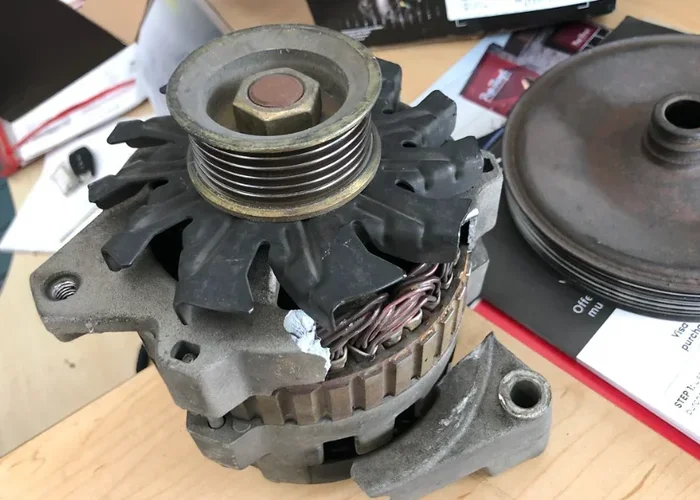
Before we talk about failure, let’s understand the basics. Your alternator is a small but powerful generator. It sits next to your engine and connects through a serpentine belt. Every time your engine runs, the alternator produces electricity. This electricity does two jobs. It recharges your battery and powers your car’s electrical systems.
Think of it this way. Your battery starts the car. But the alternator keeps everything running. It powers your headlights, radio, power steering, and all the computers in your vehicle. Without a working alternator, your battery drains fast. And once the battery dies, your car stops. It’s that simple. That’s why a bad alternator is such a serious problem.
The Alternator and Battery Partnership
Your battery and alternator work as a team. The battery gives a burst of power to start the engine. Then the alternator takes over. It sends electricity to run the car and refills the battery at the same time. When the alternator fails, the battery becomes the only power source. And batteries aren’t designed to power a car for hours. They’re meant for short bursts. So they drain quickly when they have to do double duty.
Warning Signs of a Failing Alternator
The good news is your car tells you when something’s wrong. You just need to pay attention. Most alternator problems don’t happen overnight. They build up slowly. Catching the early signs can save you from a sudden breakdown.
Dimming or Flickering Lights
This is often the first sign people notice. Your headlights might dim when you slow down. Or your dashboard lights flicker at idle. This happens because the alternator isn’t producing enough power. The electrical system starts rationing energy. Your lights are among the first things to suffer.
Dashboard Warning Lights
Most modern cars have a battery-shaped warning light on the dashboard. When this light comes on, don’t ignore it. It means your charging system isn’t working properly. Some cars also show a check engine light. If you see either of these, get your alternator checked right away.
Electrical Accessories Acting Strange
Are your power windows slowing down? Is your radio cutting out? Does your phone charger stop working? These are all signs of low electrical power. Your alternator should be providing steady energy to all these systems. When it starts failing, the accessories feel it first.
Unusual Sounds
A whining or grinding noise from the engine area can signal alternator trouble. These sounds often come from a worn bearing inside the alternator. If you hear something new and unusual, don’t wait. Have a mechanic take a look.
Battery Keeps Dying
If you find yourself jump-starting your car frequently, the alternator might be the culprit. A healthy alternator keeps your battery charged between drives. A failing one can’t do that job anymore. You might also notice your car battery dying much faster than usual.
How Far Can You Really Drive With a Bad Alternator?
Now for the big question. How long can you actually keep driving? The answer depends on several factors. Let’s break it down so you know what to expect.
Factors That Affect Your Driving Range
Several things determine how far you can go with a bad alternator. Understanding these helps you make smart decisions in the moment.
- Battery charge level: A fully charged battery gives you more miles than a partially drained one. If your battery is already weak, you’ll have less time.
- Time of day: Driving at night drains your battery faster because your headlights use more power. You might get half the distance at night compared to daytime driving.
- Electrical loads: Running the AC, heated seats, rear defroster, and stereo all pull power. The more you use, the faster your battery drains.
- Engine type: Some engines need more electrical power than others. Diesel engines and trucks with lots of accessories drain batteries faster.
- Driving conditions: Stop-and-go city driving is harder on your electrical system than steady highway driving.
Realistic Mileage Estimates
Here’s what you can generally expect with a bad alternator:
- Fully charged battery, daytime, minimal electrical use: 30 to 40 miles
- Partially charged battery, daytime, moderate electrical use: 20 to 30 miles
- Fully charged battery, nighttime, full electrical use: 15 to 25 miles
- Weak battery, any conditions: As little as 5 to 10 miles
These numbers are estimates. Your actual range could be shorter. The key point is this: you should never plan to drive far with a bad alternator. Treat it as a short trip emergency only.
What Happens When the Battery Dies?
Once your battery runs out of charge, your car stops. No warning. No gradual slowdown. It just dies. This can happen in the middle of a busy road or on a dark highway. That’s why you need to act quickly when you notice alternator problems. Don’t keep driving thinking you have more time than you do.
The Risks of Driving With a Bad Alternator
Driving with a bad alternator isn’t just inconvenient. It’s actually dangerous. Let’s look at the real risks you face every mile you keep driving.
Sudden Engine Stalling
Your car needs electricity to run its fuel injection and ignition systems. When the battery dies completely, the engine stalls. This can happen without warning, especially at higher speeds or in traffic. Losing power steering and brakes when you need them most is a serious safety hazard.
Damage to Other Components
Running on a dying battery puts stress on your entire electrical system. Sensitive electronics like your car’s computer modules can get damaged. This leads to expensive repairs beyond just the alternator. You might end up needing to replace multiple components instead of just one.
Stranded on the Roadside
This is the most immediate risk. A dead car on the side of the road is dangerous. You could be in an area with no cell service. It might be dark or cold. Other drivers might not see you. A simple alternator repair becomes a major roadside emergency when you’re unprepared.
Worsening the Problem
Every minute you drive with a bad alternator makes it worse. The more you push it, the more damage you cause. A small repair today can become a full alternator replacement tomorrow. Taking quick action saves you money and keeps you safe.
What To Do When Your Alternator Fails
If you suspect your alternator is failing or has already failed, here’s exactly what you should do. These steps can help you stay safe and minimize damage.
Step 1: Turn Off Non-Essential Electrical Systems
The moment you notice alternator problems, cut the power drain. Turn off your radio, air conditioning, heated seats, and any other accessories. If it’s daytime, you might be able to turn off your headlights too. Every bit of power you save extends your driving range.
Step 2: Get to a Safe Location
Don’t try to reach a distant mechanic. Find the nearest safe spot. Pull over if your car starts struggling. Turn on your hazard lights if you’re still moving. Your priority is safety, not getting to your destination.
Step 3: Get Your Car Towed if Needed
If you’re close to home or a shop, you might be tempted to keep driving. But if your car is stalling or showing multiple electrical failures, call a tow truck. It’s better to pay for a tow than to end up stuck in a dangerous location or cause more damage to your car.
Step 4: Get Professional Diagnosis
Have a mechanic test your charging system. They can check your alternator output, battery health, and voltage regulator. Sometimes what looks like an alternator problem is actually a different issue. A proper diagnosis saves you from unnecessary repairs.
Step 5: Consider Repair vs. Replacement
Not all alternator problems require full replacement. Some issues are fixable with a simple repair. Your mechanic can advise you on the best option. In many cases, alternator repair costs less than replacement and gets you back on the road faster.
Alternator Repair and Replacement Costs
Wondering what a new alternator costs? The price varies based on your car’s make and model. Here’s what you can expect.
Average Cost Breakdown
For most passenger cars, alternator replacement runs between $300 and $800. The part itself costs $100 to $350. Labor typically adds another $150 to $450. Luxury vehicles and trucks can cost more. Some European models have alternators that are harder to access, which increases labor time.
If you catch the problem early and just need a voltage regulator replacement or belt repair, costs drop significantly. That’s why paying attention to warning signs saves you real money.
Can You Save Money With DIY Repair?
Some car owners with mechanical skills replace their own alternator. If you’re comfortable working under the hood, this can save you hundreds in labor costs. Just make sure you have the right tools and follow your vehicle’s service manual carefully. And remember, working on a car’s electrical system always carries some risk. If you’re not confident, leave it to the professionals.
How To Prevent Alternator Failure
The best way to deal with alternator problems is to prevent them from happening in the first place. Regular maintenance goes a long way toward keeping your charging system healthy.
Regular Inspections
Have your mechanic check your alternator during routine oil changes and service visits. They can test its output and spot early warning signs. Catching a weak alternator before it fails completely saves you from unexpected breakdowns.
Watch Your Serpentine Belt
The serpentine belt drives your alternator. A cracked or loose belt can cause alternator problems or even stop it working entirely. Check your belt regularly and replace it when you see signs of wear. This is a simple and inexpensive maintenance task.
Keep Your Battery Healthy
A weak battery puts extra strain on your alternator. If your battery is old or failing, replace it promptly. A healthy battery reduces the workload on your alternator and helps both components last longer.
Don’t Ignore Warning Signs
If you notice dimming lights, strange noises, or electrical issues, don’t wait. Get your car checked immediately. Early intervention is the key to preventing a full alternator failure and the expensive repairs that come with it.
Common Mistakes People Make With Alternator Problems
When drivers notice alternator trouble, they sometimes make choices that make things worse. Here are mistakes to avoid.
- Ignoring the warning lights: Many people see the battery light and keep driving. This is the most dangerous mistake you can make.
- Relying only on the battery: Your battery is not designed to power your car for extended periods. It’s a short-term energy source, not a long-term solution.
- Driving long distances to save time: It’s tempting to push through and reach your destination. But this risks a complete breakdown in a dangerous location.
- Buying the cheapest replacement part: A cheap alternator might fail again in weeks. Invest in a quality part from a reputable brand.
- Not checking the voltage regulator: Sometimes the voltage regulator fails, not the alternator itself. A proper diagnosis prevents unnecessary part replacement.
Expert Insights on Alternator Longevity
Automotive experts generally agree that alternators last between 80,000 and 150,000 miles. Some last even longer with proper care. The key is regular maintenance and prompt attention to warning signs. Your driving habits also matter. Frequent short trips and extreme temperatures can shorten alternator life.
Mechanics also point out that electrical accessories installed after purchase can strain your alternator. Aftermarket lighting, sound systems, and winches draw extra power. If you’ve added accessories to your vehicle, have your charging system checked more frequently to make sure your alternator can handle the extra load.
Final Thoughts
Driving with a bad alternator is risky and limited. You might get 20 to 40 miles at best, but every mile you push it increases your chances of a sudden breakdown. The smart move is simple: take warning signs seriously, get your car checked quickly, and don’t try to tough it out. Your alternator keeps your car running. When it fails, you need to act fast. Address the problem immediately and you’ll avoid the stress, danger, and extra costs of being stranded on the roadside. Stay proactive with your car maintenance and your alternator will serve you well for many miles to come.
Frequently Asked Questions
Can I drive my car if the alternator light is on?
You can drive a short distance with the alternator light on, usually about 20 to 40 miles. But this depends on your battery charge and electrical loads. Turn off all non-essential systems and head straight to a mechanic. Continuing to drive risks a sudden engine stall.
What happens if my alternator fails while driving?
If your alternator fails while driving, your car will start losing electrical power. Your headlights may dim, your dashboard lights may flicker, and eventually your engine will stall. Power steering and power brakes may also become harder to use. Pull over safely as soon as you notice these symptoms.
How much does it cost to replace an alternator?
Alternator replacement typically costs between $300 and $800 for most passenger vehicles. The price depends on your car’s make and model, labor rates in your area, and whether you need just the alternator or additional components like the voltage regulator or serpentine belt.
Can a bad alternator damage my car battery?
Yes, a failing alternator can damage your battery. When the alternator doesn’t charge properly, the battery has to work harder. This causes the battery to drain faster and can significantly shorten its lifespan. Replacing both at the same time is often the best approach.
How long does a car alternator last?
Most alternators last between 80,000 and 150,000 miles. Regular maintenance, keeping the serpentine belt in good condition, and avoiding overloading the electrical system can help your alternator reach the higher end of that range.
Is it safe to drive with a bad alternator at night?
Driving at night with a bad alternator is especially risky. Your headlights use significant power, which drains your battery faster. You may only get 15 to 20 miles before your car stalls. If you must drive at night with alternator issues, turn off all other electrical systems and get to a safe location as quickly as possible.