At What Speed Do Hybrids Automatically Switch to Gas
Hybrid vehicles switch to gas at different speeds depending on the type of hybrid system and driving conditions. Most full hybrids shift to the gas engine when speeds exceed 15 to 25 mph, while mild hybrids rely on the gas engine more often at higher loads. Understanding how your hybrid vehicle transitions between electric and gas power helps you maximize fuel efficiency and get the most out of your dual powertrain setup.
If you drive or are thinking about buying a hybrid vehicle, you have probably wondered about something. At what speed do hybrids switch to gas? It is a great question, and the answer is not as simple as you might think.
The truth is that the switchover speed depends on several factors. These include the type of hybrid system, your driving habits, and even the road conditions. In this article, we will break it all down in plain, easy-to-understand language. You will walk away with a clear picture of how your hybrid system works and how to get the best fuel economy from it.
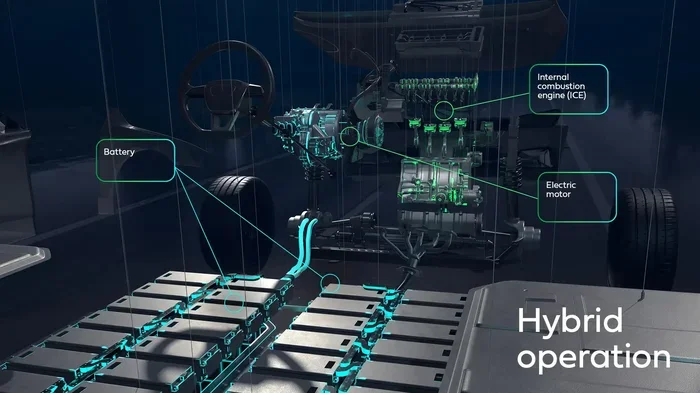
Let us start with the basics. A hybrid vehicle uses two power sources. One is an electric motor powered by a rechargeable battery. The other is a traditional gas engine. Together, they form a dual powertrain designed to give you the best of both worlds. You get the quiet, clean feel of electric driving and the raw power of a combustion engine when you need it.
Now, the big question. When does the car flip from one to the other? The short answer is that most full hybrids switch to gas at speeds above 15 to 25 mph. But there is a lot more to it than that. So let us dive deeper.
Key Takeaways
- Switchover Speed Varies: Most hybrids switch to gas between 15 and 25 mph, but this depends on the hybrid type and driving conditions.
- Full Hybrids Have More Electric Range: Full hybrids can run on electric power alone at low speeds for short distances.
- Mild Hybrids Rely Heavily on Gas: Mild hybrids use the gas engine more frequently and have limited electric-only capability.
- Driving Style Matters: Aggressive acceleration triggers the gas engine faster than gentle, steady driving.
- Regenerative Braking Helps: Braking recharges the battery and extends electric-only driving range.
- Highway Driving Uses Gas More: Sustained high speeds almost always engage the combustion engine for extra power.
- Know Your System: Reading your owner’s manual helps you understand exactly how your specific hybrid operates.
📑 Table of Contents
- How Hybrid Vehicles Switch Between Power Sources
- Switchover Speed for Different Types of Hybrids
- City Driving vs. Highway Driving: How Speed Affects the Switch
- Factors That Influence When Hybrids Switch to Gas
- Common Mistakes That Cause Early Gas Engine Engagement
- Expert Tips to Maximize Electric-Only Driving
- Key Takeaways
- Conclusion
How Hybrid Vehicles Switch Between Power Sources
Understanding how a hybrid vehicle decides when to switch to gas starts with the control unit. This is the brain of the hybrid system. It constantly monitors your speed, battery level, accelerator input, and power demand. Based on all of this data, it chooses the best power source at any given moment.
The process is almost entirely automatic. You do not need to press any button or shift any gear. The car handles the transition seamlessly. Most of the time, you will not even notice it happening.
Electric-Only Mode at Low Speeds
When you first start driving, most hybrids run on the electric motor alone. This is called electric-only mode. It works well at low speeds, typically under 15 mph. You might use this mode when pulling out of a parking spot or driving through a neighborhood.
During electric-only mode, the gas engine stays completely off. This means zero emissions and near-silent operation. It is one of the biggest advantages of owning a hybrid vehicle. You get a quiet, smooth ride while saving fuel at the same time.
However, electric-only mode has limits. The battery has a finite amount of charge. Once it drops too low, the gas engine kicks in automatically. The car also switches to gas when you need more power, such as during hard acceleration or when climbing a steep hill.
The Role of the Battery and Regenerative Braking
The battery plays a huge role in how long your car stays in electric-only mode. A larger battery means more electric range. This is why plug-in hybrid electric vehicles (PHEVs) can go further on electricity alone than standard full hybrids.
Regenerative braking is another key piece of the puzzle. When you lift your foot off the accelerator or hit the brakes, the electric motor reverses its role. It becomes a generator and captures energy. This energy flows back into the battery, recharging it while you drive.
This clever process is called regenerative braking. It is one of the main reasons hybrids are so fuel efficient. Every time you slow down, you are refilling the battery. This extends your electric-only driving range and reduces how often the gas engine needs to run.
What Triggers the Switch to Gas?
Several factors trigger the transition from electric to gas power. Here are the most common ones:
- Speed: Most hybrids switch to gas when speeds exceed 20 to 30 mph.
- Battery Level: A low battery forces the gas engine to take over and recharge it.
- Acceleration Demand: Hard acceleration requires more power than the electric motor can provide alone.
- Hill Climbing: Uphill driving demands extra torque, which the combustion engine handles better.
- Highway Cruising: Sustained speeds above 45 mph almost always engage the gas engine.
- Air Conditioning or Heating: Heavy use of climate control can trigger the gas engine to supplement power.
Each of these triggers works independently or together. Your car’s computer evaluates them all in real time. It makes split-second decisions to keep you moving efficiently.
Switchover Speed for Different Types of Hybrids
Not all hybrids are the same. The type of hybrid system you have makes a big difference in when and how it switches to gas. Let us look at the three main categories.
Full Hybrids
Full hybrids are the most common type. They have a reasonably sized battery and a powerful electric motor. These cars can drive short distances on electricity alone, usually at low speeds.
For most full hybrids, the switch to gas happens between 15 and 25 mph. At higher speeds, the gas engine takes over as the primary power source. The car may also use both power sources together during heavy acceleration. This is called blended power, and it gives you the maximum boost when you need it most.
Popular examples include the Toyota Prius and the Honda Civic Hybrid. Both of these vehicles are known for excellent fuel economy and reliable hybrid systems.
Mild Hybrids
Mild hybrids are different. They have a smaller battery and a less powerful electric motor. These components cannot drive the car on electricity alone. Instead, the electric motor assists the gas engine when needed.
With a mild hybrid, the gas engine is always running. The electric motor simply provides a boost during acceleration or helps with regenerative braking. This means there is no real electric-only mode in a mild hybrid.
Mild hybrids are common in vehicles like the Ram 1500 eTorque and the Mercedes-Benz C-Class Hybrid. They offer a small improvement in fuel economy compared to traditional gas cars, but they do not deliver the same electric driving experience.
Plug-In Hybrid Electric Vehicles (PHEVs)
Plug-in hybrids sit between full hybrids and fully electric vehicles. They have larger batteries that you can charge by plugging them in. This gives them a much longer electric-only range than standard hybrids.
Most PHEVs can drive 20 to 50 miles on electricity alone. The switch to gas happens when the battery runs out or when you demand more power. At highway speeds, the gas engine becomes the primary source of energy.
Examples include the Toyota RAV4 Prime and the Ford Escape PHEV. These vehicles are ideal for people who want to drive mostly on electricity but still have a gas engine for longer trips.
City Driving vs. Highway Driving: How Speed Affects the Switch
Your driving environment plays a huge role in how often the car switches between electric and gas power. Let us compare the two most common scenarios.
City and Suburban Driving
City driving is the sweet spot for hybrid vehicles. Stop-and-go traffic, low speeds, and frequent braking all favor the electric motor. In these conditions, your car may stay in electric-only mode for much of your trip.
At speeds below 15 mph, the electric motor handles most of the work. When you accelerate gently, the car stays on battery power longer. This is why hybrids are so popular in urban areas. They deliver outstanding fuel economy in exactly the conditions where gas cars waste the most fuel.
Even in the city, the gas engine will kick in from time to time. Hard acceleration, quick merges, and running the air conditioner can all trigger the switch. But overall, city driving keeps you in electric mode more often than highway driving does.
Highway and Interstate Driving
Highway driving is where the gas engine takes center stage. At sustained speeds above 40 to 45 mph, the electric motor alone cannot provide enough power efficiently. The combustion engine steps in and becomes the primary source of energy.
On the highway, you will notice the gas engine running more often. This is normal and expected. The car’s computer prioritizes performance and range at higher speeds. It uses the gas engine to maintain steady cruising speeds and to handle overtaking maneuvers.
However, some modern hybrids are getting better at highway electric-only driving. Toyota’s latest hybrid system in the Camry Hybrid, for example, can run on electricity at moderate highway speeds under light load. But for the most part, expect the gas engine to dominate on long highway trips.
Factors That Influence When Hybrids Switch to Gas
Several factors go into the decision of when to switch from electric to gas. Understanding these can help you drive more efficiently and get the most out of your vehicle.
Your Driving Style
How you drive has a direct impact on when the car switches to gas. Gentle, smooth acceleration keeps the electric motor working longer. If you slam the accelerator, the gas engine engages almost immediately to provide the extra power you demand.
Think of it this way. The electric motor is great for steady, low-demand driving. The gas engine kicks in when you need a burst of energy. If you are always asking for that burst, the gas engine will run more often.
To maximize electric-only driving, try to accelerate gradually. Coast to decelerate when possible. These simple habits can make a noticeable difference in your fuel economy.
Battery Charge Level
The state of charge in your battery is a major factor. When the battery is fully charged, the car stays in electric-only mode for as long as possible. As the charge drops, the gas engine starts more frequently to recharge the battery.
This is especially true for standard full hybrids that cannot be plugged in. They rely entirely on regenerative braking and the gas engine to keep the battery topped up. Plug-in hybrids give you more control because you can charge the battery at home or at a public station.
Temperature and Weather Conditions
Cold weather can reduce the effectiveness of your hybrid battery. In winter, the battery may not hold as much charge, and the gas engine may kick in more often. This is because the car uses energy to heat the cabin and warm up the battery.
Hot weather has less of an impact, but running the air conditioner heavily can still trigger the gas engine. The compressor draws significant power, and the electric motor alone may not be able to handle it.
Terrain and Road Conditions
Hilly terrain demands more power. When you drive uphill, the gas engine engages more frequently to provide the extra torque. Flat or downhill roads, on the other hand, favor electric-only mode because less power is needed.
If you live in a hilly area, expect the gas engine to run more often. This is simply a matter of physics. Uphill driving requires more energy than the electric motor can comfortably supply at higher grades.
Common Mistakes That Cause Early Gas Engine Engagement
Many hybrid drivers unknowingly habits that cause the gas engine to kick in too early. Avoiding these mistakes can significantly improve your fuel economy and extend your electric-only range.
Racing the Accelerator
Flooring the accelerator is the fastest way to engage the gas engine. When you demand maximum power, the car’s computer switches to the combustion engine immediately. This is by design, but it defeats the purpose of driving a hybrid if you do it constantly.
Ignoring Regenerative Braking
Many drivers brake too aggressively and miss the opportunity to recharge the battery. Learning to coast and brake gently allows the regenerative braking system to capture more energy. This energy keeps the battery charged and extends your time in electric-only mode.
Overusing Climate Control
Running the heater or air conditioner on full blast puts a heavy load on the hybrid system. The electric motor may not be able to handle this extra demand, so the gas engine steps in. Using climate control at moderate settings helps keep the car running on electricity longer.
Driving on Low Battery
Starting a trip with a nearly empty battery means the car will rely on the gas engine from the start. If you have a plug-in hybrid, charge it before you drive. If you have a standard hybrid, try to keep your driving patterns consistent so the battery stays reasonably charged.
Expert Tips to Maximize Electric-Only Driving
Want to squeeze every last mile of electric driving out of your hybrid vehicle? Here are some expert-backed tips that actually work.
1. Accelerate Gently and Gradually
Smooth acceleration is the single best way to stay in electric-only mode. Ease onto the gas pedal instead of pressing it hard. Your electric motor has plenty of torque for everyday driving. You just need to give it a chance to do its job.
2. Use Cruise Control on Flat Roads
On flat highways or open roads, cruise control helps maintain a steady speed. This steady speed allows the hybrid system to optimize power usage. In some cases, the car can even stay in electric-only mode at moderate highway speeds on flat terrain.
3. Monitor Your Energy Display
Most hybrids have a dashboard display that shows your current power source. Watch this display closely. You will start to notice patterns in how and when the car switches between electric and gas. Use this information to adjust your driving habits.
4. Plan Your Routes
If you drive a plug-in hybrid, plan routes that keep you in electric-only mode for as long as possible. Short trips around town are perfect for running on battery power. Save highway driving for when the battery is depleted and the gas engine is already engaged.
5. Keep Your Tires Properly Inflated
This is a simple tip that many people overlook. Underinflated tires create more rolling resistance. More rolling resistance means the gas engine has to work harder. Keeping your tires at the recommended pressure improves fuel economy and helps the electric motor handle more of the workload.
Key Takeaways
- Switchover Speed Varies: Most hybrids switch to gas between 15 and 25 mph, but this depends on the hybrid type and driving conditions.
- Full Hybrids Have More Electric Range: Full hybrids can run on electric power alone at low speeds for short distances.
- Mild Hybrids Rely Heavily on Gas: Mild hybrids use the gas engine more frequently and have limited electric-only capability.
- Driving Style Matters: Aggressive acceleration triggers the gas engine faster than gentle, steady driving.
- Regenerative Braking Helps: Braking recharges the battery and extends electric-only driving range.
- Highway Driving Uses Gas More: Sustained high speeds almost always engage the combustion engine for extra power.
- Know Your System: Reading your owner’s manual helps you understand exactly how your specific hybrid operates.
Conclusion
So, at what speed do hybrids switch to gas? The answer depends on your vehicle type, your driving habits, and the conditions you face. For most full hybrids, the switch happens somewhere between 15 and 25 mph. Mild hybrids rely on the gas engine almost constantly, while plug-in hybrids can stay in electric-only mode for much longer thanks to their larger batteries.
The beauty of a hybrid vehicle is that the hybrid system handles all of this automatically. You do not need to do anything special. The car simply chooses the best power source for the moment. But by understanding how the system works, you can adjust your driving style to get better fuel economy and a smoother, quieter ride.
Take the time to learn your specific vehicle. Read the owner’s manual. Watch the energy displays. Experiment with gentle acceleration and coasting. Small changes in how you drive can lead to big improvements in how efficiently your hybrid vehicle operates.
At the end of the day, the goal is simple. You want to use less gas, save money, and reduce your environmental impact. And the more you understand about when and why your car switches to the gas engine, the better equipped you are to achieve all three goals. Drive smart, drive smooth, and let your hybrid system do the rest.
Frequently Asked Questions
Do all hybrids switch to gas at the same speed?
No, the switchover speed varies by hybrid type. Full hybrids typically switch between 15 and 25 mph, while mild hybrids rely on the gas engine more often. Plug-in hybrids can stay in electric mode longer depending on battery charge.
Can you manually control when a hybrid switches to gas?
In most cases, the switch is fully automatic. However, some hybrids offer a driving mode or display that lets you monitor and influence power usage. You cannot force the car to stay in electric mode indefinitely, but gentle driving helps extend it.
Is it bad for the hybrid system if the gas engine kicks in often?
No, it is completely normal. The hybrid system is designed to use the gas engine when needed. Frequent engagement does not harm the vehicle. In fact, the gas engine helps recharge the battery, which keeps the whole system balanced.
How can I make my hybrid stay in electric mode longer?
Accelerate gently, use regenerative braking, keep your tires properly inflated, and avoid heavy use of climate control. For plug-in hybrids, start with a fully charged battery to maximize your electric-only range.
Do hybrids switch back to electric once the battery recharges?
Yes, most hybrids will return to electric-only mode once the battery has enough charge and driving conditions allow it. This happens automatically. The transition is seamless and usually happens at low speeds or during light cruising.
Is highway driving bad for hybrid fuel economy?
Highway driving generally uses more gas because sustained speeds require the combustion engine. However, hybrids still deliver better fuel economy than comparable gas-only vehicles, even on the highway. The regenerative braking system also helps recover energy during deceleration.