000 Miles a Lot for a Diesel What You Need to Know
Is 000 miles a lot for a diesel? The answer depends on the engine type, maintenance history, and how the vehicle was driven. Most modern diesel engines can handle 300,000 to 500,000 miles with proper care, but high mileage diesel vehicles need extra attention. This guide covers everything you need to know about diesel engine longevity, common issues, and smart buying decisions.
You see a used diesel truck on the lot. The seller says it has 250,000 miles. Your mind immediately jumps to one question: is 000 miles a lot for a diesel? It is a common worry. But the truth might surprise you. Diesel engines are built differently from gasoline engines. They are tougher, stronger, and designed to go the distance. A diesel pickup or SUV with a few hundred thousand miles on the clock can still have many good years left. So what is the real story behind diesel mileage numbers? Let us break it all down.
Many people think any diesel engine past 200,000 miles is on its last legs. That is simply not true. In fact, diesel engines are famous for their durability. They use stronger parts, run at lower RPMs, and burn fuel more efficiently. But there are limits. Every engine has a point where wear and tear starts to add up. The key is knowing where that line is drawn. This article will help you understand diesel engine lifespan, what mileage is too much, and how to make smart decisions when buying or owning a high-mileage diesel vehicle.
Key Takeaways
- Diesel engines last longer: A well-maintained diesel engine can easily reach 300,000 to 500,000 miles.
- Maintenance is key: Regular oil changes, filter replacements, and fluid checks keep diesel engines running strong.
- High mileage isn’t always bad: A diesel with 200,000 miles may still be a great buy if it has a solid service history.
- Watch for warning signs: Listen for unusual noises, check for blue smoke, and monitor fuel economy drops.
- Know what to look for when buying: Inspect the turbocharger, diesel particulate filter, and compression system before purchase.
- Cost matters: Diesel engine repair costs can be high, but prevention through regular care saves money long-term.
📑 Table of Contents
What Counts as High Mileage for a Diesel Engine?
When we talk about 000 miles a lot for a diesel, we need to define what “high mileage” actually means. The answer is not the same for every vehicle. It depends on the engine size, the make and model, and how well the truck has been cared for over the years.
Low, Medium, and High Mileage Ranges
Here is a simple way to think about diesel mileage ranges:
- Low mileage: Under 100,000 miles. The engine is still in its prime.
- Medium mileage: 100,000 to 200,000 miles. The engine has been used but is still in good shape.
- High mileage: 200,000 to 300,000 miles. The engine has seen a lot of road, but it can still run well.
- Very high mileage: Over 300,000 miles. The engine is well-aged, but many diesel engines thrive at this level.
So if you are asking yourself, “Is 000 miles a lot for a diesel?” and the number is around 200,000 to 300,000, you are in the high mileage range. But that does not mean the engine is worn out. Many diesel engines are just getting started at that point.
The type of driving matters too. Highway miles are easier on an engine than stop-and-go city driving. A diesel truck that spent its life on the interstate will often be in better shape than one that was used for short daily trips around town. Short trips cause more carbon buildup and moisture in the oil. This leads to faster wear over time.
Why Diesel Engines Last Longer Than Gas Engines
Diesel engines have several advantages that help them reach high mileage numbers. First, they are built with heavier components. The engine block, pistons, and connecting rods are all stronger. Second, diesel fuel acts as a lubricant. This reduces friction inside the engine. Third, diesel engines run at lower RPMs. This means less stress on internal parts over time.
These factors add up. A gasoline engine might start showing serious wear around 150,000 miles. A diesel engine can often go well past 300,000 miles before major issues appear. That is a big difference. It is one of the main reasons people ask, “Is 000 miles a lot for a diesel?” and then feel relieved when they learn the answer.
How Long Do Diesel Engines Actually Last?
The lifespan of a diesel engine depends on many factors. But the good news is that diesel engines are among the longest-lasting engines in the automotive world. Let us look at what you can expect from different types of diesel engines.
Average Diesel Engine Lifespan by Vehicle Type
Different vehicles have different expectations. Here is a general guide:
- Light-duty diesel trucks (half-ton): 300,000 to 400,000 miles with proper care.
- Heavy-duty diesel trucks (¾-ton and up): 400,000 to 500,000 miles or more.
- Diesel SUVs and vans: 250,000 to 350,000 miles.
- Diesel cars (European models): 200,000 to 300,000 miles.
These numbers assume regular maintenance. They also assume the engine was not abused. A diesel engine that was always driven gently and serviced on time can easily exceed these ranges. On the other hand, a neglected diesel engine might start having problems at 150,000 miles.
The Role of Maintenance in Diesel Engine Longevity
Maintenance is the single biggest factor in how long a diesel engine lives. Here are the most important tasks to keep up with:
- Oil changes: Change the oil every 5,000 to 7,500 miles. Use the grade of oil recommended by the manufacturer.
- Fuel filter replacement: Replace the fuel filter every 10,000 to 15,000 miles. Clean fuel keeps the injection system healthy.
- Air filter replacement: A dirty air filter reduces airflow and hurts fuel economy. Check it every 15,000 miles.
- Coolant system maintenance: Flush the coolant every 30,000 to 50,000 miles. Overheating is a diesel engine killer.
- Turbocharger care: Let the engine idle for a minute before shutting it off. This helps the turbo cool down properly.
Skipping these simple tasks can cut your diesel engine’s life short. But doing them consistently means your engine will keep running strong for hundreds of thousands of miles.
Common Diesel Engine Problems at High Mileage
Even the best diesel engines can develop issues as they rack up miles. Knowing what to watch for helps you catch problems early. Here are the most common diesel engine problems that show up at high mileage.
Diesel Particulate Filter (DPF) Issues
Modern diesel engines have a diesel particulate filter. It catches soot and keeps exhaust clean. But over time, the filter can clog. A clogged DPF causes loss of power, poor fuel economy, and warning lights on the dashboard. This is one of the most common problems with high-mileage diesel trucks.
You can help prevent DPF issues by occasionally driving at highway speeds. This allows the filter to regenerate and burn off built-up soot. Short trips around town make DPF problems worse because the engine never gets hot enough to clean the filter properly.
Turbocharger Wear
The turbocharger boosts air into the engine for more power. After 200,000 miles, the turbo seals can start to wear. Signs of turbo problems include a whining noise, blue smoke from the exhaust, and a loss of power. Turbo replacement can be expensive, but regular maintenance and proper warm-up habits can extend turbo life significantly.
Compression Loss
Diesel engines rely on high compression to ignite fuel. Over time, compression can drop. This leads to rough idling, hard starting, and reduced power. A compression test is an easy way to check engine health. If compression is low in one or more cylinders, it could mean worn piston rings or valve problems.
Fuel Injector Problems
Fuel injectors deliver precise amounts of fuel to each cylinder. At high mileage, they can become dirty or fail. Symptoms include rough idling, misfires, and poor fuel economy. Using quality diesel fuel and adding a fuel system cleaner every few oil changes can help keep injectors in good shape.
EGR Valve Failure
The exhaust gas recirculation valve reduces emissions. But it can get clogged with carbon deposits over time. A failing EGR valve causes rough running, reduced power, and increased emissions. Regular driving at highway speeds helps keep the EGR valve cleaner. Some owners also choose to have the valve cleaned as part of routine maintenance.
Maintenance Tips to Keep Your Diesel Running Strong
Prevention is always better than repair. A little effort goes a long way when it comes to keeping a diesel engine healthy. Here are practical tips that every diesel owner should follow.
Follow the Manufacturer’s Maintenance Schedule
Every diesel engine comes with a maintenance schedule in the owner’s manual. Follow it. This is the best thing you can do to protect your investment. The schedule covers oil changes, filter replacements, fluid flushes, and inspection intervals. Sticking to this plan keeps the engine running at its best.
Use Quality Parts and Fluids
Cheap oil and filters might save a few dollars now. But they can cost you a lot in the long run. Use name-brand or manufacturer-recommended fluids and parts. Quality diesel oil has the right additives to protect engine internals. Good fuel filters keep contaminants out of the injection system.
Monitor Your Gauges
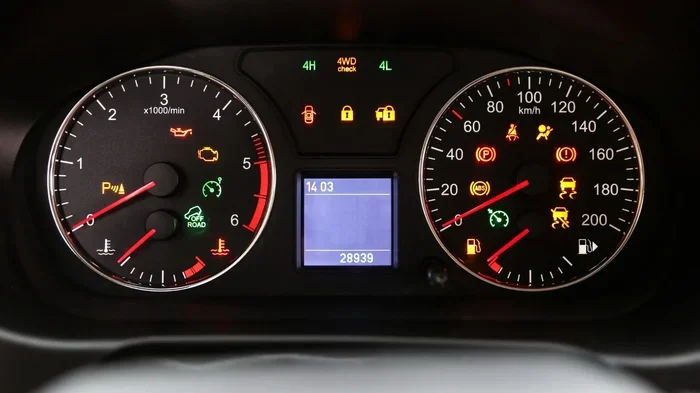
Pay attention to what your dashboard is telling you. Watch the temperature gauge. If it runs hot, pull over and let the engine cool down. Check the oil pressure light. Low oil pressure means serious trouble. Keep an eye on the check engine light too. It might be telling you something important.
Drive With Care
How you drive affects engine life. Avoid revving the engine when it is cold. Let the oil warm up and circulate first. Accelerate smoothly. Avoid lugging the engine in too high a gear. These small habits add up to less wear over time.
Keep Records
Write down every service you perform. Keep receipts and notes. This history is invaluable when selling the vehicle or diagnosing problems. A well-documented service record also tells a buyer that the truck was cared for properly.
Is a High-Mileage Diesel Still Worth Buying?
So you are shopping for a used diesel truck. You find a great deal, but it has 250,000 miles on the clock. Should you pull the trigger? The answer is: it depends. Let us look at the factors that help you decide.
Check the Service History
This is the most important step. A diesel engine with 250,000 miles and a full service history is often in better shape than one with 100,000 miles and no records. Look for regular oil changes, timely filter replacements, and evidence of major services being completed on schedule. If the seller cannot provide records, that is a red flag.
Get a Pre-Purchase Inspection
Before you buy any high-mileage diesel, have a trusted mechanic inspect it. A pre-purchase inspection costs a few hundred dollars. It can save you thousands in unexpected repairs. The mechanic will check the compression, inspect the turbocharger, look for oil leaks, and test the drivetrain. This is money well spent.
Consider the Cost of Ownership
Diesel trucks often have a higher purchase price than their gasoline counterparts. But they also hold their value better and get better fuel economy. Over time, the fuel savings can offset the higher upfront cost. However, diesel engine repair costs are higher than gasoline engine repairs. Factor this into your decision.
Quick Tip: If you plan to keep the truck for a long time, a high-mileage diesel can be a great deal. If you only need it for a year or two, a lower-mileage vehicle might make more sense.
What Mileage Is Too Much?
There is no magic number. A diesel engine with 400,000 miles that was well-maintained can still be a solid performer. But an engine with 150,000 miles that was neglected may already have serious problems. The real answer is not about the number on the odometer. It is about the care the engine received throughout its life.
When you ask, “Is 000 miles a lot for a diesel?” the real question behind it is probably “Will this engine last?” The answer is yes, if the maintenance has been done right. A diesel engine is an investment. Treat it well, and it will reward you with years of reliable service.
How to Know When a Diesel Engine Needs Major Work
Even with the best care, diesel engines eventually need major work. Knowing the signs helps you plan ahead and avoid being stranded. Here are the warning signs that your diesel engine needs serious attention.
Blue or White Smoke from the Exhaust
Blue smoke means oil is burning in the combustion chamber. This often points to worn piston rings or valve seals. White smoke can indicate a head gasket leak or cracked engine block. Both are serious issues that need immediate attention.
Knocking or Tapping Sounds
A diesel engine should run relatively quietly. If you hear knocking or tapping, it could mean worn bearings or rod knock. These are signs of internal engine damage. Do not ignore unusual noises. Get the engine checked right away.
Dramatic Drop in Fuel Economy
Diesel engines are known for their fuel efficiency. If you notice a sudden drop in miles per gallon, something is wrong. It could be a problem with the injectors, turbo, or DPF. A fuel economy drop is often one of the first signs of engine trouble.
Loss of Power Under Load
If your truck struggles to pull a trailer or climb hills, the engine may be losing compression. This is a common sign of aging in diesel engines. A compression test will confirm the diagnosis. Depending on the results, you may need an engine rebuild or replacement.
Coolant Leaks or Overheating
Coolant leaks can come from many places: the water pump, head gasket, or radiator hoses. Overheating causes serious engine damage. If you see coolant on the ground under your truck or notice the temperature gauge climbing, get it checked immediately.
Key Takeaway: Do not wait until the engine fails completely. Catching problems early saves money and keeps you on the road.
Conclusion
So, is 000 miles a lot for a diesel? The answer is more nuanced than you might think. Diesel engines are built to last. With proper care and maintenance, they can easily handle 300,000 to 500,000 miles or more. High mileage does not automatically mean a bad engine. What matters most is the maintenance history and how the vehicle was driven.
If you are buying a used diesel, look for a solid service record. Get a pre-purchase inspection. Pay attention to warning signs. And remember that a well-cared-for diesel engine at 250,000 miles can still have many years of reliable service ahead.
Owning a diesel engine is a commitment. But for those who put in the work, the rewards are real. Better fuel economy, more torque, and an engine that simply will not quit. Keep up with your maintenance, drive with care, and your diesel will keep rolling mile after mile.
The bottom line is simple. Do not fear high mileage on a diesel. Respect it. Understand it. And take care of the engine, and it will take care of you.
Frequently Asked Questions
What is considered high mileage for a diesel engine?
Anything over 200,000 miles is generally considered high mileage for a diesel engine. However, many diesel engines can easily go 300,000 to 500,000 miles with proper maintenance. The key factor is not just the number on the odometer but how well the engine was cared for throughout its life.
Is it worth buying a diesel truck with over 200,000 miles?
Yes, it can be worth it if the truck has a documented service history and was well-maintained. A pre-purchase inspection by a qualified mechanic is essential. Diesel engines are built to last longer than gasoline engines, so a high-mileage diesel can still offer many years of reliable service.
How often should I change the oil in my diesel engine?
Most diesel engine manufacturers recommend oil changes every 5,000 to 7,500 miles. However, if you tow heavy loads or drive in extreme conditions, you may need to change the oil more frequently. Always use the oil grade recommended by the manufacturer.
What are the most common problems with high-mileage diesel engines?
The most common issues include clogged diesel particulate filters, turbocharger wear, compression loss, fuel injector problems, and EGR valve failure. Regular maintenance and highway driving can help prevent many of these problems from developing.
Can a diesel engine last 500,000 miles?
Yes, many diesel engines can last 500,000 miles or more. Heavy-duty diesel trucks are especially known for reaching this milestone. The secret is consistent maintenance, quality fluids and parts, and driving habits that minimize engine stress.
How does highway driving affect diesel engine longevity?
Highway driving is generally easier on diesel engines than stop-and-go city driving. It allows the engine to run at steady RPMs, helps the DPF regenerate, and reduces carbon buildup. A diesel that spends most of its life on the highway will often last longer than one used primarily for short trips.