Does Bentley Make Airplane Engines And Surprising Facts
Yes, Bentley has deep roots in airplane engine manufacturing, dating back to World War I. The legendary W12 engine designer, Walter Owen Bentley, founded Bentley Motors after his success with rotary aircraft engines. Today, Bentley does not produce airplane engines directly, but its parent company and engineering partnerships connect it to the aerospace world in surprising ways.
This is a comprehensive guide about Does Bentley Make Airplane Engines?.
Key Takeaways
- Bentley’s founder W.O. Bentley built airplane engines before cars: His rotary aero engines powered World War I aircraft and earned him a legendary reputation.
- Rolls-Royce acquired Bentley in 1931 and has deep aerospace ties: Rolls-Royce is one of the world’s largest aircraft engine manufacturers.
- Bentley does not currently make airplane engines: The brand focuses exclusively on luxury cars, SUVs, and sustainable motoring.
- The Volkswagen Group owns Bentley today: VW’s engineering resources support Bentley but not aerospace production.
- Bentley’s W12 engine shares engineering DNA with aviation tech: Precision engineering principles from aerospace influenced car engine design.
- Surprising facts link Bentley to power generation and marine engines: The engineering expertise extends beyond roads and runways.
[FEATURED_IMAGE_PLACEHOLDER]
When most people think of Bentley, they picture sleek luxury sedans cruising through Monaco or powerful SUVs dominating mountain roads. But there is a fascinating chapter in Bentley’s history that has nothing to do with four wheels and everything to do with propellers and skies. The question does Bentley make airplane engines opens a door into a world of aviation heritage, engineering brilliance, and surprising corporate connections.
The short answer is no, Bentley does not make airplane engines today. But the full story is far more interesting than a simple yes or no. From World War I battlefields to modern boardrooms, Bentley’s DNA is deeply woven into the fabric of aerospace engineering. If you love cars or aviation, this story will surprise you.
In this article, we will explore every angle of Bentley’s relationship with airplane engines. We will cover the brand’s founding by an aviation engineer, its ownership history, its parent companies, and the surprising ways aerospace technology still lives inside Bentley vehicles today. By the end, you will understand exactly why this luxury car brand has such strong roots in the sky.
The Birth of Bentley: An Aviation Story
Before Bentley became a symbol of luxury motoring, it started as an aviation engine company. The founder, Walter Owen Bentley, was not a car guy at first. He was an engineer who fell in love with aircraft engines. W.O. Bentley built his first successful rotary aero engine during World War I. These engines powered British fighter planes and earned him a reputation for reliability and power.
W.O. Bentley’s Aero Engine Breakthrough
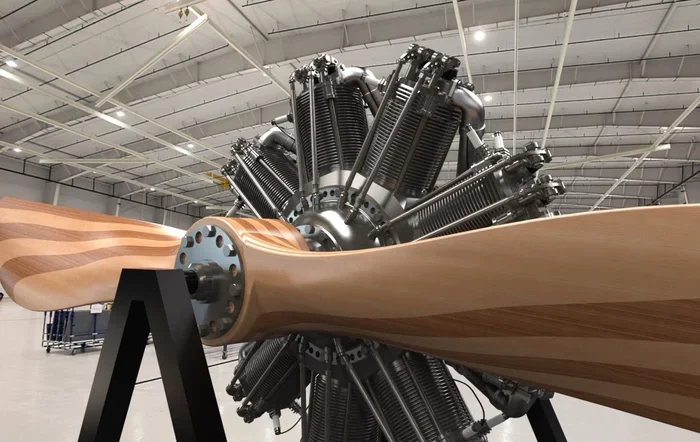
W.O. Bentley designed the BR1 and BR2 rotary engines for the Royal Naval Air Service. These engines outperformed the French Le Rhone engines that were standard at the time. Pilots loved them because they were powerful and durable. The Bentley name became known in aviation circles long before anyone associated it with luxury cars.
After the war, W.O. Bentley decided to build a car. He believed the precision engineering used in aircraft could revolutionize the automobile industry. In 1919, he founded Bentley Motors. His first car, the Bentley 3 Litre, stunned the automotive world with its speed and build quality. The connection to aviation never fully left the brand, even as cars became the focus.
Many car enthusiasts do not know this origin story. They see the Bentley emblem and think of leather seats and wood dashboards. But the brand was born from metal, fuel, and spinning propellers. This aviation heritage shapes everything about how Bentley engineers its vehicles today.
Rolls-Royce and Bentley: The Aerospace Connection
In 1931, Rolls-Royce bought Bentley Motors. This acquisition changed the brand forever. Rolls-Royce was already one of the world’s most important aircraft engine manufacturers. The company built the Merlin engine that powered the Spitfire and the Mustang during World War II. When Rolls-Royce took over Bentley, it brought that entire aerospace engineering tradition with it.
How Rolls-Royce’s Aviation Legacy Influenced Bentley
Rolls-Royce has been building airplane engines for over a century. The company manufactures turbofan engines for commercial airlines and military aircraft. Brands like the Trent series power everything from Boeing 787s to Airbus A350s. This aerospace expertise filtered into Bentley through shared engineering resources and management.
Even though Bentley stopped making airplane engines after the Rolls-Royce takeover, the engineering philosophy stayed. Bentley adopted Rolls-Royce’s approach to precision manufacturing. The focus on smooth power delivery, robust construction, and attention to detail comes directly from aerospace standards. When you drive a modern Bentley, you are experiencing technology shaped by aviation principles.
Some people confuse Bentley with Rolls-Royce in the aerospace world. They assume because Rolls-Royce makes airplane engines and owns Bentley, Bentley must also be involved in aviation. This is not accurate. Bentley focuses on cars. Rolls-Royce Holdings handles all aerospace production separately from the car division.
Who Owns Bentley Today?
Today, Bentley is part of the Volkswagen Group. VW acquired Bentley in 1998 from Vickers, which had owned Rolls-Royce Motors since 1980. The Volkswagen ownership brought massive resources and engineering talent to Bentley. But it also meant the brand moved even further away from any aerospace connections.
The Volkswagen Group’s Role
Volkswagen is an automotive giant. It owns Audi, Porsche, Lamborghini, and several other brands. VW invests billions in car technology, electric vehicles, and sustainable manufacturing. None of this involves airplane engines. Under VW ownership, Bentley has focused entirely on luxury automobiles.
However, Volkswagen does share some engineering platforms across its brands. The Bentley Continental GT shares its platform with the Porsche Panamera and Audi A8. This kind of cross-brand engineering is common in the auto industry. But it has nothing to do with aerospace. The connection between Bentley and airplane engines today is purely historical and philosophical, not operational.
It is worth noting that Rolls-Royce Holdings plc, the aerospace company, is a completely separate entity from Rolls-Royce Motor Cars. The car brand is owned by BMW. So the Rolls-Royce that makes airplane engines has no corporate connection to Bentley at all. This is a common source of confusion.
Does Bentley Make Airplane Engines? The Direct Answer
The direct answer to does Bentley make airplane engines is no. Bentley Motors does not design, manufacture, or sell any aircraft engines. The brand has not produced airplane engines since before World War II. Its entire operation is focused on luxury cars and SUVs.
What Bentley Does Make
Bentley currently produces a small but impressive lineup of vehicles:
- Bentley Continental GT: A grand tourer with a powerful W12 engine.
- Bentley Flying Spur: A luxury sedan with the same W12 powertrain.
- Bentley Bentayga: A luxury SUV that is one of the best-selling models.
- Bentley Mulsanne: A hand-built flagship sedan (discontinued but still relevant).
- Bentley EXP 10 Speed 6: A concept car showing future design direction.
None of these vehicles involve aviation. Every engine Bentley uses is designed for road use. The company has no plans to enter the aerospace market. But the engineering DNA from its aviation past still influences how Bentley builds its powertrains.
The W12 Engine: Where Aviation Meets the Road
Bentley’s famous W12 engine is the closest thing the brand has to aerospace technology in its current lineup. The W12 is a 12-cylinder engine arranged in a W configuration. This design allows for 12 cylinders in a compact space, much like how aircraft engines pack power into tight housings.
The W12 produces over 600 horsepower in its latest form. It delivers smooth, effortless power that feels almost magical. Engineers used principles from aerospace metallurgy to build the engine block. The materials are lightweight yet incredibly strong, just like components in a turbofan engine. This is not a coincidence. Bentley borrowed directly from aviation engineering.
When you ask does Bentley make airplane engines, the W12 story is the most relevant answer. Bentley does not build airplane engines, but airplane engine thinking lives inside every Bentley W12. That is a fascinating connection that many car buyers do not realize.
Surprising Facts About Bentley and Aviation
Here are some facts that even many Bentley fans do not know. These details show how deeply the brand is connected to the world of flight and aviation.
Bentley Engines Were Used in Power Generation
After World War I, Bentley engines found a second life outside of aircraft. Some BR2 engines were adapted for industrial power generation. They powered generators in factories and provided electricity to rural areas. This showed that Bentley’s engineering was versatile enough to serve many industries beyond just cars and planes.
The Bentley Boys Were Aviators
The original Bentley Boys were a group of wealthy British drivers who raced Bentleys in the 1920s. Many of them were also pilots or had aviation interests. Woolf Barnato, one of the most famous Bentley Boys, was a keen aviator. This group of enthusiasts helped cement the brand’s connection to the golden age of flight.
Bentley’s Crewe Factory Has Aviation Roots
The Bentley factory in Crewe, England, sits on land that was used during World War II for aircraft production. Rolls-Royce used the site to build Merlin engines for Spitfires. When Bentley moved its operations to Crewe in the 1940s, it inherited a facility with deep aerospace history. Some of the original wartime buildings are still part of the complex today.
Bentley Has Explored Sustainable Aviation Fuel
In recent years, Bentley has shown interest in sustainable fuels. The company tested its vehicles with fuels that are compatible with aviation kerosene standards. This move signals an awareness of the broader fuel industry, including aviation. While Bentley is not producing airplane engines, it is engaging with the same fuel ecosystem.
Bentley’s Engineering Philosophy Mirrors Aerospace
Bentley’s approach to building cars follows aerospace principles. Every component is tested under extreme conditions. The tolerances are incredibly tight. The focus is on durability, precision, and performance under stress. These are the same values that define aircraft engine manufacturing. Bentley may not build airplane engines, but it thinks like an aerospace company.
How Bentley’s Aviation Heritage Shapes Modern Cars
The aviation history of Bentley is not just a fun story from the past. It actively shapes how the brand engineers its vehicles today. Every Bentley car benefits from over a century of engine-building knowledge that started in the skies.
The materials used in modern Bentley engines include titanium and advanced alloys. These are the same materials used in jet turbine blades. The cooling systems in Bentley powertrains borrow from aircraft thermal management. Even the way Bentley tests its engines mirrors aerospace testing protocols. Cars are put through extreme heat, cold, and vibration tests that resemble what aircraft engines endure.
Bentley’s commitment to hand-assembly also has roots in aviation. Aircraft engines have always been built with extreme care and attention to detail. Bentley carries this tradition forward. Each engine is assembled by a single technician who signs their name to it. This personal accountability comes directly from aerospace manufacturing traditions.
The result is a car brand that feels different from its competitors. Bentley vehicles have a sense of substance and engineering depth that you cannot fake. It comes from a heritage that includes airplane engines, racing, and decades of pushing mechanical boundaries. This is why Bentley stands apart in the luxury car market.
Common Myths About Bentley and Airplane Engines
There are several myths that circulate about Bentley and airplane engines. Let us clear up the confusion.
- Myth 1: Bentley currently makes airplane engines. This is false. Bentley has not produced any aircraft engines since the 1930s at the latest.
- Myth 2: Rolls-Royce makes Bentley airplane engines. Also false. Rolls-Royce makes airplane engines for airlines, but Bentley is a separate car brand.
- Myth 3: VW owns Bentley’s aerospace division. Volkswagen has no aerospace division. It is purely a car company.
- Myth 4: Bentley’s W12 is an airplane engine. The W12 is a car engine. It shares some engineering principles with aviation but is not an aircraft engine.
- Myth 5: Bentley once built jet engines. Bentley never built jet engines. The company made rotary piston engines for WWI aircraft and then shifted to cars.
Understanding these myths helps you appreciate the real story. Bentley’s connection to aviation is historical and philosophical, not operational. The brand carries the spirit of aerospace engineering into its cars without actually building airplane engines.
Expert Insights on Bentley’s Aerospace Legacy
Automotive historians and Bentley enthusiasts agree that the brand’s aviation roots are one of its most undervalued assets. Many people buy a Bentley for the luxury and performance without knowing the incredible engineering story behind the brand.
Experts point out that W.O. Bentley’s background in aviation gave him a unique perspective. He understood precision engineering at a level that most car founders of his era did not. This advantage showed up in every Bentley car that followed. The attention to detail, the power of the engines, and the durability of the vehicles all trace back to aviation principles.
Modern Bentley engineers also acknowledge this heritage. In interviews, they frequently mention the connection to aircraft engine design. They say the aerospace mindset influences decisions about materials, testing, and performance targets. This is not marketing spin. It is a genuine engineering philosophy that has been passed down through generations.
Conclusion
So does Bentley make airplane engines? The answer is no, not today. But the story does not end there. Bentley’s founder built airplane engines that changed aviation history. The brand was shaped by Rolls-Royce, one of the world’s greatest aerospace companies. And its modern vehicles carry the engineering DNA of a century of engine-building excellence.
The surprising facts we explored show that Bentley’s connection to aviation is deeper than most people realize. From W.O. Bentley’s rotary engines to the Crewe factory’s wartime past, the aviation story is a core part of the brand’s identity. When you drive a Bentley, you are not just driving a luxury car. You are driving a piece of aerospace history.
The next time someone asks you about Bentley and airplane engines, you will know the full story. You will understand the founding vision, the corporate history, and the engineering philosophy that links the sky to the road. That knowledge makes every Bentley experience richer and more meaningful. The brand’s aviation heritage is not just a fun fact. It is the foundation of everything Bentley represents today.
Frequently Asked Questions
Did Bentley ever make airplane engines?
Yes, Bentley’s founder W.O. Bentley designed rotary airplane engines during World War I. His BR1 and BR2 engines powered British military aircraft and were highly regarded for their performance and reliability.
Why do people think Bentley makes airplane engines?
The confusion comes from Bentley’s acquisition by Rolls-Royce in 1931. Rolls-Royce is a major aircraft engine manufacturer, and many people assume the car brand shares that business. In reality, Bentley focuses only on luxury cars.
Does Rolls-Royce make airplane engines?
Yes, Rolls-Royce Holdings is one of the world’s largest manufacturers of aircraft engines. The company produces turbofan engines for commercial and military aircraft. Rolls-Royce the car brand is owned by BMW and has no connection to the aerospace company.
What engine does Bentley use in its cars today?
Bentley uses the W12 engine, a 12-cylinder engine arranged in a W configuration. The W12 delivers over 600 horsepower and is known for its smooth, powerful performance. Bentley also offers V8 engines in some models.
Is Bentley involved in sustainable aviation fuel?
Bentley has explored sustainable fuels that meet aviation kerosene standards. While the brand does not produce airplane engines, it is engaging with fuel technologies that overlap with the aviation industry. This reflects Bentley’s broader interest in sustainable engineering.
What is the connection between Bentley’s W12 and aviation technology?
The W12 engine uses materials and engineering principles borrowed from aerospace. Titanium alloys, tight tolerances, and extreme testing protocols all come from aircraft engine design. Bentley applies these aviation-derived techniques to create powerful, durable car engines.