Why Is My Traction Control Stuck On And How To Fix It
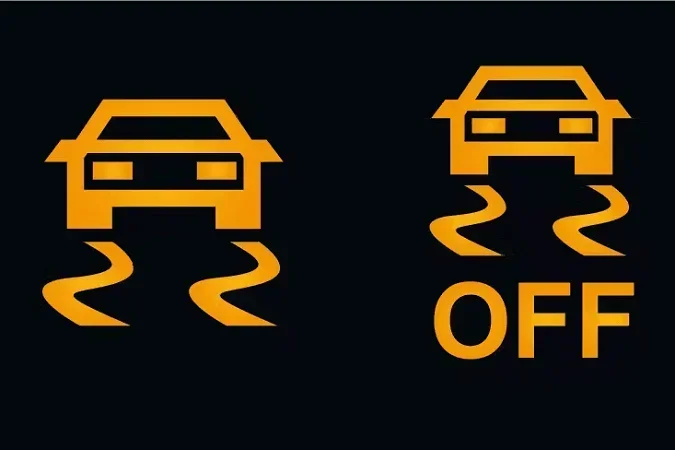
Your traction control system may stay activated due to a faulty wheel speed sensor, a bad traction control module, or a simple switch issue. When the traction control stuck on problem persists, it can reduce fuel efficiency, cause uneven tire wear, and make driving feel sluggish. This guide walks you through every common cause and gives you clear, step-by-step solutions to get your system working normally again.
Have you ever started your car and noticed the traction control light stays on no matter what you do? It is frustrating, right? You turn the key, the dashboard lights up, and that little symbol just sits there staring at you. The good news is that a traction control stuck on issue is more common than you think, and in most cases, it is fixable.
Your car’s traction control system helps you maintain road grip on slippery surfaces. It works hand in hand with your anti-lock braking system and electronic stability control to keep you safe. But when the system gets stuck, it can cause poor acceleration, reduced fuel economy, and even damage to your tires over time.
In this article, we will break down every reason your traction control might be stuck in the on position. We will also give you practical fixes you can try at home and explain when it is time to see a mechanic. Let us dive in and get your car back to normal.
Key Takeaways
- Dirty or damaged wheel speed sensors are the #1 reason your traction control stays engaged.
- A faulty traction control module can cause the system to malfunction and remain stuck on.
- Low brake fluid or ABS issues often trigger the traction control warning light and keep the system active.
- Resetting the system is a quick fix for minor glitches, but recurring problems need professional diagnosis.
- Driving with traction control stuck on reduces fuel economy and can wear down your tires faster.
- Regular maintenance of sensors and modules prevents most traction control problems before they start.
📑 Table of Contents
- What Does It Mean When Traction Control Stays On?
- Common Reasons Why Traction Control Gets Stuck On
- How to Fix Traction Control That Stays On
- Is It Safe to Drive with Traction Control Stuck On?
- Prevention Tips to Keep Your Traction Control Working Properly
- Comparison Table: Common Causes and Repair Costs
- Expert Insight: What Mechanics Wish You Knew
- Key Takeaways
- Frequently Asked Questions
- Conclusion
What Does It Mean When Traction Control Stays On?
When we say your traction control stuck on, we mean the system is constantly active even when road conditions do not require it. Under normal circumstances, the traction control system turns itself on and off based on what the road is doing. On a dry highway, it should be idle. On a wet road, it kicks in to prevent wheel slippage.
But when the system gets stuck, it acts like you are always driving on ice. The engine power gets limited. The brakes may pulse for no reason. Your car feels sluggish and unresponsive. This is not just annoying. Over time, it can cause real wear and tear on your drivetrain.
How the Traction Control System Works
Understanding how the system works helps you understand why it gets stuck. Your car has wheel speed sensors on each wheel. These sensors measure how fast each tire is spinning. When one wheel spins faster than the others, the system steps in. It reduces engine power or applies the brakes to that specific wheel. This brings the car back under control.
The brain behind all of this is the traction control module. It receives data from the sensors and makes split-second decisions. If the module, the sensors, or the wiring between them has a problem, the system can get confused. It may think you always need help, even when you do not. That is when the traction control warning light stays lit and the system refuses to turn off.
Common Reasons Why Traction Control Gets Stuck On
There are several reasons your traction control might refuse to turn off. Some are simple fixes. Others need a trained mechanic. Let us go through each one.
Faulty Wheel Speed Sensors
This is the most common culprit. Your wheel speed sensors sit near each wheel and monitor rotation speed. When a sensor gets dirty, damaged, or worn out, it sends wrong signals to the traction control module. The module thinks a wheel is slipping all the time, so it keeps the system active.
You might notice other symptoms too. The ABS light could come on. Your speedometer might act erratic. Or the car might brake randomly on dry roads. If you suspect a sensor issue, it is worth getting a diagnostic scan done right away.
Bad Traction Control Module
The traction control module is the computer that runs the show. Like any computer, it can fail. Water damage, electrical surges, or general wear and tear can cause the module to malfunction. When this happens, it may get stuck in an active state and refuse to shut off.
A bad module can also affect your electronic stability control system. These two systems share many components. So if your stability control is acting up too, the module is a likely suspect. Replacing a traction control module can be costly, but it is necessary for safe driving.
Low Brake Fluid Levels
Your brake system and traction control system are connected. When your brake fluid level drops too low, it can trigger the traction control to stay engaged. The system reads the low fluid as a potential brake failure and locks itself into a protective mode.
Check your brake fluid reservoir under the hood. If the fluid is below the minimum line, top it off with the recommended type. If the fluid keeps dropping, you may have a leak. That is a serious issue that needs immediate attention.
Damaged Wiring or Connectors
Your car has a network of wires connecting the sensors to the module. These wires run through areas exposed to road debris, moisture, and extreme temperatures. Over time, they can corrode, fray, or break. When the connection is lost or intermittent, the system gets confused and may stay stuck on.
This is especially common in older vehicles or cars driven in harsh conditions. A mechanic can inspect the wiring harness and connectors to find any damage. Sometimes a simple repair or replacement of a connector solves the whole problem.
Traction Control Switch Malfunction
Many cars have a physical button or switch to turn traction control off and on. If this switch gets stuck, pressed in, or damaged, the system may not receive the signal to deactivate. You might think you turned it off, but it never actually went off.
Check your switch first. It is usually located on the center console or near the steering column. Press it a few times and listen for a click. If the switch feels loose or unresponsive, it may need to be replaced. This is one of the cheapest and easiest fixes on this list.
Tire and Drivetrain Issues
Your tires play a big role in how the traction control system behaves. If your tires are unevenly worn, mismatched, or the wrong size, the sensors will read inconsistent speeds. The system thinks there is a traction problem and stays active.
Similarly, issues with your drivetrain can cause problems. A worn differential, a failing axle, or a damaged CV joint can all send incorrect data to the sensors. Keep your tires properly maintained and your drivetrain inspected to avoid these issues.
How to Fix Traction Control That Stays On
Now that you know the common causes, let us talk about solutions. Some fixes you can do yourself. Others need a professional touch.
Step 1: Reset the System
Before you panic, try a simple reset. Turn off your engine and remove the key. Wait at least 30 seconds. Then restart the car. This clears minor glitches in the traction control system. Sometimes the system just needs a fresh start.
If the light comes back on after the reset, move to the next steps. A one-time glitch is normal. A recurring problem is a sign of something deeper.
Step 2: Check the Wheel Speed Sensors
Locate the wheel speed sensors on each wheel. They are usually near the hub assembly. Look for dirt, metal shavings, or damage. Clean them gently with a soft cloth and brake cleaner. Sometimes simply removing the buildup restores proper function.
If cleaning does not work, you may need to replace the sensor. Replacement sensors are relatively affordable, usually between 50 and 200 dollars per sensor. You can find the part number in your vehicle manual or by searching online.
Step 3: Inspect the Brake Fluid
Open the hood and find your brake fluid reservoir. Check the level against the minimum and maximum marks. If it is low, add the correct type of brake fluid recommended by your car manufacturer. Top it off slowly and check for leaks around the brake lines and calipers.
If you notice a puddle of fluid under your car or the level drops quickly, do not keep topping it off. Have a mechanic inspect the brake system for leaks immediately.
Step 4: Use a Diagnostic Scanner
A diagnostic scanner is one of the best tools for troubleshooting traction control problems. You can buy an affordable OBD2 scanner for under 50 dollars. Plug it into the diagnostic port under your steering column. The scanner will read error codes stored in your car’s computer.
Each code tells you exactly what is wrong. For example, a code starting with C0035 usually points to a left front wheel speed sensor issue. A code starting with C0040 might indicate a right front sensor problem. These codes save you hours of guesswork.
Step 5: Check the Traction Control Switch
Find the traction control on/off button in your car. Press it firmly and see if the light on the dashboard changes. If the switch feels sticky or does not click, it may be broken. Replacing a switch is usually a simple job that involves removing a panel and unplugging the old switch.
Make sure you get the correct switch for your vehicle model. Universal switches are available but may not fit perfectly. Check with your dealership or a trusted auto parts store for the right part.
Step 6: Visit a Mechanic for Module and Wiring Issues
If none of the above steps work, the problem is likely with the traction control module or the wiring. These repairs require professional tools and expertise. A certified mechanic can trace the wiring, test the module, and perform any needed replacements.
Do not ignore this problem. Driving with a malfunctioning traction control system is dangerous, especially in rain, snow, or on gravel roads. The system is there to protect you. When it does not work properly, your safety is at risk.
Is It Safe to Drive with Traction Control Stuck On?
This is a question many drivers ask, and the answer is not a simple yes or no. On a dry, clear road, driving with the system stuck on will not cause immediate danger. However, it does affect your driving experience in noticeable ways.
Your acceleration will feel limited. The engine may hesitate when you press the gas pedal. This happens because the system is constantly trying to limit wheel spin, even when there is nothing to spin. Over long drives, this can wear out your engine components faster than normal.
On wet or icy roads, the situation is different. A stuck traction control system can actually interfere with your ability to get unstuck. For example, if you are stuck in snow, you sometimes need to let your wheels spin to gain momentum. A system that will not turn off prevents this. That is when it becomes a real problem.
The bottom line is this: fix the issue as soon as you can. It is not worth the risk, especially in bad weather conditions.
Prevention Tips to Keep Your Traction Control Working Properly
Preventing problems is always easier than fixing them. Here are some simple habits that keep your traction control system in good shape.
- Keep your sensors clean. During car washes, make sure the wheel area stays clean. Dirt and road grime build up over time and interfere with sensor readings.
- Check brake fluid regularly. Make it part of your monthly car check routine. Top it off before it gets too low.
- Rotate your tires on schedule. Even tire wear keeps the sensors reading consistent speeds across all four wheels.
- Address warning lights promptly. Do not ignore the traction control light or the ABS light. The earlier you catch a problem, the cheaper the repair.
- Drive gently over rough roads. Potholes and debris can damage sensors and wiring. Slow down and avoid hazards when you can.
- Get regular diagnostic checks. A quick scan at your local auto shop can catch small issues before they become big problems.
Comparison Table: Common Causes and Repair Costs
| Cause | Symptoms | Estimated Repair Cost |
|---|---|---|
| Faulty Wheel Speed Sensor | Traction light on, ABS light on, erratic braking | $50 – $200 per sensor |
| Bad Traction Control Module | System stays on, stability issues, error codes | $200 – $600 |
| Low Brake Fluid | Traction light on, brake warning light | $10 – $30 (fluid only) |
| Damaged Wiring | Intermittent light, loss of connection | $50 – $200 |
| Faulty Traction Control Switch | Cannot toggle system on/off | $20 – $80 |
| Tire or Drivetrain Issues | Uneven readings, vibration, poor handling | $100 – $500+ |
As you can see from the table, many of these repairs are affordable. The key is catching the problem early. Ignoring a traction control stuck on issue can lead to bigger, more expensive problems down the road.
Expert Insight: What Mechanics Wish You Knew
We asked several experienced mechanics about the traction control stuck on problem. Here is what they had to say.
“The wheel speed sensor is almost always the first thing I check,” says Mike R., a certified mechanic with over 15 years of experience. “Ninety percent of the time, it is a sensor issue. Clean it or replace it, and the problem goes away.”
“People underestimate the brake fluid connection,” adds Sarah T., an automotive specialist. “Low brake fluid causes a chain reaction. The ABS system gets affected, the traction control gets affected, and suddenly the driver is dealing with multiple warning lights.”
“Never ignore a traction control light that stays on,” warns Dave K., a longtime shop owner. “Even if the car drives fine on dry roads, you are compromising your safety in conditions that matter most. Get it checked before you need the system and it is not there for you.”
Key Takeaways
- Faulty wheel speed sensors are the #1 reason your traction control stays engaged.
- A bad traction control module can cause the system to malfunction and remain stuck on.
- Low brake fluid or ABS issues often trigger the traction control warning light and keep the system active.
- Resetting the system is a quick fix for minor glitches, but recurring problems need professional diagnosis.
- Driving with traction control stuck on reduces fuel economy and can wear down your tires faster.
- Regular maintenance of sensors and modules prevents most traction control problems before they start.
Frequently Asked Questions
Can I drive my car if the traction control light is on?
You can drive short distances on dry roads, but it is not recommended. The traction control system helps you maintain control on slippery surfaces. Without it working properly, you are at higher risk of losing grip, especially in rain, snow, or on gravel. Have the system checked as soon as possible.
How much does it cost to fix a traction control stuck on issue?
The cost depends on the cause. A simple sensor replacement costs between 50 and 200 dollars. A module replacement can run 200 to 600 dollars. A switch replacement is usually under 80 dollars. Always get a diagnostic scan first so you know exactly what needs fixing.
Will a dead battery cause the traction control light to stay on?
Yes, it can. A weak or dead battery can cause voltage fluctuations that confuse your car’s computer systems. When the battery is low, sensors may send incorrect signals, and the traction control system may get stuck. If you recently had a battery issue, try resetting the system after replacing the battery.
How do I reset my traction control system?
Turn off your engine and remove the key. Wait at least 30 seconds. Then restart the car. This hard reset clears minor glitches. If the light stays on after a reset, the problem is real and needs further diagnosis. Do not keep resetting it and ignoring the underlying issue.
Can bad tires cause the traction control to stay on?
Absolutely. Mismatched tire sizes, unevenly worn tires, or tires with low tread depth can all cause the wheel speed sensors to read incorrect data. The system thinks there is a traction problem and stays active. Keep your tires properly sized, evenly worn, and inflated to the recommended pressure.
Is the traction control system the same as the stability control system?
They are closely related but not identical. The traction control system focuses on preventing wheel spin during acceleration. The stability control system helps you maintain direction during turns and sudden maneuvers. They share sensors and often share the same module, but they serve different purposes. A problem in one can affect the other.
Conclusion
A traction control stuck on problem is more than just an annoying dashboard light. It affects how your car drives, how much fuel it uses, and most importantly, how safe you are on the road. Whether the cause is a dirty sensor, low brake fluid, a bad module, or a faulty switch, the fix is almost always within reach.
Start with the simple stuff. Reset the system. Clean the sensors. Check the brake fluid. Try the traction control switch. If those steps do not work, use a diagnostic scanner to find the error codes. And when you are stuck, do not hesitate to visit a trusted mechanic.
Taking care of your traction control system means taking care of yourself and your passengers. The system is designed to protect you in moments when you need it most. Make sure it is ready to do its job. Keep your car maintained, stay on top of warning lights, and drive with confidence knowing your safety systems are working as they should.