Want to Know Why Does My Car Say Check Charging System
When your car displays a “check charging system” warning, it means something is wrong with your electrical power supply. The most common culprits include a failing alternator, weak battery, or damaged serpentine belt. This guide walks you through every possible cause, how to diagnose the problem, and what steps to take next.
You turn the key, hop in the car, and then you see it. That little warning light on your dashboard that reads check charging system. Your heart sinks a little. What does it even mean? Is this something serious? Can you still drive? These are the exact questions most car owners ask the moment they spot that message.
The truth is, a charging system warning is your car’s way of telling you that something is off with its electrical power supply. It is not something you should ignore, but it is also not always a reason to panic. In most cases, the problem is fixable and costs less than you might think.
This article breaks down every reason your car might show that message. We will cover the parts involved, the signs to watch for, and the steps you can take to get back on the road safely. Whether you are a seasoned driver or someone who just started driving, this guide has you covered.
Key Takeaways
- Battery issues: Corroded terminals or a dead battery often trigger the warning.
- Alternator failure: A worn-out alternator stops charging your battery while driving.
- Belt problems: A loose or broken serpentine belt cuts power to the charging system.
- Voltage regulator faults: A bad regulator disrupts steady power flow to electrical parts.
- DIY testing tips: You can check voltage with a simple multimeter at home.
- Drive safely: Limit electrical use and get help quickly when this light appears.
📑 Table of Contents
- What Does “Check Charging System” Mean?
- Top Reasons Your Car Shows a Charging System Warning
- How to Diagnose the Charging System Problem
- Quick Tips to Prevent Charging System Issues
- Common Mistakes People Make When This Warning Appears
- When to See a Professional Mechanic
- Cost Breakdown for Charging System Repairs
- Expert Insights on Charging System Maintenance
- Key Takeaways
- Frequently Asked Questions
- Final Thoughts
What Does “Check Charging System” Mean?
Let us start with the basics. When your car says check charging system, it is alerting you that the system responsible for generating and storing electrical power is not working correctly. Your vehicle relies on electricity for almost everything. The lights, the radio, the fuel injection system, and even your power steering all need a steady supply of power to function.
The charging system is made up of a few key parts. The car battery stores electrical energy. The alternator generates power while the engine runs. The voltage regulator controls how much power flows through the system. Together, these components keep your battery health in check and your electrical parts running smoothly.
When one of these parts fails, the system cannot keep up. The dashboard warning light comes on to let you know. Think of it like a check engine light, but specifically focused on the electrical charging parts of your vehicle.
Common Electrical Warning Lights
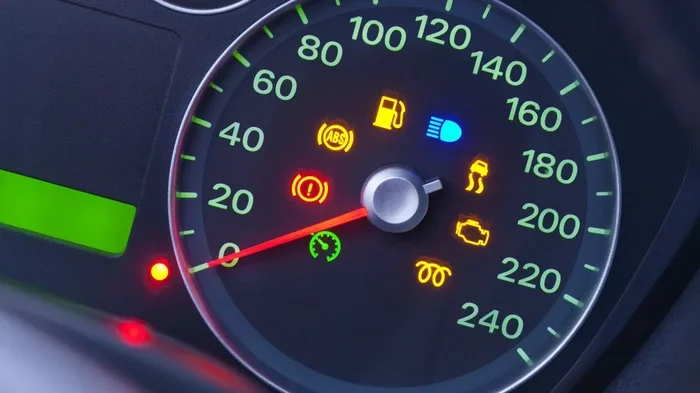
Different car brands show this warning in different ways. Some vehicles display the words “check charging system” right on the dashboard. Others use a battery-shaped icon. A few models show a glowing battery symbol or an ALT light. No matter which version you see, the meaning is the same. Your charging indicator is telling you something needs attention.
Here are the most common versions of this warning you might see:
- Battery-shaped icon on the dashboard
- ALT or charging text display
- Check charging system message on the driver information screen
- Battery light that stays on after startup
Any of these means the same thing. Do not wait for the problem to fix itself. It will not.
Top Reasons Your Car Shows a Charging System Warning
So what actually causes this warning to pop up? There are several possible reasons. Some are simple and cheap to fix. Others need a bit more attention. Let us walk through each one.
1. Dead or Weak Car Battery
The most common cause of a check charging system message is a battery that has lost its charge. Car batteries typically last between three and five years. Over time, they lose their ability to hold a full charge. If your battery is old, it might not have enough power to keep the system running.
Cold weather makes this worse. Low temperatures slow down the chemical reactions inside the battery. If you live in a colder climate, your battery might struggle more during winter months. Look for signs like slow cranking when you start the car or dim headlights when the engine is off.
You can test your battery with a simple multimeter testing tool. A healthy battery should read around 12.6 volts when the engine is off. If it reads below 12.0 volts, it is time for a replacement.
2. Failing Alternator
The alternator is the heart of your electrical system. It converts mechanical energy from the engine into electrical energy. When the alternator goes bad, your battery stops getting charged while you drive. This is one of the most serious causes of a charging system warning.
Signs of a failing alternator include:
- Dimming headlights while driving
- Electrical accessories slowing down
- A whining or grinding noise from the engine bay
- The car stalling or having trouble starting after driving
If you suspect your alternator is the issue, get it tested right away. Driving with a bad alternator can leave you stranded. The alternator failure will eventually drain the battery completely, and your car will stop running.
3. Loose or Broken Serpentine Belt
Your alternator is powered by a rubber belt connected to the engine. This belt is called the drive belt or serpentine belt. If this belt becomes loose, cracked, or breaks entirely, the alternator stops spinning. No spinning means no power generation.
A damaged belt is easy to spot during a visual inspection. Look for cracks, fraying, or glazing on the surface. You might also hear a squealing noise when you start the engine. Replacing a serpentine belt is usually inexpensive and quick, making this one of the easier fixes on this list.
4. Faulty Voltage Regulator
The voltage regulator controls the amount of electricity the alternator sends to the battery and the rest of the car. If the regulator fails, it can send too much or too little voltage. Either situation causes problems. Too much voltage can damage electrical components. Too little means the battery never gets fully charged.
Voltage regulator issues often show up as flickering dashboard lights or inconsistent power to accessories. This part is usually built into the alternator on modern vehicles, so replacing it often means replacing the entire alternator unit.
5. Corroded or Loose Battery Terminals
Sometimes the problem is not inside the parts but at the connections. Battery corrosion builds up on the terminals over time. This white or greenish crust blocks the flow of electricity between the battery and the cables. Even a brand-new battery will not work properly if the terminals are corroded.
You can clean battery terminals yourself with a simple baking soda and water solution. Use an old toothbrush to scrub away the corrosion. Make sure the connections are tight and secure. This is a quick fix that many car owners overlook.
6. Parasitic Draw Draining the Battery
A parasitic draw happens when something in your car continues to pull power from the battery even when the engine is off. This could be a glove box light that stays on, an aftermarket alarm system, or a faulty relay. Over time, this slow drain weakens the battery and triggers the charging system warning.
If you notice your car battery dies after sitting for a few days, a parasitic draw is a likely suspect. A mechanic can perform a parasitic draw test to find the culprit.
How to Diagnose the Charging System Problem
You do not need to be a professional mechanic to figure out what is going on. With a few basic tools and some patience, you can narrow down the cause of the check charging system message yourself.
Step 1: Check the Battery Voltage
Start by testing the battery with a multimeter. Set the meter to DC voltage. Touch the red probe to the positive terminal and the black probe to the negative terminal. A reading of 12.6 volts means the battery is fully charged. Anything below 12.4 volts suggests the battery is weak or dying.
Step 2: Test the Alternator Output
With the engine running, check the voltage again at the battery terminals. A healthy alternator should produce between 13.8 and 14.2 volts. If the reading is below 13.5 volts, the alternator is not charging properly. If it is above 15 volts, the voltage regulator might be failing.
Step 3: Inspect the Serpentine Belt
Open the hood and look at the belt. Check for cracks, wear, or looseness. Try pressing on the belt with your finger. It should have a little give but not feel loose. A belt that is visibly damaged needs to be replaced immediately.
Step 4: Look for Corrosion and Loose Connections
Inspect the battery terminals and cable ends. Clean any corrosion you find. Make sure the cables are tight and secure. A loose connection can mimic the symptoms of a dead battery or failing alternator.
These four steps will help you identify the root cause in most cases. If you are unsure or uncomfortable doing these checks, take your car to a trusted mechanic. Most shops will test the charging system for free or a small fee.
Quick Tips to Prevent Charging System Issues
Prevention is always better than repair. Here are some simple habits that keep your electrical system healthy and your battery health strong.
- Get your battery tested every year. Most auto parts stores offer free testing.
- Keep the battery terminals clean. A quick wipe-down every few months goes a long way.
- Check the serpentine belt during oil changes. Catching wear early prevents unexpected breaks.
- Avoid short trips when possible. Short drives do not give the alternator enough time to fully recharge the battery.
- Turn off accessories when the engine is off. This reduces strain on the battery and prevents unnecessary drain.
- Replace old batteries before they fail. Do not wait until you are stranded on the side of the road.
Common Mistakes People Make When This Warning Appears
When the check charging system light comes on, many drivers make mistakes that make the situation worse. Here is what to avoid.
Ignoring the Warning
The biggest mistake is simply ignoring the light and hoping it goes away. It will not. The problem will only get worse over time. What starts as a minor issue can turn into a dead battery, a stalled engine, or even damage to other electrical components.
Replacing the Battery Without Testing the Alternator
Many people rush out and buy a new battery when they see the warning. But if the alternator is the real problem, the new battery will die just as fast. Always test both the battery and the alternator before replacing anything.
Driving Long Distances with the Warning On
You might be tempted to drive to your destination and deal with it later. But if the alternator has failed, you are running on battery power alone. Once the battery dies, your car will stall. You could end up stranded in an unsafe location.
Using Cheap Replacement Parts
Saving a few dollars on a low-quality alternator or battery often leads to more problems down the road. Invest in reliable parts from trusted brands. Your electrical system depends on consistent and stable power delivery.
When to See a Professional Mechanic
Some charging system problems are simple enough to handle at home. But there are times when you should call in a professional. If you have checked the battery, tested the alternator, and inspected the belt but still see the warning, it is time for expert help.
Complex issues like internal alternator damage, wiring problems, or voltage regulator faults require specialized tools and knowledge. A certified mechanic can run a full electrical system diagnostic and pinpoint the exact cause. This saves you time, money, and the frustration of guessing.
Also, if your car is still under warranty, check with your dealer before doing repairs yourself. Some DIY fixes might void your warranty coverage.
Cost Breakdown for Charging System Repairs
Wondering how much it might cost to fix the problem? Here is a rough idea of what to expect. Keep in mind that prices vary by location, car model, and the severity of the issue.
- Battery replacement: $100 to $250
- Alternator replacement: $300 to $800
- Serpentine belt replacement: $50 to $150
- Voltage regulator repair: $150 to $400
- Full electrical system diagnostic: $50 to $150
These are average costs and can vary widely. Always get a quote from your mechanic before agreeing to any repairs.
Expert Insights on Charging System Maintenance
Experienced mechanics agree on one thing. Regular maintenance is the best way to avoid a charging system warning. A simple inspection during every oil change can catch problems early. Many shops include a battery and charging system check as part of their routine service.
One mechanic shared this tip. “I tell all my customers to pay attention to the little signs. A slow start, dim lights, or a weird clicking noise are all early warnings. Catching them early saves a lot of money and hassle.”
Another expert added that people should not underestimate the role of the drive belt. “A serpentine belt looks tough, but it wears out. A five-minute inspection can prevent a roadside breakdown.”
Their advice is simple. Stay proactive. Do not wait for the warning light to become a real problem.
Key Takeaways
- A “check charging system” warning means your car’s electrical power supply is not working correctly.
- The most common causes are a weak battery, failing alternator, or damaged serpentine belt.
- You can diagnose the problem at home using a multimeter and a visual inspection.
- Ignoring the warning can lead to a dead battery, stalled engine, or expensive electrical damage.
- Replacing the battery without testing the alternator is a common and costly mistake.
- Regular maintenance keeps the charging system healthy and prevents unexpected breakdowns.
- When in doubt, consult a professional mechanic for a full electrical system diagnostic.
Frequently Asked Questions
Can I still drive my car when the check charging system light is on?
You can drive a short distance, but you should get to a safe location quickly. The warning means your car is not charging properly. If the alternator has failed, your battery will eventually die and the engine will stall. Limit the use of electrical accessories like the radio and lights, and head to a mechanic as soon as possible.
How much does it cost to fix a check charging system warning?
The cost depends on the root cause. A new battery typically costs between $100 and $250. Alternator replacement ranges from $300 to $800. A serpentine belt is one of the cheapest fixes at $50 to $150. Always ask for a diagnostic fee upfront and get a clear estimate before approving any repairs.
What causes a charging system warning to come on suddenly?
Sudden warnings are often caused by a broken serpentine belt, a failed alternator, or a loose battery connection. These issues happen quickly and without much warning. If the light comes on while driving, pull over safely and check the belt and battery connections first.
Can a dead battery cause the check charging system message?
Yes. A dead or weak battery can trigger the warning because the system detects insufficient voltage. However, the battery might not be the actual cause. A failing alternator that does not charge the battery properly will also cause the battery to die. Always test both components to find the real problem.
How do I test my alternator at home?
You can test the alternator with a multimeter. Start the engine and set the multimeter to DC voltage. Touch the probes to the battery terminals. A reading between 13.8 and 14.2 volts means the alternator is working. A reading below 13.5 volts suggests the alternator is not charging properly and needs further inspection or replacement.
Does cold weather affect the charging system?
Yes, cold weather has a significant impact on your car battery. Low temperatures slow down the chemical reactions inside the battery, reducing its ability to hold a charge. Icy conditions also strain the alternator and belt. If you live in a cold climate, have your charging system tested before winter arrives to avoid surprises.
Final Thoughts
Seeing a check charging system warning on your dashboard can feel stressful. But it does not have to be. With the right knowledge, you can understand what the warning means, identify the cause, and take the right steps to fix it. The most important thing is to act quickly. The longer you ignore the warning, the worse the problem becomes.
Start with the simple checks. Test your battery voltage. Inspect the serpentine belt. Look for corrosion on the terminals. These small steps can save you time and money. If the problem is beyond a simple fix, do not hesitate to visit a trusted mechanic.
Your car’s electrical system is the backbone of everything that makes it run. Taking care of it means fewer surprises, fewer breakdowns, and a safer ride. The next time that warning light comes on, you will know exactly what to do. Stay calm, stay informed, and keep your battery health in top shape. Your car will thank you for it.