Why Can I Smell Petrol in My Car Here Is What It Means
Smelling petrol inside your car is a warning sign you should never ignore. It can mean anything from a simple loose fuel cap to a serious fuel leak or a failing EVAP system. Understanding the root cause helps you stay safe and avoid costly repairs down the road.
You hop into your car, start the engine, and then it hits you. That unmistakable smell of petrol fills the cabin. It is not something you should brush off. A petrol smell in car can range from a minor annoyance to a serious safety hazard. So why does this happen, and what should you do about it?
Whether you drive a petrol car or a diesel, catching a fuel odour inside the cabin is never normal. Sometimes the cause is as simple as a loose fuel cap. Other times, it signals a fuel leak or a broken part in the evaporative emission system. Whatever the reason, understanding what is going on helps you stay safe. It also saves you money on expensive repairs later.
In this guide, we will walk through every possible cause. We will cover quick fixes, serious problems, and everything in between. By the end, you will know exactly what to do when you catch that gasoline odor in your vehicle.
Key Takeaways
- Loose or Faulty Fuel Cap: The most common and easiest fix for petrol smells in your car.
- Fuel Leaks Are Serious: Cracked fuel lines or a damaged tank pose a real fire risk and need immediate attention.
- EVAP System Problems: A malfunctioning evaporative emission control system can cause persistent fuel odours inside the cabin.
- Charcoal Canister Failure: A broken canister lets fuel vapours leak into the car instead of being filtered properly.
- Fuel Injector or Seal Issues: Worn O-rings or leaking injectors can release petrol smell into the engine bay and cabin.
- Act Fast: Ignoring a petrol smell can lead to health risks, reduced fuel efficiency, and dangerous situations.
📑 Table of Contents
Why Can I Smell Petrol in My Car? Common Causes Explained
The moment you notice a petrol smell inside car, your mind starts racing. Is it dangerous? Is something broken? The truth is, there are many reasons this can happen. Some are harmless. Others need urgent care. Let us break them down one by one.
1. Loose or Damaged Fuel Cap
This is the number one reason people smell petrol in their car. The fuel cap seals the tank and keeps fuel vapours from escaping. If the cap is loose, cracked, or missing, those vapours leak right into the air around your car. And yes, they can easily get sucked into the cabin through the ventilation system.
Here is what to do. Pull over safely. Check the cap. Is it tightened all the way? Does it look damaged? Sometimes a simple twist of the cap solves the whole problem. If the cap is cracked or the seal is worn, replace it. A new fuel cap costs just a few pounds and takes seconds to install.
Quick Tip: After refuelling, always listen for the cap clicking at least three times. This ensures a proper seal.
2. Fuel Leaks From the Tank or Lines
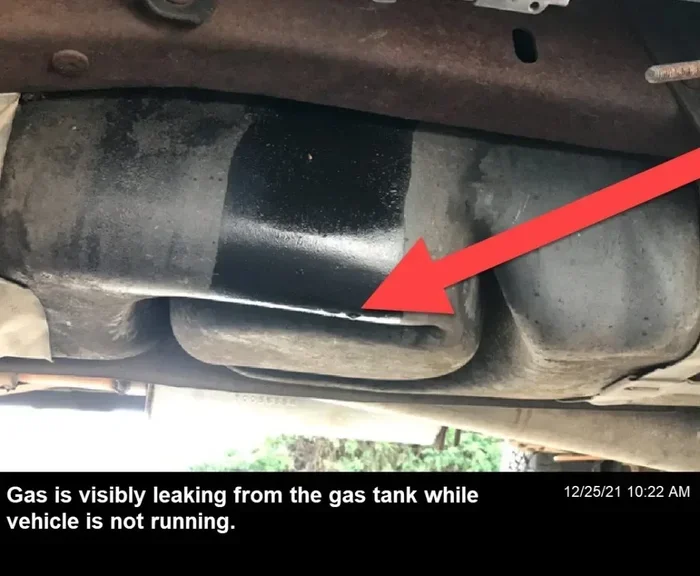
A fuel leak is more serious than a loose cap. Petrol or diesel can drip from the fuel tank, fuel lines, or connections along the way. You might notice a puddle under your car after parking. The smell will be strong, especially when you are sitting in traffic or idling.
Fuel leaks can happen for many reasons. Rust eats through old tanks. Road debris can puncture lines. Rubber seals wear out over time. Whatever the cause, a fuel leak is a fire hazard. Do not drive far with a suspected leak. Get your car to a mechanic as soon as possible.
Watch for these signs of a fuel leak:
- A strong petrol smell that gets worse while driving
- Drips or puddles of fuel under the car
- Drop in fuel level without using more petrol
- Sticky residue on parts of the car near the tank
3. Faulty EVAP System (Evaporative Emission Control)
Your car has a clever system called the EVAP system. It captures fuel vapours from the tank and routes them to the engine to be burned. This prevents harmful fumes from escaping into the air. When this system fails, those vapours have nowhere to go except into your car.
The EVAP system includes several parts. There is the charcoal canister, purge valve, vent valve, and a network of hoses. If any one of these parts breaks or gets clogged, fuel vapours escape. You will smell petrol inside the car, and you might also see the check engine light come on.
Common EVAP problems include:
- A cracked or disconnected hose
- A stuck-open purge valve
- A saturated or broken charcoal canister
- A faulty vent valve
Fixing an EVAP issue can range from a simple hose replacement to a full charcoal canister swap. A mechanic can run a diagnostic scan to pinpoint the exact problem.
4. Cracked or Damaged Fuel Lines
The fuel lines carry petrol from the tank to the engine. Over time, these lines can crack, corrode, or develop holes. When this happens, fuel drips out and the smell spreads. In older cars, metal fuel lines are prone to rust. In newer cars, rubber hoses can dry out and crack.
A cracked fuel line is dangerous. Not only does it create a strong fuel odour, but it also wastes petrol and creates a fire risk. If you suspect a damaged fuel line, do not keep driving. Have your car towed to a garage.
Expert Insight: Fuel lines near the engine bay get extra hot. This makes rubber sections more likely to degrade. Regular inspections during oil changes can catch this early.
5. Leaking Fuel Injectors
The fuel injectors spray petrol directly into the engine cylinders. Each injector has an O-ring or seal that prevents fuel from leaking. Over time, these seals can harden, crack, or wear out. When they fail, petrol seeps out and creates a noticeable smell.
A leaking injector often causes other symptoms too. You might notice rough idling, poor fuel economy, or the engine misfiring. If you suspect injector issues, a mechanic can test each injector and replace the faulty ones. This repair is more involved than fixing a loose cap, but it is still very manageable for most garages.
6. Petrol Spill During Refuelling
Sometimes the answer is the simplest one. Did you overfill the tank? Did petrol splash onto the paintwork or floor mats during refuelling? A small spill can create a strong petrol smell in car that lingers for hours or even days.
If this is the case, the smell should fade on its own. Open the windows to air out the cabin. You can also place an open box of baking soda on the floor mat to absorb odours. Just be careful not to spill more fuel during your next fill-up.
Quick Tip: After pumping petrol, wipe down the fill area and the surrounding paint with a damp cloth. This removes residue that can keep smelling for days.
7. Failing Fuel Pressure Regulator
The fuel pressure regulator controls how much fuel flows through the system. If it fails, too much fuel can leak into areas it should not be. This can cause a strong petrol odour, black smoke from the exhaust, and poor engine performance.
This is not the most common cause, but it does happen. A mechanic can test the regulator with a fuel pressure gauge. Replacing a faulty regulator is a straightforward repair, though costs vary depending on the car model.
8. Vapour Lock (Older Cars)
If you drive an older car, you might encounter something called vapour lock. This happens when fuel in the lines turns to vapour before reaching the engine. The vapour gets trapped, and fuel cannot flow properly. You may smell strong petrol fumes and the engine might stall or struggle to start.
Vapour lock was more common in older carburetted engines. Modern fuel-injected cars are less prone to this issue, but it can still happen in hot weather or with certain modifications. Keeping the engine bay cool and ensuring proper fuel line routing helps prevent it.
How to Diagnose a Petrol Smell in Your Car
Not sure what is causing the fuel smell in car? You do not need to be a mechanic to start narrowing it down. Here is a simple process you can follow.
Step 1: Check the Fuel Cap. This should always be your first move. Remove the cap, inspect the seal, and tighten it firmly. Drive for a few minutes and see if the smell goes away.
Step 2: Look Under the Car. Park on a clean surface and check for any puddles or drips. Fresh petrol is a clear, sharp-smelling liquid. Diesel is darker and oily. If you see anything, do not drive far.
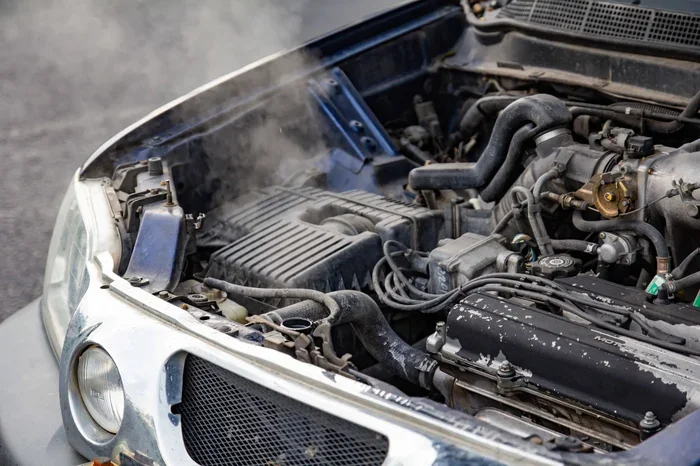
Step 3: Sniff Around the Engine Bay. Open the bonnet and have a careful sniff near the fuel lines, injectors, and fuel rail. Use caution and do not touch hot components. A localised smell points to a specific part that needs attention.
Step 4: Check the Cabin Air Filter. A clogged or contaminated cabin filter can hold fuel odours and spread them through the vents. This is an easy and cheap fix that many people overlook.
Step 5: Get a Diagnostic Scan. If the smell persists, take the car to a garage. A diagnostic tool can read error codes from the EVAP system and other sensors. This gives the mechanic a clear starting point for repairs.
Is Smelling Petrol in Your Car Dangerous?
The short answer is yes, it can be. Petrol fumes are not just unpleasant. They are harmful to your health and a potential fire hazard. Here is why you should take this seriously.
Breathing in petrol vapours over time can cause headaches, dizziness, nausea, and respiratory irritation. In enclosed spaces like your car, the concentration of fumes can build up quickly. Long-term exposure has been linked to more serious health issues, including damage to the nervous system.
From a safety standpoint, petrol is highly flammable. A small spark near a fuel leak can cause a fire. This is why you should never ignore a petrol smell inside car. Even if the source seems minor, it is always better to be safe than sorry.
Common Mistakes People Make:
- Ignoring the smell and hoping it goes away
- Over-tightening the fuel cap, which can damage the seal
- Using the wrong type of fuel cap replacement
- Delaying repairs because the car still drives fine
- Trying to fix fuel line issues without professional help
How to Prevent Petrol Smells in Your Car
Prevention is always easier than repair. Here are some simple habits that keep fuel odours away and your car running safely.
- Always tighten the fuel cap after refuelling. Listen for the click and give it a gentle tug to confirm it is secure.
- Inspect the fuel cap seal regularly. Look for cracks, hardening, or wear. Replace the cap at the first sign of damage.
- Do not overfill the tank. Topping off can cause fuel to spill into the EVAP system and damage components.
- Keep your car well-maintained. Regular servicing catches small issues before they become big problems. Ask your mechanic to check fuel lines and the EVAP system during routine visits.
- Park in the shade when possible. Extreme heat can worsen vapour issues and degrade rubber fuel line components faster.
- Replace cabin and engine air filters on schedule. Clean filters help prevent odours from circulating through the car.
Quick Tip: If you notice a faint petrol smell after filling up at a busy station, it might be fumes from other cars. Open your vents and let fresh air circulate. The smell should clear within a few minutes.
When to See a Mechanic
Some causes of a petrol smell in car are easy to fix yourself. But others need professional attention. Here is a simple guide to help you decide.
Fix it yourself if:
- The fuel cap is loose or visibly damaged
- You spilled a small amount of fuel during refuelling
- The smell goes away after tightening the cap
See a mechanic if:
- The smell persists after checking the fuel cap
- You see fuel puddles under the car
- The check engine light is on
- The smell is strong inside the cabin while driving
- You notice a drop in fuel economy or engine performance
- You suspect a fuel line leak or injector problem
Do not wait too long to get help. A small problem like a loose cap costs almost nothing to fix. But a fuel leak left unattended can lead to engine damage, health issues, or even a fire. Trust your nose. If something smells wrong, get it checked.
How Much Does It Cost to Fix a Petrol Smell?
The cost varies widely depending on the cause. A new fuel cap might set you back just £10 to £25. Replacing a charcoal canister could cost £100 to £300 including labour. A fuel line repair or injector replacement might run anywhere from £150 to £500 or more, depending on your car model and the extent of the damage.
An EVAP system diagnosis typically costs £50 to £100 for the scan alone. Repairs on the EVAP system vary but are generally affordable. The key takeaway is that fixing the problem early always costs less than ignoring it.
| Issue | Estimated Cost | Urgency |
|---|---|---|
| Loose or Damaged Fuel Cap | £10 – £25 | Low – fix immediately |
| Petrol Spill During Refuelling | Free (DIY) | Low – air out cabin |
| Cracked Fuel Line | £150 – £500 | High – do not drive |
| Faulty Charcoal Canister | £100 – £300 | Medium – schedule repair |
| Leaking Fuel Injector | £150 – £500 | Medium – see mechanic soon |
| EVAP System Failure | £100 – £400 | Medium – diagnostic scan needed |
| Fuel Pressure Regulator | £150 – £400 | Medium – see mechanic |
The table above gives you a rough idea of what to expect. Actual costs depend on your car make, model, year, and local labour rates. Always ask for a detailed quote before approving any repair work.
Key Takeaways
- A loose fuel cap is the most common reason you smell petrol in your car. Always check it first.
- Fuel leaks are dangerous and should never be ignored. They pose a real fire risk.
- The EVAP system and charcoal canister play a big role in preventing fuel odours. When they fail, the smell gets into your cabin.
- Fuel injector seals and O-rings wear out over time and can cause a persistent petrol smell.
- Simple prevention habits like tightening the cap and not overfilling the tank go a long way.
- See a mechanic promptly if the smell does not go away or you see fuel under the car.
Conclusion
So, why can you smell petrol in your car? The answer could be as simple as a loose fuel cap or as serious as a fuel leak or a failing EVAP system. Whatever the cause, the most important thing is to take action. Do not ignore the smell. It is your car telling you something needs attention.
Start with the basics. Check the cap, look for leaks, and get a diagnostic scan if the smell lingers. If you are unsure, visit a trusted mechanic. A quick inspection can save you from bigger problems and keep you and your passengers safe on the road.
Your nose is a great diagnostic tool. Trust it. And the next time you catch that petrol odour inside your car, you will know exactly what to do.
Frequently Asked Questions
Can a loose fuel cap cause a petrol smell in the car?
Yes, a loose or damaged fuel cap is the most common reason you will smell petrol inside your car. The cap seals the fuel tank and prevents vapours from escaping. When it is not tight or the seal is worn, fuel odours leak into the cabin. This is an easy fix that costs very little.
Is it safe to drive if I smell petrol in my car?
It depends on the cause. If it is just a loose cap, you are probably fine to drive. But if you suspect a fuel leak, it is not safe. Petrol is highly flammable, and a leak near hot engine parts can cause a fire. When in doubt, get the car checked before driving long distances.
How do I know if I have a fuel leak?
Look for puddles of fuel under your car after parking. You may also notice the fuel gauge dropping faster than usual. A strong, persistent petrol smell that gets worse while driving is another clear sign. If you see any of these, stop driving and have the car towed to a mechanic.
What is the EVAP system and why does it cause petrol smells?
The EVAP system, or evaporative emission control system, captures fuel vapours from the tank and routes them back to the engine. When parts like the charcoal canister or purge valve fail, those vapours escape into the car instead of being burned. This causes a noticeable petrol smell, especially when idling or parked.
How much does it cost to fix a petrol smell in a car?
Costs range from just £10 for a new fuel cap to £500 or more for more complex repairs like a fuel line or injector replacement. An EVAP system fix typically falls in the £100 to £400 range. The best way to know the exact cost is to get a diagnostic check and a quote from a trusted mechanic.
Can a petrol smell in the car affect my health?
Yes, breathing in petrol fumes over time can cause headaches, dizziness, nausea, and breathing difficulties. In a confined space like a car cabin, the concentration of harmful vapours can build up quickly. If the smell is strong and persistent, roll down the windows and get the car inspected as soon as possible.