What Is the All-Wheel Drive System Problem – Explained
An all-wheel drive system problem can cause serious handling issues, reduced traction, and expensive repairs if ignored. Common AWD problems include transfer case failure, differential wear, and sensor malfunctions. Understanding the drivetrain warning signs early helps you avoid breakdowns and keep your vehicle running safely.
Every driver trusts their vehicle to keep them safe on the road. But when the drivetrain starts acting up, that trust can vanish fast. An all-wheel drive system problem is one of those issues that can sneak up on you. You might notice a weird noise, a warning light, or a sudden loss of grip. Whatever the sign, it is important to understand what is going on under your car.
The all-wheel drive system sends power to all four wheels at the same time. This setup gives you better traction, smoother handling, and more control in tough conditions. But like any complex machine, it has parts that wear out, break, or fail over time. When something goes wrong, it affects the way your car drives, handles, and feels.
In this article, we will break down the most common AWD system issues in simple terms. You will learn how the system works, what warning signs to watch for, what causes these problems, and how to fix them. Whether you drive a sedan, SUV, or truck, this guide will help you stay ahead of drivetrain trouble before it becomes a big expense.
Key Takeaways
- Transfer case failure is one of the most common all-wheel drive system problems and can lead to complete drivetrain loss.
- Differential wear in the front and rear axles causes grinding noises and poor torque distribution on wet or rough roads.
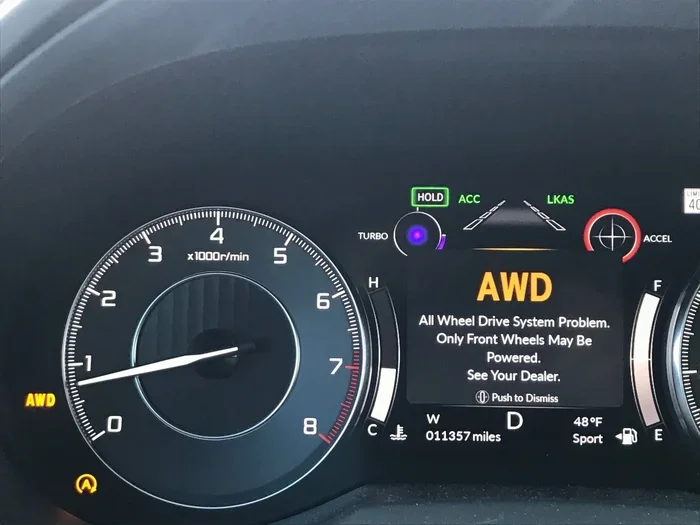
- AWD warning lights on your dashboard should never be ignored, as they signal underlying drivetrain issues.
- Regular AWD maintenance like fluid changes and inspections can prevent most common problems before they start.
- Sensor and electrical faults are often overlooked but can trigger AWD system errors and affect stability control.
- AWD repair costs vary widely depending on the issue, but early diagnosis saves hundreds of dollars.
- Proper tire matching and alignment play a big role in keeping your all-wheel drive system working correctly.
📑 Table of Contents
Understanding How the All-Wheel Drive System Works
Before we dive into the problems, it helps to understand how the system works. Think of your car’s drivetrain as a team of parts working together. Each part has a job, and when one fails, the whole team suffers. The all-wheel drive system is designed to split engine power between the front and rear wheels. This gives you better grip on wet roads, icy conditions, and rough terrain.
The Role of the Transfer Case
The transfer case is the brain of your AWD system. It takes power from the transmission and sends it to both the front and rear axles. It also controls how much torque goes to each end. If the transfer case fails, your car might lose power to two wheels instead of all four. This is one of the most serious AWD drivetrain problems you can face.
A bad transfer case can cause grinding noises, difficulty shifting, or a complete loss of AWD function. In some vehicles, the transfer case uses electronic actuators to manage power distribution. When those fail, the system cannot adjust to changing road conditions.
Front and Rear Differentials Explained
Your car has a front differential and a rear differential. These parts allow the wheels on each axle to spin at different speeds. This is especially important when you turn a corner. The outer wheel needs to spin faster than the inner wheel. Without working differentials, your tires would scrub and wear out fast.
When a differential issue develops, you might hear a humming or growling noise. You may also feel vibration at certain speeds. Differential problems often come from worn gears, low fluid, or lack of maintenance. Over time, metal shavings from worn gears can contaminate the AWD fluid and damage other parts of the system.
Common All-Wheel Drive System Problems
Now that you know how the system works, let us look at the most common all-wheel drive system problems. These issues show up in different ways, but they all share one thing in common. They get worse if you ignore them.
Transfer Case Failures
The transfer case is one of the hardest-working parts of your AWD system. It deals with constant stress from power distribution. Over time, the gears inside can wear down. The seals can leak. The electronic shift motor can fail. All of these lead to a transfer case problem that affects your entire drivetrain.
Common symptoms of transfer case failure include:
- A grinding or whining noise from under the car
- Difficulty switching between two-wheel drive and four-wheel drive
- Vibration at highway speeds
- The AWD light staying on on the dashboard
- Fluid leaks underneath the vehicle
If you notice any of these signs, get your car checked right away. Driving with a failing transfer case can cause expensive drivetrain repairs down the road.
Differential Wear and Damage
Differential wear happens when the gears inside the front or rear axle get old or damaged. This is especially common in vehicles that tow heavy loads or drive off-road frequently. The gears need clean, fresh fluid to work properly. When the fluid breaks down, the metal parts grind against each other.
You might notice a clicking noise when turning if your differential is worn. Some drivers feel a shudder when accelerating. Others notice uneven tire wear on the front or rear axle. These are all signs that the differential needs attention.
Electrical and Sensor Issues
Modern AWD systems rely heavily on electronics. Wheel speed sensors tell the computer how fast each wheel is spinning. The yaw sensor detects when the car is sliding or losing traction. When these sensors fail, the AWD system cannot respond properly.
Electrical problems can be tricky to diagnose because the symptoms often mimic mechanical issues. Your car might feel unstable on wet roads. The AWD warning light might flash on and off. Sometimes a simple sensor replacement fixes the problem. Other times, wiring harnesses or control modules need repair. AWD system diagnosis by a qualified mechanic is the best way to pinpoint electrical faults.
Warning Signs That Your AWD System Needs Attention
Your car usually tells you when something is wrong. The key is knowing what to look for. Catching AWD failure symptoms early can save you from a roadside breakdown and a big repair bill.
Here are the most common warning signs to watch for:
- AWD Warning Light on the Dashboard This is the most obvious sign. If the AWD or check engine light comes on, do not ignore it. The light means the computer has detected a problem in the drivetrain system.
- Unusual Noises from Under the Car Grinding, whining, or clicking sounds often point to differential or transfer case wear. Any new noise deserves your attention.
- Vibration or Shuddering While Driving If your car shakes at certain speeds, it could be a worn CV joint, damaged differential, or failing transfer case.
- Loss of Traction on Slippery Roads A working AWD system should give you better grip on wet or icy surfaces. If you feel the car slipping more than usual, the system may not be distributing power correctly.
- Fluid Leaks Under the Vehicle Puddles of reddish or brownish fluid under your car can mean a leaking transfer case seal or differential gasket.
- Uneven Tire Wear If your front tires wear faster than your rear tires (or vice versa), the AWD system may not be sharing power evenly.
Do not wait until the problem gets worse. Even a small drivetrain issue can snowball into a major repair if you keep driving on it.
What Causes These All-Wheel Drive Problems
Understanding the root causes of all-wheel drive system problems helps you take preventive steps. Most AWD issues come down to a few common culprits.
Lack of Regular Maintenance
This is the number one cause of AWD problems. Many drivers forget that their all-wheel drive system needs regular care. The AWD fluid breaks down over time and loses its ability to lubricate the gears and bearings. Old fluid leads to increased friction, heat, and wear. Most manufacturers recommend changing the AWD fluid every 30,000 to 60,000 miles. Check your owner manual for the exact interval.
Worn or Mismatched Tires
Your tires are the only part of your car that touches the road. When the tires are worn unevenly or mismatched, the AWD system has to work harder. Different tire sizes or tread depths cause the wheels to spin at different speeds. This puts extra stress on the center differential and transfer case. Over time, this stress leads to premature wear and failure.
Driving in Harsh Conditions
If you regularly drive on rough roads, tow heavy loads, or navigate through deep snow and mud, your AWD system takes a beating. These conditions push the drivetrain components to their limits. The transfer case, differentials, and joints wear out faster than they would under normal driving conditions.
Age and Mileage
Like every part of your car, the AWD system wears out with age. High-mileage vehicles are more prone to drivetrain wear. Gears get thinner, seals dry out, and bearings develop play. If your car has over 100,000 miles, it is a good idea to have the AWD system inspected regularly.
Previous Damage or Collisions
Sometimes an AWD problem starts with damage you cannot see. A minor accident, a deep pothole, or hitting a curb can bend axles, shift the transfer case, or damage sensors. Even if the car seems fine after the incident, hidden damage can cause problems weeks or months later.
How to Fix and Prevent AWD System Issues
The good news is that most all-wheel drive system problems can be prevented or fixed with the right approach. Here is how to handle both.
Step-by-Step Fixes for Common AWD Problems
- Check the AWD Fluid First Start by checking the fluid level and condition. If the fluid is dark, gritty, or smells burnt, it is time for a change. Fresh fluid can often solve minor drivetrain issues like noise or vibration.
- Inspect the Transfer Case Look for leaks around the transfer case seals. Check the shift linkage or electronic actuator for damage. A leaking transfer case needs new seals or a full rebuild depending on the severity.
- Examine the Differentials Have the mechanic check the front and rear differentials for worn gears and bearings. Listen for abnormal sounds during a test drive. If the differentials are damaged, they may need new fluid, seals, or gear sets.
- Scan for Error Codes Use an OBD-II scanner to check for error codes related to the AWD system. Codes related to wheel speed sensors, yaw rate sensors, or the transfer case motor can point you in the right direction.
- Replace Worn Components If a sensor, actuator, or mechanical part is faulty, replace it promptly. Delaying replacement can cause cascading damage to other drivetrain components.
Preventive Measures to Avoid Future Problems
- Change the AWD fluid at the manufacturer-recommended intervals
- Keep all four tires matched in size, brand, and tread depth
- Rotate your tires regularly to promote even wear
- Avoid aggressive driving that puts extra stress on the drivetrain
- Get a drivetrain inspection at every oil change or service visit
- Address warning lights and unusual noises immediately
- Keep the undercarriage clean, especially after driving on salted or muddy roads
AWD repair cost varies depending on the issue. A fluid change might cost you under $150. A new transfer case could run anywhere from $800 to $2,500 including labor. Differential repairs typically fall between $300 and $1,200. The key takeaway is that early detection keeps costs low.
AWD Maintenance Tips for Long-Lasting Performance
Keeping your all-wheel drive system in good shape does not have to be complicated. A few simple habits go a long way toward preventing drivetrain problems.
Tip 1: Follow the Maintenance Schedule Your owner manual has a service schedule for a reason. Stick to it. Regular fluid changes, inspections, and part replacements keep the AWD system running smoothly.
Tip 2: Monitor Fluid Levels Check the AWD fluid level every few months. Low fluid means a leak somewhere, and leaks only get worse over time. Catching a small leak early can save you from a full system rebuild.
Tip 3: Pay Attention to Tire Condition Tires are the foundation of your AWD system. Worn or mismatched tires cause the drivetrain to work overtime. Replace tires in sets of two or four to maintain balanced traction.
Tip 4: Drive with Awareness Avoid harsh acceleration, sudden braking, and aggressive cornering when possible. These habits put extra stress on the gears, joints, and sensors in your AWD system.
Tip 5: Find a Trusted Mechanic Not every mechanic specializes in AWD systems. Look for a shop or technician with experience in drivetrain diagnostics. A good mechanic can spot problems before they become serious.
Quick Tip: If you live in a cold climate, switch to winter tires during the snow months. Winter tires reduce the strain on your AWD system and improve safety on icy roads. This one change can extend the life of your drivetrain significantly.
Taking care of your all-wheel drive system is one of the best investments you can make in your vehicle. A well-maintained AWD system gives you confidence in any weather and on any road. It also keeps your car resale value higher. When you take care of the drivetrain, the drivetrain takes care of you.
Remember, an all-wheel drive system problem does not have to be scary. With the right knowledge, regular maintenance, and prompt attention to warning signs, you can keep your AWD system running strong for years to come. Do not wait until something breaks. Start paying attention to your car today, and you will thank yourself tomorrow.
Frequently Asked Questions
What causes an all-wheel drive system problem?
Most all-wheel drive system problems come from lack of maintenance, worn fluid, mismatched tires, or age-related wear. Transfer case failures, differential damage, and sensor malfunctions are also common causes. Driving in harsh conditions or towing heavy loads can speed up wear on the drivetrain components.
How do I know if my AWD system is failing?
Watch for warning signs like the AWD light on your dashboard, unusual grinding or whining noises, vibration while driving, loss of traction on slippery roads, and fluid leaks under the car. These are clear indicators that your drivetrain system needs professional inspection as soon as possible.
How much does it cost to repair an all-wheel drive system?
The AWD repair cost depends on the specific issue. A simple fluid change costs around $100 to $200. Transfer case repairs can range from $500 to $2,500. Differential repairs typically cost between $300 and $1,200. Electrical sensor replacements are usually more affordable, often under $300. Early diagnosis helps keep costs down.
Can I drive with a broken AWD system?
You can drive short distances with a broken AWD system, but it is not recommended. Without full AWD function, your car handles poorly on wet or icy roads. Driving on a failed system can also cause additional damage to the transmission, differentials, and other drivetrain parts. Get it repaired as soon as you can.
How often should I change the AWD fluid?
Most manufacturers recommend changing the AWD fluid every 30,000 to 60,000 miles. However, if you drive in harsh conditions like extreme heat, cold, or off-road terrain, you may need to change it more often. Check your owner manual for the specific interval for your vehicle model.
Is an AWD problem the same as a four-wheel drive problem?
Not exactly. An AWD vs four-wheel drive system works differently. AWD systems are always active and use a center differential to allow wheels to spin at different speeds. Four-wheel drive systems are usually part-time and lock the front and rear axles together. The problems each system faces can differ, but both require regular maintenance to stay reliable.
=== CONCLUSION ===
An all-wheel drive system problem can range from a minor fluid issue to a major mechanical failure. The key is to stay informed, watch for warning signs, and take action early. Regular AWD maintenance like fluid changes, tire rotations, and drivetrain inspections goes a long way in preventing costly repairs.
Your AWD system works hard every time you drive. It keeps you safe, stable, and in control. Give it the care it deserves, and it will reward you with years of reliable performance. Do not wait for a breakdown to pay attention. Start today, and keep your all-wheel drive system running at its best.