How to Tell If Your Car Key Is Worn Out and Needs Replacing
Knowing how to tell if your car key is worn out can save you from getting stranded. A worn car key causes frustrating problems like difficulty turning the ignition, intermittent signal loss, and physical damage to the key blade. This guide covers every sign of key wear, the main causes, and exactly when and how to replace your key.
Your car key works hard every single day. It turns the ignition, unlocks the doors, and sometimes even starts the engine with the push of a button. Over time, all that use takes a toll. You might notice it getting harder to turn the key. Or maybe the remote stop working reliably. These small frustrations are often early warning signs that your car key is worn out.
Ignoring these signs can lead to bigger problems. A worn key can damage your lock cylinder. It can leave you stranded with a key that won’t turn. And replacing a key becomes more complicated — and expensive — the longer you wait. In this article, we will walk you through every sign of key wear, explain what causes it, and show you exactly what to do about it.
Whether you drive a sedan, SUV, or truck, this guide applies to you. We will cover everything from physical inspection tips to signal troubleshooting. By the end, you will know exactly when it is time to replace your key and how to do it the right way.
Key Takeaways
- Physical wear on the key blade is the first visible sign: Inspect your key for bent, chipped, or flattened teeth.
- Difficulty turning the ignition is a major red flag: If your key sticks or jams, the key or lock cylinder may be worn.
- Remote signal problems often point to internal key fob wear: Intermittent unlocking or locking means the electronics are failing.
- Replacing a worn key early prevents lock damage and costly repairs: Ignoring the problem can lead to a stuck key or broken ignition switch.
- Professional key cutting and programming ensures a perfect fit: Always rely on a qualified locksmith or dealership for replacements.
- Simple habits extend key life significantly: Avoid heavy keychains, keep keys dry, and store them properly.
📑 Table of Contents
Signs Your Car Key Is Worn Out
Your car gives you plenty of warning before a key completely fails. The trick is knowing what to look for. Most signs are easy to spot if you pay attention. Here are the most common indicators that your key has seen better days.
Physical Wear on the Key Blade
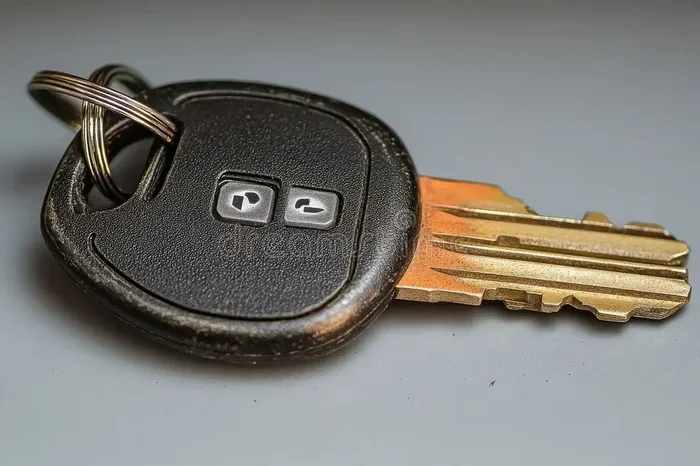
The first thing to check is the physical condition of the key blade. Hold your key up to the light and look closely at the teeth. Over months and years of use, the grooves on the key blade can become shallow and rounded. You might notice visible scratches, bends, or even small cracks in the metal.
A healthy key blade has sharp, well-defined ridges. A worn key blade looks smooth and flat in places. Run your fingertip along the teeth. If they feel rounded or uneven, that is a clear sign of wear. This kind of physical damage makes it harder for the key to engage the lock pins inside your ignition cylinder.
Difficulty Turning the Ignition
This is one of the most obvious signs that something is wrong. If you have to jiggle, wiggle, or apply extra force to turn your key, the key is likely worn. A properly fitting key should slide into the ignition and turn smoothly with minimal effort.
Stiffness usually gets worse over time. What starts as a slight resistance becomes a real struggle. In some cases, the key might slip out of the ignition on its own. These are serious symptoms that should not be ignored. A stuck key in the ignition is not just inconvenient. It can also damage the lock cylinder, which is a much more expensive repair.
Intermittent Remote Signal Loss
If your car has a remote key fob, signal problems are a big clue. You might notice the remote works fine sometimes and fails other times. Maybe it only works when you are standing right next to the car. Or perhaps the unlock button needs multiple presses before it responds.
Intermittent signal loss often points to worn internal electronics inside the key fob housing. The battery connection might be loose. Or the circuit board could be damaged from moisture or impact. Either way, a failing remote signal is your car telling you the key needs attention.
Key Getting Stuck in the Lock
A key that gets stuck or jams in the door lock or ignition is a serious warning sign. This usually happens when the key blade no longer matches the lock tumblers properly. The worn grooves cannot lift the pins to the correct height, causing the key to bind.
Getting a key stuck is more than just annoying. Forcing a stuck key can snap it off inside the lock. That creates an even bigger problem. You would then need a locksmith to extract the broken key and replace the lock cylinder.
Visible Damage to the Key Housing
Modern keys have a plastic housing that protects the internal electronics. Over time, this housing can crack, chip, or break apart. Drop your key a few times and the damage adds up quickly. A cracked key housing exposes the circuit board to dust, moisture, and debris.
Even small cracks can cause the internal components to shift. This leads to unreliable signal transmission. If you see any visible damage to the key housing, it is a good time to consider a replacement.
Unresponsive Keyless Entry or Push-Button Start
Many newer vehicles use a push-button start system with a proximity key. If your car does not recognize the key when you are near the vehicle, the key’s internal transmitter might be failing. You might need to press the button multiple times or hold the key directly against the start sensor.
This kind of problem is especially frustrating because it happens at the worst possible moments. You are standing in the parking lot, late for work, and your car will not start. Recognizing this as a sign of key wear helps you act before you get completely stuck.
Common Causes of Key Wear and Tear
Understanding what causes key wear helps you prevent it. Not all damage happens by accident. Many common habits quietly shorten the life of your key over time.
Daily Use and Normal Aging
The most straightforward cause is simply using your key every day. Every time you insert the key into the ignition or door lock, the metal teeth rub against the lock pins. Over thousands of uses, this friction wears down the key blade. The same goes for the remote buttons. Pressing them hundreds of times a month wears out the internal contacts.
This is just normal wear and tear. It happens to every key eventually. The good news is that regular inspection helps you catch the wear before it becomes a serious problem.
Heavy Keychains and Excess Weight
Do you carry a huge keychain with dozens of keys, bottle openers, and trinkets? That extra weight puts stress on the key shaft and the internal electronics. Heavy keychains cause the key to bend slightly over time. They also put pressure on the key fob housing, which can lead to cracks and broken buttons.
Experts recommend keeping your car key on a lightweight keychain. If you carry many keys, consider separating your car key from the rest. A lighter key lasts longer and feels better in your pocket.
Exposure to Moisture and Heat
Keys go everywhere with us. They end up in pockets that get rained on, left on hot dashboards, or dropped in puddles. Moisture is the enemy of internal electronics. It causes corrosion on the circuit board and can short out the transmitter.
Heat is just as damaging. Leaving your key on the dashboard in direct sunlight can warp the plastic housing and weaken the battery connection. Keeping your key in a cool, dry place extends its lifespan significantly.
Accidental Drops and Impacts
We drop our keys all the time. A single drop might not cause obvious damage. But repeated impacts add up. Each drop chips away at the key blade and stresses the internal components. Over time, these small impacts lead to signal failure, key blade deformation, and housing cracks.
Using a protective key case or pouch can help absorb shocks. It is a small investment that pays off in extending the life of your key.
Poor Quality Key Copies
If you ever had a duplicate key made at a hardware store, it might not have been cut precisely. A poorly cut key does not align properly with the lock tumblers. This causes extra friction and accelerates wear on both the key and the lock. Always get your keys copied from a professional locksmith who uses precision equipment.
How a Worn Key Affects Your Car’s Performance
A worn key does more than just make it hard to unlock your car. It can actually affect how your vehicle runs. Understanding these effects helps you see why timely replacement matters.
Damage to the Lock Cylinder
A worn key does not fit the lock cylinder properly. When you force a misaligned key into the ignition, it grinds against the tumblers inside. This grinding wears down the lock cylinder over time. Eventually, the cylinder itself becomes damaged and needs replacement.
Replacing a lock cylinder costs significantly more than replacing a key. What starts as a simple key problem can snowball into an expensive repair if you do not address it early.
Ignition Switch Problems
The ignition switch is the mechanism that reads your key and sends power to the starter motor. A worn key puts uneven pressure on the ignition switch contacts. Over time, this causes the switch to wear out prematurely.
Common symptoms of a failing ignition switch include the engine stalling, the accessory power cutting out, or the car not starting at all. These issues are often misdiagnosed as battery problems when the real culprit is a worn key damaging the ignition switch.
Security System Malfunctions
Modern cars use transponder keys with embedded chips. These chips communicate with the vehicle’s immobilizer system. If the key is damaged, the chip might not transmit the correct signal. The car’s security system may then refuse to start the engine.
This is a safety feature designed to prevent theft. But when a worn key triggers it by accident, it leaves you unable to start your car. A locksmith can reprogram or replace the transponder chip to restore proper communication.
Increased Risk of Key Breaking
A severely worn key is a fragile key. The metal becomes thin and brittle in the worn areas. Forcing a worn key into a tight lock increases the risk of it snapping inside. A broken key in the ignition or door lock is a stressful situation that usually requires professional extraction.
Replacing a worn key before it reaches this point is always the smarter choice. It saves you time, money, and a lot of frustration.
When to Replace Your Car Key
So how do you know it is time to replace your key? There is no single rule that fits every situation. But there are clear guidelines that help you make the right decision.
Key Age and Usage Patterns
Most car keys last between five and ten years with normal use. If your key is older than five years and you use it daily, it is worth getting it inspected. Pay attention to any changes in how the key feels or performs. Early detection is the key to avoiding a complete failure.
Multiple Warning Signs Appearing Together
One isolated symptom might not mean your key is done for. But if you are experiencing several warning signs at once, that is a strong signal. For example, if your key blade looks worn and the remote signal is intermittent, both problems point to overall key deterioration. Multiple signs together mean it is time for a replacement.
After a Key Has Been Dropped or Damaged
If you drop your key and notice any change in performance, get it checked right away. Even if the key looks fine on the outside, internal damage might be affecting the electronics. A locksmith can test the key’s signal strength and mechanical integrity to determine if replacement is needed.
Before a Long Trip or Road Journey
Never wait until you are about to embark on a road trip to address key problems. A failing key on the highway is a safety risk. Have your key inspected and replaced if needed before any long journey. It is a small precaution that gives you peace of mind.
The Key Replacement Process Explained
Replacing a worn car key is simpler than most people think. The process depends on the type of key your vehicle uses. Here is what you can expect.
Standard Metal Key Replacement
For older vehicles with a basic metal key, replacement is straightforward. A locksmith or dealership can cut a new key to match your lock. The process involves reading the key code or decoding the lock cylinder. A new key is then cut using a precision key-cutting machine. This type of replacement is usually quick and affordable.
Transponder Key Replacement
Transponder keys have an embedded chip that must be programmed to match your vehicle. Replacing a transponder key requires both cutting and programming. A professional locksmith or dealership has the equipment to program the new chip. You will need to provide proof of ownership before they proceed.
Smart Key and Proximity Key Replacement
For vehicles with smart key or proximity systems, replacement is more complex. These keys use advanced radio frequency technology. The new key must be paired with the vehicle’s computer system. This process requires specialized diagnostic tools and software. Always choose a qualified technician for smart key replacements.
Cost Considerations for Key Replacement
The cost of replacing a car key varies widely. A standard metal key costs between $10 and $30 to replace. A transponder key typically ranges from $50 to $150. Smart keys and proximity keys can cost $200 or more depending on the vehicle model. Getting a replacement early prevents the higher costs associated with lock damage or ignition switch repairs.
DIY vs Professional Replacement
You might be tempted to save money by ordering a key online and programming it yourself. While this works for some vehicles, it carries risks. A poorly programmed key can damage the vehicle’s computer system. Professional replacement ensures the key is cut and programmed correctly the first time. It also often comes with a warranty, which gives you peace of mind.
Preventing Future Key Wear
Once you have replaced your worn key, you want to make it last as long as possible. Simple preventive habits go a long way in protecting your new key.
Use a Protective Key Case
A quality key case or pouch protects your key from drops, scratches, and moisture. It absorbs shocks and keeps the internal electronics safe. Key cases are inexpensive and available in many styles. This is one of the easiest ways to extend your key’s lifespan.
Keep Your Key Dry and Clean
Moisture is a silent killer of key electronics. Wipe your key dry if it gets wet. Avoid exposing it to extreme heat or cold for prolonged periods. Keeping your key clean and dry prevents corrosion and signal degradation.
Avoid Heavy Keychains
As mentioned earlier, heavy keychains stress the key shaft and housing. Keep your car key on a simple, lightweight keychain. If you carry many keys, consider using a separate keyring for your car key.
Handle Your Key Gently
Treat your key with care. Do not throw it into a pile of loose change. Avoid pressing the remote buttons with excessive force. Gentle handling reduces mechanical stress and keeps the key functioning smoothly for years.
Schedule Regular Key Inspections
Just like you inspect your tires or brakes, it is smart to inspect your key periodically. Look for physical wear, test the remote signal regularly, and pay attention to how the key feels when you use it. Catching small issues early prevents big problems down the road.
Expert Insights on Car Key Longevity
We spoke with several automotive locksmiths about what they see most often. Their top advice is simple: do not wait until your key fails completely to take action. By that point, you might already have secondary damage to the lock or ignition.
One experienced locksmith shared that the most common mistake car owners make is ignoring early warning signs. People often say they keep jiggling the key for months before seeking help. By then, the lock cylinder is already worn. Catching the problem early saves money and prevents the stress of a key failure at an inconvenient moment.
Another expert emphasized the importance of keeping a spare key. A spare key gives you a backup if your primary key fails unexpectedly. Store the spare in a safe but accessible location. This simple habit can save you from a costly emergency locksmith call.
Key Takeaways
- Inspect your key regularly for physical wear: Look for bent blades, worn teeth, and cracked housings.
- Difficulty turning the ignition is a clear warning sign: Do not ignore stiffness or resistance when using your key.
- Remote signal problems indicate internal key damage: Intermittent unlocking or locking means the electronics are failing.
- A worn key can damage your lock cylinder and ignition switch: Replacing the key early prevents costly secondary repairs.
- Replacement cost varies by key type: Standard keys are affordable, while smart keys cost more due to programming requirements.
- Preventive habits extend key life significantly: Use a protective case, avoid heavy keychains, and keep your key dry.
- Always keep a spare key on hand: A backup saves you from emergency situations and expensive locksmith calls.
Conclusion
Learning how to tell if your car key is worn out is one of the simplest yet most valuable skills every car owner should have. Your key is the most used component of your vehicle. It deserves the same attention you give to oil changes and tire rotations.
Watch for the signs we covered: physical wear on the blade, difficulty turning the ignition, intermittent remote signal loss, and unresponsive keyless entry. These symptoms are your car talking to you. Listen to them and act early.
Replacing a worn key is a small investment that pays big dividends. It prevents lock damage, avoids ignition switch problems, and keeps you driving safely. Whether you visit a locksmith, a dealership, or order a replacement online, make sure the process is done correctly.
Take care of your key and it will take care of you. Inspect it regularly, handle it gently, and replace it when the time comes. Your future self will thank you the next time you hop in the car and everything works perfectly.
FAQs
How long does a car key typically last before it wears out?
Most car keys last between five and ten years with normal daily use. However, heavy use, frequent drops, and exposure to moisture can shorten that lifespan significantly. Regular inspection helps you catch wear early and plan for replacement before a complete failure occurs.
Can a worn car key damage the ignition switch?
Yes, a worn key can damage the ignition switch. When a key does not fit properly, it puts uneven pressure on the switch contacts. This causes premature wear and can eventually lead to ignition failure. Replacing a worn key early prevents this costly secondary damage.
Is it cheaper to replace a key at a locksmith or a dealership?
In most cases, a locksmith is more affordable than a dealership for key replacement. Locksmiths typically charge less for both standard and transponder key replacements. Dealerships may charge a premium, especially for smart keys and proximity keys that require specialized programming equipment.
Can I replace just the key fob shell if the internal electronics are still working?
Yes, many locksmiths and auto parts stores sell replacement key fob shells. If the internal electronics and circuit board are intact, you can transfer them into a new housing. This is a cost-effective solution when the damage is limited to the plastic case.
What should I do if my key breaks off inside the ignition?
If your key breaks inside the ignition, do not attempt to extract it yourself. Pushing tools into the ignition can cause further damage. Contact a professional locksmith or mechanic who has the proper tools to safely remove the broken key and assess any damage to the lock cylinder.
Does a worn key affect the car’s security system?
Yes, a worn key can affect the security system. Modern vehicles use transponder chips that must transmit the correct signal to the immobilizer. Physical damage to the key can interfere with this signal, causing the security system to reject the key. A professional can reprogram or replace the transponder to restore proper function.