How to Check If Your Vehicle Is Stolen for Free Online
Knowing how to check if your vehicle is stolen for free online can save you thousands of dollars and hours of stress. With just a few clicks, you can run a free vehicle history report using your car’s unique VIN number. This guide walks you through every free tool, every step, and every warning sign you need to watch for.
Key Takeaways
- Free VIN checks are available: You do not need to pay for expensive reports to find out if a vehicle is stolen.
- Multiple government and private tools exist: NMVTIS, NICB, and free VIN decoder sites offer reliable stolen vehicle lookup options.
- Red flags are easy to spot: Missing paperwork, suspiciously low prices, and mismatched VIN plates are major warning signs.
- Act fast if your car is stolen: File a police report immediately and contact your insurance company right away.
- Prevention is the best defense: Regularly checking your vehicle’s status keeps you ahead of fraud and theft.
- LSI keywords boost your research: Using terms like “stolen vehicle database,” “VIN decoder,” and “vehicle theft report” helps you find the right information faster.
📑 Table of Contents
- Why You Should Check If a Vehicle Is Stolen for Free Online
- Understanding Your Vehicle Identification Number
- Free Online Tools to Check If Your Vehicle Is Stolen
- Step-by-Step Guide to Running a Free Stolen Vehicle Check
- Red Flags That a Vehicle May Be Stolen
- What to Do If You Find Out Your Car Is Stolen
- Expert Insights on Vehicle Theft Prevention
- Common Mistakes People Make When Buying Used Cars
- Key Takeaways
- Conclusion
Why You Should Check If a Vehicle Is Stolen for Free Online
Buying a used car is exciting. But it can also be risky. Thousands of stolen vehicles end up on the market every year. Some are sold by scammers. Others change hands without the buyer knowing the truth.
That is exactly why you need to learn how to check if your vehicle is stolen for free. You do not need expensive software. You do not need to hire a private investigator. A few simple online tools give you the answers you need in minutes.
Running a free stolen vehicle lookup protects your wallet. It also protects your peace of mind. Imagine buying a car only to discover weeks later that it was reported stolen. You would lose the money. You might even face legal trouble. This is a situation no one wants to deal with.
The good news is that prevention is simple. A quick vehicle identification number check can reveal everything. Whether you are buying a car, selling one, or just want to confirm your own vehicle’s status, this guide has you covered.
Let us dive into the best free methods available. You will learn exactly where to look, what to watch for, and how to stay safe.
Understanding Your Vehicle Identification Number
What Is a VIN?
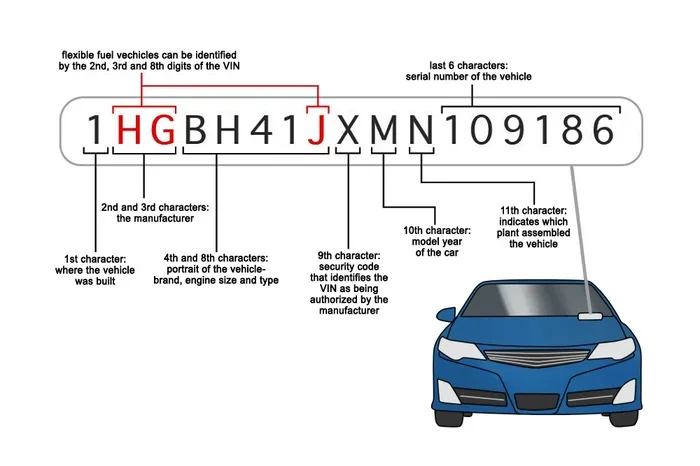
Every vehicle on the road has a unique code called a VIN. This stands for Vehicle Identification Number. Think of it as a car’s fingerprint. No two vehicles share the same VIN.
A VIN is a 17-character code made up of letters and numbers. It tells a story about the vehicle. The code reveals the manufacturer, model year, assembly plant, and serial number. When you run a VIN check, you tap into a wealth of information.
Where to Find Your VIN
You can find the VIN in several places on any vehicle. Here are the most common spots:
- Dashboard: Look through the windshield on the driver’s side. The VIN is printed on a small metal plate.
- Driver’s side door jamb: Open the door and look for a sticker on the frame.
- Vehicle title or registration: The VIN is printed on all official paperwork.
- Engine block: Some manufacturers stamp the VIN directly onto the engine.
- Insurance documents: Your insurance card or policy includes the VIN.
Once you have the VIN, you are ready to run a free VIN decoder and check for any theft records. Keep this number safe. You will use it often.
Free Online Tools to Check If Your Vehicle Is Stolen
National Motor Vehicle Title Information System (NMVTIS)
The NMVTIS is a government-run database. It is one of the most reliable sources for vehicle history reports. This system collects data from states, junkyards, and insurance companies.
You can access NMVTIS through approved providers online. Many of these providers offer a free or low-cost VIN check. The database shows if a vehicle has a salvage title, has been reported stolen, or has odometer discrepancies.
Here is what NMVTIS data can reveal:
- Whether the vehicle has a clean title or a salvage title
- Loss or theft history
- Odometer readings and any rollback warnings
- Junk or scrapped vehicle status
- Lien information
Using NMVTIS is one of the best ways to verify vehicle ownership before any transaction. Always start here when learning how to check if your vehicle is stolen for free online.
National Insurance Crime Bureau (NICB)
The NICB is another excellent free resource. This organization focuses on fighting insurance fraud and vehicle theft. Their website offers a free VINCheck tool that anyone can use.
Simply enter the VIN into their search bar. The system checks its database of stolen and recovered vehicles. You get results in seconds. The NICB database covers law enforcement reports from across the country.
Here are some tips for using the NICB tool effectively:
- Make sure you enter the VIN exactly as it appears. One wrong character will give you no results.
- Run the check on a desktop computer for the clearest results.
- Use the tool multiple times if you are considering different vehicles.
- Remember that the NICB database may not include very recent theft reports.
Free VIN Decoder Websites
Several websites offer free VIN decoding services. These tools pull data from multiple sources. They can show you accident history, ownership records, and theft status.
Some popular options include:
- VINCheck.info – A free service that checks against police databases
- AutoCheck – Offers a free basic vehicle history score
- Carfax – Provides a limited free preview of vehicle history
- AutoDNA – Aggregates data from multiple sources for free
While these tools are helpful, they may not be 100% complete. Use more than one source to get a full picture. A free vehicle history report from one site may not show everything.
State DMV and Law Enforcement Databases
Your local Department of Motor Vehicles can also help. Many state DMV websites offer online vehicle lookup tools. These tools let you verify registration status and lien information.
Some states also have stolen vehicle search portals on their law enforcement websites. These are especially useful for confirming a vehicle’s current status. If you are not sure where to start, call your local DMV office and ask for guidance.
Step-by-Step Guide to Running a Free Stolen Vehicle Check
Now that you know the tools, let us walk through the process. Following these steps ensures you do not miss anything.
Step 1: Gather the VIN
Find the VIN on the vehicle itself. Double-check it against the title and registration. If the numbers do not match, that is a red flag. A mismatched VIN is one of the biggest warning signs of fraud.
Step 2: Start with the NICB VINCheck
Go to the NICB website and enter the VIN. Wait for the results. A clean result means the vehicle does not appear in the stolen vehicle database. A match means you need to investigate further.
Step 3: Run an NMVTIS Report
Visit an NMVTIS-approved provider. Some offer free basic reports. Others charge a small fee for full details. Even a partial report gives you valuable information about the vehicle’s history.
Step 4: Decode the VIN
Use a free VIN decoder to learn more about the vehicle. This step confirms the make, model, year, and specifications. It also reveals any recall notices or safety issues.
Step 5: Cross-Reference with Other Sources
Do not rely on just one tool. Run the VIN through multiple databases. Compare the results. If any source raises a concern, dig deeper before proceeding with any purchase.
Step 6: Verify the Title and Registration
Ask the seller for the vehicle title. Check the VIN on the title against the VIN on the car. The title should match the seller’s identification. If the name on the title does not match the seller, proceed with caution.
Following these six steps gives you a thorough check. It takes about 20 minutes. That is a small price to pay for avoiding a stolen vehicle.
Red Flags That a Vehicle May Be Stolen
Not all stolen vehicles come with obvious warning labels. Scammers get creative. But there are signs that something is wrong. Learning to spot these red flags keeps you safe.
The Price Seems Too Good to Be True
If a deal looks amazing, it probably is. Stolen vehicles are often sold at deeply discounted prices. Scammers want to move the car quickly before anyone notices. If the price is significantly below market value, walk away.
Missing or Incomplete Paperwork
A legitimate seller always has paperwork ready. If the seller cannot produce a clear title, that is a problem. Missing registration documents, bill of sale, or service records are all warning signs.
VIN Plates That Look Different
Check the VIN plate on the dashboard. Compare it to the VIN on the title and the VIN on the door jamb. If any of these do not match, something is wrong. Thieves sometimes replace VIN plates to disguise stolen vehicles.
Recent Paint or Unusual Modifications
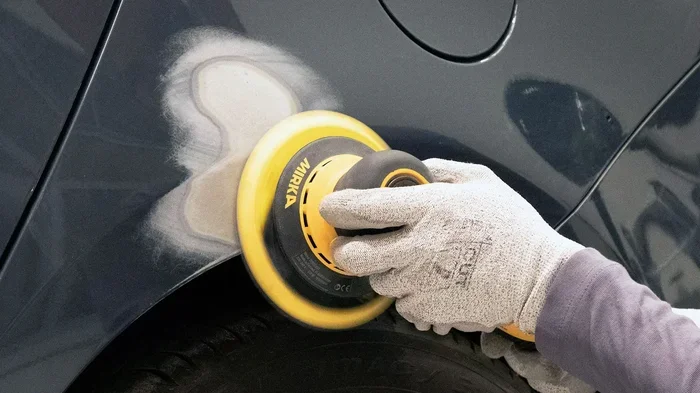
Fresh paint on an older vehicle can be suspicious. It may be an attempt to change the car’s appearance and hide its identity. Other modifications like tinted windows or altered trim can also be red flags.
The Seller Seems Rushed or Evasive
Legitimate sellers are patient. They answer questions and provide documentation. If the seller pressures you to buy quickly or avoids answering direct questions, trust your instincts.
No Test Drive or Inspection Offered
Always test drive a vehicle before buying. If the seller refuses or makes excuses, that is a major red flag. A test drive lets you inspect the vehicle closely and verify the VIN matches the car.
Keep these red flags in mind during every transaction. They can save you from becoming a victim of vehicle theft fraud.
What to Do If You Find Out Your Car Is Stolen
Discovering that your vehicle has been stolen is frightening. But staying calm and acting quickly makes a big difference. Here is exactly what you should do.
File a Police Report Immediately
Call your local police department right away. Provide them with your VIN, license plate number, and a description of the vehicle. The police will create an official vehicle theft report. This report is essential for insurance claims and recovery efforts.
Contact Your Insurance Company
Notify your insurance provider as soon as possible. Give them the police report number and all relevant details. Most insurance policies cover stolen vehicles. The sooner you file a claim, the better your chances of recovery.
Check Online Databases
Run a stolen vehicle lookup using your VIN. Sometimes vehicles are recovered and listed in databases before the owner knows. This step can give you hope and useful information.
Monitor Your Credit and Personal Information
Vehicle theft sometimes involves identity theft. Thieves may have accessed your personal documents in the car. Monitor your credit reports and change any passwords that were stored in the vehicle.
Spread the Word
Share information about your stolen vehicle on social media and community groups. More eyes looking for your car increases the chances of recovery. Include photos, the VIN, and the license plate number.
Taking these steps quickly gives you the best chance of getting your vehicle back. Do not wait or hope for the best. Act decisively from the very beginning.
Expert Insights on Vehicle Theft Prevention
We spoke with automotive security experts to gather their top tips. Their advice adds real value to your vehicle theft prevention strategy.
Install a GPS tracking device. Modern trackers are small and affordable. They send real-time location data to your phone. If your car is stolen, you can share the exact location with police immediately.
Use a steering wheel lock. Visible security devices deter thieves. A bright red lock on your steering wheel makes your car a harder target. Thieves prefer easy marks.
Park in well-lit areas. Darkness gives thieves cover. Parking under lights or in busy areas reduces your risk significantly. This simple habit costs nothing.
Never leave your keys in the ignition. It sounds obvious, but it happens every day. Even a moment of carelessness can cost you your vehicle.
Check your VIN against stolen databases regularly. Make it a habit to run a free VIN check every few months. This proactive approach catches problems early.
These expert tips complement the free online tools discussed earlier. Together, they form a strong defense against vehicle theft.
Common Mistakes People Make When Buying Used Cars
Avoiding mistakes saves you money and headaches. Here are the most common errors buyers make.
- Skipping the VIN check entirely. Some buyers trust the seller’s word without verification. This is the fastest way to buy a stolen vehicle.
- Relying on just one source. No single database is complete. Always cross-reference multiple tools for a thorough check.
- Ignoring red flags. If something feels off, trust your gut. Pressure from a seller should never override your caution.
- Paying before verifying. Never send money or make a deposit before completing your stolen vehicle check.
- Not inspecting the vehicle in person. Online deals can be tempting but risky. Always see the car and verify the VIN in person.
- Forgetting to check the title status. A salvage title, flood title, or rebuilt title tells a different story than a clean title.
By avoiding these mistakes, you protect yourself and make smarter buying decisions. Every step you take adds another layer of security.
Key Takeaways
- Free tools exist for a reason: You do not need to spend money to run a thorough stolen vehicle check. NMVTIS, NICB, and free VIN decoders give you everything you need.
- The VIN is your most powerful tool: This 17-character code unlocks the entire history of any vehicle. Always verify it matches across all documents and the physical car.
- Multiple databases give better results: No single source is complete. Use at least two or three tools to cross-reference your findings.
- Red flags are easy to ignore until they are not: Missing paperwork, mismatched VINs, and suspiciously low prices should always raise your guard.
- Acting quickly matters: If you discover your vehicle is stolen, file a police report immediately. Every hour counts in recovery efforts.
- Prevention is always better than cure: Regular VIN checks and smart buying habits keep you safe from vehicle theft fraud.
Conclusion
Learning how to check if your vehicle is stolen for free online is one of the smartest things you can do as a car owner or buyer. The tools are free. The process is simple. And the protection it gives you is invaluable.
Start with the VIN. Run it through the NICB database and an NMVTIS provider. Decode the VIN to confirm the vehicle’s details. Watch for red flags during every transaction. And if you ever discover your car has been stolen, act fast and follow the steps outlined above.
Staying informed keeps you safe. Taking a few minutes to run a free vehicle history report can save you from devastating financial loss. Do not skip this step. Make it a habit. Your car, your money, and your peace of mind depend on it.
Use the tools in this guide today. Share this information with friends and family. The more people who know how to check if a vehicle is stolen for free, the harder it becomes for thieves to profit from their crimes.
Frequently Asked Questions
Can I really check if a vehicle is stolen for free?
Yes, absolutely. Tools like the NICB VINCheck and NMVTIS-approved providers offer free access to stolen vehicle databases. You do not need to pay for a basic check. These government and nonprofit resources are available to everyone.
How long does a free VIN check take?
Most free VIN checks return results in under two minutes. Enter the VIN into the search tool and wait for the database to process your request. Some tools may take a bit longer if their servers are busy, but the wait is always short.
What if the VIN check shows my car as stolen but I am the owner?
This can happen if there is a data error or if the previous owner reported the car stolen before selling it. Contact the NICB or NMVTIS to dispute the record. Provide proof of ownership like your title and registration to clear the issue quickly.
Are free VIN decoder websites safe to use?
Most reputable free VIN decoder websites are safe. Stick to well-known services like VINCheck.info or government-approved portals. Avoid any site that asks for excessive personal information or payment details for a “free” check.
How often should I run a stolen vehicle check on my own car?
Running a check every three to six months is a smart habit. This is especially important if you park your car in public areas frequently. You can also run a check anytime you notice something unusual, like a missing registration document.
What should I do if I bought a car and later found out it was stolen?
Contact the police immediately and file a report. Notify your insurance company with all documentation. If you purchased the vehicle in good faith, you may be entitled to a refund from the seller. Consult a lawyer if the seller cannot be reached or refuses to cooperate.