How Much Should Four Used Tires Cost for Your Vehicle
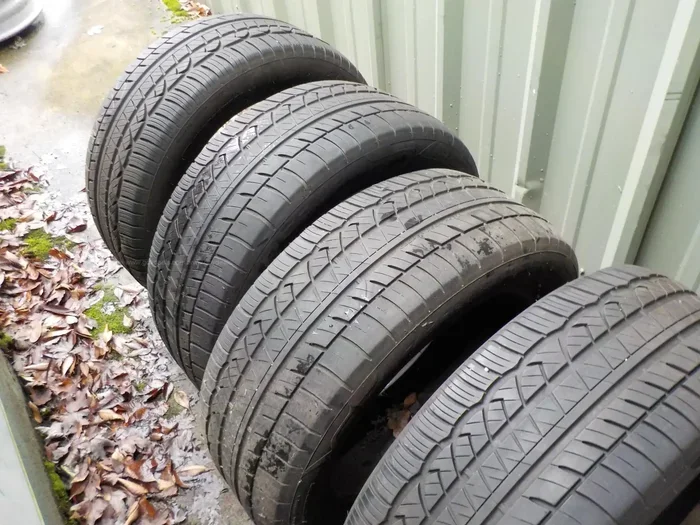
Four used tires should typically cost between $200 and $400 depending on brand, size, and condition. Knowing what to look for helps you avoid unsafe tires and overpaying. This guide covers used tire pricing, what to inspect, and where to find the best deals.
Buying four used tires can save you a lot of money compared to brand new ones. But how much should you actually pay? The answer depends on several factors like tire size, brand, tread depth, and where you shop. This guide breaks down everything you need to know about used tire cost so you make a smart purchase.
Whether you drive a sedan, SUV, or truck, tires are one of the most important safety features on your car. Worn or damaged tires affect handling, braking, and fuel economy. That is why finding the right set at the right price matters so much. Let us dive into what you should expect to pay and how to avoid common pitfalls.
Key Takeaways
- Average Cost Range: Four quality used tires usually run between $200 and $400 for most passenger vehicles.
- Inspect Tread Depth: Always check tread wear with the penny test before buying any used tire.
- Check Tire Age: Tires older than six years may have dry rot even if the tread looks fine.
- Match Tire Size: Make sure the used tires match your vehicle’s recommended size and load rating.
- Buy From Reputable Sources: Tire shops and certified dealers offer better warranties than private sellers.
- Factor in Installation: Budget extra for mounting, balancing, and alignment when calculating total cost.
📑 Table of Contents
Understanding Used Tire Pricing
The used tire price for a set of four depends heavily on the type of vehicle you drive. A compact car needs smaller tires than a full-size truck, and that difference shows in the cost. Here is a general breakdown of what you can expect.
Price Ranges by Vehicle Type
- Compact Cars: $150 to $250 for four used tires
- Mid-Size Sedans: $200 to $350 for four used tires
- SUVs and Crossovers: $250 to $450 for four used tires
- Trucks and Heavy Vehicles: $300 to $600+ for four used tires
These numbers reflect average market prices across most regions. Premium brands like Michelin or Continental will cost more even in the used market. Budget brands like Firestone or Goodyear tend to be more affordable. The key is balancing cost with safety and performance.
What Affects the Cost of Used Tires
Several factors influence how much you will pay for a set of four used tires. Understanding these helps you negotiate better and spot a fair deal.
- Tire Brand: Name brands hold their value longer than lesser-known brands.
- Tread Depth: Tires with more remaining tread cost more because they last longer.
- Tire Size: Larger tires for trucks and SUVs cost more to manufacture and replace.
- Condition: Tires with even wear, no repairs, and no dry rot command higher prices.
- Mileage Left: A tire with 50% tread life remaining is worth more than one at 20%.
- Season Type: All-season tires are more in demand year-round than summer-only tires.
Keep in mind that tire replacement cost for new tires can easily reach $600 to $1,200 for a set of four. Used tires offer significant savings, sometimes cutting the cost in half. That is a big reason why many drivers choose the used route.
Where to Buy Used Tires
Not all used tire sellers are created equal. Where you buy affects both price and quality. Here are the most common options and what to expect from each.
Local Tire Shops
Many tire shops sell used tires alongside new ones. These shops often inspect the tires before selling them. They may also offer a short warranty or return policy. Prices at tire shops tend to be slightly higher than private sellers, but you get more peace of mind.
Some shops also handle mounting, balancing, and valve stem replacement. This saves you a separate trip to a mechanic. When buying from a shop, ask about their inspection process and any guarantees they provide.
Online Marketplaces
Websites like Craigslist, Facebook Marketplace, and eBay Motors have plenty of used tire listings. Prices can be lower here because sellers skip the overhead of a physical shop. However, you take on more risk.
- You cannot always inspect the tires in person before buying.
- Shipping costs can eat into your savings.
- Return policies vary widely between sellers.
If you buy online, always ask for detailed photos of the tread, sidewalls, and DOT date code. Request the tire size and any known issues upfront.
Salvage Yards and Auto Parts Stores
Salvage yards sometimes have used tires on vehicles they are parting out. Auto parts stores like AutoZone or O’Reilly may also carry used inventory. These sources can offer great deals but require more digging.
Visit regularly because inventory changes fast. The best tires at salvage yards get snapped up quickly. Having a general idea of what you need helps you act fast when the right set comes in.
What to Inspect Before Buying Used Tires
This is the most important part of buying used tires. A quick inspection can save you from buying a unsafe set. Follow this checklist every time.
Check the Tread Depth
Tread depth determines how well a tire grips the road, especially in wet conditions. New tires typically have 10/32 to 11/32 inches of tread. Used tires should have at least 4/32 inches remaining for safe driving.
Use the penny test to check tread depth quickly. Insert a penny into the tread groove with Lincoln’s head facing down. If you can see the top of his head, the tread is too worn. Move to the next tire and repeat the test in several spots around each tire.
Look for Uneven Wear Patterns
Even wear across the tread means the tire was properly maintained. Uneven wear signals problems like poor alignment, worn suspension parts, or improper inflation.
- Center wear: Often means the tire was overinflated.
- Edge wear: Usually indicates underinflation or alignment issues.
- One-sided wear: Points to alignment problems on that axle.
- Cupping or scalloping: Suggests worn suspension components.
Tires with uneven wear may look okay at first glance but could have hidden issues. Avoid them unless you plan to replace them very soon.
Check the Tire Age
Tire age matters just as much as tread depth. Rubber degrades over time even if the tire sits unused. Look for the DOT code on the sidewall. The last four digits tell you the week and year of manufacture.
For example, a code ending in 2521 means the tire was made in the 25th week of 2021. Avoid tires older than six years regardless of tread condition. Older tires are at higher risk of sudden failure from dry rot and cracking.
Inspect the Sidewalls
Run your hands along the sidewalls of every tire. Feel for cuts, bulges, or bubbles. These are signs of internal damage that can lead to blowouts.
Also look for visible punctures, patches, or plug repairs. A single repair is usually fine, but multiple repairs weaken the tire structure. If a tire has been driven flat, do not buy it even if it looks okay from the outside.
Verify the Tire Size and Load Rating
Make sure the used tires match your vehicle specifications. Check your owner’s manual or the sticker on the driver’s door jamb for the correct tire size, load index, and speed rating.
Using the wrong size tire affects your speedometer reading, handling, and safety. It can also cause rubbing against the fenders or suspension components. Always double-check before you buy.
How to Get the Best Deal on Used Tires
Saving money on used tires is all about knowing the market and shopping smart. Here are practical tips to help you get the best value.
Compare Prices Across Multiple Sellers
Do not buy the first set you see. Check at least three different sellers to understand the going rate in your area. Price differences of $50 to $100 for a full set are common.
Use online classifieds and local tire shop websites to gather price data. Keep a list of what you find and use it to negotiate. Sellers who know you have done your research are more likely to offer a fair price.
Negotiate Like a Pro
Negotiation works for used tires just like it does for anything else. Start by pointing out any wear or imperfections you noticed during inspection. Use those as leverage to negotiate a lower price.
Ask if the seller offers any warranty or return period. A seller willing to stand behind the tires is more confident in their quality. If they offer a 30-day warranty, that is a good sign the tires are worth the asking price.
Factor in Total Cost
The sticker price of the tires is not the only cost. Remember to include mounting, balancing, and valve stems in your budget. Some shops include these services for free with a tire purchase.
Also consider the cost of a tire rotation and alignment if needed. Proper maintenance after installation extends the life of your new used tires. Think of it as an investment in safety and savings.
Time Your Purchase
Tire prices fluctuate with the seasons. Winter tires are cheapest in spring and summer. All-season tires tend to be more affordable in fall when demand shifts toward winter sets.
Shopping during off-peak seasons gives you more negotiating power. Sellers are more motivated to move inventory when demand is low. Patience can save you a meaningful amount of money.
Common Mistakes to Avoid When Buying Used Tires
Even experienced car owners make mistakes when buying used tires. Here are the most common ones and how to avoid them.
Buying Based on Looks Alone
A tire can look great on the outside but be dangerous on the inside. Always inspect tread depth, sidewalls, and age before purchasing. Do not let a shiny appearance fool you.
Ignoring the DOT Date Code
Many buyers focus only on tread depth and skip the age check. This is a costly mistake. Old tires with plenty of tread can still fail from internal degradation. Always check the manufacturing date first.
Skipping the Test Drive or Road Test
If possible, take the tires for a short test drive before committing. Listen for unusual noises and pay attention to how the car handles. Vibrations or pulling can indicate tire or wheel issues.
Overlooking Tire Pressure
Check the tire pressure on every tire before buying. Underinflated tires can hide structural damage. Properly inflated tires are easier to inspect and give you a better sense of their true condition.
Forgetting About the Spare
If the seller includes a spare tire, check it too. Many people forget about the spare and it ends up being just as worn as the road tires. A full set of five tires should be in similar condition.
Used Tires vs New Tires: Which Is Right for You?
Deciding between used and new tires comes down to your budget, driving needs, and how long you plan to keep the tires. Here is a quick comparison to help you decide.
| Factor | Used Tires | New Tires |
|---|---|---|
| Cost for Set of Four | $150 – $450 | $400 – $1,200+ |
| Tread Life Remaining | 20% – 70% | 100% |
| Warranty | Limited or none | Full manufacturer warranty |
| Availability | Varies by location | Always available |
| Risk of Hidden Damage | Higher | Lower |
| Best For | Budget-conscious drivers | Long-term ownership |
Used tires are a smart choice if you need a short-term solution or have a tight budget. They work well for daily commuters and second vehicles. New tires make more sense if you plan to keep the car for several years or drive in harsh weather conditions.
Some drivers buy used tires for winter driving and save their new tires for summer. This approach balances safety with cost savings. Whatever you choose, never compromise on tire safety.
Maintenance Tips for Used Tires
Once you have your set of used tires, proper maintenance keeps them in great shape longer. Follow these simple tips to get the most out of your investment.
Check Tire Pressure Monthly
Underinflated tires wear out faster and reduce fuel efficiency. Check your tire pressure at least once a month with a reliable gauge. Keep tires inflated to the pressure listed on your driver’s door jamb sticker.
Rotate Tires Every 5,000 to 7,000 Miles
Regular tire rotation ensures even wear across all four tires. This simple maintenance step can add thousands of miles to your tire life. Most tire shops will rotate your tires for a small fee or even for free with purchase.
Get an Alignment Check
If you notice your car pulling to one side or uneven tire wear, get an alignment check. Misalignment causes tires to wear out on one side much faster than the other. Fixing it early saves you from premature tire replacement.
Store Tires Properly If Not in Use
If you switch between seasonal tires, store the off-season set in a cool, dry place away from direct sunlight. UV rays and heat accelerate rubber degradation. Cover the tires or place them in opaque bags to protect them.
Proper storage can add years to the life of your tires. It is one of the easiest and most overlooked maintenance steps.
Final Thoughts
Finding the right set of four used tires at a fair price is absolutely doable with a little knowledge and patience. The used tire cost for most vehicles falls in the $200 to $400 range, making it a budget-friendly alternative to new tires. Always inspect the tread depth, check the age, and examine the sidewalls before buying.
Whether you buy from a local tire shop, online marketplace, or salvage yard, the key is to be informed and patient. Do not rush the process or settle for tires that do not meet your safety standards. A good set of used tires can serve you well for thousands of miles when chosen carefully.
Remember that tires are the only part of your car that touches the road. They affect everything from braking distance to fuel economy. Investing time in finding the right set pays off in safety, performance, and savings. Take your time, do your homework, and you will find the perfect set of four used tires at a price that fits your budget.
Keep these tips in mind on your next tire purchase and you will drive away confident in your choice. Safe travels and happy shopping.
Frequently Asked Questions
How long do used tires last on average?
Used tires typically last between 10,000 and 30,000 miles depending on the remaining tread depth and how well you maintain them. Tires with 60% tread life remaining can easily last another 20,000 miles or more with proper care.
Can I put used tires on a new car?
Yes, you can put used tires on a new car as long as they match the correct size, load rating, and speed rating for your vehicle. Just make sure they are in good condition and not too old. Many drivers use used tires on new cars to save money while the tires are still safe.
Is it safe to buy used tires online?
Buying used tires online can be safe if you take the right precautions. Always ask for detailed photos, the DOT date code, and a full description of the condition. Meet the seller in person if possible before completing the purchase. If buying sight unseen, choose a platform with buyer protection.
How do I know if used tires need to be replaced?
Used tires need replacement when the tread depth falls below 4/32 inches, the sidewalls show cracks or bulges, or the tires are older than six years. Use the penny test to check tread depth and the DOT code to check the age. When in doubt, consult a trusted tire professional.
Do used tires come with any warranty?
Some tire shops and dealers offer a limited warranty on used tires, usually ranging from 30 to 90 days. Private sellers rarely offer any warranty. Always ask about the return policy before purchasing. A warranty gives you protection if a tire fails due to a manufacturing defect.
What is the cheapest way to buy four used tires?
The cheapest way is to buy from online marketplaces or salvage yards where prices are lower than retail shops. Compare prices across multiple sellers, negotiate based on tire condition, and shop during off-peak seasons for the best deals. Always factor in mounting and balancing costs when comparing prices.