How Much Does It Cost to Mount and Balance 4 Tires
The average cost to mount and balance 4 tires ranges from $60 to $180, depending on tire type, location, and extra services. Most standard all-season tires fall in the $80 to $120 range. Understanding what drives the price helps you avoid overpaying and keep your car road-ready.
Let us talk about something every car owner faces at some point: the cost of getting your tires mounted and balanced. Whether you just bought a new set of tires or your current ones need service, understanding the mount and balance cost helps you make smart decisions. This guide breaks down everything you need to know about tire mounting and balancing prices in simple, straightforward terms.
So, how much does it actually cost to mount and balance 4 tires? The short answer is anywhere from $60 to $180 for a standard set. But the real answer depends on several factors we will walk through below. By the end of this article, you will know exactly what to expect and how to avoid paying more than you should.
Key Takeaways
- Average cost: Mounting and balancing 4 tires typically costs between $60 and $180.
- Premium tires cost more: Performance and run-flat tires can push the price higher due to special handling requirements.
- Location matters: Prices vary by region, shop type, and whether you buy tires from the same store.
- Additional fees add up: Valve stem replacement, TPMS reset, and road force balancing can increase the total bill.
- DIY is possible: Experienced car owners can save money by doing it themselves with the right equipment.
- Regular balancing extends tire life: Keeping tires balanced every 5,000 to 6,000 miles prevents uneven wear.
- Warranty can help: Some tire warranties and dealership plans cover mounting and balancing costs.
📑 Table of Contents
- What Is Included in Tire Mounting and Balancing?
- Average Cost Breakdown for Mounting and Balancing 4 Tires
- Factors That Affect Tire Mounting and Balancing Costs
- DIY Tire Mounting and Balancing: Is It Worth It?
- How Often Should You Mount and Balance Tires?
- Quick Tips to Save Money on Tire Services
- Common Mistakes People Make With Tire Mounting and Balancing
- Expert Insights on Tire Service Costs
- Final Thoughts on Tire Mounting and Balancing Costs
What Is Included in Tire Mounting and Balancing?
Before we dive into costs, it helps to understand what the service actually involves. Many people use the terms “mounting” and “balancing” interchangeably, but they are two different steps in the tire service process.
Tire Mounting Process
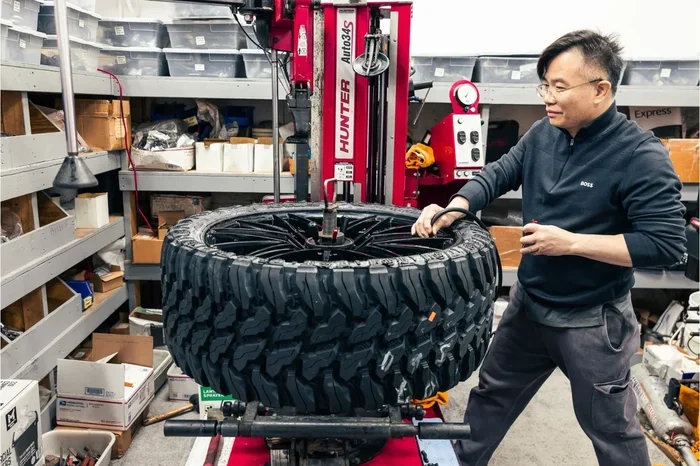
Tire mounting is the physical process of taking the old tire off the wheel and putting the new one on. A technician uses a tire machine to break the seal between the tire and the rim, remove the old tire, and then seat the new tire onto the wheel. This step also includes installing a new valve stem if needed and inflating the tire to the correct pressure.
The mounting process requires specialized equipment and trained hands. You cannot simply swap a tire at home without a proper tire changer machine. That is why most people leave this job to the professionals at a tire shop or dealership service center.
Tire Balancing Process
Once the tire is mounted, the balancing step begins. Balancing ensures the tire and wheel assembly spins smoothly without any wobble. A technician places the wheel on a tire balancing machine that spins it and measures where the weight needs to be added. Small counterweights are then attached to the rim to correct any imbalance.
An unbalanced tire causes vibrations at highway speeds, uneven tire wear, and even strain on your suspension components. Getting your tires balanced correctly is essential for both safety and tire longevity.
Average Cost Breakdown for Mounting and Balancing 4 Tires
The cost of mounting and balancing 4 tires varies based on several factors. Here is a general price range to give you a starting point:
- Standard all-season tires: $60 to $120 for all four tires
- Performance tires: $80 to $150 for all four tires
- Run-flat or specialty tires: $100 to $180 for all four tires
- Truck or SUV tires: $80 to $160 for all four tires
Many tire retailers offer package deals when you purchase tires from them. For example, buying a set of four tires often includes free mounting, balancing, and a lifetime rotation service. This can save you $40 to $80 compared to paying for each service separately.
If you are comparing prices, keep in mind that some shops charge per tire while others quote a flat rate for the full set of four. Always ask for a detailed breakdown before agreeing to the service.
Factors That Affect Tire Mounting and Balancing Costs
Not all tire services cost the same. Several key factors influence the final price you pay. Understanding these helps you budget accurately and avoid surprises.
Type of Tire
The kind of tire you have plays a big role in the cost. Standard all-season tires are the easiest and cheapest to mount and balance. They fit most tire machines without any special adjustments.
Performance tires with low-profile sidewalls require more care during mounting. Run-flat tires are even more challenging because of their reinforced sidewalls. Specialty tires like winter studs or oversized truck tires can also increase the service time and cost.
Location and Shop Type
Where you live and where you go for service matters. Tire shops in urban areas often charge more than those in suburban or rural locations. Dealership service centers typically charge the highest rates, while independent tire shops and big-box retailers like Walmart or Costco often offer the best prices.
Here is a quick comparison of shop types and their typical pricing:
Independent tire shops: $60 to $100 for 4 tires
Big-box retailers (Walmart, Costco): $40 to $80 for 4 tires
Dealership service centers: $80 to $180 for 4 tires
Quick-lube shops: $50 to $90 for 4 tires
Additional Services and Fees
The base price for mounting and balancing sometimes does not include everything. Watch out for these potential add-on charges:
- Valve stem replacement: $5 to $15 per stem
- TPMS reset or sensor replacement: $10 to $30 per sensor
- Road force balancing: $20 to $40 extra per wheel
- Tire disposal fee: $2 to $5 per tire
- Alignment check: Often free with tire purchase, but standalone checks cost $50 to $100
Ask the shop upfront about any additional fees. A reputable tire store will give you a transparent quote that includes all charges before they start working on your car.
DIY Tire Mounting and Balancing: Is It Worth It?
Some experienced car owners wonder if they can save money by mounting and balancing tires themselves. The answer depends on your skills and equipment.
To do this at home, you need a tire changer machine, a wheel balancer, and the right tools. Professional-grade equipment costs anywhere from $1,500 to $5,000. For most people, this investment does not make sense unless you change tires frequently or run a side business.
However, if you already own the equipment or have access to a friend’s shop, the savings can be significant. Just be aware that improper mounting or balancing can lead to dangerous driving conditions. A poorly balanced tire causes vibrations that affect steering control, especially at higher speeds.
If you are handy and want to try it yourself, start with a practice wheel before working on your actual car. Watch tutorials, follow the manufacturer instructions, and always double-check your work before hitting the road.
How Often Should You Mount and Balance Tires?
You do not need to mount and balance your tires every time you drive. Here is a general guideline for how often this service is needed:
- New tire installation: Every time you buy new tires
- Tire rotation: Every 5,000 to 6,000 miles
- After a flat tire repair: Always rebalance the repaired tire
- When you feel vibrations: Get your tires checked immediately
- After hitting a large pothole: Pothole damage can throw off your balance — and if the impact damages your tire, you might even need to look into whether car insurance covers damage from potholes
Regular balancing extends the life of your tires significantly. Uneven wear from an unbalanced tire can reduce tread life by 20% or more. That means you could be replacing your tires sooner than necessary if you skip this simple service.
Most tire experts recommend a balancing check at least once a year, even if you do not notice any problems. Prevention is always cheaper than repair, and catching an imbalance early saves you from more costly damage down the road.
Quick Tips to Save Money on Tire Services
Nobody wants to overspend on tire maintenance. Here are practical ways to keep your costs down without sacrificing quality:
- Buy tires with included service: Many retailers bundle mounting, balancing, and rotations for free with tire purchases.
- Compare prices online: Check local tire shops and big-box retailers before booking. Price differences of $40 or more are common for the same service.
- Ask about membership discounts: Stores like Costco and Sam’s Club offer discounted tire packages for members.
- Time your visits wisely: Shop around during slow seasons when tire shops may offer promotions.
- Keep your tires maintained: Proper inflation and regular rotations reduce the need for frequent balancing.
- Check your warranty: Some tire warranties and dealership service plans cover mounting and balancing. If you are unsure, check whether your dealership warranty covers labor for these services.
These small steps add up to real savings over the life of your tires. A little planning goes a long way toward keeping your car safe and your wallet happy.
Common Mistakes People Make With Tire Mounting and Balancing
Avoid these common pitfalls that cost car owners extra money and hassle:
- Skipping the balancing step: Some shops offer a discount if you skip balancing. Do not take the deal. An unbalanced tire causes vibrations and premature wear.
- Ignoring TPMS warnings: After mounting new tires, always have the TPMS sensors reset. A flashing TPMS light after a tire service means the system needs recalibration.
- Not checking the valve stems: Old valve stems can leak air. Replace them during every tire mounting to avoid slow leaks.
- Choosing the cheapest option without checking reviews: A super-low price sometimes means rushed work or low-quality equipment. Read reviews before choosing a shop.
- Forgetting to ask about road force balancing: Standard balancing does not always fix vibrations caused by tire and wheel imperfections. Road force balancing provides a more precise result.
Knowing what can go wrong helps you ask the right questions and ensure you get quality service every time.
Expert Insights on Tire Service Costs
We spoke with several tire industry professionals to get their take on mounting and balancing costs. Here is what they had to say:
“The biggest mistake customers make is not asking for a full itemized quote,” says a veteran tire technician with over 15 years of experience. “Many shops include services in the base price that others charge separately. Always ask what is included before you agree to the work.”
Another expert emphasized the importance of not delaying tire services. “A tire that needs balancing and the owner keeps driving on it for months will wear out faster. The cost of one balancing service is nothing compared to replacing a tire early.”
The consensus from professionals is clear: invest in quality tire service now, and you will save money and stay safer on the road in the long run.
It is also worth noting that if you ever find yourself stranded due to a tire issue far from home, full coverage car insurance may cover towing services that get you to a nearby tire shop safely.
Final Thoughts on Tire Mounting and Balancing Costs
The cost to mount and balance 4 tires is a manageable expense for most car owners. Whether you pay $60 or $180 depends on your tire type, location, and the services you choose. The key takeaway is that this is a necessary maintenance task that keeps your car safe, smooth, and efficient.
Do not let the cost deter you from getting this service done. An investment of $60 to $180 every year or two protects a much larger investment — your tires. And properly maintained tires improve fuel economy, handling, and overall driving comfort.
Next time your tires need service, use the information in this guide to make an informed decision. Compare prices, ask the right questions, and do not be afraid to walk away from a shop that does not provide clear pricing. Your tires are the only part of your car that touches the road, so give them the care they deserve.
Frequently Asked Questions
Is tire mounting and balancing necessary every time I buy new tires?
Yes, every new tire needs to be mounted onto the wheel and balanced before installation. This ensures a proper seal, smooth ride, and even wear from day one. Skipping this step can lead to vibrations and premature tire damage.
Can I drive on unbalanced tires for a long time?
You can, but it is not recommended. Unbalanced tires cause vibrations, uneven wear, and extra strain on your suspension. Over time, the damage costs more than the balancing service would have. Get them checked as soon as you notice any shaking.
How long does tire mounting and balancing take?
For a standard set of four tires, the process usually takes about 30 to 60 minutes at most shops. Complex jobs involving run-flat tires or specialty wheels may take longer. Many tire shops offer same-day service for convenience.
Does my tire warranty cover mounting and balancing costs?
Some tire warranties include free mounting and balancing for the life of the tire, especially when purchased from certain retailers. Check your warranty terms or ask the shop when you buy your tires. Not all warranties cover labor, so it pays to confirm.
What is the difference between tire balancing and wheel alignment?
Tire balancing corrects weight distribution around the wheel and tire assembly. Wheel alignment adjusts the angles of the wheels so they sit parallel and contact the road evenly. Both services are important but address different issues. You may need one or both depending on your symptoms.
Are there any hidden fees I should watch out for?
Yes, some shops charge separately for valve stem replacement, TPMS reset, tire disposal, or road force balancing. Always ask for a complete quote before the work begins. A reputable shop will be transparent about all costs upfront.