How Much Does a Window Tint Ticket Cost in Your State
A window tint ticket can cost anywhere from $50 to over $500 depending on your state, the severity of the violation, and whether it’s a first offense. Tint ticket fines vary widely, with some states like California and New York imposing steep penalties for illegal film darkness. Understanding your state tint laws and legal tint limits can save you from unexpected expenses and keep your car road-ready.
You just got pulled over. The officer writes something on a slip of paper and hands it to you. You look at it and see the words “window tint violation.” Your heart sinks. You wonder, “How much is this going to cost me?” If you have ever found yourself in this spot, you are not alone. Thousands of drivers get a window tint ticket every single year across the United States. The cost can surprise you, and the rules change from state to state.
This guide breaks down everything you need to know about window tint ticket costs. We will cover fines by state, what causes a tint violation, how to fight one, and how to avoid getting cited in the first place. Whether you just got your first ticket or you are researching before a road trip, this article has you covered.
Key Takeaways
- Tint ticket costs range widely: fines typically fall between $50 and $500+ depending on your location and violation type.
- First-time offenders often pay less: many states offer reduced fines or warning citations for initial violations.
- State laws differ dramatically: what’s legal in Texas may be illegal in New York, so always check your local regulations.
- Medical exemptions exist: some states allow darker tint with a doctor’s prescription, which can help avoid a window tint violation.
- Fix-it tickets can save money: certain states let you correct the tint issue and reduce or dismiss the fine.
- Repeated violations cost more: multiple tint violation citations can lead to higher fines, points on your license, and even vehicle impoundment.
- Prevention is the best strategy: knowing your legal tint percentage before installing film keeps you compliant and ticket-free.
📑 Table of Contents
- What Is a Window Tint Ticket?
- How Much Does a Window Tint Ticket Cost?
- Window Tint Laws by State
- Can You Fight a Window Tint Ticket?
- How to Avoid Getting a Window Tint Ticket
- Does Window Tint Have Benefits Beyond Style?
- How Much Does Professional Tinting Cost Compared to DIY?
- What Happens If You Ignore a Tint Ticket?
- Conclusion
What Is a Window Tint Ticket?
A window tint ticket is a citation law enforcement gives you when your car windows have film that does not meet state regulations. Every state sets its own rules about how dark or how reflective your tint can be. When your windows break those rules, an officer can pull you over and issue a citation.
You might think tint tickets are only about the darkness of the film. But that is not always true. Officers also check for tint on the windshield, mirror reflections, and even the color of the tint itself. Some states ban certain tint colors entirely. So a window tint violation can happen in more ways than you might expect.
Common Reasons You Get a Tint Citation
Not all tint tickets are the same. Here are the most common reasons drivers get cited:
- Tint too dark: Your film blocks more light than your state allows. This is the number one reason for a tint ticket.
- Windshield tint too wide: Many states only allow a narrow strip at the top of the windshield. Going beyond that strip earns you a citation.
- Reflective or mirrored tint: Some states ban tint that creates a mirror-like reflection on the glass.
- Red, blue, or green tint: Certain colors are restricted or banned in many states because they can confuse other drivers.
- Missing or expired exemption sticker: Even if you have a medical exemption, you need the proper sticker displayed in your vehicle.
Understanding why you got cited helps you decide your next steps. It also helps you figure out what the tint ticket cost will be.
How Much Does a Window Tint Ticket Cost?
The big question everyone wants answered. The short answer is: it depends. The window tint ticket cost varies a lot based on where you live, what kind of violation you committed, and whether it is your first offense. Let us break this down.
Average Tint Ticket Fines by State
Fines for a tint violation range from as low as $25 in some states to over $500 in others. Here is a look at how costs compare across different regions:
- California: Fines start around $100 for a first offense and can go up to $200 or more for repeat violations.
- New York: Expect a fine of about $150 for illegal window tint. New York takes tint laws seriously.
- Texas: Fines typically range from $20 to $100. Texas has relatively relaxed rules compared to many states.
- Florida: A window tint ticket in Florida usually costs between $50 and $100. But medical exemptions can help you stay legal.
- Illinois: Fines start at $50 but can climb to $200 for darker tints on passenger vehicles.
- New Jersey: This state has strict tint laws. Fines can reach $100 or more, and repeat offenses cost even more.
As you can see, the tint ticket fine is not a one-size-fits-all number. Your state’s laws and enforcement style play a huge role in what you will pay.
What Else Can a Tint Ticket Cost You?
Here is something many people do not think about. The fine is not the only cost. A window tint ticket can create additional expenses:
- Court fees: If you contest the ticket or simply need to appear in court, fees add up fast.
- Tint removal costs: You may need to remove the illegal film and replace it with a legal one. This can cost $100 to $400 depending on your vehicle.
- Insurance rate increases: Some insurance companies treat a tint citation as a moving violation. This can bump up your premiums.
- Points on your license: In some states, a tint violation adds points. Too many points mean higher insurance costs or even a suspended license.
- Vehicle inspection failure: If your tint fails inspection, you cannot register your car until you fix it. That means more time and money.
When you add all of these costs together, a single tint violation can easily cost several hundred dollars. That makes prevention a much smarter choice.
Window Tint Laws by State
Every state has its own set of rules for automotive window tinting. These laws control how dark your tint can be, how reflective it can get, and which windows can be tinted. Let us explore how these rules work and why they matter.
Understanding VLT Percentages
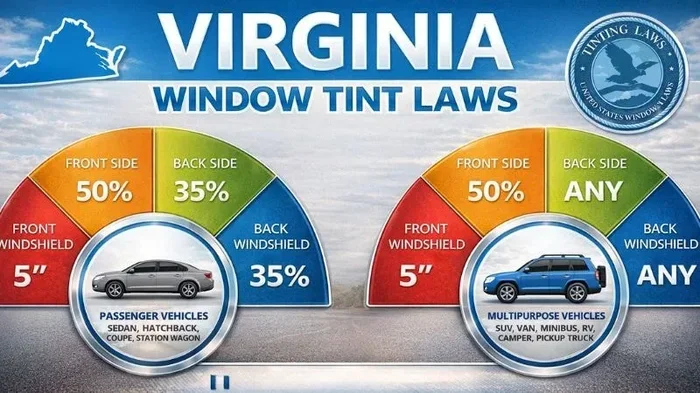
When you hear people talk about tint darkness, they use a term called VLT, which stands for Visible Light Transmission. VLT measures how much light passes through your window film. A lower VLT means a darker tint. A higher VLT means more light gets through.
Here is a simple way to think about it. If your film has a VLT of 50 percent, it blocks half the light and lets the other half through. If it has a VLT of 5 percent, it is very dark and only lets a tiny bit of light in. Each state sets a minimum VLT for different windows on your car.
For example, many states require a minimum VLT of 70 percent on the front side windows. That means your front windows cannot be too dark. Rear windows often have more relaxed limits, which is why many people tint their back seats for privacy.
States With Strict Tint Laws
Some states are much stricter than others when it comes to automotive tinting. Here are a few examples:
- New York: Front side windows must have at least 70 percent VLT. Rear windows can be darker, but the windshield tint strip is very limited.
- California: Front side windows need at least 70 percent VLT. The rear windows can be any darkness, but reflective tint is restricted.
- New Jersey: This state does not allow any tint on front side windows. Only rear windows can be tinted, and they must allow over 70 percent VLT.
If you drive in one of these states, you need to be extra careful with your window tinting choices. A tint ticket in a strict state can hit your wallet hard.
States With More Lenient Tint Laws
On the other side of the spectrum, some states give drivers more freedom:
- Texas: Front side windows must have at least 25 percent VLT. Rear windows can be as dark as you want.
- Arizona: Front side windows need at least 33 percent VLT. Rear windows have no darkness limit.
- Michigan: Front side windows must allow more than 35 percent VLT. Rear windows can be tinted as dark as you like.
These more relaxed rules make it easier to find a ceramic tint or aftermarket tint that keeps you legal and comfortable.
Can You Fight a Window Tint Ticket?
Getting a citation does not mean you have to just pay the fine. Many drivers successfully fight their window tint ticket every year. Whether you can win your case depends on a few key factors.
Common Defenses Against a Tint Violation
Here are some strategies people use to challenge a tint citation:
- You had a medical exemption: If your state allows medical exemptions and you had proper documentation, this can get your ticket dismissed.
- The tint was recently installed: If you just got your film applied and it was still curing, you may have a valid defense.
- The officer used the wrong tint meter: Some tint meters are not calibrated correctly. Questioning the measurement can weaken the case against you.
- Your tint meets state standards: Bring your receipt and the film specification to court. If it shows your tint is legal, the ticket should be dismissed.
Fighting a ticket takes time and effort. But if you genuinely believe the citation was unfair, it can be worth it. Just make sure you gather your evidence before your court date.
What Is a Fix-It Ticket for Tint?
Some states offer something called a fix-it ticket. Instead of paying a fine right away, you get a deadline to correct the problem. You take your car to a shop, remove the illegal tint, and bring proof of compliance back to the court.
If you complete the fix on time, the court dismisses the citation. This means no fine, no points, and no insurance hike. A fix-it ticket is a great option if you want to avoid the full window tint ticket cost. Check with your local court to see if this option is available in your area.
How to Avoid Getting a Window Tint Ticket
The best way to deal with a tint ticket is to never get one. Prevention is simple if you know the rules and make smart choices. Here is how to keep your automotive tinting legal and your wallet happy.
Before You Tint Your Windows
Planning ahead saves you from headaches later. Follow these steps before you tint your windows:
- Check your state laws: Look up the legal VLT limits for each window on your vehicle. State DMV websites are a great resource.
- Choose a reputable shop: A professional installer knows the rules and will apply film that keeps you compliant.
- Ask about legal tint options: Many shops offer films specifically designed to meet state regulations while still providing heat rejection and privacy.
- Get documentation: Keep your receipt and ask for a certificate that shows your tint’s VLT percentage. You will want this if you ever get questioned by law enforcement.
Quick Tips to Stay Compliant
Here are some fast tips to help you avoid a tint violation:
- Stick with legal tint percentages even if you prefer darker film.
- Make sure your windshield tint strip stays within the allowed width.
- Display any medical exemption sticker in the correct spot on your dashboard.
- Re-check your tint every few years. Film can fade or bubble, which might change its VLT.
- If you move to a new state, research that state’s tint laws immediately. Rules from your old state may not apply.
Taking a few minutes to understand your local tint laws can save you hundreds of dollars in fines and hassle down the road.
Does Window Tint Have Benefits Beyond Style?
People often think about tint as a cosmetic upgrade. But car window tinting offers real practical benefits that go way beyond looks. Understanding these benefits makes it even more important to do it right and stay legal.
Heat Rejection and Comfort
Quality window film blocks a significant amount of solar heat. This keeps your car cooler on hot days and reduces the need for maximum air conditioning. Less AC means better fuel economy over time. It also makes your driving experience far more comfortable, especially during summer months.
UV Protection for You and Your Interior
Your car windows block some UV rays, but not all. Tint film can block up to 99 percent of harmful ultraviolet radiation. This protects your skin during long drives and prevents your dashboard, seats, and trim from fading and cracking. If you spend a lot of time on the road, UV protection is a smart investment for your health and your vehicle’s interior.
Privacy and Security
Tinted windows make it harder for people outside to see into your car. This protects your belongings from prying eyes and can deter thieves who prefer easy targets. Many families and rideshare drivers appreciate the extra privacy that legal tint provides.
Glare Reduction for Safer Driving
Sun glare can be dangerous, especially during sunrise and sunset. Tint film reduces glare significantly, which helps you see the road more clearly. This is especially helpful on long highway drives or in areas with intense sunlight. Less glare means less eye strain and fewer squinting moments behind the wheel.
All of these benefits make automotive tinting a popular upgrade. Just make sure you choose a film and darkness level that keeps you within your state’s legal tint limits.
How Much Does Professional Tinting Cost Compared to DIY?
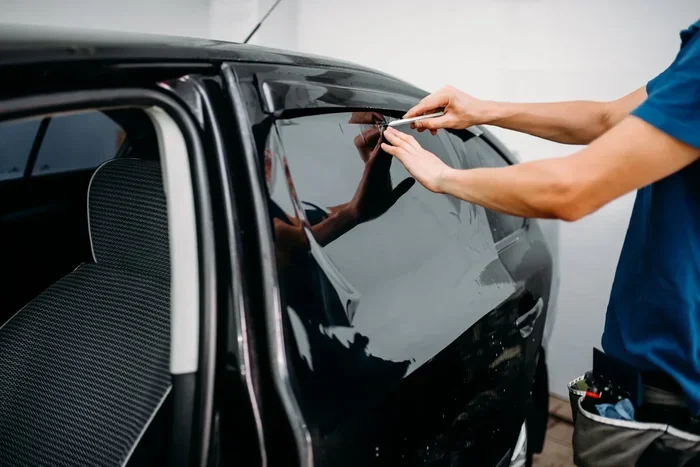
Some people try to save money by tinting their own windows. While DIY kits are cheaper upfront, they come with risks. A poorly installed film bubbles, peels, and looks terrible. It also may not meet your state’s legal tint percentage, which means you could end up with a window tint ticket anyway.
Professional installation typically costs between $100 and $400 for a full vehicle, depending on the type of film and your vehicle size. Ceramic tint, which offers the best heat rejection and clarity, costs more but lasts longer and performs better. The extra cost is worth it for most drivers because it ensures a clean, legal, and long-lasting result.
When you compare the cost of professional tinting to the potential tint ticket cost plus removal and re-installation fees, professional service is actually the cheaper option in most cases. It also saves you the stress of dealing with a citation.
What Happens If You Ignore a Tint Ticket?
Ignoring a citation never ends well. If you simply pay no attention to your tint violation, several things can happen. First, late fees accumulate. What started as a $100 fine can quickly double or triple. Second, your case may go to a collections agency, which affects your credit.
More seriously, an unresolved citation can lead to a warrant for your arrest. Your vehicle registration may be suspended. You could face additional penalties every time you get pulled over. And if you ever need to renew your registration or sell your car, the outstanding ticket will block you. Always deal with your tint ticket promptly, even if you plan to fight it in court.
Conclusion
A window tint ticket is more than just a minor annoyance. It can cost you real money in fines, removal expenses, higher insurance, and lost time. The good news is that understanding your state’s tint laws and making smart choices about your film can keep you completely compliant.
Whether you are looking at a first-time tint violation or trying to prevent one before it happens, knowledge is your best tool. Know your legal limits, choose quality film, work with a reputable installer, and keep your documentation handy. These simple steps protect your wallet and keep your ride looking great.
The cost of a window tint ticket varies widely, but the cost of prevention is always lower than the cost of a citation. Take a few minutes today to check your state’s rules and make sure your windows are on the right side of the law. Your future self will thank you.
Frequently Asked Questions
Can I get a window tint ticket dismissed if I have a medical exemption?
Yes, in most states that allow medical exemptions, having proper documentation can get your tint ticket dismissed. You will need a signed letter from your doctor and your exemption sticker displayed in your vehicle. Make sure you follow all the requirements your state specifies for the exemption to be valid.
What is the average cost to remove illegal window tint?
Removing illegal window film typically costs between $100 and $250 for a full vehicle. The price depends on how many windows need treatment and whether you hire a professional or attempt it yourself. Keep in mind that if you remove the tint and replace it with legal film, you will also pay for the new installation.
Will a tint ticket affect my car insurance rates?
It depends on your insurance company and your state. Some insurers treat a tint violation as a minor infraction and do not raise your rates. Others may consider it a moving violation and increase your premium. It is always a good idea to ask your insurance provider how citations affect your specific policy.
Can I tint my windshield?
Most states allow a narrow strip of tint at the top of the windshield, usually no more than a few inches. However, some states do not permit any windshield tinting at all. Check your state tint laws before applying any film to your windshield to avoid a citation.
How do police measure window tint darkness?
Law enforcement uses a device called a tint meter, which measures the VLT percentage of your window film. Officers typically test the front side windows first since those have the strictest limits. The tint meter gives an instant reading, so there is no guesswork involved in determining whether you have a window tint violation.
What should I do if I receive a tint ticket in a state I just moved to?
First, research the tint laws of your new state right away. If your tint was legal in your previous state but illegal in your new one, you will need to adjust it. Contact a local tint shop to discuss your options and check if your fix-it ticket option is available. Addressing the issue quickly shows good faith and can reduce your penalties.