How Many O2 Sensors Does a Nissan Sentra Really Have
The Nissan Sentra typically has two to four O2 sensors, depending on the model year and engine type. These oxygen sensors play a critical role in monitoring your exhaust system and maintaining the proper air-fuel ratio. Understanding how many sensors your car has can save you money on repairs and keep your engine running smoothly.
If you own a Nissan Sentra and have ever wondered about the number of oxygen sensors inside your vehicle, you are not alone. This is one of the most common questions among Sentra owners, especially those who want to understand their car better. The answer depends on a few factors, including your model year and engine type. But the short version is that most Nissan Sentra vehicles have between two and four O2 sensors working hard behind the scenes.
These small but mighty components are essential for keeping your engine healthy. They measure the amount of oxygen in your exhaust gases and send that information to your car’s computer. This helps your vehicle run efficiently, pass emissions testing, and deliver the best possible fuel economy. Without functioning sensors, your car would be flying blind.
In this guide, we will break down everything you need to know about the O2 sensors in your Nissan Sentra. We will cover how many sensors your specific model has, where they are located, what happens when they fail, and how to replace them. Whether you are a DIY mechanic or just someone who wants to understand their car better, this article has you covered.
Key Takeaways
- Most Nissan Sentra models have two to four O2 sensors located in the exhaust system.
- Upstream and downstream sensors serve different purposes in monitoring emissions and engine performance.
- Failing O2 sensors can cause poor fuel economy, rough idling, and check engine lights.
- Replacing O2 sensors is a manageable DIY task with basic tools and a little patience.
- Regular car maintenance helps extend the life of your oxygen sensors and prevents costly repairs.
- Ignoring a bad O2 sensor can lead to bigger problems like catalytic converter damage.
📑 Table of Contents
- What Is an O2 Sensor and Why Does It Matter?
- How Many O2 Sensors Does a Nissan Sentra Have?
- Where Are the O2 Sensors Located on a Nissan Sentra?
- Signs Your Nissan Sentra O2 Sensors Are Failing
- How to Replace O2 Sensors on a Nissan Sentra
- Tips for Keeping Your O2 Sensors Healthy
- Common Mistakes People Make With O2 Sensors
- How Much Does O2 Sensor Replacement Cost?
- Final Thoughts
- Frequently Asked Questions
What Is an O2 Sensor and Why Does It Matter?
An oxygen sensor, also known as an O2 sensor, is a small device installed in your vehicle’s exhaust system. Its job is to measure the amount of unburned oxygen in your car’s exhaust gases. This information is sent to your car’s engine control unit, or ECU. The ECU then uses this data to adjust the air-fuel ratio in real time.
Think of the O2 sensor as your car’s nose. It sniffs the exhaust and tells the engine whether the fuel mixture is too rich or too lean. If the mixture is off, your engine will not run properly. Over time, a bad mixture can cause serious damage to components like the catalytic converter and exhaust manifold.
Why the Air-Fuel Ratio Is So Important
Your engine needs the right balance of air and fuel to run efficiently. Too much fuel and you waste gas and produce harmful emissions. Too little fuel and your engine can overheat or run rough. The O2 sensor makes sure this balance stays on point. It constantly communicates with the ECU to make tiny adjustments.
When the air-fuel ratio is correct, you get better engine performance and improved fuel economy. You also pass emissions testing with ease. This is why a working O2 sensor is not just a nice-to-have. It is absolutely essential for your vehicle to function properly.
How O2 Sensors Work in Simple Terms
Here is a quick look at how these sensors do their job. The O2 sensor sits in the exhaust pipe, usually near the exhaust manifold. It measures the oxygen levels in the exhaust gases as they leave the engine. Then it sends a voltage signal to the ECU. The ECU reads this signal and adjusts the fuel injection accordingly. This process happens hundreds of times per minute.
The entire cycle is automatic. You do not need to do anything. But when a sensor starts to fail, that automatic process breaks down. And that is when you start to notice problems with your car.
How Many O2 Sensors Does a Nissan Sentra Have?
The number of O2 sensors in a Nissan Sentra varies by model year and engine configuration. Most modern Sentra models come equipped with two to four sensors. Older models from the 1990s and early 2000s typically had just two. Newer models, especially those with more advanced fuel injection systems, may have four.
Here is a general breakdown of what you can expect:
- 2-sensor setup: Common in older Sentra models with single exhaust systems. One sensor is placed before the catalytic converter (upstream), and one is placed after it (downstream).
- 4-sensor setup: Found in newer Sentra models or those with dual exhaust systems. Each exhaust bank gets its own upstream and downstream sensor.
- 3-sensor setup: Less common but possible in certain trims or aftermarket configurations.
The most important thing to know is that your specific Sentra model will have a set number designed for its engine. If you are unsure, check your owner’s manual or consult a trusted mechanic. They can tell you exactly how many sensors your car has and where they are located.
Upstream vs. Downstream Sensors
Understanding the difference between upstream and downstream sensors is key. The upstream sensor sits closer to the engine, before the catalytic converter. It measures the oxygen levels in the exhaust gases right after combustion. This sensor plays a big role in adjusting the air-fuel ratio in real time.
The downstream sensor sits after the catalytic converter. Its main job is to monitor the efficiency of the catalytic converter. It checks whether the converter is doing its job of reducing harmful emissions. If the downstream sensor reads differently from the upstream sensor, it could mean your catalytic converter is failing.
Both sensors are equally important. They work together as a team to keep your exhaust system running clean and your engine performing at its best.
Where Are the O2 Sensors Located on a Nissan Sentra?
Knowing the oxygen sensor location on your Nissan Sentra can be very helpful. It makes diagnostics easier and can save you time and money. The exact placement depends on your model year and engine type, but here are the general locations you should know about.
Upstream Sensor Location
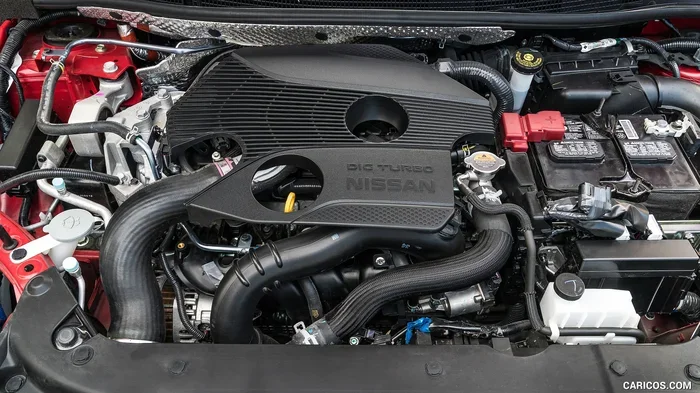
The upstream sensor is typically located on the exhaust manifold or the exhaust pipe close to the engine. On most Nissan Sentra models, you will find it on the passenger side of the vehicle, near the front of the engine bay. It screws directly into the exhaust pipe and is usually easy to spot because of its electrical connector.
If you are working on a 2013 Nissan Sentra or similar model, the upstream sensor is often accessible without needing to lift the car. However, on some models, you may need to get underneath the vehicle. Always make sure your car is cool before attempting any work near the exhaust system.
Downstream Sensor Location
The downstream sensor is located further down the exhaust system, after the catalytic converter. On most Sentra models, it sits in the exhaust pipe between the catalytic converter and the muffler. This sensor is usually harder to reach than the upstream sensor because of its position underneath the car.
You will likely need a lift or jack stands to access this sensor safely. The connector on the downstream sensor is similar to the upstream one, but the sensor itself is often more tightly fitted due to heat exposure over time.
Sensor Locations on Dual-Engine Models
If your Nissan Sentra has a dual exhaust system, you will have sensors on both sides of the engine. Each bank gets its own upstream and downstream sensor. This setup is more common on turbocharged or higher-performance trims. In these cases, you will have four sensors total, one for each exhaust bank.
Always refer to your specific model year when looking up sensor locations. A 2020 Nissan Sentra may have a different layout than a 2005 model. Your owner’s manual is the best resource for pinpoint accuracy.
Signs Your Nissan Sentra O2 Sensors Are Failing
O2 sensors do not last forever. Over time, they can become contaminated or wear out. When they do, your car will let you know. Recognizing the early warning signs can save you from bigger and more expensive repairs down the road.
Check Engine Light
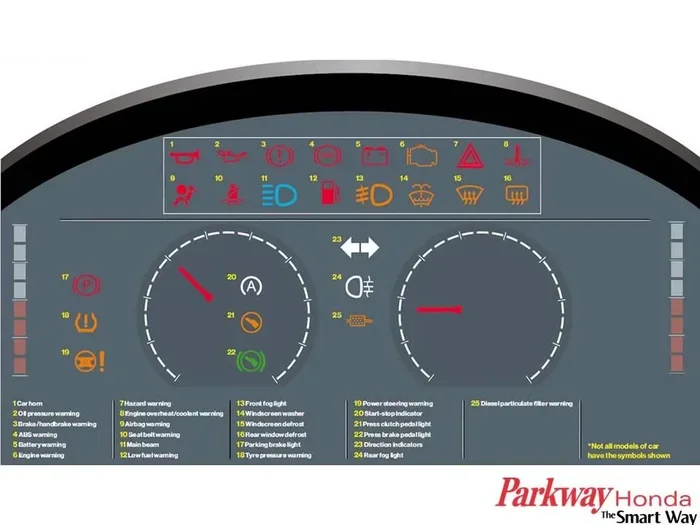
The most common sign of a failing O2 sensor is the check engine light on your dashboard. When a sensor sends abnormal readings to the ECU, the computer stores a diagnostic trouble code, or DTC. These codes often start with P0130 or P0170, depending on which sensor is affected.
If your check engine light comes on, do not ignore it. Use an OBD-II scanner to read the codes. This will tell you exactly which sensor is causing the problem. Many auto parts stores offer free code reading, so take advantage of that service.
Poor Fuel Economy
A failing O2 sensor can send incorrect data to the ECU. This causes the engine to inject too much or too little fuel. The result is poor fuel economy. You may notice that you are filling up your tank more often than usual. If your Nissan Sentra is suddenly getting fewer miles per gallon, a bad O2 sensor could be the culprit.
Think about it this way. If the sensor thinks the mixture is too lean when it is not, the ECU will add extra fuel. That extra fuel goes straight out of your pocket. Fixing the sensor can often restore your fuel economy to normal levels.
Rough Idle or Stalling
Another common symptom is a rough or uneven idle. Your car may shake or vibrate when sitting at a stoplight. In more severe cases, the engine may stall completely. This happens because the incorrect fuel mixture disrupts the smooth combustion process inside the engine cylinders.
If you notice your Sentra idling roughly, do not wait to get it checked. A simple sensor replacement is much cheaper than repairing engine damage caused by a prolonged rich or lean condition.
Failed Emissions Test
Your O2 sensors play a direct role in controlling your car’s emissions. A bad sensor can cause your vehicle to produce higher levels of harmful pollutants. If your Nissan Sentra fails an emissions test, a faulty O2 sensor is one of the first things a mechanic will check.
Replacing the bad sensor often solves this problem quickly. Just make sure to clear the codes after replacement and drive the car for a bit to let the ECU recalibrate.
Rotten Egg Smell from the Exhaust
Have you noticed a sulfur or rotten egg smell coming from your exhaust? This can be a sign of a rich fuel mixture caused by a failing O2 sensor. When too much fuel enters the exhaust system, it does not fully burn. The unburned fuel creates that distinctive smell.
If you notice this odor, get your sensors checked as soon as possible. Prolonged rich conditions can damage your catalytic converter, which is an expensive repair.
How to Replace O2 Sensors on a Nissan Sentra
Replacing an O2 sensor on a Nissan Sentra is a task many car owners can handle themselves. With the right tools and a little patience, you can save hundreds of dollars in labor costs. Here is a step-by-step guide to help you through the process.
Tools You Will Need
Before you start, gather the right tools. You will need an O2 sensor socket or wrench, which is typically a 22mm or 24mm size. An open-end wrench can also work in a pinch. You will also need a ratchet, penetrating oil like WD-40, a new O2 sensor, and a basic set of car maintenance tools like gloves and safety glasses.
For Nissan models, you may want to check whether Does Nissan Use Metric Or Standard Tools for your specific model. Most Sentra sensors use standard-sized wrenches, but it is always good to double-check.
Step-by-Step Replacement Process
Here is how to replace an O2 sensor on your Nissan Sentra:
- Start by locating the sensor you need to replace. Refer to your owner’s manual for the exact oxygen sensor location.
- Spray penetrating oil on the sensor’s mounting bolt. Let it sit for 10 to 15 minutes. This will help break up any rust or corrosion.
- Disconnect the electrical connector from the sensor. Squeeze the tab and gently pull it free.
- Using the O2 sensor socket, twist the old sensor counterclockwise to remove it. If it is stuck, be patient and apply more penetrating oil.
- Compare the old sensor to the new one to make sure they match.
- Screw in the new sensor by hand first to avoid cross-threading. Then tighten it with the socket wrench. Do not overtighten.
- Reconnect the electrical connector.
- Clear any diagnostic trouble codes with an OBD-II scanner.
- Start the engine and let it idle for a few minutes. Check for any new codes or warning lights.
Following these steps carefully will help ensure a clean and successful replacement. Take your time and do not force anything that feels stuck.
When to Call a Professional
While replacing an O2 sensor is doable at home, some situations call for a professional. If the sensor is deeply corroded or stuck, you may risk damaging the exhaust pipe. In that case, it is best to visit a trusted mechanic. Also, if you are uncomfortable working underneath your car, a professional can handle the job safely and quickly.
Keep in mind that labor costs for O2 sensor replacement are usually reasonable. Most mechanics charge between $50 and $150 for the job, depending on the sensor’s location and your local rates.
Tips for Keeping Your O2 Sensors Healthy
Prevention is always better than cure. You can take simple steps to keep your O2 sensors working well for a long time. Here are some practical tips every Nissan Sentra owner should follow.
Use Quality Fuel
The fuel you put in your car directly affects your O2 sensors. Low-quality fuel can contain contaminants that coat the sensor tip and reduce its accuracy. Whenever possible, use top-tier gasoline from reputable stations. This simple habit can significantly extend the life of your sensors.
You might also want to check whether Can A Nissan Altima Use Unleaded 88 Gas for fuel recommendations on related Nissan models. Using the right fuel type is a great way to protect your entire fuel system, including the sensors.
Address Oil and Coolant Leaks Promptly
Oil and coolant can contaminate O2 sensors if there is a leak in the engine. If you notice any fluid leaks under your car, get them fixed right away. Even small leaks can introduce contaminants into the exhaust system and damage your sensors over time.
Stay on Top of Regular Maintenance
Regular car maintenance goes a long way in protecting your O2 sensors. Stick to your Nissan’s recommended service schedule. Change your spark plugs, air filters, and engine oil on time. A well-maintained engine produces cleaner exhaust, which puts less stress on the sensors.
Also, pay attention to how far you can drive on a near-empty tank. If you are curious about your fuel range, check out How Far Past Empty Can A Car Go for helpful information on managing your fuel levels wisely.
Avoid Short Trips When Possible
Short trips that do not allow your engine to fully warm up can cause carbon buildup on the O2 sensors. When you can, combine errands into longer trips. This gives your engine time to reach optimal operating temperature and burn off any buildup.
Common Mistakes People Make With O2 Sensors
Even well-meaning car owners can make mistakes when dealing with O2 sensors. Here are a few common ones to avoid.
- Replacing sensors without diagnosing the real problem. A check engine light does not always mean a bad O2 sensor. Other issues like vacuum leaks or fuel pressure problems can trigger the same codes. Always diagnose first.
- Using the wrong sensor for your model. Not all O2 sensors are the same. Make sure you purchase the correct sensor for your specific Nissan Sentra model year and engine type.
- Overtightening the new sensor. O2 sensors are made of delicate materials. Overtightening can crack the sensor body or damage the threads in the exhaust pipe.
- Ignoring downstream sensor codes. Some owners only replace the upstream sensor and ignore the downstream one. Both are important for proper engine function and emissions control.
- Delaying replacement. A failing sensor will not fix itself. The longer you wait, the more damage it can cause to other components like the catalytic converter.
How Much Does O2 Sensor Replacement Cost?
The cost of replacing an O2 sensor on a Nissan Sentra varies depending on several factors. The sensor itself typically costs between $20 and $100 per unit, depending on the brand and quality. If you hire a mechanic for the labor, expect to pay an additional $50 to $150 per sensor.
If you have two sensors replaced, the total cost usually ranges from $140 to $500. Doing the replacement yourself can cut the cost in half or more. The parts are widely available at auto parts stores and online retailers.
Keep in mind that these are general estimates. Prices can vary based on your location, the specific sensor needed, and the complexity of the job. Always get a quote before committing to a repair.
Final Thoughts
Understanding how many O2 sensors your Nissan Sentra has is more than just trivia. It is practical knowledge that can help you maintain your car and avoid costly repairs. Whether your Sentra has two sensors or four, each one plays a vital role in keeping your engine running smoothly and your emissions in check.
If you have noticed any warning signs like a check engine light, poor fuel economy, or rough idling, do not ignore them. A quick diagnostic check can reveal whether an O2 sensor is the problem. And if it is, replacing it is usually a straightforward and affordable fix.
Take care of your sensors, and they will take care of your engine. Your Nissan Sentra will reward you with reliable performance and great fuel economy for years to come.
Frequently Asked Questions
How often should O2 sensors be replaced on a Nissan Sentra?
Most O2 sensors on a Nissan Sentra last between 60,000 and 100,000 miles. However, their lifespan can be shortened by poor fuel quality, oil leaks, or engine problems. Regular car maintenance and using quality fuel can help extend their life. If you notice any warning signs, have the sensors checked even if they are within the recommended mileage range.
Can I drive my Nissan Sentra with a bad O2 sensor?
Yes, you can drive short distances with a failing O2 sensor, but it is not recommended. A bad sensor can cause poor fuel economy, rough running, and increased emissions. Over time, it can also damage your catalytic converter, which is a much more expensive repair. Have the sensor replaced as soon as possible to avoid further damage.
Is it hard to replace an O2 sensor on a Nissan Sentra?
For most people, replacing an O2 sensor is a manageable DIY task. You need basic tools like an O2 sensor socket and a ratchet. The sensors are usually accessible on the exhaust pipe. If a sensor is stuck or hard to reach, a professional mechanic can handle the job quickly. Always apply penetrating oil and be gentle to avoid breaking the sensor.
What happens if I don’t replace a bad O2 sensor?
Ignoring a bad O2 sensor can lead to several problems. Your engine may run rich or lean, causing poor performance and wasted fuel. The unburned fuel can damage your catalytic converter over time. You may also fail emissions testing. In short, a small sensor problem can turn into a big and expensive repair if you do not address it promptly.
How much does an O2 sensor cost for a Nissan Sentra?
The O2 sensor itself typically costs between $20 and $100 per unit, depending on the brand and model year. Labor costs at a repair shop range from $50 to $150 per sensor. If you replace the sensor yourself, you only pay for the part. Aftermarket sensors are available and can save you money, but OEM sensors from Nissan are often the most reliable choice.
Can a dirty O2 sensor be cleaned instead of replaced?
Some people try cleaning O2 sensors with specialized cleaners, but this is not always effective. The sensor’s internal components are delicate and can be damaged by cleaning attempts. In most cases, replacing a dirty or failing sensor is the best and most reliable solution. Prevention through good fuel quality and regular maintenance is always better than trying to clean a worn-out sensor.