Honda Accord Wont Start: Complete Troubleshooting Guide
When your Honda Accord won’t start, it can ruin your entire day. This complete troubleshooting guide walks you through every common cause, from dead batteries to faulty starter motors. You will learn how to diagnose the problem yourself and know exactly when to call a professional.
There is nothing worse than turning the key or pressing the button and hearing nothing. Your Honda Accord won’t start, and you have somewhere to be. Whether it is a cold morning or a hot afternoon, a car that refuses to turn over can throw your whole day off track. The good news is that most reasons a Honda Accord won’t start are easy to diagnose. You do not need to be a mechanic to figure out what is going on. This guide will take you step by step through every common cause and show you exactly what to do. We will cover batteries, key fobs, fuel systems, starter motors, and much more. By the end, you will know how to fix the problem or at least describe it to a mechanic with confidence.
Honda Accords are known for reliability, but even the best cars have bad days. The Honda Accord has been one of the most popular sedans for decades, and millions of drivers depend on it daily. With that popularity comes a wealth of shared knowledge about common problems. Most Honda Accord won’t start situations fall into a few clear categories. Once you understand these categories, you can narrow down the cause quickly. Let us dive into the most common reasons your Honda Accord will not start and what you can do about each one.
Key Takeaways
- Dead battery is the #1 culprit: Most Honda Accord no-start issues come from a weak or dead battery that needs a jump or replacement.
- Key fob problems are sneaky: A low key fob battery can prevent push-button start systems from recognizing your car.
- Starter motor failure feels distinct: You will hear a clicking sound with no engine crank when the starter goes bad.
- Fuel system issues get overlooked: A clogged fuel filter or failing fuel pump can leave your Honda Accord unable to fire up.
- Preventive maintenance saves you: Regular battery checks and timely part replacements keep your Honda Accord running strong.
- Know when to call a pro: Some problems need a trained mechanic, especially electrical or computer-related faults.
📑 Table of Contents
- Common Reasons Your Honda Accord Won’t Start
- Key Fob and Push-Button Start Troubleshooting
- Fuel and Ignition System Problems
- When to Seek Professional Help
- Preventive Maintenance to Avoid Starting Problems
- Quick Tips for Emergency Situations
- Understanding Your Honda Accord’s Starting System
- Final Thoughts
Common Reasons Your Honda Accord Won’t Start
When your Honda Accord won’t start, the cause usually fits into one of several buckets. Each one has its own warning signs. Learning to spot these signs can save you time and money. Below, we break down the most frequent reasons in detail.
Dead or Weak Battery
The battery is the most common reason any car will not start, and the Honda Accord is no different. A dead battery means your car has no power to crank the engine. You might hear a slow click or nothing at all when you turn the key. This is the classic Honda Accord not starting scenario. Batteries usually last three to five years, but cold weather can shorten their life significantly. If you left a light on overnight, the battery could be completely drained.
Here are signs your Honda Accord battery is dying:
- Slow engine crank: The engine turns over slowly or struggles to catch.
- Dim headlights: Your lights are noticeably dimmer than usual.
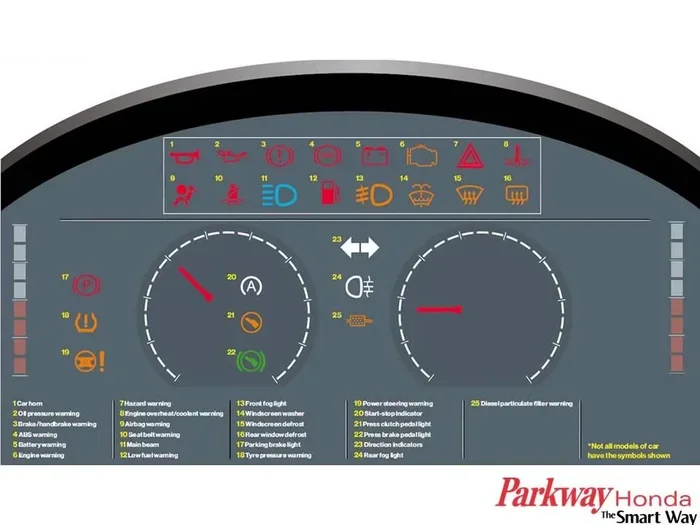
- Dashboard warning light: A battery-shaped light appears on your dashboard.
- Corroded terminals: You see white or blueish buildup on the battery posts.
To fix a dead battery, you can try jump-starting your car. If you do not have jumper cables, a roadside service like AAA can help. Many people wonder, can AAA jump start a Prius or other hybrid? The answer is yes, AAA can assist with most vehicles including hybrids. For a Honda Accord, a standard jump start works the same way. Connect the cables to the positive and negative terminals, let the good battery charge yours for a few minutes, and then try starting your car. If the battery keeps dying, it is time for a replacement.
Ignition Switch Problems
The ignition switch is the part that sends power from the battery to the engine. When this part wears out, your Honda Accord won’t start even if the battery is fine. You might notice the dashboard lights flicker or the engine does not respond at all when you turn the key. Older Honda Accords are more prone to ignition switch wear, but any model can experience this issue over time.
Signs of a failing ignition switch include:
- The engine does not crank when you turn the key.
- The accessories work but the engine will not start.
- The key feels loose or sticks in the ignition.
- You need to wiggle the key to get it to work.
If you suspect the ignition switch, have a mechanic test it. Replacing an ignition switch is usually an affordable repair. Do not ignore this problem, because a completely failed switch will leave you stranded.
Starter Motor Failure
The starter motor is what actually cranks the engine when you turn the key or push the button. When the starter goes bad, your Honda Accord will not start no matter how hard you try. A telltale sign is a single loud click when you turn the key. The click comes from the starter solenoid trying to engage but failing.
Starter motor issues can happen for several reasons:
- Worn starter gears: The gears that mesh with the engine flywheel wear down over time.
- Electrical failure: The internal wiring of the starter burns out.
- Oil leaks: Oil leaking onto the starter can cause it to fail.
A failing starter motor usually needs to be replaced entirely. This is a job best left to a professional unless you have experience with car repairs. The cost typically ranges from $300 to $500 for parts and labor.
Key Fob and Push-Button Start Troubleshooting
Many newer Honda Accords come with push-button start systems. These are convenient, but they can also cause confusing problems. If your Honda Accord won’t start and you have a keyless entry system, the issue might be simpler than you think.
Key Fob Battery Issues
The key fob sends a signal to your car to allow it to start. When the fob battery dies, the car does not recognize the key. This is one of the most overlooked reasons a Honda Accord won’t start. You can still start the car in most models by placing the fob directly against the start button or in a specific spot on the steering column. Check your owner’s manual for the exact location.
Replacing the key fob battery is easy and cheap. Most Honda Accords use a small CR2032 battery. You can swap it out in seconds with a small flathead screwdriver. Keep a spare battery in your glove box so you are never caught off guard.
For more information on starting cars without a traditional key, you can read our guide on how do you start a keyless car without a key. This covers general keyless start systems that apply to many vehicles.
Immobilizer System Problems
Modern Honda Accords have an immobilizer system that prevents the engine from starting unless the correct key is recognized. This is a security feature that works great when it works, but it can cause headaches when it does not. If the immobilizer does not recognize your key, the Honda Accord won’t start even with a fully charged battery and good fuel.
Common immobilizer issues include:
- The key chip is damaged or worn out.
- The antenna ring around the ignition is faulty.
- The car’s computer needs a reset.
- Water damage has affected the key or reader.
If you suspect an immobilizer problem, try using a spare key. If the spare key works, the issue is with the original key’s chip. If neither key works, the problem might be with the car’s reader or computer system. A dealership or qualified mechanic can reprogram or replace these parts.
Fuel and Ignition System Problems
Your Honda Accord needs fuel and spark to run. When either system fails, the car will not start. These problems can be tricky to diagnose, but there are clear clues to watch for.
Fuel Pump Failure
The fuel pump sends gasoline from the tank to the engine. When the pump fails, your Honda Accord won’t start because the engine is not getting fuel. This is a serious issue that usually requires professional repair. A failing fuel pump often gives warning signs before it completely dies.
Watch for these fuel pump symptoms:
- The engine sputters or stalls at high speeds.
- You notice a loss of power when carrying a heavy load.
- The car struggles to start after sitting for a while.
- You hear a whining noise coming from the fuel tank area.
If the fuel pump has completely failed, you will need to have it replaced. The cost for a Honda Accord fuel pump replacement typically runs between $400 and $800 depending on the model year. To prevent fuel pump problems, try to keep your tank at least a quarter full at all times. Running the tank too low can overheat the pump and shorten its life.
Spark Plug and Ignition Coil Issues
Spark plugs ignite the fuel in your engine’s cylinders. When spark plugs are worn or fouled, the engine may crank but not fire up. Ignition coils send the electrical spark to each spark plug, and when a coil fails, that cylinder stops working. In some cases, a failed coil can prevent the engine from starting at all.
Here is how to know if your spark plugs or coils are the problem:
- The engine cranks normally but will not fire.
- The check engine light is on.
- The car runs rough or misfires before it stops starting.
- You notice a strong fuel smell when trying to start the car.
Replacing spark plugs is one of the easiest maintenance tasks you can do yourself. Honda recommends checking and replacing spark plugs every 30,000 to 100,000 miles depending on the type. Ignition coils are a bit more involved but still manageable for most DIYers. You can find the right parts for your specific Honda Accord year by checking your owner’s manual or an online parts catalog.
Fuel Filter Clog
A clogged fuel filter restricts the flow of gas to the engine. Over time, dirt and debris build up in the filter, and eventually it can block fuel completely. When this happens, your Honda Accord won’t start or struggles to run. Fuel filter replacement is a relatively inexpensive fix that can save you from bigger problems down the road.
Most Honda Accords need a fuel filter change every 30,000 to 60,000 miles. If you have not replaced yours recently and your car is having starting issues, this could be the cause. Ask your mechanic to check the filter during your next oil change to stay ahead of the problem.
When to Seek Professional Help
Not every Honda Accord won’t start situation is a DIY fix. Some problems require special tools, training, or access to manufacturer-specific diagnostic equipment. Knowing when to call for help can save you time and prevent costly mistakes.
You should see a professional if:
- The engine cranks but will not fire, and you have confirmed fuel and spark.
- The check engine light is flashing, which indicates a serious issue.
- You smell gasoline or notice a fuel leak.
- The car started fine yesterday but now shows no signs of life.
- You have tried the basic fixes and the Honda Accord still will not start.
A mechanic can run a diagnostic scan to read error codes from your car’s computer. These codes point directly to the problem area. Many auto parts stores offer free diagnostic scans, so you can get a head start before visiting a repair shop. If your Honda Accord is still under warranty, check with your dealer first. You might also wonder about taking your Honda to a non-Honda shop. For Acura owners, you might ask, can I take my Acura to a Honda dealership? The same principle applies to Honda vehicles as well.
Preventive Maintenance to Avoid Starting Problems
The best way to deal with a Honda Accord that won’t start is to prevent the problem in the first place. Regular maintenance keeps all systems working properly and catches small issues before they become big ones.
Here is a simple maintenance checklist to follow:
- Check your battery every six months. Look for corrosion on the terminals and test the voltage. A healthy battery should read around 12.6 volts.
- Replace the key fob battery annually. Do not wait until it dies completely. A proactive swap prevents unexpected lockouts.
- Change spark plugs on schedule. Follow the intervals in your owner’s manual to keep the ignition system running smoothly.
- Keep your fuel tank above a quarter full. This protects the fuel pump and ensures consistent fuel delivery.
- Replace the fuel filter every 30,000 to 60,000 miles. A clean filter means proper fuel flow to the engine.
- Listen to your car. Unusual sounds, slow cranking, or dashboard warnings are early signals. Address them quickly before they turn into no-start situations.
Following this maintenance routine will keep your Honda Accord reliable for years. Even with the best care, cars can develop problems, so always keep a basic emergency kit in your trunk. Jumper cables, a spare key fob battery, and a flashlight can get you out of many sticky situations.
Quick Tips for Emergency Situations
Sometimes your Honda Accord won’t start at the worst possible moment. Here are some quick tips to handle the situation calmly:
- Stay calm and assess the situation. Is the dashboard lit? Do you hear any sounds when you turn the key? These clues help narrow down the cause.
- Try the spare key. If your primary key fob has failed, the spare might work just fine.
- Check the gear position. Some Honda Accords will not start unless the transmission is in Park or Neutral.
- Turn the steering wheel gently while turning the key. If the steering wheel is locked, it can prevent the ignition from turning.
- Call for roadside assistance. If you cannot fix the problem yourself, a professional service can get you back on the road quickly.
These simple tips can save you in a pinch. Keep them in mind the next time your Honda Accord refuses to cooperate.
Understanding Your Honda Accord’s Starting System
To truly troubleshoot a Honda Accord that won’t start, it helps to understand how the starting system works. When you turn the key or press the start button, a sequence of events must happen in the right order.
- The key fob or ignition key sends a signal to the car’s computer.
- The computer verifies the key is authorized and allows the system to engage.
- Battery power flows to the starter motor.
- The starter motor cranks the engine.
- Fuel and spark ignite the engine cylinders.
- The engine runs on its own.
When any step in this sequence fails, the Honda Accord won’t start. The troubleshooting process is simply about finding which step broke down. Once you identify the broken link, you can focus on the right fix. This systematic approach makes diagnosing starting problems much easier, even if you are not a car expert.
Honda Accord reliability is well-documented across the automotive community. According to long-term owner surveys and Consumer Reports data, the Honda Accord consistently ranks among the most dependable sedans on the road. However, even the most reliable vehicles experience problems over time. The key is knowing what to look for and how to respond. Regular maintenance and prompt attention to warning signs will keep your Honda Accord running strong for many miles to come.
Final Thoughts
A Honda Accord that won’t start is stressful, but it is rarely a hopeless situation. In most cases, the cause is simple and fixable. A dead battery, a weak key fob, or a clogged fuel filter are all problems you can address yourself with basic tools and a little knowledge. More serious issues like a failed starter motor or fuel pump will need a mechanic, but even those are well-understood repairs with predictable costs.
The Honda Accord is a durable and well-engineered vehicle. When problems do arise, they tend to follow predictable patterns. By understanding these patterns and staying on top of maintenance, you can avoid most starting problems altogether. The next time your Honda Accord won’t start, stay calm, work through this guide step by step, and you will be back on the road in no time.
Frequently Asked Questions
Why won’t my Honda Accord start even though the battery is good?
If your battery tests fine but your Honda Accord won’t start, the issue is likely in the starting or ignition system. Check the starter motor, ignition switch, or key fob battery first. A bad starter motor or a failing ignition switch can prevent your car from starting even with a fully charged battery.
How much does it cost to fix a Honda Accord that won’t start?
The cost depends entirely on the cause. A battery replacement typically costs $100 to $200. A starter motor replacement runs $300 to $500. Fuel pump repairs can range from $400 to $800. Ignition switch replacements are usually $150 to $300. Always get a quote from a trusted mechanic before authorizing major repairs.
Can a dead key fob battery prevent my Honda Accord from starting?
Yes, absolutely. A dead key fob battery is one of the most common reasons a Honda Accord with push-button start will not start. The car cannot recognize the key and refuses to engage the starting system. Replacing the small CR2032 battery in your fob usually solves this problem immediately.
What should I do if my Honda Accord clicks but won’t start?
A clicking sound usually points to a weak battery or a failing starter motor. Try jump-starting the car first. If the click continues but the engine still will not crank, the starter motor is likely the culprit. Have a mechanic inspect the starter and replace it if needed.
How can I prevent my Honda Accord from not starting in the future?
Regular maintenance is your best defense. Replace the battery every three to five years, change spark plugs on schedule, keep your fuel tank above a quarter full, and replace the key fob battery annually. Staying on top of these simple tasks will prevent most Honda Accord starting problems before they happen.
Is it safe to drive a Honda Accord that has had starting problems?
It depends on the cause. If the issue was a dead battery and you have successfully jump-started the car, it is generally safe to drive. However, if the problem involves the fuel system or ignition system, driving could be risky. Have the car inspected by a professional before relying on it for daily driving if the root cause has not been identified and fixed.
=== CONCLUSION ===
A Honda Accord that won’t start can be caused by many different things, but most of them are easy to diagnose and fix. Start with the simplest explanations, like a dead battery or a weak key fob, and work your way up to more complex issues like fuel pump failure or starter motor problems. This troubleshooting approach saves you time and money. Keep up with regular maintenance, and your Honda Accord will continue to be the reliable daily driver you count on. When in doubt, do not hesitate to consult a professional mechanic. A little preventive care goes a long way toward keeping your Honda Accord running strong for years to come.