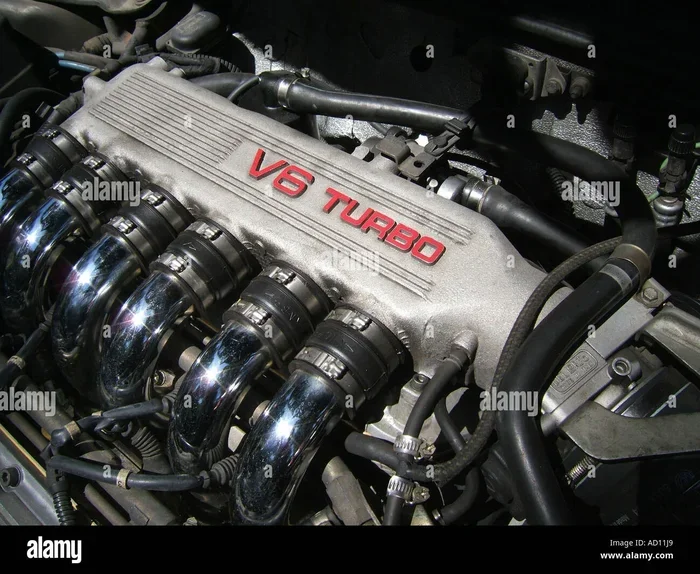
How Many Miles Will a 35 V6 Engine Last and Beyond
A 3.5 V6 engine can last between 200,000 and 300,000 miles with proper care. Factors like maintenance habits, driving conditions, and fuel quality play a huge role in determining how many miles your 3.5 V6 engine will last. Regular oil changes, timely belt replacements, and smart driving choices can push your engine well past the 250,000-mile mark.
A 3.5 V6 engine is one of the most popular powerplants found in modern vehicles. Whether you drive a Toyota, Honda, Ford, or Chevy, there is a good chance your car runs on this configuration. But the real question every car owner asks is: how many miles will a 35 V6 engine last?
The answer is not a single number. It depends on how you drive, how well you maintain it, and what kind of conditions you put it through. In this guide, we break down everything you need to know about V6 engine lifespan, what shortens or extends it, and how you can get the most miles out of your engine.
Key Takeaways
- Lifespan Range: A well-maintained 3.5 V6 engine typically lasts 200,000 to 300,000 miles or more.
- Maintenance Matters: Consistent oil changes, coolant flushes, and belt inspections are the biggest factors in engine longevity.
- Driving Habits Count: Avoiding excessive idling, harsh acceleration, and overheating significantly extends engine life.
- Fuel Quality: Using the right fuel and keeping your tank clean prevents internal damage and carbon buildup.
- Timing Belt Is Critical: Replacing the timing belt on schedule can prevent catastrophic engine failure.
- Know the Warning Signs: Catching early symptoms like misfires, coolant leaks, or unusual noises saves thousands in repairs.
📑 Table of Contents
- Understanding the 3.5 V6 Engine
- How Many Miles Will a 35 V6 Engine Last?
- Common Problems That Shorten a 3.5 V6 Engine’s Life
- How to Extend Your 3.5 V6 Engine’s Life
- Real-World Longevity: What Owners Are Reporting
- When to Consider an Engine Rebuild or Replacement
- Quick Tips for 3.5 V6 Engine Owners
- Conclusion
Understanding the 3.5 V6 Engine
The 3.5-liter V6 engine has become a staple in the automotive world. It offers a great balance of power, efficiency, and smoothness. Unlike a four-cylinder engine, the V6 configuration provides more torque and a smoother ride. That is why so many manufacturers choose it for sedans, SUVs, and trucks.
But power and smoothness do not automatically mean durability. The 3.5 V6 engine has specific design features that affect how long it will run. Understanding these basics helps you make smarter decisions about maintenance and driving habits.
What Makes a V6 Engine Different?
A V6 engine has six cylinders arranged in a V shape. This design is more compact than a straight-six but provides more power than a four-cylinder. The 3.5-liter displacement means each cylinder displaces about 0.58 liters of fuel and air per cycle.
Here are some key features of the 3.5 V6 design:
- Six cylinders for balanced power delivery
- Dual overhead cams in most modern designs
- Aluminum block in many newer models for weight savings
- Variable valve timing for better efficiency
- Direct or port fuel injection depending on the model
Each of these features plays a role in how long the engine will last. For example, aluminum blocks run cooler but can be more prone to warping under extreme heat. Direct injection can cause carbon buildup on intake valves over time.
Compared to a 3 cylinder engine car, the V6 offers more refinement and durability. However, it also has more moving parts, which means more things that can wear out over time.
How Many Miles Will a 35 V6 Engine Last?
So, what is the real number? Most 3.5 V6 engines are engineered to last between 200,000 and 300,000 miles. Some well-maintained examples have even surpassed 350,000 miles. But this is not guaranteed for every vehicle.
The average driver puts about 13,000 to 15,000 miles on their car per year. At that rate, a 35 V6 engine that lasts 250,000 miles could serve you for 16 to 19 years. That is a long time, but it requires consistent care.
Factors That Determine Engine Lifespan
Several factors influence how many miles your engine will actually last. Let us look at the most important ones.
1. Maintenance Schedule
This is the single biggest factor. Cars that follow a strict maintenance schedule almost always outlive those that do not. Oil changes, coolant flushes, and transmission services all contribute to engine health.
2. Driving Conditions
Stop-and-go city driving is harder on an engine than steady highway cruising. Extreme temperatures, both hot and cold, also take a toll. If you live in a place with harsh winters or scorching summers, your engine works harder.
3. Fuel Quality
Using low-quality or contaminated fuel can cause serious damage over time. How long can gas sit in a car before going bad? Gas can start to degrade after three to six months of sitting. Old fuel causes deposits that clog injectors and harm internal components.
4. Driving Habits
Aggressive driving, frequent hard starts, and excessive idling all shorten engine life. Smooth, steady driving reduces wear on internal components.
5. Manufacturing Quality
Not all 3.5 V6 engines are created equal. Toyota and Honda engines are known for exceptional longevity. Some other brands have had more reliability issues with their V6 designs.
| Factor | Impact on Lifespan | How to Improve |
|---|---|---|
| Maintenance Schedule | High | Follow factory service intervals strictly |
| Driving Conditions | Medium | Avoid extreme heat and stop-and-go when possible |
| Fuel Quality | Medium | Use top-tier fuel and avoid running on empty |
| Driving Habits | Medium | Drive smoothly and warm up the engine gently |
| Manufacturing Quality | Low (you cannot control this) | Choose reliable brands and models |
Common Problems That Shorten a 3.5 V6 Engine’s Life
Every engine has its weak points. The 3.5 V6 is no exception. Knowing these common issues helps you catch problems early before they cause major damage.
Oil Consumption Issues
Some 3.5 V6 engines are known to consume oil faster than others. This is especially common in older models with higher mileage. If you notice your oil level dropping between changes, it is time to investigate. Ignoring oil consumption can lead to low oil pressure, which causes engine wear and even failure.
Timing Belt Wear
The timing belt is one of the most critical components in a V6 engine. If it fails, the engine can suffer catastrophic damage. At what mileage should a timing belt be replaced on a Toyota Camry? Most manufacturers recommend replacing it between 60,000 and 100,000 miles. Always check your specific owner’s manual for the exact interval.
Coolant Leaks and Overheating
Overheating is the enemy of any engine. Coolant leaks, a faulty thermostat, or a failing water pump can all cause your engine to run too hot. Even brief overheating episodes can warp the cylinder head and cause expensive repairs.
Carbon Buildup
Direct injection engines are particularly prone to carbon buildup on the intake valves. This buildup reduces performance and fuel efficiency over time. Regular intake valve cleaning or using fuel additives can help manage this issue.
Ignition System Failures
Worn spark plugs and failing ignition coils cause misfires. A persistent misfire can damage the catalytic converter and increase emissions. If your check engine light comes on, do not ignore it. Can I drive my Toyota Camry with the check engine light on? It is risky and can lead to further engine damage if the underlying issue is not addressed.
How to Extend Your 3.5 V6 Engine’s Life
The good news is that you have a lot of control over how long your engine lasts. Following a few simple practices can add tens of thousands of miles to your engine’s life.
Stick to Regular Oil Changes
Oil is the lifeblood of your engine. It lubricates moving parts, reduces friction, and carries heat away from critical components. Changing your oil on schedule is the single best thing you can do for engine longevity.
Most manufacturers recommend oil changes every 5,000 to 7,500 miles for conventional oil. Synthetic oil can extend this interval to 7,500 to 10,000 miles. Using the right oil weight, such as 5W-30 or 5W-20, is also important.
Keep Up with Coolant Services
Coolant does more than just prevent freezing. It also protects against corrosion and helps regulate engine temperature. Flush and replace your coolant according to the manufacturer’s schedule, typically every 30,000 to 60,000 miles.
Replace the Timing Belt on Time
This cannot be stressed enough. A broken timing belt can destroy a V6 engine in seconds. Do not wait until you see cracks or hear rattling. Replace it proactively according to the service schedule.
Use Quality Fuel and Additives
Top-tier gasoline contains better detergents that keep your fuel system clean. Consider using a fuel system cleaner every 10,000 to 15,000 miles to prevent carbon buildup and keep your injectors flowing smoothly.
Monitor Your Fluids
Regularly check your oil, coolant, transmission fluid, and brake fluid. Low fluid levels are often early warning signs of leaks or component wear. Catching these early can prevent bigger problems down the road.
Drive Smart
Avoid revving the engine when it is cold. Let it warm up gently for 30 to 60 seconds before driving. Accelerate smoothly and avoid riding the brakes. These small habits add up to significant engine savings over the years.
Address Warning Signs Immediately
Unusual noises, vibrations, warning lights, or changes in performance should never be ignored. The longer you wait, the worse and more expensive the repair becomes. If something feels off, get it checked out right away.
Real-World Longevity: What Owners Are Reporting
Real-world data gives us a clearer picture of what to expect. Many owners report their 3.5 V6 engines running strong well past the 200,000-mile mark.
Toyota and Honda vehicles with 3.5 V6 engines are frequently cited for exceptional reliability. Are Toyotas good after 200K miles? Absolutely. Many Toyota owners report their engines running at peak performance even after 250,000 miles with proper maintenance.
Ford’s 3.5 EcoBoost V6 has also shown impressive durability in trucks and SUVs. These engines are designed for heavy towing and hard use, which means they are built tough. However, they also require more attentive maintenance due to the higher stress they endure.
On the other hand, some older 3.5 V6 designs from certain manufacturers have shown more reliability issues. Common problems include oil leaks, thermostat failures, and water pump issues. These are manageable if caught early, but they can become expensive if neglected.
The bottom line is that how many miles your 35 V6 engine will last depends largely on you. The owner who follows the maintenance schedule and drives responsibly will always get more life out of their engine than someone who does not.
When to Consider an Engine Rebuild or Replacement
Even with the best care, engines eventually wear out. So how do you know when it is time to consider a rebuild or replacement?
Signs that your engine may be nearing the end of its life include:
- Excessive oil consumption that cannot be resolved with simple fixes
- Blue or white exhaust smoke indicating burning oil or coolant
- Knocking or tapping noises from deep within the engine
- Loss of compression causing rough running and power loss
- Coolant mixing with oil or oil mixing with coolant
- Metal particles in the oil detected during an oil analysis
If you are facing major engine repairs, you have a few options. A full engine rebuild can restore your existing engine to like-new condition. This is often more affordable than a full replacement but requires a skilled mechanic and significant time.
A used or remanufactured engine swap is another option. This can be cost-effective if you find a low-mileage donor engine from a reliable source. Just make sure the replacement engine is compatible with your vehicle’s model and year.
Sometimes, the cost of repairs exceeds the value of the vehicle. In those cases, it may make more sense to replace the entire car rather than invest in engine repairs.
Quick Tips for 3.5 V6 Engine Owners
- Change your oil every 5,000 to 7,500 miles without fail
- Check your coolant level monthly and top off as needed
- Listen for unusual sounds and investigate immediately
- Keep a maintenance log to track all services and repairs
- Use synthetic oil for better protection and longer intervals
- Replace spark plugs according to the maintenance schedule
- Avoid letting your fuel tank drop below a quarter full
- Warm up the engine gently before driving hard
Conclusion
So, how many miles will a 35 V6 engine last? The answer is in your hands. With proper maintenance, smart driving habits, and prompt attention to warning signs, your 3.5 V6 engine can easily deliver 200,000 to 300,000 miles of reliable service. Some engines go even further.
The key takeaway is that engine longevity is not just about the manufacturer’s design. It is about what you do as the owner. Regular oil changes, timely belt replacements, quality fuel, and attentive driving all contribute to a longer-lasting engine.
Take care of your 3.5 V6 engine, and it will take care of you for years to come. Start today by checking your maintenance schedule and making sure you are on track. Your engine will thank you with many more miles ahead.
Frequently Asked Questions
What is the average lifespan of a 3.5 V6 engine?
A well-maintained 3.5 V6 engine typically lasts between 200,000 and 300,000 miles. Some engines have been known to exceed 350,000 miles with excellent care. Regular maintenance is the biggest factor in reaching these high mileages.
Can a 3.5 V6 engine last 300,000 miles?
Yes, a 3.5 V6 engine can absolutely last 300,000 miles. This requires consistent oil changes, timely belt replacements, quality fuel, and prompt attention to any warning signs. Owners who follow the maintenance schedule closely have the best chance of reaching this milestone.
What causes a 3.5 V6 engine to fail early?
Common causes of early engine failure include neglected oil changes, overheating, timing belt failure, and ignoring warning signs like check engine lights. Poor fuel quality and aggressive driving also contribute to premature wear. Addressing small problems before they grow is essential.
How often should I change the oil in my 3.5 V6 engine?
Most manufacturers recommend oil changes every 5,000 to 7,500 miles for conventional oil. Synthetic oil can extend this interval to 7,500 to 10,000 miles. Always check your owner’s manual for the specific recommendation for your vehicle model.
Is it expensive to rebuild a 3.5 V6 engine?
A full engine rebuild typically costs between $3,000 and $5,000 depending on the vehicle and location. A used engine replacement can range from $4,000 to $8,000 including installation costs. Regular maintenance is far less expensive than either option.
How can I tell if my 3.5 V6 engine is wearing out?
Signs of a wearing engine include excessive oil consumption, unusual knocking or tapping noises, blue or white exhaust smoke, and loss of power. If you notice any of these symptoms, have your engine inspected by a qualified mechanic as soon as possible.