How Long Does Check Engine Light Need Off to Pass Inspection
The check engine light must typically be off for a specific period before your vehicle can pass inspection. Most states require the light to remain off for at least one to two complete drive cycles before the emission test will be passed. Simply turning the light off with a scanner is not enough — the OBD2 system needs time to monitor all engine functions and confirm everything is working properly.
You are heading to your vehicle inspection, and you notice the dreaded check engine light glowing on your dashboard. Your stomach drops. Can you still pass? How long does the check engine light need to be off to pass inspection?
This is one of the most common questions car owners ask before a scheduled inspection. The answer is not as simple as a single number. Several factors determine whether your vehicle will pass, including the reason the light came on in the first place, how long it has been off, and the specific rules in your state.
In this article, we will walk through everything you need to know. We will cover what triggers the light, how long it needs to stay off, common causes, and practical steps you can take to make sure you pass your inspection without stress.
Key Takeaways
- The light must be off for one to two drive cycles before your vehicle can pass an inspection in most states.
- A loose gas cap is one of the most common and easiest fixes for a check engine light.
- You can use an OBD2 scanner to read and clear codes, but the light must stay off for the required period.
- Autozone and other auto parts stores can often read your codes for free before you visit a mechanic.
- Driving patterns matter — highway driving helps complete drive cycles faster than short trips around town.
- A flashing check engine light signals a serious problem and should be addressed immediately.
- Ignoring the light can lead to failed inspections and potentially costly repairs down the road.
📑 Table of Contents
- What Triggers the Check Engine Light
- How Long Does the Check Engine Light Need to Be Off to Pass Inspection
- Common Reasons the Check Engine Light Comes On Before Inspection
- How to Reset the Check Engine Light
- Tips to Pass Your Vehicle Inspection
- When to See a Professional Mechanic
- Key Takeaways
- Conclusion
What Triggers the Check Engine Light
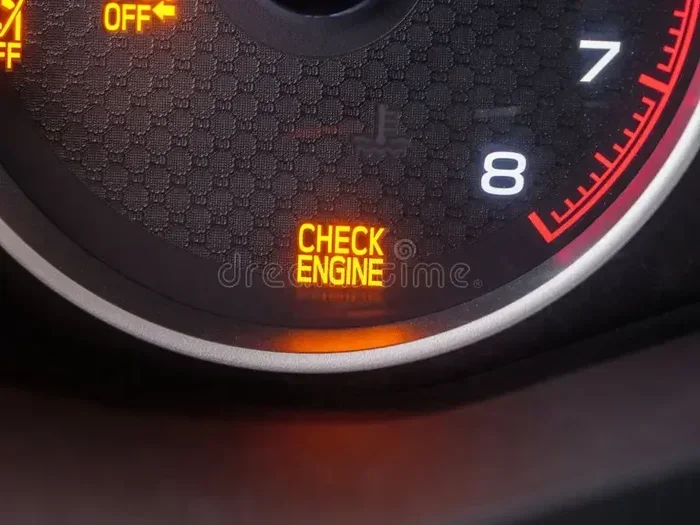
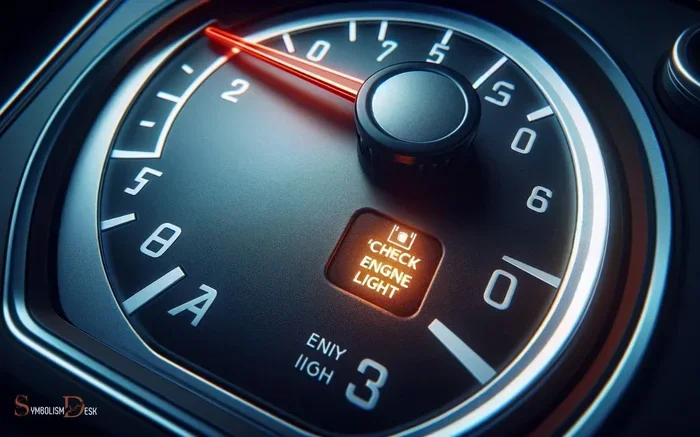
The check engine light is part of your vehicle’s On-Board Diagnostics II system, commonly called OBD2. This system monitors dozens of sensors and components in your engine and exhaust. When something falls outside the expected range, the computer stores a diagnostic trouble code and illuminates the light.
The light can come on for many reasons. Some are minor. Others are serious. Understanding what triggered your light is the first step toward fixing it and passing your inspection.
Minor Causes That Trigger the Light
Some causes are simple and inexpensive to fix. These include:
- A loose or damaged gas cap — this is the most common reason. The cap seals the fuel system. When it is not tight, fuel vapors escape and trigger a code.
- A faulty oxygen sensor — this sensor measures unburned oxygen in your exhaust. Over time, it can wear out and give incorrect readings.
- A worn spark plug or ignition coil — if your engine is misfiring, the sensor will detect it and flag a code.
- Low battery voltage — a weak battery can cause voltage irregularities that the OBD2 system interprets as a problem.
Serious Causes That Trigger the Light
Some causes require immediate attention. These include:
- A failing catalytic converter — this component reduces harmful emissions. When it fails, the light often comes on and stays on.
- Engine misfires — persistent misfires can damage your catalytic converter and increase emissions significantly.
- Mass airflow sensor failure — this sensor tells the computer how much air is entering the engine. A bad reading leads to poor fuel economy and rough running.
- EVAP system leaks — the evaporative emission control system prevents fuel vapors from escaping into the atmosphere. A leak in this system triggers a code.
Knowing the cause matters because it affects how long you need to wait before your inspection. A simple gas cap fix may only require one drive cycle. A catalytic converter issue may take several weeks of proper driving to resolve.
How Long Does the Check Engine Light Need to Be Off to Pass Inspection
This is the question most car owners want answered. The short answer is that the light must be off for at least one to two complete drive cycles before your vehicle can pass an emission inspection in most states.
But what exactly is a drive cycle? A drive cycle is a specific pattern of driving that allows the OBD2 system to test all of its monitors. These monitors check things like fuel trim, oxygen sensor function, catalytic converter efficiency, and evaporative emissions.
Here is a simple breakdown of what happens:
- You clear the code using an OBD2 scanner or by fixing the problem.
- You drive the vehicle through a variety of conditions — city driving, highway driving, idling, and acceleration.
- The OBD2 system runs its monitors and checks whether all systems are operating within normal range.
- If everything passes, the system is ready and the light stays off. Your vehicle can now pass inspection.
Most states require that the check engine light has been off for at least one drive cycle, which typically takes between 50 and 100 miles of mixed driving. Some stricter states or inspection stations may require two complete drive cycles. This means you may need to drive 100 to 200 miles after clearing the code before your inspection.
If you walk into an inspection station with the light just having been cleared, the computer may still be in a “not ready” state. This means the monitors have not completed their tests, and the vehicle will automatically fail the inspection.
What Does “Not Ready” Mean?
When your OBD2 system shows a “not ready” status, it means the vehicle’s emission monitors have not been fully tested. The inspection computer will flag this as a failure. You cannot pass inspection in a “not ready” state.
To move from “not ready” to “ready,” you need to complete the full drive cycle. This is why simply clearing the light the night before your inspection will not work. The system needs real-world driving data to confirm that the problem is resolved.
State-by-State Variations
Inspection rules vary by state. Some states are very strict about the check engine light. Others are more lenient. Here are a few examples:
- California requires the check engine light to be off and all monitors to be in a “ready” state. Even a single “not ready” monitor will cause a fail.
- Texas allows one “not ready” monitor for vehicles under two years old, but all monitors must be ready for older vehicles.
- New York requires all monitors to be ready for the vehicle to pass. Any “not ready” status results in a failed inspection.
Before your inspection, check your state’s specific requirements. You can often find this information on your state’s Department of Motor Vehicles website or by calling your local inspection station.
Common Reasons the Check Engine Light Comes On Before Inspection
Understanding the most common triggers can help you troubleshoot before your inspection date. Many of these issues are easy to fix at home.
The Gas Cap Problem
A loose or faulty gas cap is the number one reason the check engine light comes on. It is also the easiest to fix. Simply tightening the cap until it clicks can resolve the issue within a day or two of driving.
If your gas cap is damaged or the seal is worn, replace it. A new gas cap costs between $10 and $20 and can be found at any auto parts store. After installing it, drive for a few days and check if the light goes off.
Oxygen Sensor Issues
The oxygen sensor is a small device that measures the amount of oxygen in your exhaust. It helps the engine control unit adjust the fuel mixture for optimal combustion. When this sensor fails, your engine may run rich or lean, increasing emissions.
Oxygen sensor codes are common on vehicles with over 60,000 miles. Replacing the sensor typically costs between $100 and $300 depending on the vehicle make and model. After replacement, you will need to complete a drive cycle to reset the monitors.
Catalytic Converter Failure
The catalytic converter is one of the most expensive components to replace. It converts harmful gases like carbon monoxide into less harmful emissions. When it fails, the check engine light comes on and the vehicle will almost certainly fail an inspection.
Common causes of catalytic converter failure include engine misfires, rich fuel mixtures, and oil contamination. If your light is on due to a catalytic converter issue, it is best to address the root cause first. Simply replacing the converter without fixing the underlying problem will lead to the same code returning.
How to Reset the Check Engine Light
Resetting the check engine light is not as simple as turning it off. The light will return if the underlying problem is not fixed. Here are the main methods people use to reset the light.
Method 1: Fix the Problem and Drive It Out
The best approach is to identify and fix the root cause. Once the repair is complete, the OBD2 system will automatically clear the code after completing a drive cycle. This method ensures the problem is truly resolved and the vehicle is ready for inspection.
This is the method most mechanics recommend. It is reliable and gives the OBD2 system time to confirm that all monitors are functioning correctly.
Method 2: Use an OBD2 Scanner
An OBD2 scanner connects to your vehicle’s diagnostic port, which is usually located under the dashboard on the driver’s side. The scanner reads the stored codes and can clear them.
You can buy a basic OBD2 scanner for under $50. More advanced scanners cost more but offer additional features like live data streaming and code definitions.
If you prefer not to buy a scanner, you can visit Autozone or a similar auto parts store. Many of these stores will read your codes for free. However, they may not clear the codes for you, so ask before you go.
After clearing the codes with a scanner, you still need to complete a drive cycle. The light will stay off only if the underlying issue has been resolved.
Method 3: Disconnect the Battery
Some people disconnect the battery to reset the check engine light. This method works by draining the computer’s memory. However, it has significant drawbacks.
Disconnecting the battery will also reset your radio presets, clock, and other electronic settings. In some vehicles, it may cause the transmission to relearn shift patterns, leading to rough shifting for a few hundred miles.
More importantly, disconnecting the battery does not fix the underlying problem. The light may come back within a few days if the issue persists. For this reason, most professionals do not recommend this method.
If you are looking for a more detailed guide on this approach, you can check out this article on clearing the check engine light yourself for step-by-step instructions.
Comparison: Which Reset Method Works Best?
| Method | Cost | Effectiveness | Best For |
|---|---|---|---|
| Fix and Drive | Varies | High — permanent fix | When you know the cause and have repaired it |
| OBD2 Scanner | $20-$200 | Medium — clears code but light may return | Quick reset after repair |
| Battery Disconnect | Free | Low — temporary reset | Emergency situations only |
Tips to Pass Your Vehicle Inspection
Passing your vehicle inspection does not have to be stressful. With a little preparation, you can increase your chances of passing on the first try.
Start Preparing Early
Do not wait until the day before your inspection to deal with the check engine light. Give yourself at least two weeks. This gives you time to diagnose the problem, make repairs, and complete the necessary drive cycles.
If you notice the light a few weeks before your inspection, have the codes read right away. You can visit a local auto parts store or use your own scanner. Once you know the code, you can determine whether it is a quick fix or something that needs professional attention.
Address the Root Cause
Clearing the light without fixing the problem is a waste of time. The light will return, and you will still fail the inspection. Always diagnose the code first, then make the appropriate repair.
Some common repairs that resolve check engine light issues include:
- Tightening or replacing the gas cap
- Replacing spark plugs and ignition coils
- Fixing vacuum leaks in the intake system
- Replacing a faulty oxygen sensor
- Repairing EVAP system leaks
Complete Full Drive Cycles
After making a repair, drive the vehicle for at least 50 to 100 miles of mixed driving. Include city stops, highway cruising, and some idling. This variety of driving conditions allows all the OBD2 monitors to run and complete their tests.
Short trips around the neighborhood may not be enough. The OBD2 system needs specific conditions to activate certain monitors. Highway driving at steady speeds is especially helpful for completing the catalytic converter and oxygen sensor monitors.
Check for Other Issues Before the Inspection
The check engine light is not the only thing that can cause a failed inspection. Before your appointment, check the following:
- Tire tread depth — worn tires can cause a fail
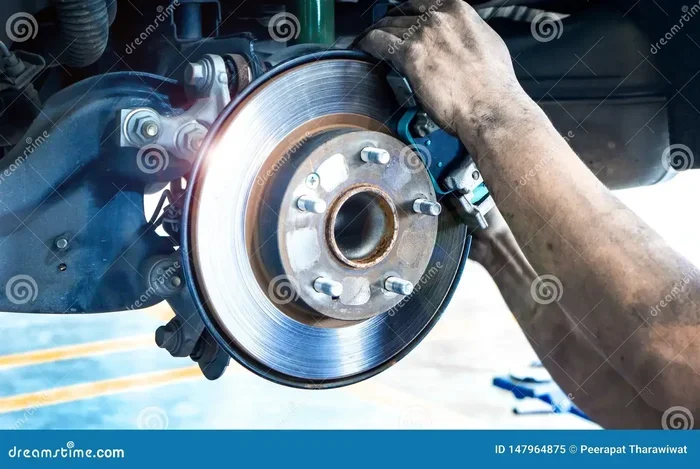
- Brake pads — thin brake pads may need replacement
- Windshield wipers — worn wipers can cause a failed visual inspection
- Lights — make sure all headlights, taillights, and turn signals work
- Horn — a non-functioning horn can fail the inspection
Visit Autozone for a Free Code Read
If you are not sure what is causing your light, Autozone offers free code reading at most of its locations. They can pull up your diagnostic trouble codes and give you a general idea of what the problem might be. This can save you time and money before visiting a mechanic.
When to See a Professional Mechanic
While some check engine light issues are easy to fix, others require professional diagnosis. Here are signs that you should take your vehicle to a mechanic:
- The light is flashing — a flashing check engine light indicates a serious problem, often a misfire that can damage the catalytic converter.
- You experience poor performance — if your vehicle is stalling, surging, or running rough, do not ignore it.
- Multiple codes are present — several codes can indicate a complex issue that needs professional diagnosis.
- The light keeps coming back — if you clear the code and it returns within a few days, there is a persistent problem that needs attention.
- You are unsure of the cause — when in doubt, have a professional read the codes and perform a thorough inspection.
A qualified mechanic has access to advanced diagnostic tools and manufacturer-specific software. They can pinpoint the exact cause of the problem and recommend the right repair. While it costs more than a DIY fix, it can save you time and prevent repeated failed inspections.
If your check engine light is on and you are unsure whether you can still drive your vehicle safely, you may want to read this guide on driving with the check engine light on for more information.
Key Takeaways
- The check engine light must be off for at least one to two drive cycles before your vehicle can pass inspection in most states.
- A loose gas cap is the most common and easiest fix for a check engine light.
- You can use an OBD2 scanner to read and clear codes, but the light must stay off for the required period.
- Autozone and other auto parts stores can often read your codes for free before you visit a mechanic.
- Driving patterns matter — highway driving helps complete drive cycles faster than short trips around town.
- A flashing check engine light signals a serious problem and should be addressed immediately.
- Ignoring the light can lead to failed inspections and potentially costly repairs down the road.
Conclusion
The check engine light is your vehicle’s way of telling you something needs attention. How long it needs to be off before you can pass inspection depends on several factors, including the reason for the light, the repairs made, and your state’s specific inspection rules.
The general rule is that the light must be off for at least one to two complete drive cycles. This typically means driving 50 to 200 miles after the repair is complete. During this time, the OBD2 system runs its monitors and confirms that all emission systems are functioning properly.
The best approach is always to fix the root cause, complete the necessary drive cycles, and then head to your inspection. Rushing the process or simply clearing the light without a repair will almost always lead to a failed inspection.
By following the tips in this guide, you can approach your vehicle inspection with confidence. Take the time to diagnose the problem, make the repair, and give your vehicle enough driving time to get all monitors ready. You will walk into that inspection station prepared and ready to pass.
Frequently Asked Questions
Can I pass inspection if the check engine light is on?
In most states, a vehicle with the check engine light on will automatically fail the emission inspection. The OBD2 system will show that the vehicle is not ready, and the inspector will flag it as a fail. You must fix the underlying issue and complete a drive cycle before the light stays off consistently.
How long after fixing the check engine light can I get my car inspected?
You should wait at least one to two complete drive cycles after fixing the issue. A drive cycle typically takes 50 to 100 miles of mixed driving. This gives the OBD2 system time to run all its monitors and confirm the repair was successful.
What happens if I clear the check engine light the day before my inspection?
The vehicle will likely fail because the OBD2 monitors will still show as “not ready.” The system needs real-world driving data to complete its tests. Clearing the light without completing a full drive cycle does not reset the monitor status.
Can I use an OBD2 scanner to clear the light myself?
Yes, you can purchase an OBD2 scanner for under $50 and clear the light yourself. However, the light will return if the underlying problem is not fixed. After clearing the code, you must complete a drive cycle and ensure the light stays off before your inspection.
Why does my check engine light keep coming back after I fix it?
If the light returns after clearing, the root cause has not been fully resolved. There may be an intermittent issue, a pending code that has not been addressed, or a secondary problem that was overlooked. Have a mechanic perform a full diagnostic to identify the persistent issue.
Does a check engine light mean my car is unsafe to drive?
Not always. A steady check engine light usually indicates a non-emergency issue like a loose gas cap or a faulty sensor. However, a flashing check engine light signals a serious problem, often a misfire, that can cause engine damage if ignored. If your light is flashing, reduce your speed and have the vehicle inspected as soon as possible.