How Long Can a Hybrid Sit Without Being Driven At All
A hybrid car can typically sit without being driven for two to four weeks before problems start to appear. The hybrid battery and 12-volt battery are the most vulnerable components during long idle periods. Regular driving keeps the hybrid powertrain healthy and prevents issues like fuel degradation, tire flat spots, and battery drain.
Key Takeaways
- Hybrid batteries need periodic charging: Leaving a hybrid unused for too long can cause the high-voltage battery to lose charge and degrade faster.
- The 12-volt battery drains quickly: Even when the car is off, parasitic draws can kill the 12-volt battery within two to four weeks.
- Fuel can degrade over time: Gasoline sitting in the tank for months can cause fuel system problems and starting issues.
- Tires lose pressure when parked: Long periods of inactivity lead to slow leaks and flat spots that affect safety and handling.
- Regular short drives help: Starting the car and driving it for 15 to 20 minutes every week keeps all systems functioning properly.
- Smart storage practices matter: Using a battery tender, filling the tank, and choosing the right parking spot can extend idle time safely.
- Know when to seek help: If your hybrid has sat for months, get a professional inspection before driving it again.
📑 Table of Contents
- What Happens When a Hybrid Sits Unused for Too Long
- How Long Can You Safely Leave a Hybrid Parked
- The Hybrid Battery and Its Unique Challenges
- Common Problems From Long-Term Parking
- Tips to Keep Your Hybrid Healthy During Storage
- When to Drive Your Hybrid After a Long Break
- Common Mistakes Hybrid Owners Make When Storing Their Car
- Expert Insights on Hybrid Storage
- Key Takeaways
What Happens When a Hybrid Sits Unused for Too Long
Hybrid cars are clever machines. They combine a gas engine with an electric motor to deliver great fuel economy. But here is the thing most owners do not think about. What happens when your hybrid sits idle for days or even weeks?
When a hybrid car is not driven, several things start to break down slowly. The battery loses its charge. The fuel inside the tank starts to go bad. Tires slowly lose air. Even the fluids inside the engine begin to settle and separate. None of this happens overnight. But over time, these small issues add up fast.
The good news is that you can prevent most of these problems. You just need to understand what is happening under the hood. Once you know the risks, you can take simple steps to protect your vehicle. This guide covers everything you need to know about how long your hybrid can sit without being driven.
Why Hybrids Are Different from Regular Cars
Hybrid vehicles have two power sources. There is a gas engine and an electric motor. The electric motor relies on a high-voltage battery pack. This battery needs a certain charge level to work properly. When the car sits unused, the battery slowly loses its charge. A regular gas car does not have this problem in the same way. That is why hybrid owners need to pay extra attention to idle time.
Also, hybrids use regenerative braking. This system recharges the battery when you slow down. But if the car is not moving, this system does nothing. The battery only gets recharged when you drive. That is a key point many people miss. You cannot simply leave the car in the garage and expect the battery to stay healthy on its own.
The Role of the 12-Volt Battery
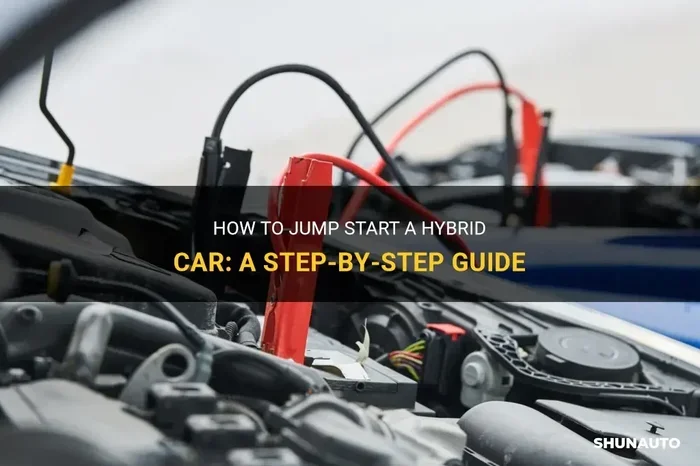
Every hybrid has a traditional 12-volt battery. This smaller battery powers the electronics, lights, and computer systems. When the car sits unused, the 12-volt battery slowly drains. Many modern hybrids have systems that draw power even when the car is off. This is called a parasitic draw. It is small, but it adds up over time. Within two to four weeks, the 12-volt battery may be too weak to start the car.
How Long Can You Safely Leave a Hybrid Parked
The honest answer depends on several factors. The age of your hybrid matters. The condition of the battery matters. Even the weather plays a role. Let us break this down so you know exactly what to expect.
Short-Term Parking: Up to Two Weeks
Most hybrids can sit for up to two weeks without any real issues. The high-voltage battery will hold its charge. The 12-volt battery will still have enough power to start the car. The fuel will remain fresh. Tires will keep their pressure. Two weeks is a safe window for most hybrid owners.
If you are going on a short vacation or traveling for work, two weeks should be fine. Just make sure the car is parked in a cool, dry spot. Avoid leaving it in direct sunlight for the entire period. A shaded garage is the best option for short-term parking.
Medium-Term Parking: Two to Six Weeks
Between two and six weeks, things start to get tricky. The 12-volt battery may lose enough charge that you need a jump start. The fuel might begin to degrade slightly. Tires could lose a few pounds of pressure. The hybrid battery will still hold a charge in most cases, but not as reliably.
If you know you will not drive for three or four weeks, take a few precautions. Start the car once a week and let it run for 15 minutes. Better yet, take it for a short drive around the block. This keeps the battery charged and the fluids circulating.
Long-Term Parking: Beyond Six Weeks
Beyond six weeks, the risks increase significantly. The 12-volt battery may die completely. Fuel can break down and cause clogs in the fuel lines. The hybrid battery could drop below safe charge levels. Tires may develop flat spots from sitting in one position. Rubber seals and gaskets can dry out.
If you plan to store your hybrid for two months or more, you need a proper storage plan. Simply parking it in the driveway is not enough. You need to take active steps to protect the vehicle. We will cover those steps in detail later in this article.
The Hybrid Battery and Its Unique Challenges
The high-voltage battery is the heart of any hybrid vehicle. It stores energy that powers the electric motor. Without it, the car simply cannot function the way it was designed to. Understanding how this battery behaves during idle periods is essential for every hybrid owner.
How the Hybrid Battery Charges
The hybrid battery charges in two main ways. First, regenerative braking captures energy when you slow down. Second, the gas engine charges the battery during normal driving. Neither of these methods works when the car is parked. That means the battery charge slowly decreases over time, even when you are not using the vehicle.
Most hybrid batteries are designed to hold a charge for several weeks. But the rate of discharge varies. Older batteries lose charge faster than newer ones. Extreme temperatures also speed up discharge. Hot weather causes faster chemical reactions inside the battery. Cold weather reduces the battery’s overall capacity. Both scenarios can shorten the time your hybrid can sit safely.
What Happens When the Hybrid Battery Drops Too Low
If the hybrid battery drops below a certain charge level, the car may not start. Some hybrids will enter a low-power mode to protect the battery. Others will simply refuse to turn on. In rare cases, a deeply discharged battery can suffer permanent damage. The battery cells may become sulfated. This reduces the overall lifespan of the pack.
Replacing a hybrid battery is expensive. We are talking thousands of dollars in most cases. This is why it is so important to drive your hybrid regularly, even if it is just a short trip around the neighborhood.
Hybrid Battery Health Over Time
Hybrid battery health declines naturally over the years. Most hybrid batteries last between eight and fifteen years. But sitting the car unused for long periods accelerates this decline. A battery that might last ten years with regular use could fail in six or seven if the car sits idle most of the time. This is one of the hidden costs of infrequent driving that many hybrid owners do not consider.
Common Problems From Long-Term Parking
When a hybrid sits too long without being driven, several problems can develop. Some are minor and easy to fix. Others can be costly and time-consuming. Let us look at the most common issues you may face.
Fuel Degradation
Gasoline does not last forever. Over time, the volatile compounds in fuel evaporate. The remaining fuel becomes thicker and less effective. After two to three months of sitting, gasoline can start to gum up the fuel system. This leads to poor engine performance, rough idling, and difficulty starting.
In hybrid cars, fuel degradation is especially problematic. The gas engine may not run as often during normal driving, which means fuel sits in the tank even longer. If you return to your hybrid after a long break, the degraded fuel may cause stalling or misfires.
Tire Damage
Tires lose air slowly over time. A parked car puts constant weight on the same spots. After several weeks, flat spots can develop on the tires. These flat spots cause vibrations when you drive. They also reduce traction, which affects safety.
Hybrids are heavier than regular cars because of the battery pack. This extra weight puts more pressure on the tires. Flat spots can form faster in hybrids than in lighter vehicles. This is something many owners do not realize until they try to drive after a long break.
Fluid Separation and Brake Issues
Brake fluid, coolant, and transmission fluid all settle when a car sits unused. Over time, the components in these fluids can separate. This reduces their effectiveness. Brake seals may dry out and crack. The brake discs can develop rust if the car sits in damp conditions.
Hybrids use regenerative braking, which means the traditional brake pads get used less often. When the car sits for a long time, the brake components can seize or corrode. When you finally drive the car again, the brakes may feel spongy or unresponsive.
Electrical System Problems
Modern hybrids have complex electrical systems. Sensors, computers, and modules all need power to stay functional. When the 12-volt battery dies, these systems can reset or malfunction. You may see warning lights on the dashboard. The radio, windows, and other features may not work correctly when you restart the car.
In some cases, a dead 12-volt battery can cause the hybrid system to go into a protective mode. The car may not start until the battery is replaced or recharged. This is a frustrating problem that is entirely preventable with regular use.
Rubber Seal and Gasket Drying
Rubber seals around doors, windows, and the engine compartment dry out when a car sits unused for months. These seals are designed to stay flexible through regular use. The heat from the engine and the movement of the car help keep them supple. When the car sits idle, the rubber hardens and cracks.
Cracked seals lead to water leaks, wind noise, and even engine issues. Replacing rubber seals is not cheap, and it is an expense most owners could have avoided with a little regular driving.
Tips to Keep Your Hybrid Healthy During Storage
If you know your hybrid will be sitting for a while, you can take steps to minimize damage. These tips are simple, practical, and effective. Follow them and your hybrid will be ready to go when you need it again.
Start the Car Weekly
The single best thing you can do is start the car at least once a week. Let the engine run for 15 to 20 minutes. This keeps the 12-volt battery charged. It circulates fluids through the engine and transmission. It also keeps the hybrid battery at a healthy charge level.
If possible, take the car for a short drive during these weekly sessions. A 10 to 15 minute drive around the block is enough. The regenerative braking will recharge the hybrid battery. The tires will flex and avoid flat spots. The brakes will stay dry and functional.
Fill Up the Gas Tank
Before storing your hybrid, fill the gas tank completely. A full tank reduces the amount of air inside, which slows fuel degradation. Less air means less moisture buildup. Less moisture means fewer chances of fuel system corrosion. This is a small step that makes a big difference over time.
Use a Battery Tender
A battery tender is a device that connects to your 12-volt battery and keeps it charged. It delivers a small, steady charge without overcharging the battery. Battery tenders are inexpensive and easy to use. Simply plug it into a wall outlet and connect it to the battery terminal.
Some battery tenders are designed specifically for hybrid vehicles. They understand the unique charging needs of the 12-volt system. If you plan to store your hybrid for more than a month, a battery tender is a smart investment.
Park in the Right Spot
Where you park matters more than you might think. A cool, dry garage is the best option. Avoid parking under trees where sap and bird droppings can damage the paint. Avoid direct sunlight, which can dry out rubber seals and fade the interior.
If you do not have a garage, consider using a car cover. A breathable cover protects against dust, UV rays, and light moisture. Just make sure the cover is not too tight, as trapped moisture can cause its own set of problems.
Check Tire Pressure Before Driving Again
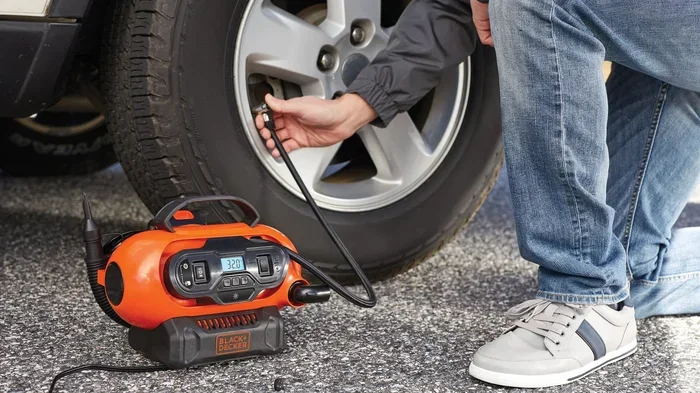
When you return to your hybrid after a long break, check the tire pressure first. Tires lose about one pound per square inch per month. If the pressure is too low, do not drive on them. Inflate them to the recommended level before starting the car. This protects the tires and ensures safe handling from the moment you pull out of the driveway.
Inspect Fluids and Belts
Before taking a long drive after storage, inspect the fluid levels. Check the engine oil, coolant, brake fluid, and transmission fluid. Look for any leaks under the car. Inspect the belts for cracks or wear. Catching a small problem early can save you from a costly repair later.
When to Drive Your Hybrid After a Long Break
Returning to your hybrid after a long period of sitting requires caution. Do not just turn the key and drive off at highway speed. Take it slow and let the car wake up properly.
The First Start
When you start the car after a long break, listen carefully. Does the engine turn over smoothly? Are there any unusual sounds? Check the dashboard for warning lights. If any lights stay on after the startup sequence, do not ignore them. They are trying to tell you something.
Let the car idle for a few minutes before driving. This allows the engine oil to circulate and reach all the moving parts. The hybrid system will also run a self-check during this time. Give it a minute or two to complete its diagnostics.
The First Drive
On your first drive after storage, keep it gentle. Avoid hard acceleration and heavy braking. Let the hybrid system reconnect with the electric motor and the gas engine. Pay attention to how the car feels. Does it pull straight? Do the brakes respond normally? Does the transmission shift smoothly?
Take a short drive of about 15 minutes. Then park and check under the car for any leaks. Listen for unusual sounds from the engine or the electric motor. If everything seems normal, you are good to go. If something feels off, have a mechanic take a look before driving again.
| Parking Duration | Risk Level | Recommended Action |
|---|---|---|
| Up to 2 weeks | Low | No special action needed |
| 2 to 6 weeks | Moderate | Start the car weekly; take a short drive |
| 6 weeks to 3 months | High | Use a battery tender; fill the tank; check fluids |
| 3 months or more | Very High | Get a professional inspection before driving |
Common Mistakes Hybrid Owners Make When Storing Their Car
There are several mistakes that hybrid owners make when their car sits idle for too long. Avoiding these simple errors can save you time, money, and a lot of headaches.
Leaving the Car in Park Without Engaging the Parking Brake Properly
Some hybrids have a specific parking procedure. Simply putting the car in park is not always enough. Check your owner manual for the correct parking steps. Engaging the parking brake properly prevents the car from rolling and reduces stress on the transmission.
Ignoring the 12-Volt Battery
Many owners focus entirely on the hybrid battery and forget about the 12-volt battery. The 12-volt battery is what actually starts the car. If it dies, the hybrid system cannot power up. A simple battery tender solves this problem easily.
Not Checking for Critters
Mice, rats, and other small animals love to nest in parked cars. They chew through wiring, insulation, and hoses. Before storing your hybrid, check under the hood and in the cabin. Place deterrents like peppermint oil or mothballs near the engine compartment.
Setting the Parking Brake for Months
Leaving the parking brake engaged for a long time can cause the brake cables to seize. If the weather is humid or damp, this risk increases. For storage periods longer than a month, consider using wheel chocks instead of the parking brake.
Expert Insights on Hybrid Storage
Automotive experts agree that hybrids benefit from regular driving more than traditional cars. The dual-powertrain system needs activity to stay healthy. According to hybrid maintenance specialists, driving your hybrid at least once a week for 20 minutes is the ideal routine. This keeps the battery charged, the fluids moving, and the seals lubricated.
Experts also recommend keeping the hybrid battery charge between 40 and 80 percent for long-term storage. A fully charged battery stored for months can experience accelerated chemical breakdown. A battery that is too low risks deep discharge damage. The sweet spot is in the middle range.
Another expert tip is to avoid storing hybrids in extreme temperatures. Heat accelerates battery degradation. Cold reduces battery capacity. A temperature-controlled garage is the best storage environment. If you do not have access to a garage, a carport or covered parking area is the next best option.
Key Takeaways
- Hybrid batteries need periodic charging: Leaving a hybrid unused for too long can cause the high-voltage battery to lose charge and degrade faster.
- The 12-volt battery drains quickly: Even when the car is off, parasitic draws can kill the 12-volt battery within two to four weeks.
- Fuel can degrade over time: Gasoline sitting in the tank for months can cause fuel system problems and starting issues.
- Tires lose pressure when parked: Long periods of inactivity lead to slow leaks and flat spots that affect safety and handling.
- Regular short drives help: Starting the car and driving it for 15 to 20 minutes every week keeps all systems functioning properly.
- Smart storage practices matter: Using a battery tender, filling the tank, and choosing the right parking spot can extend idle time safely.
- Know when to seek help: If your hybrid has sat for months, get a professional inspection before driving it again.
Frequently Asked Questions
Can a hybrid car sit for a month without being driven?
A hybrid can sit for up to a month, but you should take precautions. Start the car at least once a week and take a short drive. Use a battery tender to keep the 12-volt battery charged. Fill the gas tank completely to reduce fuel degradation. Without these steps, you may face starting problems or battery damage when you try to drive again.
What is the best way to store a hybrid car for a long time?
The best way is to store it in a cool, dry garage. Use a battery tender connected to the 12-volt battery. Fill the gas tank and add a fuel stabilizer. Check tire pressure before storage and consider using wheel chocks instead of the parking brake. Start the car and drive it for 15 minutes at least once every two weeks.
How do I know if my hybrid battery is damaged from sitting too long?
Signs of a damaged hybrid battery include reduced fuel economy, warning lights on the dashboard, difficulty starting the car, and unusual noises from the powertrain. If the car enters a low-power mode or refuses to start, the hybrid battery may be too low or damaged. Have a certified hybrid technician inspect the battery pack as soon as possible.
Does cold weather affect a hybrid sitting idle?
Yes, cold weather affects a hybrid in several ways. The 12-volt battery loses capacity in cold temperatures. The high-voltage battery discharges faster. Fluids like coolant and brake fluid can thicken. Tires lose pressure more quickly in cold weather. If you live in a cold climate, winter storage requires extra care and preparation.
Can I leave my hybrid parked for three months without driving it?
Three months is a long time for any car, including hybrids. Without proper preparation, you risk a dead 12-volt battery, degraded fuel, flat tires, and brake issues. If you must store a hybrid for three months, use a battery tender, fill the tank with stabilizer, check all fluid levels, and have the car inspected by a mechanic before driving it again.
How often should I drive my hybrid to keep it in good condition?
Driving your hybrid at least once a week for 20 to 30 minutes is ideal. This keeps the hybrid battery charged, the engine and transmission fluids circulating, and the tires in good shape. Regular driving also prevents the buildup of moisture in the fuel system and keeps the brake components dry and functional.
=== CONCLUSION ===
How long can a hybrid sit without being driven is a question every hybrid owner should know the answer to. The truth is, hybrids are not designed to sit idle for long periods. Their dual-powertrain systems need regular use to stay healthy. The high-voltage battery, the 12-volt battery, the fuel system, the tires, and the brakes all suffer when the car sits too long without being driven.
The good news is that with a little effort, you can protect your hybrid during idle periods. Start the car weekly. Take short drives. Use a battery tender. Fill the tank and check tire pressure. These simple habits go a long way toward keeping your vehicle in top condition.
If your hybrid has been sitting for months, do not just turn the key and hope for the best. Inspect the fluids, check the battery, and look for signs of damage. When in doubt, take it to a trusted mechanic. A little prevention today can save you from expensive repairs tomorrow.
Your hybrid is a smart investment. Treat it well, and it will reward you with years of reliable, efficient driving. Keep these tips in mind, stay proactive, and your hybrid will always be ready to go whenever you need it.