How Do You Reset Warning Lights on a Car Step by Step
Resetting warning lights on a car is something most drivers can do at home with the right tools and knowledge. Whether it is a check engine light, oil pressure warning, or tire pressure indicator, understanding the reset warning lights process saves time and money. This guide walks you through every method safely and clearly.
Dashboard warning lights can feel scary. One moment your car is running fine, and the next, a bright symbol lights up on your dash. You wonder, is this serious? Do I need to pull over right now? The truth is, warning lights on a car cover everything from minor issues to urgent problems. And the good news? Most of them can be reset once you understand what triggered them.
This guide will show you exactly how to reset warning lights on a car step by step. We will cover every common method, explain what each dashboard symbol means, and help you decide whether a reset is safe or if you need professional help. Whether you are dealing with a stubborn check engine light or a confusing tire pressure symbol, you will find clear answers here.
Before we dive in, let us talk about why dashboard warning lights exist in the first place. Your car is packed with sensors that monitor everything from engine temperature to oil pressure. When something falls outside the normal range, the system triggers a warning. Resetting the light is not about hiding a problem. It is about clearing the signal after the issue has been resolved.
Key Takeaways
- Multiple methods exist: You can reset warning lights using an OBD scanner, disconnecting the battery, or simply driving cycles.
- Not all lights are equal: Some warning lights signal serious problems that need immediate attention before resetting.
- Safety comes first: Always check what the light means before attempting to reset it.
- Tools make it easier: An OBD2 scanner is the most reliable way to reset most dashboard warnings.
- Some lights return: If the underlying problem is not fixed, the warning light will come back after resetting.
- Know when to seek help: Certain warning lights like airbag or ABS warnings need professional diagnosis.
📑 Table of Contents
- Understanding Your Car Warning Lights
- Why Warning Lights Come On and Stay On
- How to Reset Warning Lights on a Car Step by Step
- Common Warning Lights and How to Handle Them
- When You Should NOT Reset a Warning Light
- Tools You Need for Resetting Warning Lights
- Preventing Warning Lights from Coming Back
- Expert Insights on Warning Light Resets
- Key Takeaways
Understanding Your Car Warning Lights
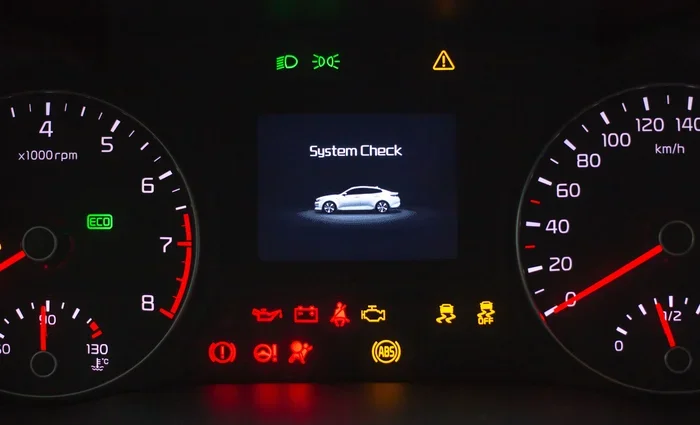
Not all warning lights are the same. Some are urgent. Others are just reminders. Before you try to reset dashboard warning lights, you need to know what each symbol means.
Red Warning Lights
Red lights mean stop and address the issue immediately. These include:
- Oil pressure warning light – This looks like an oil can. It means your oil level is low or oil pressure has dropped. Driving with this light on can cause serious engine damage. You should check your oil level right away.
- Engine temperature warning – This symbol looks like a thermometer. It means your engine is overheating. Pull over safely and turn off the engine.
- Brake system warning – This light might mean your parking brake is on, or your brake fluid is low. Check both before driving.
- Battery or charging warning – This indicates a problem with your electrical system or alternator.
Yellow or Amber Warning Lights
Yellow lights are less urgent but still need attention. Common ones include:
- Check engine light – This is the most common car warning indicator. It can signal anything from a loose gas cap to a serious engine problem.
- Tire pressure monitoring light – This looks like a horseshoe with an exclamation point. It means one or more tires are underinflated.
- ABS warning light – This indicates a problem with your anti-lock braking system.
- Airbag warning light – This means there is an issue with your airbag system. Airbag systems can sometimes be reset, but they need proper diagnosis first.
Green and Blue Informational Lights
These are not warnings at all. They simply tell you something is active, like high beams or cruise control. You do not need to reset these.
Why Warning Lights Come On and Stay On
Understanding why a warning light stays on helps you decide the best reset method. Here are the most common reasons:
Loose or Faulty Gas Cap
This is the simplest cause of a check engine light. If your gas cap is not tightened properly, fuel vapors escape and the system detects a leak. The fix is simple: tighten the cap. After a few driving cycles, the light may go away on its own.
Sensor Malfunction
Cars have dozens of sensors. Sometimes a sensor sends a false signal. This triggers a warning light even when everything is working fine. A diagnostic trouble code scan can reveal whether this is happening.
Actual Mechanical Problem
Sometimes the light is telling the truth. Low oil, a failing fuel pump, or a damaged sensor can all trigger warnings. In these cases, you must fix the real problem before resetting the light. Otherwise, it will just come back.
After Maintenance or Service
When you get an oil change, tire rotation, or other service, the service reminder light often stays on. This is normal and easy to reset.
Electrical Glitches
Sometimes a minor electrical glitch causes a light to stay on. A battery disconnect or scanner reset usually fixes this.
How to Reset Warning Lights on a Car Step by Step
Now for the part you have been waiting for. Here are the most effective methods to reset warning lights on your vehicle. Each method works for different types of lights and situations.
Method 1: Use an OBD2 Scanner
An OBD2 scanner is the most reliable way to reset dashboard warning lights. This tool plugs into your car’s diagnostic port and reads error codes. Here is how to do it:
- Locate your OBD2 port. It is usually under the dashboard on the driver’s side.
- Plug the scanner into the port.
- Turn the ignition to the “on” position (do not start the engine).
- Follow the scanner’s instructions to read the codes.
- Note down the codes for your records.
- Select the option to clear the codes.
- Turn off the ignition and restart the engine.
- Check if the warning light has gone off.
Pro tip: Even if you clear a code with a scanner, drive your car for a few days. If the problem is fixed, the light will stay off. If it returns, the scanner will show the same code again, confirming the issue needs a real fix.
Method 2: Disconnect the Car Battery
Disconnecting the battery resets the car’s computer system. This method works for many warning lights including the check engine light. Here is the process:
- Turn off the engine and all electrical systems.
- Open the hood and locate the battery.
- Using a wrench, loosen the negative terminal cable first (marked with a minus sign).
- Disconnect the cable and move it away from the battery terminal.
- Wait at least 15 minutes. This allows the computer to fully reset.
- Reconnect the negative cable and tighten it.
- Start the engine and check if the light is off.
Important: Disconnecting the battery will also reset your radio presets, clock, and other settings. Some newer cars may require a code to restore the radio. Also, a bad key fob can drain your car battery, so make sure your battery is healthy before doing this.
Method 3: Drive Through a Reset Cycle
Some car maintenance lights reset simply by driving in a specific pattern. This works for service reminder lights on many Toyota, Honda, and Ford models:
- Turn the ignition to the “on” position without starting the engine.
- Press the accelerator pedal three times quickly within five seconds.
- Wait for the reset indicator to flash.
- Turn the ignition off and then back on.
- The service light should now be off.
Not all cars support this method. Check your owner’s manual for the specific reset procedure for your model.
Method 4: Use the Ignition Key Cycle
Some older vehicles respond to a simple key cycle:
- Insert the key into the ignition.
- Turn it to the “on” position without starting the engine.
- Wait 30 seconds.
- Turn it back to “off.”
- Repeat this three times.
- Start the engine and check the dashboard.
Method 5: Use a Dedicated Reset Button
Many modern cars have a reset button or procedure built into the steering wheel or dashboard controls. For example:
- Toyota models often have a small odometer/trip button that you hold while cycling the ignition.
- Ford vehicles may use the steering wheel controls to access the trip menu and select a reset option.
- Chevrolet cars sometimes require you to hold the trip reset button while turning the key to the “on” position.
Check your owner’s manual or search online for your specific model’s reset procedure.
Common Warning Lights and How to Handle Them
Let us look at specific warning lights and the best way to handle them before resetting.
Check Engine Light
The check engine light is the most common reason drivers search for a reset method. It can mean anything from a loose gas cap to a failed catalytic converter. Before resetting it, use an OBD2 scanner to read the code. If the code points to a minor issue like a loose cap, tighten it and drive for a few days. The light should turn off on its own. If the code shows a serious problem, fix it first.
Oil Pressure Warning Light
If your oil pressure warning light comes on, do not just reset it and drive away. Check your oil level immediately. Low oil can cause catastrophic engine failure. After adding oil or fixing the leak, the light should go off. If it does not, there may be a deeper issue with the oil pump or pressure sensor.
Tire Pressure Monitoring Light
The tire pressure light often comes on when temperatures drop. Cold air causes tire pressure to decrease. Before resetting this light, check all tire pressures and inflate them to the recommended level. Once inflated, the light should reset after a few miles of driving.
ABS Warning Light
The ABS system helps prevent wheel lockup during hard braking. If this light is on, your ABS may not work properly. While you can still drive, you should get the system checked. Resetting the ABS light without fixing the underlying issue is not recommended.
Battery Warning Light
A battery light that stays on while driving usually means the alternator is not charging the battery properly. This can leave you stranded. Have the charging system tested before attempting any reset.
When You Should NOT Reset a Warning Light
Resetting a warning light is not always the right move. Here are situations where you should avoid resetting and seek professional help instead:
- The red warning lights are on. Oil pressure, engine temperature, and brake warnings require immediate action. Resetting these lights could lead to expensive damage or dangerous situations.
- The check engine light is flashing. A flashing check engine light usually indicates a severe misfire that can damage the catalytic converter. Do not ignore this.
- You do not know what caused the light. If you have not diagnosed the issue, resetting the light just hides the problem. The underlying issue will get worse over time.
- The light keeps coming back after resetting. If you reset a light and it returns within a few days, there is a persistent problem that needs professional diagnosis.
- The airbag light is on. Airbag systems are complex and safety-critical. Airbag resets require specialized tools and knowledge. Do not attempt this yourself unless you are experienced.
Tools You Need for Resetting Warning Lights
Having the right tools makes the warning light reset procedure much easier. Here is what you should consider keeping in your toolkit:
OBD2 Scanner
A basic OBD2 scanner costs between $20 and $50. It plugs into your car’s diagnostic port and reads error codes. More advanced models can not only read and clear codes but also show live sensor data. This is the single most useful tool for any car owner.
Digital Multimeter
A multimeter helps you test electrical connections, battery voltage, and sensor signals. It is especially useful when diagnosing dashboard symbols that keep returning after a reset.
Basic Hand Tools
For battery disconnect resets, you need a basic wrench or socket set. A 10mm wrench works for most battery terminals.
Owner’s Manual
Your car’s owner manual contains specific reset procedures for your model. Keep it in your glove box or download a digital copy from the manufacturer’s website.
Preventing Warning Lights from Coming Back
Once you have successfully reset dashboard warning lights, you want them to stay off. Here is how to prevent them from returning:
- Fix the root cause. Resetting without fixing the problem is a temporary solution at best.
- Perform regular maintenance. Oil changes, tire rotations, and fluid checks keep your car running smoothly and prevent many warning lights.
- Check your gas cap after every fill-up. A loose gas cap is the number one cause of a check engine light.
- Address minor issues quickly. A small problem today can become a big problem tomorrow. Fix minor warnings before they escalate.
- Keep your battery terminals clean. Corroded terminals can cause electrical issues that trigger warning lights.
- Monitor your fluid levels. Low coolant, oil, or brake fluid can all trigger warning lights. Check them regularly.
Expert Insights on Warning Light Resets
Experienced mechanics agree on a few key principles when it comes to resetting car warning lights. First, never reset a light without understanding what caused it. The light is a messenger, not the enemy. Second, invest in a quality OBD2 scanner. It pays for itself the first time it saves you from an unnecessary trip to the mechanic. Third, keep a log of when warning lights appear and what codes they show. This history is invaluable for diagnosing recurring issues.
One common mistake drivers make is ignoring a warning light because it is “probably nothing.” While many dashboard symbols do indicate minor issues, some signal serious problems. The safest approach is always to investigate first, then reset if appropriate.
Key Takeaways
- Know your lights: Red means stop now, yellow means check soon, green means just informational.
- Use an OBD2 scanner for the most accurate diagnosis and reset.
- Battery disconnect works but wipes other settings too.
- Drive cycles can reset service reminder lights on many models.
- Never reset without fixing the underlying issue.
- Red warning lights like oil pressure and engine temperature need immediate attention before any reset attempt.
- Keep your maintenance up to date to prevent most warning lights from appearing in the first place.
Resetting warning lights on a car does not have to be intimidating. With the right knowledge and tools, most drivers can handle it themselves. The key is to approach the process safely and responsibly. Always diagnose before you reset. Fix the problem first, clear the light second. This approach keeps your car running well and keeps you safe on the road.
Whether you use an OBD2 scanner, disconnect the battery, or follow your car’s built-in reset procedure, the goal is the same: clear the light after the issue is resolved. If the light returns, your car is telling you something still needs attention. Listen to it.
Remember that some warning lights like the airbag and ABS indicators involve safety systems that deserve professional attention. When in doubt, consult a trusted mechanic. A few dollars spent on diagnosis now can save hundreds in repairs later and, more importantly, keep you and your passengers safe.
Your car’s warning system is one of its most valuable features. It works hard to keep you informed about your vehicle’s health. Respect the lights, address the problems, and use the reset methods in this guide wisely. Your car will thank you with reliable performance for miles to come.
Frequently Asked Questions
Can I drive my car with a warning light on?
It depends on the color and type of light. Red warning lights like oil pressure or engine temperature mean you should stop driving immediately. Yellow lights like the check engine light usually allow you to drive cautiously to a repair shop. If you are unsure, pull over safely and assess the situation.
How much does it cost to reset a warning light?
If you use an OBD2 scanner, the cost is just the price of the scanner, which starts around $20. Many auto parts stores will read and clear codes for free. If you visit a mechanic for diagnosis and reset, expect to pay between $50 and $150 depending on your location and the codes involved.
Will a reset warning light come back?
If the underlying problem is not fixed, yes, the light will return. This is why it is essential to diagnose the issue first. A check engine light that keeps coming back after resetting usually points to a persistent problem that needs proper repair.
How long does it take to reset a warning light?
Using an OBD2 scanner takes about 5 minutes. A battery disconnect reset requires waiting 15 to 30 minutes for the system to fully reset. Drive cycle resets can take several days of normal driving before the light clears on its own.
Can I reset warning lights without a scanner?
Yes, you can use the battery disconnect method or your car’s built-in reset procedure. However, a scanner is the best tool because it reads the error codes and tells you exactly what triggered the light. Without a scanner, you are essentially guessing at the cause.
Is it safe to disconnect the car battery to reset lights?
Yes, it is generally safe and a common method. Just remember to disconnect the negative terminal first and wait at least 15 minutes. This method will also reset your radio presets, clock, and some power window settings. Make sure you have these codes if needed before disconnecting.