How to Turn Off the Check Engine Light on a 2013 Toyota RAV4
The check engine light on a 2013 Toyota RAV4 can come on for many reasons, from a simple loose gas cap to a serious sensor problem. This guide shows you how to reset the check engine light, identify the most common causes, and decide when it is safe to drive.
There is nothing quite like seeing that little yellow engine icon pop up on your dashboard. If you own a 2013 Toyota RAV4, you are not alone. The check engine light is one of the most common dashboard warnings drivers face. It can appear for dozens of reasons, and it always seems to show up at the worst possible moment.
Here is the good news. In most cases, turning off the check engine light on a 2013 Toyota RAV4 is something you can do yourself. You do not need to be a mechanic. You do not need expensive tools. You just need a little patience and the right information. This guide walks you through every step, from understanding what the light means to actually resetting it. By the end, you will feel confident and ready to handle this common car issue.
We will cover the most common check engine light causes, the tools you need, and the exact methods to reset the check engine light on your 2013 RAV4. We will also talk about when it is safe to keep driving and when you should pull over. Let us get started.
Key Takeaways
- A loose gas cap is the most common reason the check engine light comes on in a 2013 RAV4
- An OBD-II scanner is the best tool for reading and clearing diagnostic trouble codes
- Driving with a flashing check engine light can cause serious engine damage
- Resetting the light does not fix the underlying problem that triggered it
- Regular maintenance helps prevent the check engine light from returning
📑 Table of Contents
- What the Check Engine Light Means on a 2013 Toyota RAV4
- Common Causes of the Check Engine Light on a 2013 RAV4
- How to Reset the Check Engine Light on a 2013 Toyota RAV4
- Can You Drive with the Check Engine Light On?
- When to See a Mechanic Instead of DIY
- Preventing the Check Engine Light from Coming Back
- Conclusion
What the Check Engine Light Means on a 2013 Toyota RAV4
Understanding the Dashboard Warning
The check engine light is part of your RAV4’s onboard diagnostics system. This system is called OBD-II, which stands for On-Board Diagnostics II. It has been standard on all cars sold in the United States since 1996. The system constantly monitors your engine, transmission, and emission system. When it detects something that is not working right, it stores a code and lights up your dashboard.
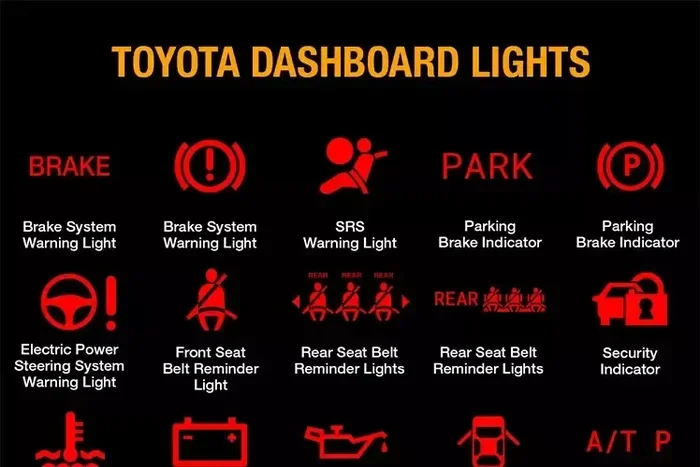
The light can look different depending on the situation. Sometimes it is solid yellow or orange. Other times it flashes. A solid light usually means a less urgent problem. A flashing light is more serious. If your check engine light flashing on a 2013 Toyota RAV4, you should pull over safely and turn off the engine as soon as possible.
It is also worth noting that the light may behave differently in various conditions. Sometimes it comes on when the weather is cold and goes away once the engine warms up. Other times it stays on no matter what you do. Understanding these patterns helps you figure out how serious the issue really is. If you are curious whether the light might go away on its own, you can read about whether a check engine light can turn off on its own.
What Triggers the Check Engine Light
Your 2013 RAV4 has many sensors that send data to the engine control module. When a sensor reading falls outside the normal range, the system triggers the light. The computer stores what is called a diagnostic trouble code, or DTC for short. This code tells a mechanic exactly what went wrong.
Common triggers include problems with the fuel system, ignition system, and emission system. A sensor might detect too much or too little oxygen in the exhaust. It might notice that the fuel mixture is too rich or too lean. Any of these issues can set off the check engine light warning. The good news is that the system is designed to catch problems early, before they turn into expensive repairs.
Common Causes of the Check Engine Light on a 2013 RAV4
Not all check engine lights mean the same thing. Some causes are simple and cheap to fix. Others need professional attention. Here are the most common reasons a check engine light appears on a 2013 Toyota RAV4.
Loose or Faulty Gas Cap
This is the number one most common cause. The gas cap seals the fuel system and keeps pressure inside the tank. If the cap is loose, cracked, or missing, fuel vapors can escape. The system detects this leak and turns on the light. It sounds too simple to be true, but a loose fuel cap causes a surprising number of dashboard warnings.
If you suspect the gas cap is the problem, pull over safely and tighten it until you hear it click. Then drive for a few miles and see if the light goes off. If the cap is damaged, replace it. A new gas cap costs only a few dollars. You can also learn more about how to properly access and open the gas cap on your vehicle by reading how to open the gas cap on a cylinder.
Oxygen Sensor Problems
The oxygen sensor measures how much oxygen is in your exhaust. This helps the engine control module adjust the fuel mixture. A failing oxygen sensor can reduce fuel economy and increase emissions. Over time, these sensors can get contaminated or simply wear out. This is a very common issue on the 2013 RAV4 and a leading cause of the check engine light.
Catalytic Converter Issues
The catalytic converter reduces harmful emissions before they leave the exhaust pipe. When it fails, the check engine light almost always comes on. A bad catalytic converter can also cause rough idling, reduced power, and a sulfur smell. Repairing or replacing a catalytic converter is one of the more expensive repairs on a RAV4, so it is important to address this issue early.
Spark Plugs and Ignition Coils
Worn spark plugs or failing ignition coils can cause misfires. A misfire means the engine is not firing properly in one or more cylinders. This unburned fuel can damage the catalytic converter over time. Replacing spark plugs is a simple and inexpensive fix. Ignition coils cost a bit more but are still a straightforward repair.
Mass Airflow Sensor Failure
The mass airflow sensor tells the engine how much air is coming in. This helps determine the right fuel amount. A dirty or failing sensor can cause poor fuel economy, stalling, and rough running. Cleaning the sensor sometimes fixes the problem. Other times, it needs to be replaced entirely.
How to Reset the Check Engine Light on a 2013 Toyota RAV4
Now that you know what causes the light, let us talk about how to actually turn it off. There are several methods you can try at home. Each one is simple and does not require advanced mechanical skills.
Method 1: Using an OBD-II Scanner
An OBD-II scanner is the best tool for this job. You can buy one at any auto parts store for under $50. Some advanced models cost more, but a basic scanner works perfectly for reading and clearing codes on a 2013 RAV4.
Here is how to use it:
- Locate the OBD-II port under your dashboard on the driver side.
- Plug the scanner into the port.
- Turn the ignition to the “On” position without starting the engine.
- Follow the scanner prompts to read the stored codes.
- Write down the codes so you can look them up later.
- Select the option to clear the codes.
- Turn the ignition off and then back on.
After clearing the codes, the check engine light should turn off. However, if the underlying problem is not fixed, the light will come back. This is why it is important to read and understand the codes before resetting them.
Method 2: The Disconnect Method
Another way to reset the light is by disconnecting the battery. This clears the computer’s memory and turns off the dashboard warning. Here is what you need to do:
- Turn off the engine and all accessories.
- Open the hood and locate the negative battery terminal.
- Use a wrench to loosen the cable on the negative terminal.
- Disconnect the cable and let it sit for 10 to 15 minutes.
- Reconnect the cable and tighten it back up.
- Start the engine and check if the light is off.
This method works well, but it also resets other settings in your RAV4, like the radio presets and clock. Keep that in mind before you try it.
Method 3: Turning the Ignition On and Off
This is the simplest method and requires no tools at all. Try this approach:
- Turn the ignition key to the “On” position.
- Wait for 30 seconds.
- Turn the key back to the “Off” position.
- Wait another 30 seconds.
- Repeat this cycle three times.
- Start the engine and see if the light is off.
This method cycles the power to the engine control module and can sometimes clear minor codes. It works best when the trigger was something simple like a loose gas cap.
Can You Drive with the Check Engine Light On?
Solid Light vs. Flashing Light
This is one of the most important questions for any driver. The answer depends on whether the light is solid or flashing. A solid check engine light usually means the problem is not immediately dangerous. You can generally drive a short distance to get the car inspected or repaired.
However, a check engine light flashing is a different story entirely. A flashing light means the engine is misfiring badly. Unburned fuel can enter the exhaust system and damage the catalytic converter. If you see a flashing light, avoid heavy acceleration and get to a mechanic as soon as possible. If you are wondering about driving longer distances with the light on, you can check out whether you can drive a Toyota with the check engine light on for more guidance.
Even with a solid light, pay attention to how your RAV4 feels. If you notice any of these symptoms, pull over and get help:
- Loss of power or acceleration
- Strange noises from the engine
- Burning smells
- Overheating temperature gauge
- Difficulty shifting gears
How Far Can You Safely Drive?
With a solid light and no other symptoms, you can usually drive a few miles to the nearest repair shop. But do not treat this as a long-term solution. The longer you drive with the light on, the more potential damage you risk. Address the problem as soon as you can.
When to See a Mechanic Instead of DIY
Not every check engine light problem is a DIY fix. Some issues require professional tools and expertise. Here are signs that you should take your 2013 RAV4 to a mechanic:
- The light keeps coming back after you reset it
- You see the flashing light and the engine is misfiring
- You notice a strong smell of fuel or exhaust
- The RAV4 is running rough or stalling frequently
- You have multiple warning lights on the dashboard at once
A mechanic can plug in a professional-grade scanner and read the error codes in detail. They can also perform a physical inspection of the engine, sensors, and exhaust system. This gives you a clear picture of what is wrong and how much the repair cost will be.
If you are worried about the cost of a repair, remember that many auto parts stores will read your codes for free. This can give you a head start before visiting a mechanic. You can also look up the fair market value of your vehicle to decide whether a costly repair makes sense.
Preventing the Check Engine Light from Coming Back
The best way to deal with the check engine light is to prevent it from coming back in the first place. Regular maintenance goes a long way toward keeping your 2013 RAV4 running smoothly.
Here are some simple tips:
- Check your gas cap every time you fill up. Make sure it clicks tightly.
- Replace spark plugs on schedule. Worn plugs cause misfires and trigger the light.
- Change your oil regularly. Clean oil keeps the engine running efficiently.
- Use the right fuel. Always use the octane level recommended for your RAV4.
- Address small problems early. A minor sensor issue today can become a major repair tomorrow.
- Keep up with scheduled maintenance. Follow the service schedule in your owner’s manual.
Taking care of your RAV4 with regular service is the best investment you can make. It saves money on repairs and keeps the check engine light off your dashboard where it belongs.
Quick Tips for a 2013 RAV4 Owner
Here are a few extra tips specific to the 2013 Toyota RAV4:
- Keep a basic OBD-II scanner in your glove box. It costs less than a tank of gas and can save you a trip to the shop.
- Write down the codes when the light comes on. Even if you cannot fix it right away, having the codes helps the mechanic diagnose the problem faster.
- Do not ignore the light, even if the car seems to run fine. Some problems do not affect performance at first but can cause serious damage over time.
- Keep your gas cap from the original manufacturer or a trusted brand. Aftermarket caps do not always seal properly.
Common Mistakes People Make
Here are mistakes to avoid when dealing with the check engine light on your RAV4:
- Ignoring the light and hoping it goes away on its own.
- Resetting the light without fixing the problem. The light will just come back.
- Using cheap, low-quality parts when replacing sensors or spark plugs.
- Driving aggressively with the light on, especially if it is flashing.
- Trying advanced repairs without the right tools or knowledge.
Expert Insights
Experienced mechanics agree that most check engine light issues on the 2013 RAV4 fall into a few common categories. The gas cap, oxygen sensor, and spark plugs top the list. These are all relatively affordable fixes when caught early. The longer you wait, the more expensive the repair becomes. Mechanics also emphasize that the check engine light is a warning system designed to protect your engine. Treating it seriously saves money and keeps your RAV4 on the road longer.
One mechanic shared a common scenario. A customer comes in with the light on and ignores it for months. By the time they bring it in, the catalytic converter is damaged. What could have been a $150 oxygen sensor fix has now become a $1,200 repair. This story is more common than you might think. Listen to your car. It is trying to tell you something.
Conclusion
The check engine light on a 2013 Toyota RAV4 can be scary, but it does not have to be. In most cases, the cause is simple and the fix is affordable. Whether it is a loose gas cap, a faulty oxygen sensor, or a worn spark plug, you now have the knowledge to tackle the problem with confidence.
Remember to always diagnose the real problem before resetting the light. Use an OBD-II scanner to read the codes, and address the root cause. If the light keeps coming back or is flashing, do not hesitate to see a professional. Your RAV4 is a reliable vehicle, and with proper care, it will serve you well for many miles to come.
Take action today. Check your gas cap, read the codes, and get the light off your dashboard. Your wallet and your RAV4 will thank you.
Frequently Asked Questions
What does the check engine light look like on a 2013 Toyota RAV4?
The check engine light on a 2013 RAV4 looks like a small yellow or orange engine icon on the dashboard. It may say “Check Engine” or show an engine silhouette. A solid light means a less urgent issue, while a flashing light indicates a serious problem that needs immediate attention.
Can I reset the check engine light without a scanner?
Yes, you can. You can try the battery disconnect method or the ignition cycling method. Both are simple and require no special tools. However, using an OBD-II scanner is the most reliable method because it lets you read and understand the codes first.
Is it safe to drive my 2013 RAV4 with the check engine light on?
With a solid light and no other symptoms, you can usually drive a short distance safely. But if the light is flashing, you should pull over and get the car towed. A flashing light means the engine is misfiring, which can cause serious damage if you keep driving.
How much does it cost to fix the check engine light on a 2013 RAV4?
The cost depends entirely on the cause. A loose gas cap is free to fix. An oxygen sensor replacement typically costs between $200 and $350. A catalytic converter repair can range from $1,000 to $2,500. Always get a proper diagnosis before committing to a repair.
Will the check engine light reset itself after the problem is fixed?
Sometimes it does, but not always. In many cases, you need to manually clear the codes using an OBD-II scanner or by disconnecting the battery. Once the codes are cleared and the problem is resolved, the light should stay off after a few driving cycles.
What is the most common cause of the check engine light on a 2013 RAV4?
The most common cause is a loose or faulty gas cap. It is also very common for the oxygen sensor or spark plugs to trigger the light. These are all relatively simple and affordable fixes when addressed early.