Are 4Runners Still Reliable and Worth the Investment
The Toyota 4Runner remains one of the most reliable SUVs on the road today. With a proven body-on-frame design, strong V6 engine, and legendary durability, the 4Runner continues to earn top marks for dependability. Whether you buy new or used, this rugged SUV delivers outstanding long-term value and off-road performance.
The Toyota 4Runner has been a staple in the SUV world for decades. It has survived changes in automotive trends, shifting consumer tastes, and the rise of flashy new crossovers. Yet here we are, and the 4Runner is still going strong. So the big question remains: are 4Runners still reliable in today’s market?
The short answer is a resounding yes. The Toyota 4Runner reliability record speaks for itself. Year after year, this vehicle earns top scores in dependability surveys. It has become a symbol of rugged reliability and vehicle dependability. But reliability is only one piece of the puzzle. In this article, we will dive deep into what makes the 4Runner tick, where it falls short, and whether it is truly worth your hard-earned money.
Whether you are a first-time SUV buyer or a longtime Toyota fan, this guide covers everything you need to know. We will look at real-world ownership experiences, maintenance needs, off-road chops, and resale numbers. By the end, you will have a clear picture of where the 4Runner stands in 2024 and beyond.
Key Takeaways
- Proven Reliability: The 4Runner consistently ranks among the most dependable SUVs thanks to its simple, time-tested design.
- Strong Resale Value: 4Runners hold their value better than almost any other SUV on the market.
- Off-Road Mastery: TRD trims offer serious capability for trails, rocks, and tough terrain.
- Affordable Ownership: Maintenance costs are low compared to competitors, and repairs are straightforward.
- Long Lifespan: Many 4Runners easily surpass 200,000 miles with basic care.
- Worth the Investment: Whether new or used, the 4Runner delivers excellent value over time.
📑 Table of Contents
Why the 4Runner Has Earned Its Reputation
A Legacy of Durability
The 4Runner has been around since the early 1980s. Over the decades, Toyota has refined it without overcomplicating things. The body-on-frame construction sets it apart from most modern SUVs. This design uses a separate frame underneath the body, which adds strength and durability. It also makes repairs simpler and more affordable.
Toyota built the 4Runner with simplicity in mind. There are fewer electronic gadgets to break compared to modern vehicles. The proven drivetrain has been tested in some of the harshest environments on Earth. From desert trails to mountain passes, the 4Runner keeps going. This kind of track record builds trust, and trust is what drives the 4Runner’s legendary status.
What Makes the 4Runner Different
Most SUVs today are unibody vehicles. That means the body and frame are one piece. While this saves weight and improves fuel economy, it can compromise long-term durability. The 4Runner takes a different path. Its body-on-frame SUV design prioritizes strength and longevity over efficiency.
Here are some key features that set the 4Runner apart:
- Solid rear axle: Better for towing and off-road traction.
- V6 engine: A naturally aspirated 4.0-liter V6 that has been refined over decades.
- Simple electronics: Fewer computers and sensors mean fewer things to go wrong.
- Available 4WD: Part-time and full-time four-wheel-drive systems handle tough terrain with ease.
- TRD trims: Off-road and performance packages that enhance capability without sacrificing reliability.
These features make the 4Runner a standout in the Toyota SUV lineup. They also explain why it remains a top choice for adventure seekers and daily drivers alike.
Are 4Runners Still Reliable in 2024?
Reliability Across the Generations
The 4Runner has gone through several generations, and each one has its strengths. The fifth generation, which started in 2009, is widely considered the most reliable. It features a 4.0-liter V6 engine paired with either a five-speed or six-speed automatic transmission. This powertrain combination has proven incredibly durable.
Earlier generations, like the third and fourth gen models, also show excellent reliability. Common issues in older 4Runners are usually minor. Things like worn suspension components or aging seals are expected on any vehicle with high mileage. But major mechanical failures are rare. Consumer Reports and J.D. Power consistently give the 4Runner high reliability ratings.
The 2024 model year continues this trend. Toyota has made some updates to the interior and technology, but the core mechanical setup remains largely unchanged. And that is exactly what makes it so reliable. Toyota did not reinvent the wheel. They stuck with what works.
Common Issues to Watch For
No vehicle is perfect, and the 4Runner is no exception. Here are some common issues that owners may encounter:
- Rust on older models: Some early 2000s 4Runners showed signs of rust, especially in northern climates.
- Transmission fluid leaks: Occasional leaks can develop in higher-mileage vehicles.
- Suspension wear: Control arms and bushings may need replacement after 100,000+ miles.
- AC compressor issues: Some owners report compressor failures in older models.
- Minor electrical gremlins: Occasional issues with power windows or infotainment systems in newer models.
These issues are generally minor and affordable to fix. Compared to competitors in the same class, the 4Runner’s SUV reliability record is outstanding. Most of these problems are well-documented, and parts are widely available.
Quick Tip: Always check the vehicle history report when buying a used 4Runner. Look for signs of poor maintenance, accident damage, or rust. A well-cared-for 4Runner can easily go 300,000 miles or more.
The 4Runner’s Off-Road Capability
TRD Off-Road and TRD Pro Trim Levels
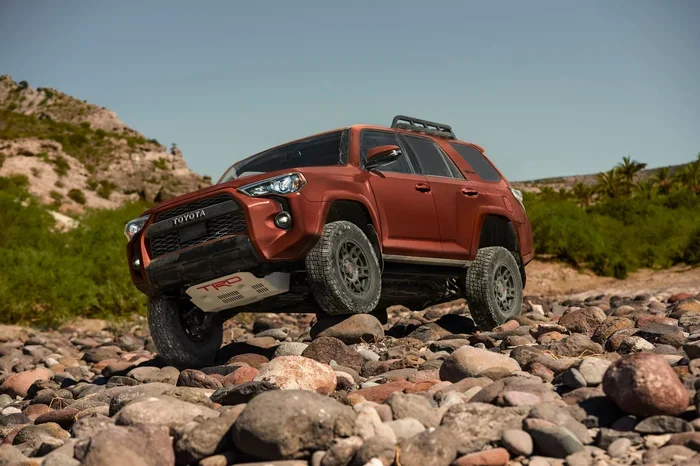
One of the biggest reasons people buy a 4Runner is for its off-road ability. Toyota offers several trim levels that cater to different types of adventurers. The TRD Off-Road trim comes with locking rear differential, hill-start control, and multi-terrain select. It handles dirt roads, gravel paths, and light trails with confidence.
The TRD Pro takes things even further. It includes FOX off-road shocks, crawl control, and a multi-terrain monitor. These features make the 4Runner Pro a serious rock-crawler and trail conqueror. Even the base SR5 trim offers solid off-road performance with its available 4WD system.
What makes the 4Runner special is that all of this capability comes without sacrificing reliability. Many off-road vehicles sacrifice durability for performance. The 4Runner proves you do not have to choose between the two.
Real-World Off-Road Performance
In real-world testing, the 4Runner excels. It has approach and departure angles that allow it to tackle steep inclines and declines. The off-road capability is boosted by good ground clearance and a low-range transfer case. These features let the 4Runner crawl over rocks and logs with ease.
Owners regularly take their 4Runners on multi-day overland trips. The vehicle handles everything from muddy trails to sandy dunes. Its reputation as an adventure vehicle is well-earned. If you want a SUV that can go anywhere and keep running, the 4Runner is hard to beat.
Is the 4Runner Worth the Investment?
Resale Value and Long-Term Ownership Costs
One of the strongest arguments for buying a 4Runner is its resale value. Few vehicles hold their value as well as the 4Runner. According to Kelley Blue Book, the 4Runner loses value much slower than most SUVs. After five years of ownership, a 4Runner still retains a significant portion of its original price.
This strong resale value is driven by high demand and low supply. Toyota builds 4Runners in limited numbers, which creates a waiting list at dealerships. The Toyota reliability brand reputation also plays a role. Buyers know they are getting a vehicle that will last, so they are willing to pay a premium for used models.
Let us look at a quick comparison of resale value:
- 4Runner (5 years): Retains roughly 60-65% of original value.
- Average SUV (5 years): Retains roughly 40-50% of original value.
- Competitors like the Jeep Wrangler: Hold value similarly well but may cost more in maintenance.
When you factor in the strong resale value, the total cost of ownership drops significantly. Even if the upfront price is higher than some competitors, the long-term financial picture favors the 4Runner.
New vs. Used: Which Makes More Sense?
Buying a new 4Runner means paying a premium price, often above $40,000. The latest models come with updated safety features, better infotainment, and improved comfort. But the mechanical setup is the same proven platform that has existed for years.
Buying a used 4Runner offers incredible value. A 2015 or 2016 model with 80,000 to 100,000 miles can be found for $25,000 to $35,000. At that price point, you are getting a reliable SUV that still has tens of thousands of miles left in its lifespan. The 4Runner lifespan is impressive, and well-maintained examples routinely reach 250,000 to 300,000 miles.
Here is a quick comparison of new vs. used ownership:
- New 4Runner: Higher upfront cost, full warranty, latest features, slower depreciation in the first year.
- Used 4Runner (3-5 years old): Lower purchase price, already absorbed the steepest depreciation, proven reliability record, more affordable insurance.
For most buyers, the used route makes the most financial sense. You get the same rugged SUV experience at a fraction of the cost.
Maintenance and Ownership Costs
Routine Maintenance Needs
Keeping a 4Runner in top shape is straightforward. The maintenance schedule is simple and affordable compared to many modern SUVs. Oil changes, tire rotations, and brake inspections are the core tasks. The 4Runner maintenance costs are among the lowest in the class.
Here is a rough breakdown of routine maintenance costs:
- Oil changes: Around $50 to $80 per service.
- Tire rotations: Around $30 to $50 per service.
- Brake pads: Typically last 40,000 to 60,000 miles.
- Timing chain: Designed to last the life of the engine in most cases.
- Transmission service: Recommended every 60,000 to 90,000 miles.
Because the 4Runner uses a simple and well-proven powertrain, there are fewer surprises at the mechanic. Parts are also widely available and reasonably priced. This keeps ownership costs manageable over the long haul.
Common Repairs and What to Expect
When repairs are needed on a 4Runner, they tend to be straightforward. The mechanical simplicity of the vehicle means there is less to go wrong. Most repairs are covered by standard warranties for the first few years of ownership.
Some repairs that may come up as the vehicle ages include:
- Suspension components: Control arms, ball joints, and bushings wear over time.
- Exhaust system: Rust can affect the exhaust on older models in cold climates.
- Water pump and thermostat: These are common wear items that are relatively inexpensive to replace.
- Battery: Typical replacement interval of 3 to 5 years.
None of these repairs are deal-breakers. They are normal maintenance items for any vehicle with high mileage. The key takeaway is that 4Runner repairs are generally affordable and easy to perform.
Who Should Buy a 4Runner?
The Ideal 4Runner Owner
The 4Runner is best suited for people who value reliability above all else. It is ideal for those who want a vehicle that will start every morning, handle rough roads, and last for years without major issues. The ideal 4Runner owner is someone who appreciates simplicity, durability, and real-world capability.
Families also love the 4Runner. It offers seating for five and a generous cargo area. The rear seats fold down to create a flat load floor, making it great for road trips and hauling gear. The safety features, including Toyota Safety Sense on newer models, add peace of mind.
Outdoor enthusiasts will find the 4Runner to be a perfect companion. Whether you are hauling kayaks, camping gear, or mountain bikes, this SUV has the cargo space and towing capacity to get the job done. The towing capacity of around 5,000 pounds is more than enough for most trailers and small boats.
When a 4Runner Might Not Be Right for You
While the 4Runner is excellent in many ways, it is not perfect for everyone. Here are some situations where you might want to consider alternatives:
- You need better fuel economy: The 4Runner gets around 16 to 20 mpg combined, which is modest for a modern SUV.
- You want the latest tech: The infotainment system is functional but not as cutting-edge as some competitors.
- You need a third row: The 4Runner seats five only. Families with more than four members may need a different vehicle.
- You prefer a smoother on-road ride: The body-on-frame design can feel stiffer on highways compared to unibody crossovers.
For these buyers, a Toyota RAV4 or Highlander might be a better fit. But if reliability, capability, and long-term value are your priorities, the 4Runner is hard to beat.
Expert Insights on 4Runner Ownership
What Mechanics Say
Automotive technicians who work on 4Runners regularly praise the vehicle for its straightforward design. The engine and transmission are well-understood, which makes diagnostics and repairs faster and less expensive. Many mechanics consider the 4Runner one of the easiest Toyota vehicles to work on.
One mechanic shared this insight: “The 4Runner is the last true body-on-frame SUV that Toyota still builds with reliability in mind. It is simple, strong, and it just keeps going. I have seen 4Runners with over 300,000 miles on the original engine and transmission.”
What Owners Say
Owner reviews paint a consistent picture of satisfaction. Most 4Runner owners report high levels of happiness with their vehicles. Common praise points include:
- Dependability: The vehicle starts and runs without issues, even in extreme weather.
- Off-road confidence: Owners feel capable tackling trails that would stop other SUVs.
- Low maintenance costs: Repairs are infrequent and affordable.
- Strong resale value: Owners feel they get their money back when it is time to sell.
The vehicle dependability of the 4Runner is the single most praised aspect by owners. It is the reason so many people buy a second or third 4Runner over the course of their lives.
Key Takeaways
- Proven Track Record: The 4Runner has decades of reliability data backing its reputation as one of the most dependable SUVs ever built.
- Strong Resale Value: Few vehicles hold their value as well as the 4Runner, making it a smart financial choice.
- Genuine Off-Road Capability: TRD trims offer serious performance on trails and rough terrain without sacrificing daily drivability.
- Affordable Maintenance: Simple mechanics mean lower repair costs and fewer unexpected bills.
- Long Lifespan: With proper care, a 4Runner can easily last 250,000 to 300,000 miles or more.
- Worth the Investment: Whether you buy new or used, the 4Runner delivers outstanding value for the money.
Conclusion
The answer to the question “are 4Runners still reliable” is a clear and definitive yes. The Toyota 4Runner continues to be one of the most dependable SUVs on the market. Its rugged reliability, strong resale value, and off-road capability make it a standout choice in a crowded SUV segment.
The 4Runner is not perfect. It lacks the fuel efficiency of modern crossovers and the high-tech features of some luxury SUVs. But for buyers who prioritize durability, capability, and long-term value, it is hard to find a better option. The Toyota 4Runner reliability record speaks volumes, and it has earned the trust of millions of owners worldwide.
If you are in the market for a dependable SUV that will serve you well for years to come, the 4Runner should be at the top of your list. Whether you choose a new model or a well-maintained used example, you are investing in a vehicle that is built to last. The 4Runner worth the investment verdict is clear: this iconic SUV continues to deliver where it counts most.
Do your research, test drive a few models, and find the 4Runner that fits your needs. You will not be disappointed.
Frequently Asked Questions
How long does a Toyota 4Runner last?
With proper maintenance, a 4Runner can easily last 250,000 to 300,000 miles. Many owners report their vehicles surpassing 300,000 miles without major mechanical issues. The simple, time-tested design of the 4Runner contributes to its impressive longevity.
Are 4Runners expensive to maintain?
No, 4Runners are among the most affordable SUVs to maintain. Routine services like oil changes and brake replacements are reasonably priced. The simple mechanical design means fewer expensive repairs compared to more complex modern vehicles.
What is the best year for a used 4Runner?
The 2010 to 2014 model years are widely considered the sweet spot for used 4Runner buyers. These models offer the proven 4.0-liter V6 engine, strong reliability, and affordable prices. The 2015 and newer models add updated features while maintaining the same dependable foundation.
Can a 4Runner handle serious off-roading?
Absolutely. The 4Runner is one of the best off-road SUVs available. TRD Off-Road and TRD Pro trims come with locking differentials, crawl control, and multi-terrain select. These features make the 4Runner capable on rocks, mud, sand, and steep trails.
Why does the 4Runner hold its value so well?
The 4Runner holds its value due to high demand, limited supply, and Toyota’s reputation for reliability. Buyers know they are getting a vehicle that will last, so they are willing to pay a premium even for used models. This strong resale value makes the 4Runner one of the best SUVs for long-term ownership.
Is the 4Runner a good family vehicle?
Yes, the 4Runner is a solid family SUV. It seats five passengers comfortably and offers a large cargo area. The available Toyota Safety Sense features provide added peace of mind for families. Just keep in mind that fuel economy is modest, and there is no third-row seating option.