Do Jeep Wranglers Have Blind Spot Monitoring System
Do Jeep Wranglers have blind spot monitoring? Yes, many modern trims come equipped with this safety feature, but it depends on the model year and trim level. The blind spot monitoring system uses sensors to alert you of vehicles in your blind zones during lane changes. This guide covers everything from Jeep Wrangler safety features to which trims include the technology and how it performs on and off the road.
Do Jeep Wranglers have blind spot monitoring? This is a question that many off-road enthusiasts and daily drivers ask when shopping for a new or used Jeep Wrangler. The short answer is yes, but with some important caveats. Not every trim level or model year includes this feature, and the system works differently than you might expect.
Jeep Wranglers are built for adventure. They tackle rocky trails, desert dunes, and muddy back roads with ease. But safety on the highway matters just as much. That is where blind spot monitoring comes in. This technology helps drivers stay aware of vehicles around them, especially during lane changes and merges. In this article, we will break down everything you need to know about blind spot monitoring on Jeep Wranglers, including which trims have it, how it works, and what to do if your model does not include it.
Key Takeaways
- Not all Jeep Wranglers come with blind spot monitoring: It is typically available on higher trims and newer model years.
- The system uses radar sensors: These are usually mounted on the rear bumpers or side mirrors to detect vehicles in your blind zones.
- It works best on paved roads: Off-road performance may vary since the sensors are designed for highway and street driving.
- You can add aftermarket systems: If your Wrangler lacks factory blind spot monitoring, you can install an aftermarket kit.
- It pairs well with other safety tech: Features like rear cross traffic alert and lane change assist work alongside blind spot monitoring.
- Newer model years offer more standard safety features: Jeep has been adding more driver assistance technology with each generation.
- Always do a shoulder check: Blind spot monitoring is a helper, not a replacement for safe driving habits.
📑 Table of Contents
- What Is Blind Spot Monitoring?
- Do Jeep Wranglers Have Blind Spot Monitoring?
- How Does Blind Spot Monitoring Work on a Jeep Wrangler?
- Benefits of Blind Spot Monitoring for Jeep Wrangler Owners
- How to Add Blind Spot Monitoring to a Jeep Wrangler That Does Not Have It
- Common Mistakes and Limitations of Blind Spot Monitoring
- Expert Insights on Jeep Wrangler Safety Technology
- Jeep Wrangler Blind Spot Monitoring vs. Competitors
- Final Thoughts
What Is Blind Spot Monitoring?
Before we dive into Jeep-specific details, let us cover the basics. Blind spot monitoring is a driver assistance feature that alerts you when a vehicle is in your blind spots. These are the areas around your car that you cannot see in your side mirrors or rearview mirror.
The system uses sensors, usually radar or cameras, mounted on the rear bumpers or side mirrors. When a vehicle enters your blind zone, the system gives you a visual or audible warning. Some advanced setups even provide a vibrating seat or steering wheel alert.
This technology is part of a broader category called advanced driver assistance systems, or ADAS. Other features in this category include lane departure warning, forward collision warning, and adaptive cruise control. Together, these systems aim to reduce accidents and make driving safer for everyone.
Blind spot monitoring is especially useful in heavy traffic, on highways, and during parking maneuvers. It does not replace good driving habits, but it adds an extra layer of protection. Think of it as a second set of eyes watching your blind zones.
Do Jeep Wranglers Have Blind Spot Monitoring?
So, do Jeep Wranglers have blind spot monitoring? The answer depends on several factors. These include the model year, trim level, and optional packages you choose. Let us break this down clearly.
Starting with newer model years, Jeep has been steadily adding more safety technology to the Wrangler lineup. The 2024 Jeep Wrangler and newer models are more likely to include blind spot monitoring as either standard or optional equipment. Older models, especially those from before 2020, may not have this feature at all without aftermarket installation.
Here is a quick look at how availability has changed over the years:
- 2018-2019 Jeep Wrangler: Blind spot monitoring was available as part of the convenience or safety package on higher trims. It was not standard on base models.
- 2020-2021 Jeep Wrangler: More trims began offering the feature. The Rubicon and Sahara trims had better access to it.
- 2022-2024 Jeep Wrangler: Jeep expanded the availability of driver assistance features. Blind spot monitoring became more common across trim levels.
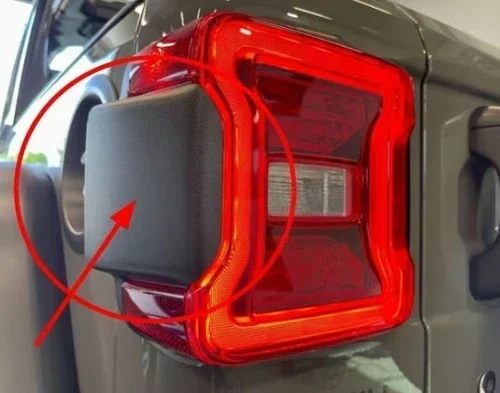
If you are buying a used Jeep Wrangler, always check the vehicle’s trim sheet or ask the seller. The Jeep Wrangler blind spot monitoring feature is clearly listed in the vehicle specifications for each model year. You can also look for the small sensor covers on the rear bumpers, which are a telltale sign the system is installed.
Which Jeep Wrangler Trims Include Blind Spot Monitoring?
Not every trim level gets blind spot monitoring by default. Here is a general breakdown of what to expect across the current Wrangler lineup:
- Sport: The base Sport trim may offer blind spot monitoring as part of an optional package. It is not always standard.
- Sahara: The Sahara trim is more likely to include blind spot monitoring, often as part of a convenience or safety group.
- Rubicon: The Rubicon trim, focused on off-road capability, typically offers blind spot monitoring in its higher-level packages.
- 4xe (Plug-In Hybrid): The Wrangler 4xe models often come with a fuller suite of safety tech, including blind spot monitoring.
- High Altitude and Limited Editions: These premium trims usually include blind spot monitoring as standard equipment.
The best way to confirm is to check the specific Jeep Wrangler trim comparison for your model year. Jeep’s website and dealer spec sheets list all available features clearly. If you are unsure, a quick call to your local dealer can settle it fast.
How Does Blind Spot Monitoring Work on a Jeep Wrangler?
Understanding how the system works helps you use it effectively. The Jeep Wrangler blind spot detection system relies on sensors placed strategically on the vehicle.
Most Jeep Wranglers use radar-based sensors. These are mounted on the rear bumpers, usually near the tail lights. The sensors scan the areas to the left and right of the vehicle, covering the zones that your mirrors cannot see. When a vehicle enters these zones, the system triggers an alert.
Here is what typically happens when the system detects a vehicle in your blind spot:
- A warning light illuminates on the side mirror or dashboard. This is usually an amber or red icon shaped like a car with curved lines.
- An audible beep sounds if you activate your turn signal while a vehicle is in the blind zone.
- Some models offer a steering wheel vibration to gently nudge you away from the lane change.
The system is designed to work at speeds above a certain threshold, usually around 15 to 20 mph. This is because blind spot monitoring is most relevant during highway driving and lane changes. At very low speeds or when parked, the system may not activate.
Does the System Work Off-Road?
This is a great question, and the answer is nuanced. Jeep Wrangler safety features like blind spot monitoring are primarily designed for on-road use. The sensors work best on flat, paved surfaces where the radar can accurately detect surrounding vehicles.
When you are crawling over rocks or driving through deep sand, the sensors may not function the same way. Uneven terrain can affect sensor alignment and accuracy. The system is not designed to detect trail obstacles, animals, or other off-road hazards. It is specifically for detecting other vehicles in your blind spots during lane changes and merges.
That said, if you switch from off-road to highway driving, the system recalibrates and works normally again. Just be aware of its limitations when the terrain gets rough.
Benefits of Blind Spot Monitoring for Jeep Wrangler Owners
Owning a Jeep Wrangler comes with a unique driving experience. The open-air feel, the removable doors, and the rugged capability make it a beloved vehicle. But these features also come with some blind spot challenges. Let us look at why blind spot monitoring is especially valuable for Wrangler owners.
1. Better Awareness During Lane Changes
Jeep Wranglers have a boxy shape. While this looks great, it can create larger blind spots compared to sleeker sedans. The wide rear pillars and tall roofline can block your view of adjacent lanes. Blind spot monitoring compensates for this by covering the areas your mirrors miss.
2. Added Safety When Towing
Many Jeep Wrangler owners use their vehicles for towing small trailers, boats, or ATVs. Towing changes your vehicle’s blind spots significantly. The blind spot monitoring system becomes even more important because your mirrors may not provide a clear view of vehicles behind and beside the trailer.
3. Confidence in Heavy Traffic
Whether you are commuting on a busy highway or navigating a crowded parking lot, blind spot monitoring gives you extra confidence. You do not have to constantly crane your neck to check for vehicles. The system does that work for you.
4. Works with Other Safety Features
Blind spot monitoring does not work alone. On many Jeep Wranglers, it is part of a larger safety suite. It pairs with rear cross traffic alert, which warns you of approaching vehicles when backing out of a parking space. It also works alongside lane change assist and collision warning systems. Together, these features create a comprehensive safety net.
How to Add Blind Spot Monitoring to a Jeep Wrangler That Does Not Have It
If your Jeep Wrangler does not come with factory blind spot monitoring, you are not out of luck. There are several ways to add this feature to your vehicle.
Aftermarket Blind Spot Monitoring Kits
Many companies manufacture aftermarket blind spot monitoring kits that are compatible with Jeep Wranglers. These kits typically include sensors that mount on the rear bumpers and a control module that integrates with your vehicle’s electrical system. Some kits even offer mirror-mounted display lights.
Popular aftermarket brands include:
- Gorilla Gear – offers easy-to-install kits for Jeeps
- Auto Ventshade – provides sensor-based detection systems
- iDatalink – offers integration modules that work with factory-style displays
Installation can range from a simple bolt-on process to a more involved wiring job. If you are not comfortable working with your vehicle’s electrical system, a professional installer can handle it for you. Expect to spend between $200 and $600 for a quality aftermarket kit and installation.
Professional Installation vs. DIY
Deciding between professional installation and a DIY approach depends on your comfort level with car electronics. Aftermarket kits come with detailed instructions, but incorrect installation can lead to false alerts or system malfunctions.
If you choose the DIY route, make sure to:
- Follow the wiring diagram carefully
- Test the system before driving
- Mount sensors at the correct height and angle
- Check local laws regarding aftermarket safety equipment
For most owners, professional installation is the safer and more reliable choice. A certified mechanic or Jeep specialist can ensure everything is wired correctly and functioning as intended.
Common Mistakes and Limitations of Blind Spot Monitoring
Blind spot monitoring is a powerful tool, but it is not perfect. Understanding its limitations helps you use it safely and effectively.
Mistake 1: Relying Too Heavily on the System
The biggest mistake drivers make is treating blind spot monitoring as a replacement for checking mirrors and doing shoulder checks. The system can malfunction, sensors can get dirty, and it may not detect every vehicle. Always perform a visual check before changing lanes.
Mistake 2: Ignoring Sensor Maintenance
The radar sensors on your Jeep Wrangler need to stay clean to work properly. Mud, snow, ice, and debris can block the sensors and cause the system to fail. After off-road adventures, take a moment to clean the sensor areas on your rear bumpers.
Mistake 3: Assuming It Works at All Speeds
As mentioned earlier, blind spot monitoring typically activates above a certain speed. It may not warn you of vehicles very close to your bumper at low speeds or while parked. Do not assume the system covers every scenario.
Limitation: False Alerts
Some drivers report false alerts, especially when driving near large structures like bridges or in heavy rain. The sensors can sometimes pick up on roadside objects or environmental interference. While this is rare, it is worth knowing about.
Limitation: Limited Off-Road Functionality
The system is optimized for paved roads. On trails, the sensors may give inaccurate readings or not activate at all. This is not a flaw, it is simply a design choice. The system is meant for on-road safety, not off-road navigation.
Expert Insights on Jeep Wrangler Safety Technology
Automotive safety experts consistently recommend blind spot monitoring for all vehicle types, including SUVs and off-road vehicles. According to the Insurance Institute for Highway Safety (IIHS), vehicles equipped with blind spot monitoring have lower rates of lane-change accidents.
For Jeep Wrangler owners specifically, experts note that the vehicle’s tall profile and boxy design make blind spot monitoring particularly valuable. The Jeep Wrangler safety features have improved dramatically in recent years, and blind spot monitoring is a key part of that progress.
Industry insiders also point out that the Jeep Wrangler’s strong resale value means buyers of used Wranglers should prioritize models with factory-installed safety tech. A Wrangler with blind spot monitoring not only offers better protection but also holds its value higher in the used market.
Jeep Wrangler Blind Spot Monitoring vs. Competitors
How does the Jeep Wrangler blind spot monitoring compare to what other similar vehicles offer? Here is a quick comparison:
- Ford Bronco: Offers blind spot monitoring as standard on most trims. Very similar to the Wrangler in capability and target audience.
- Toyota 4Runner: Includes blind spot monitoring on higher trims. Known for reliability and solid safety features.
- Land Rover Defender: Offers a comprehensive suite of driver assistance features, including blind spot monitoring, as standard on most trims.
- Chevrolet Tahoe: Provides blind spot monitoring as standard on most trims. A larger SUV with a similar off-road-capable image.
Compared to these competitors, the Jeep Wrangler holds its own. While some rivals offer blind spot monitoring as standard on base trims, Jeep tends to reserve it for higher trims or optional packages. However, the feature itself works similarly across all these vehicles and delivers comparable performance.
Final Thoughts
So, do Jeep Wranglers have blind spot monitoring? Yes, many do, and the feature is becoming more widely available with each new model year. Whether you drive a base Sport or a top-tier High Altitude, there is a good chance your Wrangler offers this valuable safety technology.
Blind spot monitoring enhances your awareness on the road. It helps you change lanes with confidence and reduces the risk of side-swipe collisions. For Jeep Wrangler owners who frequently tow, commute, or simply want an extra layer of protection, this feature is well worth having.
If your Wrangler does not come with factory blind spot monitoring, aftermarket kits offer a practical and affordable solution. Just remember that no technology replaces safe driving habits. Always check your mirrors, do your shoulder checks, and stay alert on the road. The blind spot monitoring system is your helpful co-pilot, not a substitute for your own attention and care.
Take the time to understand your vehicle’s safety features. Read the owner’s manual, ask questions at the dealership, and stay informed about updates and recalls. A well-informed driver is a safer driver, and that is what matters most on the road and off it.
Frequently Asked Questions
Do all Jeep Wranglers come with blind spot monitoring?
No, not all Jeep Wranglers come with blind spot monitoring. The feature is typically available on higher trims and newer model years. Base models and older Wranglers may not include it as standard or optional equipment. Always check the specific trim and model year before purchasing.
Can I add blind spot monitoring to an older Jeep Wrangler?
Yes, you can add blind spot monitoring to an older Jeep Wrangler using aftermarket kits. These kits include sensors, control modules, and display lights that integrate with your vehicle. Professional installation is recommended for the best results and reliability.
How much does it cost to add blind spot monitoring to a Jeep Wrangler?
Aftermarket blind spot monitoring kits typically cost between $200 and $600, including installation. Factory-installed systems on new Jeep Wranglers may add $500 to $1,000 to the vehicle’s price depending on the trim and package chosen.
Does blind spot monitoring work when off-roading in a Jeep Wrangler?
Blind spot monitoring is primarily designed for on-road use. The sensors work best on paved surfaces and may not function accurately on rough terrain. The system is not intended to detect trail obstacles, animals, or other off-road hazards.
Is blind spot monitoring the same as lane departure warning on a Jeep Wrangler?
No, they are different features. Blind spot monitoring alerts you to vehicles in your blind zones during lane changes. Lane departure warning alerts you when your vehicle drifts out of its lane without a turn signal. Both are valuable safety features but serve different purposes.
How do I know if my Jeep Wrangler has blind spot monitoring?
You can check your vehicle’s trim sheet, owner’s manual, or the Jeep website for your specific model year and trim. Look for sensor covers on the rear bumpers as a visual indicator. You can also ask your dealer or check the vehicle’s window sticker if buying used.
=== CONCLUSION ===
The Jeep Wrangler blind spot monitoring system is a valuable safety feature that many modern trims offer. Whether it comes factory-installed or is added through an aftermarket kit, this technology helps you stay aware of vehicles around you during lane changes and merges. Understanding which trims include it, how it works, and what its limitations are empowers you to make the best decision for your driving needs. Stay safe, stay informed, and enjoy every mile in your Jeep Wrangler.