Does the Tesla Model Y Need Snow Chains for Winter
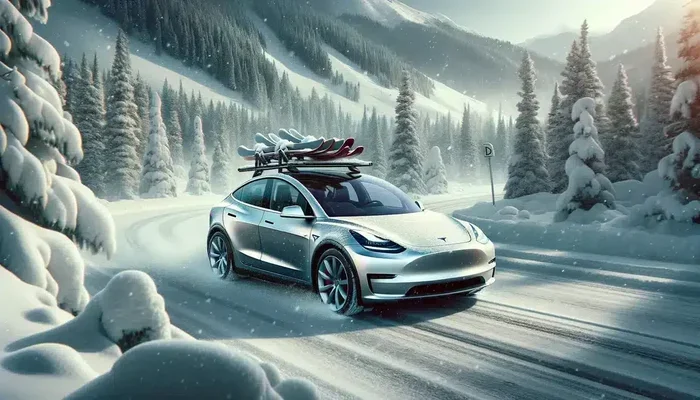
The Tesla Model Y handles light snow well thanks to its all-wheel drive system and advanced traction control, but snow chains may still be essential for severe winter conditions. Whether you live in a snowy mountain region or face icy commutes, understanding when and how to use chains can keep you safe and legal on the road. This guide covers everything you need to know about winter driving with your Model Y.
Winter driving raises a lot of questions for Tesla Model Y owners. One question comes up again and again: does the Tesla Model Y need snow chains for safe winter travel? The short answer is — it depends on where you drive and how bad the weather gets.
The Model Y is an impressive electric SUV. It handles light snow and moderate ice with confidence. Its all-wheel drive system, low center of gravity, and advanced traction control give it a real edge over many gas-powered vehicles. But no vehicle — electric or otherwise — is invincible in extreme winter conditions. Deep snow, black ice, and steep mountain passes can challenge even the best AWD systems.
This guide breaks down everything you need to know about winter driving with a Tesla Model Y. We will cover when chains are necessary, which ones to buy, how to install them, and what the law says. Whether you live in a snowy mountain town or face occasional icy commutes, this article has you covered.
Key Takeaways
- The Tesla Model Y handles moderate snow well: Its AWD system and low center of gravity give it excellent traction in most winter conditions.
- Snow chains are essential for extreme conditions: Deep snow, ice, and steep mountain roads often require chains even on capable EVs.
- Chain laws vary by state and region: Some areas mandate chains regardless of vehicle type, so always check local regulations.
- Fit matters enormously: Using the wrong size or type of chain can damage your tires and your car.
- Installation is straightforward: With practice, putting chains on a Model Y takes just a few minutes.
- Winter tires pair well with chains: Combining quality winter tires with chains offers the best cold-weather safety.
- Battery range drops in cold weather: Planning charging stops becomes even more important when using chains in winter.
📑 Table of Contents
- Understanding the Tesla Model Y and Winter Driving
- When Do You Actually Need Snow Chains?
- How to Choose the Right Snow Chains for Your Model Y
- Installing Snow Chains on a Tesla Model Y
- Legal Requirements and Chain Laws for the Tesla Model Y
- Expert Tips for Winter Driving with a Tesla Model Y
- Conclusion
Understanding the Tesla Model Y and Winter Driving
The Tesla Model Y is one of the most popular electric SUVs on the market. Its dual-motor all-wheel drive system sends power to all four wheels simultaneously. This gives it excellent grip on wet and slippery surfaces. The battery pack sits low in the chassis, which lowers the center of gravity and reduces the chance of sliding.
But here is the thing about winter driving. No car is perfect in every snow scenario. The Model Y excels in many situations, but certain conditions still push it to its limits. Understanding these limits helps you make smart decisions about tire chains and winter safety.
How the Model Y Handles Snow
In light to moderate snow, the Tesla Model Y performs remarkably well. The AWD system constantly adjusts torque to each wheel. If one wheel starts to slip, the system redirects power to the wheels with better grip. This happens in milliseconds, often before you even notice a loss of traction.
The electric motors also deliver instant torque. This can be a double-edged sword in snow. On one hand, instant power means quick acceleration. On the other hand, too much throttle on ice can cause wheel spin. Tesla addresses this with traction control settings that limit wheel slip. But the driver still needs to be cautious.
The tire tread depth on the stock all-season tires matters a lot. New all-season tires with deep grooves handle snow reasonably well. But as tires wear down, their ability to grip snow decreases. This is true for any vehicle, not just the Model Y.
When the Model Y Struggles in Winter
There are situations where even the best Model Y needs help. Deep snow is the biggest challenge. When snow piles up past the wheel wells, the tires lose contact with the road surface. The AWD system can only work with what the tires can grip. If the tires are buried, no amount of electronic help will get you moving.
Black ice is another serious threat. Black ice forms when rain or melted snow freezes on the road. It is nearly invisible and extremely slippery. On black ice, even AWD vehicles can slide uncontrollably. This is where snow chains become critical.
Steep mountain roads and long inclines also test the limits of the Model Y. Chain laws in mountain regions often require chains regardless of your drivetrain. The steep grades combined with ice and snow make chains a necessity in these areas.
When Do You Actually Need Snow Chains?
Knowing when to use snow chains on your Tesla Model Y comes down to three factors: road conditions, weather severity, and local laws. Let us break each one down.
Road Conditions That Demand Chains
Not all snow is created equal. Here are the road conditions where chains become necessary for a Model Y:
- Deep, unplowed snow: Any snow depth over 6 inches that has not been cleared can trap a vehicle. Chains help the tires bite through the snow to reach the pavement.
- Black ice patches: Even a thin layer of black ice can cause a complete loss of control. Chains provide mechanical grip that electronic systems alone cannot match.
- Packed ice on mountain passes: Mountain roads often have layers of ice packed down by traffic. These surfaces are extremely slick and dangerous without chains.
- Steep inclines and declines: Going up or down a steep hill on ice requires maximum traction. Chains give the Model Y the grip it needs to climb and descend safely.
- Unpaved or gravel mountain roads: These roads often ice over in winter and are not treated with salt or sand. Chains are almost always required here.
Weather Severity and Chain Needs
The severity of winter weather determines how often you will need chains. If you live in a region with mild winters and occasional light snow, you may never need them. The Model Y with its standard all-season tires will handle those conditions just fine.
But if you live in an area with heavy snowfall, frequent ice storms, or long winter seasons, chains are a smart investment. Think of the mountain states, the upper Midwest, or the Northeast. In these regions, snow chains for a Tesla Model Y are not just a nice-to-have — they are a practical necessity.
Also consider how often you drive. If you commute daily on roads that are plowed and salted, chains may rarely come off the trunk. If you take long road trips through remote mountain areas, you will want chains ready at all times during winter months.
The Role of Winter Tires
Before we go further, let us talk about winter tires. Many Model Y owners switch to winter tires during the cold months. Winter tires have a special rubber compound that stays flexible in low temperatures. They also have deeper tread patterns designed to channel snow and water away from the contact patch.
Winter tires significantly improve the Model Y‘s performance in snow and ice. They reduce the need for chains in many situations. However, winter tires do not replace chains for extreme conditions. Think of winter tires as a great first layer of protection and chains as the backup for the worst scenarios.
The combination of winter tires and snow chains gives you the best possible cold weather driving capability. Many EV owners keep both ready during winter. This is especially true for anyone who drives in mountainous terrain regularly.
How to Choose the Right Snow Chains for Your Model Y
Not all tire chains are the same. The Tesla Model Y comes in different sizes and configurations, and you need chains that fit correctly. Using the wrong chains can damage your vehicle and void your warranty.
Check Your Tire Size First
The first step is to know your exact tire size. You can find this on the driver’s door jamb or in the owner’s manual. The Model Y typically comes with 19-inch or 20-inch wheels, and the tire sizes vary by trim and model year.
Common tire sizes for the Model Y include:
- 235/45R19 (Performance and Long Range variants)
- 255/45R20 (Performance variant with 20-inch wheels)
Always measure your actual tire size before purchasing chains. Tire sizes can vary slightly depending on the wheel option you chose. Buy chains that are rated for your specific size.
Types of Snow Chains for the Model Y
There are several types of snow chains available. Each has its pros and cons:
- Traditional link chains: These are the most common and durable type. They provide excellent traction on deep snow and ice. However, they can be noisy on pavement and require careful installation.
- Cable chains: Cable chains use steel cables instead of cross chains. They are lighter, quieter, and easier to install. They work well for light to moderate snow but may not be as durable in extreme conditions.
- Auto chains (automatic tensioning): These chains tighten automatically as you drive. They are the easiest to install and remove. They are a great option for Model Y owners who want convenience without sacrificing safety.
- Chain socks (textile covers): These fabric covers wrap around the tire and provide grip in snow. They are lighter and easier to install than metal chains. However, they are not suitable for ice or long-term use on hard-packed snow.
Tesla’s Recommendations and Guidelines
Tesla does not officially endorse a specific brand of snow chains. However, the owner’s manual does provide guidance. Tesla recommends using chains that fit the tire size precisely. They also advise driving at reduced speeds when chains are installed — typically no more than 30 mph (50 km/h).
Tesla also warns that chains can damage the Model Y‘s suspension and body if they do not fit properly. Always follow the manufacturer’s installation instructions and check chain tension during your first few miles of driving.
Installing Snow Chains on a Tesla Model Y
Installing snow chains on a Tesla Model Y is a straightforward process. It does take some practice, so we recommend installing them at home before you actually need them on the road.
Step-by-Step Installation Guide
- Park on a flat, stable surface: Find a level spot away from traffic. Turn on your hazard lights and apply the parking brake.
- Lay out the chains: Unpack the chains and untangle them. Lay them flat on the ground near the tire you will be fitting.
- Drape the chains over the tire: Place the chain over the top of the tire, making sure the connector pieces are at the back of the tire.
- Tuck the cross chains under the tire: Pull the chains around the sides of the tire and tuck the cross links underneath. Make sure the chains are evenly distributed.
- Connect and tighten: Use the ratchet or connector to tighten the chains snugly against the tire. Drive forward a few feet and re-tighten if needed.
- Check for proper fit: After driving 50 to 100 feet, stop and re-check the chains. Make sure they are not rubbing against the suspension or body panels.
Quick Tips for Chain Installation
- Practice installing chains at home before winter weather hits.
- Wear gloves to keep your hands warm and dry.
- Keep a flashlight in your trunk for nighttime installations.
- Install chains on the drive wheels only (front for FWD, rear for RWD, all for AWD — check your manual).
- Do not drive on clear pavement with chains. They will damage the road surface and wear out quickly.
Common Mistakes to Avoid
Even experienced drivers make mistakes when installing chains. Here are the most common ones:
- Buying the wrong size: Chains that are too loose will pop off. Chains that are too tight can damage your tires or suspension.
- Driving too fast with chains: Exceeding 30 mph with chains installed can cause them to break or damage your car.
- Driving on bare pavement: Chains on dry pavement wear out rapidly and can damage the road surface. Remove them as soon as you reach cleared roads.
- Not checking tension regularly: Chains loosen as you drive. Check them every few miles during the first 20 miles after installation.
- Ignoring the owner’s manual: Tesla provides specific guidance on chain use. Always follow it to avoid damage and warranty issues.
Legal Requirements and Chain Laws for the Tesla Model Y
Chain laws vary significantly from state to state and even from county to county. Understanding these laws is essential for any Model Y owner who drives in winter conditions.
States With Mandatory Chain Laws
Several states have laws that require snow chains on certain roads during winter months. These laws typically apply to all vehicles, including electric SUVs like the Model Y. States with notable chain laws include:
- California: Requires chains on certain mountain passes during winter. The Model Y is not exempt from these requirements.
- Colorado: Has a Passenger Vehicle Chain Law that applies to all vehicles, including EVs, during severe winter storms.
- Oregon: Requires chains on specific mountain highways during winter conditions.
- Washington: Mandates chains on many mountain passes from November through March.
- Utah: Has variable traction laws that may require chains on certain roads during winter storms.
What Happens If You Do Not Carry Chains?
In areas with mandatory chain laws, failing to carry or use chains can result in fines. More importantly, it can put you and others at risk. If road conditions require chains and you do not have them, you may be turned away at chain control checkpoints.
Some areas also have traction device requirements that go beyond traditional chains. Studded tires, cable chains, and certain traction devices may be accepted in place of traditional chains. Always check the specific requirements for the roads you plan to travel.
EV-Specific Considerations for Chain Laws
Because the Tesla Model Y is an electric vehicle, some drivers assume chain laws do not apply to them. This is not true. Chain laws are based on road conditions and vehicle type (passenger vehicles), not on powertrain. The Model Y must comply with the same chain requirements as any other passenger vehicle.
That said, the Model Y‘s AWD system and instant torque give it a natural advantage in snow. Some chain control areas may allow EVs with proper winter tires to bypass chain requirements. But this is not guaranteed, and you should always carry chains as a precaution.
Expert Tips for Winter Driving with a Tesla Model Y
Driving a Tesla Model Y in winter is a great experience overall. But a few expert tips can make it even safer and more efficient.
Plan Your Charging Stops Carefully
Cold weather reduces EV battery range. The Model Y may lose 20 to 40 percent of its range in extreme cold. When you are using snow chains, the extra rolling resistance further reduces range. Plan your charging stops more frequently than you normally would. Use the Tesla navigation system to pre-plan routes with Superchargers along the way.
Precondition Your Vehicle
Tesla’s preconditioning feature warms the battery and cabin before you drive. Use the Tesla app to precondition your Model Y while it is still plugged in. This improves range, makes the cabin comfortable, and ensures the drivetrain is ready for winter driving.
Drive Smooth and Predictable
Smooth driving is the key to staying safe on icy roads. Avoid sudden acceleration, hard braking, and sharp turns. The Model Y‘s regenerative braking system helps with smooth deceleration, but you should still leave extra following distance. Give yourself plenty of room to stop on snow and ice.
Keep Your Tires Properly Inflated
Tire pressure drops in cold weather. Low tire pressure reduces traction and increases energy consumption. Check your tire pressure regularly during winter and keep them at the recommended level. You can find the recommended pressure on the driver’s door jamb.
Pack an Emergency Winter Kit
Always keep a winter emergency kit in your Model Y. This should include:
- A set of snow chains (or cable chains for lighter trips)
- A scraper and snow brush
- A small shovel
- Warm blankets and extra clothing
- An ice scraper and de-icer spray
- A phone charger and emergency flashlight
- Water and non-perishable snacks
Key Takeaways for Winter Model Y Owners
- The Tesla Model Y handles moderate snow well thanks to AWD and low center of gravity.
- Snow chains become essential for deep snow, black ice, steep mountain roads, and areas with mandatory chain laws.
- Pair winter tires with chains for the best cold-weather performance.
- Always buy chains that match your exact tire size.
- Practice installing chains at home before you need them on the road.
- Check local chain laws before every winter trip.
- Reduce driving speed and increase following distance when using chains.
Conclusion
So, does the Tesla Model Y need snow chains for winter? The answer is nuanced. For light snow and well-maintained roads, the Model Y handles winter driving beautifully on its own. Its all-wheel drive system and advanced electronics make it one of the most capable electric SUVs in snow.
However, for deep snow, black ice, steep mountain roads, and areas with mandatory chain laws, snow chains are a must. They provide the mechanical grip that electronic systems alone cannot deliver. They also keep you legal and safe when winter conditions become severe.
The smartest approach is to be prepared. Invest in a quality set of snow chains that fit your Model Y perfectly. Practice installing them at home. Keep them in your trunk during winter months. And always check road and weather conditions before heading out.
Winter driving with a Tesla Model Y can be enjoyable and stress-free — as long as you respect the conditions and equip your vehicle properly. Stay safe, stay prepared, and enjoy the ride.
Frequently Asked Questions
Can I use cable chains instead of traditional link chains on my Tesla Model Y?
Yes, cable chains work well for light to moderate snow conditions. They are quieter and easier to install than traditional link chains. However, for extreme ice and deep snow, traditional link chains provide better traction.
Will using snow chains void my Tesla warranty?
No, using properly fitted snow chains will not void your Tesla warranty. However, damage caused by improperly sized or installed chains may not be covered. Always follow Tesla’s guidelines and the chain manufacturer’s instructions.
How fast can I drive with snow chains on my Model Y?
Tesla recommends driving no faster than 30 mph (50 km/h) when chains are installed. Driving faster can damage the chains, your tires, and the vehicle’s suspension. Remove chains as soon as you reach cleared pavement.
Do I need snow chains on all four wheels of my Model Y?
For AWD Tesla Model Y vehicles, chains are typically recommended on all four wheels for optimal traction and stability. Check your specific model’s owner manual for guidance on which wheels require chains.
Can I use snow socks instead of chains on my Tesla Model Y?
Snow socks work well for light snow and short trips. They are easier to install and much lighter than metal chains. However, they are not suitable for severe winter conditions, ice, or long-distance driving. For extreme conditions, traditional chains are safer.
How often should I check my snow chains during a winter drive?
Check your chain tension after the first 50 to 100 feet of driving, and then again every 10 to 15 miles. Chains loosen as they settle, and loose chains can damage your vehicle or come off entirely. Re-tighten as needed throughout your trip.