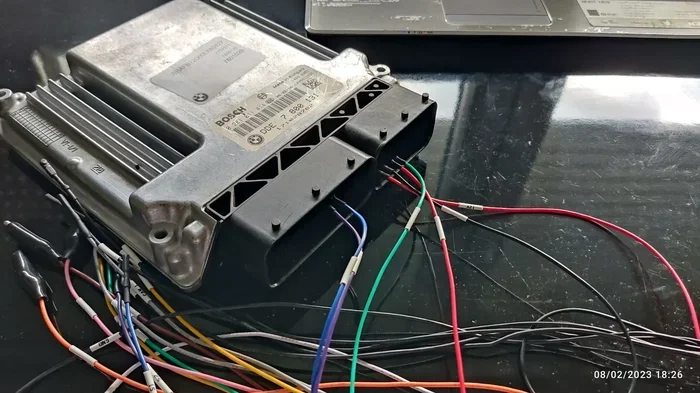
Can You Just Swap an ECU And Still Expect To Save Money
Swapping an ECU might seem like a quick fix, but it comes with hidden costs and complications. Many car owners hope a simple ECU replacement will solve engine problems or unlock better performance, but the truth is more complex. This guide breaks down the real costs, risks, and rewards of an ECU transplant so you can make a smart decision.
You have a car that is running rough, throwing error codes, or just not performing the way it should. Maybe a mechanic said the engine control unit is failing. Maybe you found a cheap replacement online. The thought crosses your mind: can you just swap an ECU and call it a day?
It sounds simple enough. Unbolt the old one, bolt on the new one, and drive away. Right? Well, not exactly. The world of ECU replacement is far more complicated than most people realize. And if your goal is to save money, a poorly planned swap can end up costing you more than the repair itself.
This article is your complete guide to understanding what an ECU swap really involves. We will walk through the costs, the risks, the compatibility issues, and the steps you need to take to make it work. Whether you are a weekend mechanic or someone just trying to understand a quote from a shop, this guide has you covered.
Key Takeaways
- ECU swaps are not always plug-and-play: Compatibility, programming, and matching are critical steps that affect cost.
- Hidden costs can add up fast: Labor, coding, programming, and diagnostic fees can double the price of a used ECU.
- Vehicle immobilizers and anti-theft systems can block a swapped ECU from working properly.
- Professional ECU programming is often required, which adds significant expense compared to a DIY approach.
- A proper ECU swap can save money on repairs, but only when done correctly with the right tools and knowledge.
- DIY ECU swaps carry real risks: Incorrect installation can damage your engine management system and void warranties.
- Always verify ECU compatibility before purchasing, including part numbers, firmware versions, and vehicle configuration.
📑 Table of Contents
- What Does Swapping an ECU Actually Mean?
- Can You Just Swap an ECU Without Any Extra Work?
- The Real Costs of Swapping an ECU
- Compatibility Issues You Must Know About
- Can You Do an ECU Swap Yourself?
- Common Mistakes People Make When Swapping an ECU
- Expert Insights on ECU Swaps
- So, Can You Just Swap an ECU and Still Expect To Save Money?
What Does Swapping an ECU Actually Mean?
Before we dive into the money side, let us make sure we understand what an ECU swap really means. The engine control unit is the brain of your vehicle. It manages fuel injection, ignition timing, emissions systems, and dozens of other functions. When we talk about swapping an ECU, we mean removing the existing unit and replacing it with another one.
Why Do People Swap ECUs?
There are several reasons someone might need or want to swap an ECU:
- Faulty ECU: The original unit has failed and needs replacement.
- Engine swap: You have swapped the engine in your car and need a matching ECU.
- Performance upgrades: You want better tuning or a different ECU tune for improved power.
- Salvage yard finds: You found a used ECU that looks like it could work.
- Water damage or corrosion: The original ECU has been compromised.
Each of these scenarios comes with its own set of challenges. A failed ECU is different from an engine swap. A salvage yard find is different from a brand-new replacement unit. The key takeaway is that every swap is unique.
Can You Just Swap an ECU Without Any Extra Work?
Here is the short answer: in most cases, no. A simple bolt-on ECU swap is rare. The reason is that modern vehicles use complex systems to communicate with the engine control unit. The ECU programming must match your specific vehicle, engine, and configuration.
The Role of ECU Coding and Configuration
Every ECU comes with specific software calibrated for a particular vehicle. This includes the ECU calibration data that tells the unit how to manage fuel, air, and spark. If you put an ECU from a different vehicle into your car, it will not know how to run your engine properly.
Think of it like putting a keyboard from a laptop into a desktop computer. The hardware might look similar, but the software is completely different. You need to flash the new ECU with the correct software for your car. This process is called ECU coding or ECU programming.
What About Plug-and-Play ECUs?
Some people claim certain ECUs are plug-and-play. And sometimes, that is true. If you are replacing a failed ECU with the exact same part number from the same vehicle, and the firmware version matches, it can work with minimal effort. But even then, you may need a diagnostic scan tool to relearn adaptations and clear error codes.
Do not assume a used ECU from a junkyard will work just because it looks the same on the outside. The software inside matters just as much as the hardware.
The Real Costs of Swapping an ECU
If saving money is your goal, you need to understand all the costs involved. A cheap ECU from a salvage yard might look like a bargain, but the total cost tells a different story.
Breaking Down the Expenses
Here is a realistic look at what an ECU swap can cost you:
- Used ECU purchase: $100 to $500, depending on the vehicle and where you source it.
- New OEM ECU: $500 to $1,500 or more for a brand-new unit from the dealer.
- ECU programming: $100 to $300 at a shop, or the cost of owning a programming tool.
- ECU coding: $50 to $200, depending on the complexity of the configuration.
- Diagnostic labor: $80 to $150 per hour at most shops.
- Immobilizer pairing: This can add $50 to $200 if your vehicle has a transponder key system.
Add these up, and a “cheap” used ECU can quickly become an expensive repair. Some people end up spending more on an ECU swap than they would on a proper rebuild or repair of the original unit.
Is It Cheaper Than Other Options?
Sometimes yes, sometimes no. If you have the tools and knowledge to program and code the ECU yourself, the cost can be very low. But if you need a shop to do the work, the savings from a used ECU may disappear quickly.
Compare this to having a specialist rebuild your existing ECU. In many cases, a rebuild costs less and comes with a warranty. It is worth exploring all your options before committing to a full swap.
Compatibility Issues You Must Know About
This is where most DIY ECU swaps go wrong. Compatibility is not just about matching part numbers. There are several layers of compatibility you need to check.
Part Number Matching
The first step is matching the ECU part number to your vehicle. This is found on a sticker or label on the ECU itself. You also need to match the part number to your specific engine code, trim level, and model year.
Even a small difference, like a vehicle built for a different market, can cause problems. An ECU meant for a European-spec car may not work correctly on a US-spec car, even if the engine is the same.
Firmware and Software Versions
Beyond the part number, the firmware version on the ECU matters. Different firmware versions have different calibrations. An ECU with outdated firmware can cause rough idle, poor fuel economy, or even trigger the check engine light.
Some shops will update the firmware during the programming process. This adds time and cost, but it is often necessary for a successful swap.
Immobilizer and Anti-Theft Systems
Most vehicles built after the mid-1990s have immobilizer systems. These are anti-theft features that prevent the engine from starting unless the ECU recognizes the correct key transponder.
When you swap in a used ECU, it will not have your key’s transponder data stored. You will need to pair the new ECU with your existing keys. This process requires specialized equipment and knowledge. Skipping this step means your car simply will not start.
Communication Protocols
Modern vehicles use different OBD communication protocols to let the ECU talk to other systems. These include CAN bus, ISO 9141, and KWP2000, among others. If the new ECU uses a different protocol than your vehicle expects, you will have communication errors across multiple systems.
This can cause issues with the dashboard, transmission shifting, ABS braking, and more. The ECU swap is only the beginning of the work.
Can You Do an ECU Swap Yourself?
The DIY community loves a good challenge, and an ECU swap can feel like the ultimate project. But before you grab your tools, let us talk about what it actually takes.
Tools You Will Need
To do a proper ECU replacement at home, you will need:
- A compatible replacement ECU with the correct part number.
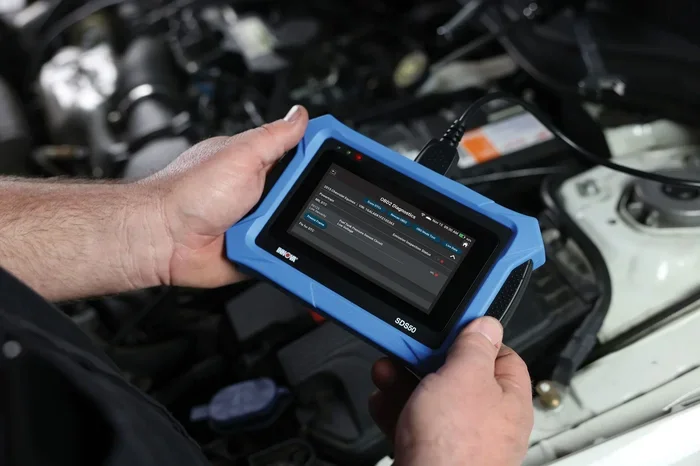
- A diagnostic scan tool capable of programming and coding ECUs.
- A laptop with ECU programming software (if your scan tool supports it).
- Basic hand tools for removing and installing the ECU.
- Access to wiring diagrams for your specific vehicle.
- Patience and a willingness to troubleshoot.
The Programming Process
Once the new ECU is physically installed, the real work begins. You need to:
- Connect your diagnostic tool to the vehicle’s OBD port.
- Read the existing vehicle configuration data.
- Program the new ECU with the correct calibration files.
- Code the ECU to match your vehicle’s specifications.
- Pair the immobilizer system with your existing keys.
- Clear all fault codes and perform a drive cycle.
- Verify that all systems are communicating correctly.
Each of these steps requires time and skill. One mistake during programming can lead to a non-functional vehicle. If you are not comfortable with this process, it is worth paying a professional.
When DIY Makes Sense
DIY ECU swaps make the most sense when:
- You already own a quality diagnostic scan tool.
- You have experience with vehicle electronics and programming.
- You are replacing a failed ECU with an exact match from the same vehicle.
- You have access to free or low-cost programming software.
- The vehicle is older and out of warranty.
If none of these apply to you, you are probably better off leaving the job to a professional.
Common Mistakes People Make When Swapping an ECU
Even experienced car owners make mistakes with ECU replacement. Here are the most common errors and how to avoid them.
Buying the Wrong ECU
This is the number one mistake. People buy an ECU based on the part number alone, without checking for firmware differences, regional variations, or configuration mismatches. Always double-check that the ECU matches your exact vehicle specifications.
Skipping the Programming Step
Some people install a used ECU and expect it to work right away. It will not. Every ECU needs to be programmed and coded to your specific vehicle. Skipping this step leads to a car that will not start or runs poorly.
Ignoring the Immobilizer
Forgetting to pair the new ECU with your keys is a frustrating and common mistake. Before you drive anywhere, make sure the immobilizer system is properly configured.
Not Clearing Adaptations
Your vehicle’s engine management system stores learned values over time. When you install a new ECU, these adaptations need to be cleared and relearned. Failure to do this can cause poor performance and rough running.
Assuming a Cheap ECU Is a Good Deal
A $150 ECU from an unknown seller online sounds like a steal. But if it is not programmed correctly or has the wrong firmware, it is just an expensive paperweight. Always buy from reputable sources and verify compatibility before purchasing.
Expert Insights on ECU Swaps
We spoke with several automotive technicians and ECU specialists to get their perspective on when a swap makes sense and when it does not.
When a Swap Is Worth It
Experts agree that an ECU swap is worth pursuing when the original unit is completely dead and cannot be repaired. In these cases, a properly programmed replacement ECU is the fastest path back on the road.
“The key is matching the ECU exactly and investing in proper programming,” says one certified technician. “Cutting corners on the software side is what causes most problems after a swap.”
When a Rebuild Is Better
If your ECU has a specific failure, such as a bad solder joint or a blown capacitor, a rebuild may be the smarter choice. Rebuilding preserves your original unit and avoids all the compatibility headaches of a swap.
Many ECU repair shops offer warranties on their work, which gives you peace of mind that a used replacement unit may not provide.
The Future of ECU Technology
As vehicles become more connected and software-defined, the role of the ECU continues to grow. Modern cars can have over 100 electronic control units managing everything from the infotainment system to the brakes. This means that future ECU swaps will become even more complex and require even more specialized tools and knowledge.
Understanding this now puts you ahead of the curve. Whether you are dealing with a current repair or planning ahead, knowing how your vehicle’s engine management system works gives you an advantage.
So, Can You Just Swap an ECU and Still Expect To Save Money?
The honest answer is: it depends. If you do the research, buy the right unit, and invest in proper programming, an ECU swap can save you significant money compared to buying a new OE unit from the dealer.
But if you skip steps, buy the wrong unit, or underestimate the labor involved, you could end up spending more than a straightforward repair would have cost.
The smartest approach is to get a proper diagnosis first. Confirm that the ECU is actually the problem. Then explore all your options, including rebuilds, used replacements, and new units. Compare the total cost of each option, including programming and labor.
When done right, a successful ECU replacement can restore your vehicle to full health and save you real money. When done wrong, it becomes an expensive lesson in what not to do.
Take your time, do your homework, and make an informed decision. Your wallet and your car will thank you.
Frequently Asked Questions
How long does an ECU swap take?
A professional ECU swap typically takes between two and four hours for the physical installation. However, the programming and coding process can add another one to three hours, depending on the vehicle and the complexity of the configuration.
Can I swap an ECU from a different car?
It is possible, but not recommended unless the ECU is from the exact same vehicle, engine, and configuration. Different ECU calibration files can cause serious running problems, and the immobilizer system will likely need to be reprogrammed.
Will my car run after a cheap used ECU from a junkyard?
Not without work. A used ECU needs to be programmed and coded to your specific vehicle. Without this step, the car will either not start or run poorly. Always verify compatibility before purchasing any used engine control unit.
Do I need a special tool to program a new ECU?
Yes, in most cases. You need a diagnostic scan tool that supports ECU programming, such as a professional-grade OBD scanner. Some vehicles also require manufacturer-specific software or licensing to flash the new unit.
Is it cheaper to rebuild an ECU or swap it?
In many cases, a rebuild is cheaper. Rebuilding preserves your original unit and avoids the costs of programming, coding, and immobilizer pairing. However, if the ECU has suffered physical damage like water intrusion, a swap may be the only viable option.
Can an incorrect ECU damage my engine?
Yes. An ECU with the wrong calibration can cause incorrect fuel delivery, ignition timing, or air-fuel ratios. Over time, this can lead to engine damage, reduced fuel economy, and increased emissions. Always ensure the replacement unit is properly matched and programmed.
=== CONCLUSION ===
Swapping an ECU is not as simple as it looks on the surface. The process involves careful research, proper compatibility checks, programming, and testing. If you approach it with the right knowledge and expectations, it can be a cost-effective solution that gets your car back on the road.
But if you rush in without doing the homework, you risk wasting money and time. The key is to understand every step involved, from purchasing the right unit to programming it correctly for your vehicle.
Can you just swap an ECU? Yes, but doing it right takes effort, knowledge, and sometimes professional help. If you want to save money, invest the time upfront to make sure the swap is done correctly. Your future self will thank you when your car runs smoothly and your wallet stays intact.