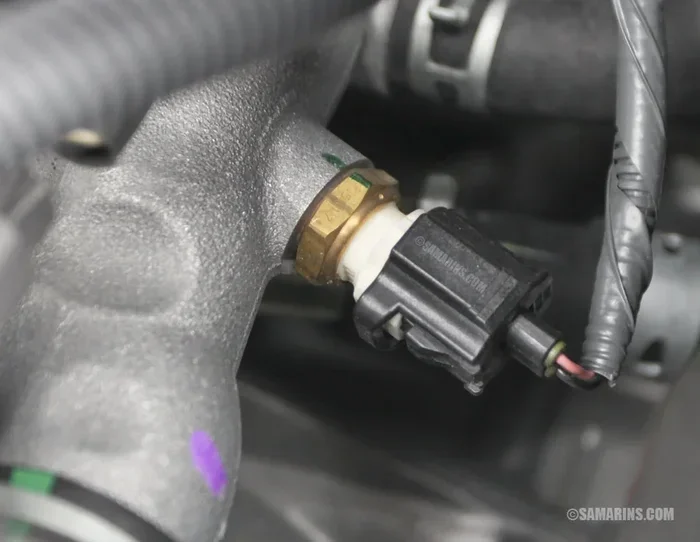
Can a Bad Temperature Sensor Cause a Car to Overheat
Can a bad temperature sensor cause a car to overheat? Yes, it absolutely can. A faulty sensor sends wrong data to the engine computer, which disrupts the cooling system and leads to dangerous overheating. Recognizing the early signs can save you from costly repairs and keep your engine running safely.
Key Takeaways
- Sensor Failure Directly Impacts Cooling: A bad temperature sensor can prevent the radiator fan from turning on or mess with the thermostat.
- Watch for Warning Signs: High temp gauge, check engine light, and poor fuel economy are red flags.
- DIY Checks Are Possible: You can test the sensor with a multimeter before visiting a mechanic.
- Ignoring It Is Risky: Continued driving with a faulty sensor can lead to a blown head gasket or warped engine parts.
- Replacement Is Usually Affordable: Fixing this early saves you from much more expensive engine repairs down the road.
📑 Table of Contents
- What Is a Temperature Sensor and Why Does It Matter?
- Can a Bad Temperature Sensor Cause a Car to Overheat?
- Common Symptoms of a Failing Temperature Sensor
- How a Bad Sensor Leads to Overheating: The Chain Reaction
- Comparing a Good vs. Bad Temperature Sensor
- Quick Tips to Prevent Overheating
- Common Mistakes People Make When the Car Overheats
- Expert Insights on Temperature Sensor Maintenance
- Key Takeaways from This Guide
What Is a Temperature Sensor and Why Does It Matter?
Your car is a complex machine with many parts working together in perfect harmony. One of the most important parts is the coolant temperature sensor. People also call it the ECT sensor. This small device plays a huge role in keeping your engine safe from heat damage.
So, what does this sensor actually do? It measures the temperature of the coolant fluid. The coolant flows through your engine block to absorb the heat generated by combustion. The sensor reads how hot this fluid is getting. Then, it sends that information directly to the engine control unit, or ECU.
The ECU is like the brain of your car. It uses the sensor data to make smart, split-second decisions. It decides when to open the thermostat to let coolant flow. It tells the radiator fan when to turn on for extra cooling. It even changes the fuel and air mix to keep the engine running at peak efficiency.
When the sensor works right, you never even think about it. But when it breaks, everything goes wrong. The engine can run too hot or too cold. This leads to poor performance, rough idling, and serious damage over time. Think of the sensor as the eyes of the ECU. Without clear information, the brain cannot protect the engine. It is like driving a car with a broken speedometer. You do not know how fast you are going. You do not know when to slow down. This is exactly why a bad temperature sensor causes so many problems, including engine overheating.
Can a Bad Temperature Sensor Cause a Car to Overheat?
The short answer is yes. A bad temperature sensor can absolutely cause a car to overheat. But how does this happen exactly? It all comes down to the wrong signals being sent to the engine computer.
When the sensor goes bad, it stops sending accurate data to the ECU. Sometimes it sends a signal that says the engine is freezing cold. Other times, it says the engine is boiling hot. The ECU believes whatever the sensor tells it. It cannot tell the difference between a lie and the truth. It just acts on the information it receives.
If the sensor says the engine is cold, the ECU will act like it is cold. It will keep the thermostat closed. It will not turn on the radiator fan. The engine will run rich with extra fuel. All of this creates more heat inside the cylinders. The engine temperature rises fast and dangerously.
On the other hand, if the sensor says the engine is always hot, the ECU might try to cool it down too much. It might dump too much fuel into the engine to try and cool it. This can also cause the engine to run hot. The cooling system gets confused and overwhelmed by the mixed signals. Either way, the result is the same. The engine overheats. You might see steam coming from under the hood. You might hear strange knocking noises. If you ignore these signs, you could end up with a blown head gasket or a cracked engine block. That is why understanding this connection is so important.
How the Sensor Talks to the Engine Control Unit
The communication between the sensor and the ECU is very fast. It happens in milliseconds. The sensor changes its electrical resistance based on the heat of the coolant. This change in resistance changes the voltage signal sent to the ECU. The computer reads this voltage and calculates the exact engine temperature.
If the sensor has high resistance, it means the engine is cold. If the resistance is low, the engine is hot. When the sensor shorts out or opens up internally, the resistance becomes wrong. The ECU gets a completely false reading. It makes bad choices about the cooling system and the fuel mix. It cannot properly manage the engine heat. This is the core reason a bad temperature sensor causes a car to overheat. The ECU is flying blind and cannot protect the engine from the heat.
When the Cooling Fan Stays Off
The radiator fan is a crucial part of the cooling system. It pulls air through the radiator when the car is moving slowly or sitting in traffic. This airflow is essential for cooling the hot coolant before it cycles back to the engine.
The temperature sensor tells the fan when to turn on. If the sensor is broken, it might never send that signal. The fan stays off. The coolant sits in the radiator without moving. The heat has nowhere to go. The temperature gauge starts to climb and climb. Many drivers do not realize the fan is off. They just see the temperature rising. They think they are low on coolant. But the real problem is the sensor. It is not telling the fan to work. This is one of the most common ways a bad sensor leads to overheating. The car sits idle, the fan is silent, and the heat builds up fast inside the engine bay.
Common Symptoms of a Failing Temperature Sensor
You should know the signs of a failing sensor. Catching these symptoms early can save you from a very expensive repair bill. Ignoring the signs will only make the engine overheating problem worse. Here are the most common overheating symptoms to watch for.
The Temperature Gauge Reads Erratically
One clear sign of a bad sensor is a needle that jumps around. The temperature gauge might show cold, then hot, then cold again. It might spike up to the red zone and then drop back down to normal. This erratic behavior means the sensor is sending mixed signals. The ECU gets confused by the changing readings. It cannot make good decisions about the cooling system. Do not ignore a gauge that acts strange. It is usually the first warning sign that something is wrong with the engine temperature sensor.
The Check Engine Light Comes On
Another common sign is the check engine light. The car’s computer sees that the sensor readings are out of the normal range. It stores a trouble code and turns on the warning light on the dashboard.
If you see this light, do not panic. But do not ignore it either. Get the car scanned for trouble codes as soon as possible. A mechanic can read the code and tell you exactly what the sensor is doing wrong. Sometimes a simple fix is all you need. Other times, it means the sensor has failed completely and needs replacement.
Poor Fuel Economy
Are you filling up the gas tank more often than usual? A bad sensor can really hurt your fuel economy. If the sensor says the engine is always cold, the ECU will add extra fuel to the mix. This extra fuel does not burn properly. It passes through the engine and out the exhaust pipe.
You waste gas and money every time this happens. Poor fuel economy is a quiet sign of a deeper problem. It often points directly to a sensor issue. If you notice you are visiting the gas station more often, check the sensor. It might be giving the ECU false readings about the engine temperature.
Black Smoke from the Exhaust
Black smoke coming from the tailpipe is a serious sign. It means the engine is burning too much fuel. This happens when the sensor tells the ECU to keep adding gas to the cylinders.
The unburned fuel comes out of the exhaust system. You will smell it too. Black smoke is never a good sign. It means the air-fuel mix is way too rich. The temperature sensor is likely the culprit. This rich mixture also creates more heat, which can push the engine into the overheating zone.
Engine Misfires and Rough Idle
A failing sensor can also cause the engine to run rough. You might feel the car shaking or vibrating at a stoplight. The engine might misfire or stumble when you step on the gas pedal.
This happens because the fuel mix is wrong. The engine does not get the right balance of air and fuel. It sputters and struggles to run smoothly. A rough idle is often a sign that the sensor is failing. Get it checked before the problem gets worse. A rough idle can quickly turn into a stalled engine or severe overheating if the sensor is not fixed.
How a Bad Sensor Leads to Overheating: The Chain Reaction
A bad sensor does not just cause one problem. It starts a chain reaction of issues inside the cooling system. Understanding this chain helps you see why quick action is so important. One small failure can lead to a total engine breakdown.
Step One: Wrong Thermostat Operation
The thermostat is a valve that controls coolant flow through the engine. It opens and closes to let the right amount of coolant move through the system. It depends on the temperature sensor to know exactly when to open and close.
If the sensor says the engine is cold, the thermostat stays closed. The coolant stays trapped in the engine block. It cannot reach the radiator to release the heat. The engine cannot cool down properly. This is the first step in the chain reaction of overheating. The heat builds up with nowhere to go.
Step Two: Radiator Fan Failure
As we talked about earlier, the fan needs the right signal from the sensor. A bad sensor keeps the fan off. The coolant flows through the radiator but gets no help from the airflow. The coolant heats up more and more as it sits there. It returns to the engine even hotter than before.
The cycle continues. The engine gets hotter and hotter. The fan never turns on to break the cycle. This is how a simple sensor failure turns into a major overheating event. The cooling system completely fails because it did not get the right command from the ECU.
Step Three: Engine Damage
Over time, the extreme heat builds up inside the engine block. The metal parts expand from the intense heat. The pistons can seize up and stop moving. The head gasket can blow out completely.
A blown head gasket is a very expensive repair. Coolant can leak into the cylinders and mix with the oil. Oil can leak into the cooling system. The engine can stop working completely. All of this started with a small, cheap sensor. This is why you must fix the sensor early. A simple repair now saves you from a total engine replacement later.
Comparing a Good vs. Bad Temperature Sensor
It helps to see the difference between a working sensor and a broken one. The table below shows how each affects your car and its cooling system. A visual comparison makes it easy to understand the impact.
| Feature | Good Sensor | Bad Sensor |
|---|---|---|
| Signal to ECU | Accurate and steady | Wrong or erratic |
| Radiator Fan | Turns on at the right time | Stays off or turns on too late |
| Fuel Mix | Balanced for the engine temp | Too rich or too lean |
| Engine Temperature | Stays in the normal range | Overheats or runs too cold |
| Thermostat Action | Opens and closes correctly | Stuck closed or open |
As you can see from the table, the difference is huge. A good sensor keeps everything balanced and running smoothly. A bad sensor throws the whole cooling system into chaos. Always pay attention to how your car is running. The temperature gauge is your best friend.
Quick Tips to Prevent Overheating
You can take steps to keep your car cool. Regular care goes a long way in preventing engine trouble. Here are some quick tips to follow every day to protect your engine.
Check Your Coolant Level Often
Low coolant is a common reason for overheating. Make it a habit to check the coolant reservoir when the engine is completely cold. Top it up if the level is low. But never open the radiator cap when the engine is hot. The system is under high pressure and can cause terrible burns.
Listen for the Fan
Next time you sit in traffic, turn on the heat. If you feel warm air coming from the vents, the fan is likely working. If the air stays cool, the fan might not be turning on. This could be a sensor issue. Listen to your car. It will tell you when something is wrong.
Watch the Temperature Gauge
Keep an eye on the gauge while you drive. It should sit in the middle of the dial. If it starts to climb, pull over safely. Turning the heat to max can help pull heat away from the engine. This gives you time to find a safe place to stop and let the engine cool down.
Use a Multimeter for Testing
If you are handy with tools, you can test the sensor yourself. A multimeter measures electrical resistance. You can compare your readings to the factory service manual specs. This tells you if the sensor is working right or if it needs to be replaced. It is a great way to catch problems early before they cause overheating.
Common Mistakes People Make When the Car Overheats
Many drivers make mistakes when they see the temperature gauge rising. Avoiding these errors can save your engine from serious harm. Do not let these common mistakes ruin your car.
Ignoring the Warning Signs
The worst thing you can do is ignore the gauge. Some people keep driving until the car breaks down completely. They think the problem will go away on its own. It never does. Ignoring the signs only makes the damage worse. Pull over and turn off the engine at the first sign of trouble.
Opening the Radiator Cap Too Soon
Never pop the radiator cap when the engine is hot. The cooling system is under high pressure. Hot coolant can spray out and cause terrible burns. Always wait for the engine to cool down completely. Patience keeps you safe and prevents injury.
Just Adding Water Instead of Coolant
Water boils faster than coolant. If you just add water to the system, you might have the same overheating problem again. Water also rusts the inside of the engine block and radiator. Use the right mixture of antifreeze and water for the best protection against overheating.
Assuming It Is Always Low Coolant
Many people assume overheating means low coolant. Sometimes the coolant level is perfectly fine. The real problem is the sensor or the fan. Do not just top off the coolant and keep driving. Find the root cause of the problem. A mechanic can run diagnostics to find the true issue.
Expert Insights on Temperature Sensor Maintenance
We talked to seasoned auto mechanics about sensor care. They shared valuable advice on how to keep your car running right. Here is what the experts had to say about preventing overheating.
Regular Diagnostic Scans
Mechanics recommend getting a diagnostic scan every few months. This scan reads the trouble codes from the ECU. It can catch a failing sensor before it causes real damage to the engine.
A simple scan is quick and cheap. It can reveal hidden problems you cannot see or hear. Many drivers skip this step. Do not be one of them. A few minutes of scanning can save you hundreds of dollars in repair costs. It is one of the best ways to prevent overheating.
Replace Sensors at Service Intervals
While sensors last a long time, they do wear out eventually. Many experts suggest replacing the coolant temperature sensor during major service intervals. It is a cheap part that prevents big problems down the road.
Think of it like changing the oil. It is just part of regular maintenance. A new sensor costs very little compared to a new engine. Keep up with the service schedule for your car. Prevention is always cheaper than repair.
Know the Difference Between Sensor and Coolant Issues
Sometimes a bad sensor and low coolant cause the same symptoms. Both can make the engine overheat. You need to know the difference to fix the right problem and stop the overheating.
Check the coolant level first. If it is full, the sensor is more likely the culprit. If the level is low, you might have a leak in the radiator hose or elsewhere. A professional mechanic can help you figure out exactly what is going on. They have the tools and experience to diagnose the real issue.
Key Takeaways from This Guide
Let us quickly review what we learned today. A bad temperature sensor can cause a car to overheat. The sensor tells the engine how hot it is. If it fails, the cooling system cannot work right. The engine will not get the right signals to cool down.
Always watch for warning signs like the check engine light or a rising temperature gauge. Do not ignore these symptoms. Acting fast can save you from a blown head gasket or a ruined engine. Keep your coolant fresh and your sensors in good shape. Regular maintenance is the key to a long engine life.
Remember to check the coolant level, listen for the fan, and watch the gauge. A little care goes a long way. Your engine will thank you for the attention. Keep your car cool and your trips safe.
Frequently Asked Questions
Can a bad temperature sensor cause a car to overheat even with full coolant?
Yes, it absolutely can. If the sensor is broken, it cannot tell the ECU that the engine is hot. The cooling system will not activate properly even if the coolant level is perfect. The sensor failure prevents the system from working right.
How much does it cost to replace a coolant temperature sensor?
The part itself is usually very affordable, often under fifty dollars. Labor costs can vary depending on the car model. Overall, replacing this sensor is one of the cheapest repairs you can do to prevent overheating.
Will a car overheat if the temperature sensor is unplugged?
Yes, unplugging the sensor will cause the ECU to default to a safe mode. This often causes the engine to run rich and overheat. The car cannot manage the heat properly without the sensor signal.
Can a bad temperature sensor cause a check engine light?
Yes, a faulty sensor will trigger the check engine light. The ECU detects that the readings are out of the normal range. It stores a trouble code and turns on the warning light on your dashboard.
How can I test my temperature sensor at home?
You can use a multimeter to test the sensor’s resistance. Compare the readings to the factory specifications in your service manual. If the resistance is way off, the sensor is bad and needs replacement.
Is it safe to drive with a bad temperature sensor?
It is not safe. A bad sensor can lead to sudden engine overheating. This can cause a blown head gasket or a cracked engine block. You should get the sensor fixed as soon as possible to avoid major damage.
=== CONCLUSION ===
A bad temperature sensor can cause a car to overheat, and now you know exactly how it happens. From confusing the engine control unit to keeping the radiator fan off, a failing sensor throws your entire cooling system into chaos. You have learned the common symptoms like erratic gauges, poor fuel economy, and black smoke. You also know the chain reaction that leads to a blown head gasket if you ignore the problem.
Do not wait until your car breaks down on the side of the road. Pay attention to the temperature gauge and the check engine light. Use the quick tips in this guide to keep your engine cool. Replace the sensor early to save yourself from a much bigger repair bill. Your car will run better, last longer, and keep you safe on the road.