What Happens When a Car Is Moving on a Straight Road
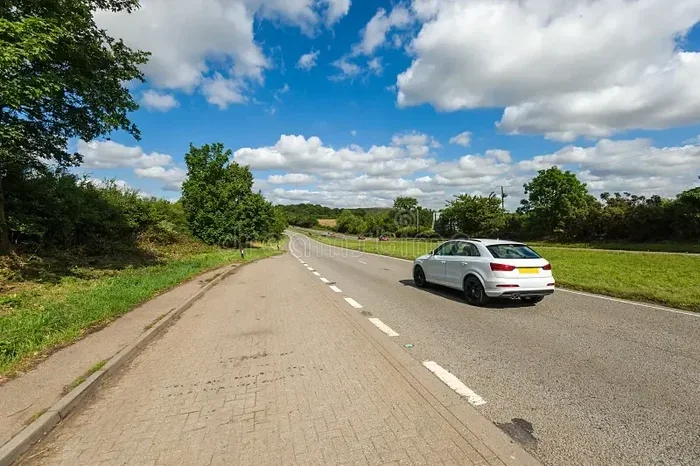
When a car is moving on a straight road, several forces work together to keep you safe and comfortable. Understanding straight road driving helps you appreciate vehicle dynamics, tire grip, and road alignment. This guide covers everything from basic physics to practical driving tips for highway driving and daily commutes.
Have you ever wondered what really happens when a car is moving on a straight road? It might seem simple on the surface. You turn the wheel straight, press the gas, and go. But underneath, a fascinating world of physics, engineering, and safety systems is at work every single second.
Understanding straight road driving is more than just a physics lesson. It helps you become a better, safer driver. Whether you cruise on a highway or take a long country road, knowing how your vehicle behaves makes a huge difference. This guide breaks it all down in plain, easy-to-understand language.
We will explore the forces at play, the role of your tires, and how modern technology keeps you on track. By the end, you will see a simple drive in a whole new light. Let us dive in.
Key Takeaways
- Balanced forces keep you stable: When a car moves on a straight road, thrust, friction, and drag work together to maintain steady motion.
- Tire grip is essential: Proper tire pressure and tread depth ensure your vehicle stays aligned and safe on straight paths.
- Highway driving demands attention: Even on a straight road, distractions can be dangerous. Stay alert and maintain safe following distances.
- Cruise control helps with fuel efficiency: Using cruise control on long straight stretches saves gas and reduces driver fatigue.
- Road alignment matters: Well-maintained roads with proper geometry make straight road driving smoother and safer for everyone.
- Inertial forces play a big role: Your vehicle’s momentum keeps it moving forward, but sudden changes can throw off your balance.
- Small habits make a big difference: Gentle steering input and smooth acceleration improve both safety and comfort on straight roads.
📑 Table of Contents
- The Physics Behind a Car Moving on a Straight Road
- How Your Vehicle Behaves on a Straight Path
- The Role of Tires and Grip on Straight Roads
- Highway Driving: What Keeps You on Track
- Common Forces Acting on a Car in Straight-Line Motion
- Practical Tips for Safe and Efficient Straight Road Driving
- Conclusion
The Physics Behind a Car Moving on a Straight Road
Understanding the Basic Forces at Play
When a car is moving on a straight road, several forces come into action. The engine generates thrust. This pushes the car forward. At the same time, friction between the tires and the road surface resists motion. Air drag pushes back against the front of the car. These three forces must stay balanced for smooth, steady driving.
Think of it like pushing a shopping cart. If you push too hard, it speeds up. If you slow down, it decelerates. When you push just right, it moves at a constant speed. A car works the same way, just with much more power and complexity.
The key concept here is balanced forces. When the thrust equals the drag and friction combined, the car maintains a steady speed. This is the sweet spot of straight road driving. Your engine does not have to work overtime, and you enjoy a smooth ride.
Newton’s First Law and Your Vehicle
Sir Isaac Newton’s first law of motion explains a lot about straight road driving. It states that an object in motion stays in motion unless acted upon by an external force. This means your car wants to keep moving forward on a straight path. It naturally resists changes in direction or speed.
This principle is called inertia. Your vehicle’s momentum carries it forward. That is why you feel a gentle push back when you accelerate quickly. Your body wants to stay in its current state. The car moves, but your body resists the change momentarily.
Understanding inertia helps explain why sudden braking or sharp turns feel so dramatic. The car changes direction or speed, but your body wants to keep going straight. This is exactly why seatbelts are so important, even on a perfectly straight road.
Speed, Velocity, and Acceleration on Straight Paths
Speed and velocity are not the same thing, even on a straight road. Speed tells you how fast you go. Velocity adds direction to that. When a car moves on a straight road at 60 miles per hour heading north, that is its velocity. If you change direction, even slightly, you change the velocity.
Acceleration happens when you speed up, slow down, or change direction. On a perfectly straight road, acceleration mostly means changing speed. Gentle acceleration keeps your ride comfortable. Hard acceleration wastes fuel and can upset the vehicle’s balance.
Most drivers maintain a constant velocity on straight roads. This means steady speed and steady direction. It is the most fuel-efficient and safest way to drive long distances. Your car engine works less, your tires wear evenly, and you arrive feeling less tired.
How Your Vehicle Behaves on a Straight Path
Steering and Alignment on Straight Roads
Your steering system plays a quiet but crucial role. When you drive on a straight road, the wheels should point forward. Proper wheel alignment ensures this happens naturally. If your alignment is off, the car might pull to one side. You will feel this as a constant tug on the steering wheel.
Modern cars come with power steering. This makes holding a straight path effortless. You barely need to touch the wheel on a well-aligned vehicle. However, if you feel vibration or pulling, it is time for a check-up. Misaligned wheels cause uneven tire wear and reduce road safety.
Here are some signs your alignment needs attention:
- The car drifts to one side on a straight road
- The steering wheel feels off-center when driving straight
- Tires wear down faster on one edge
- You feel vibration through the steering column
Suspension System and Ride Comfort
The suspension system absorbs bumps and keeps your tires grounded. On a straight road, it works hard to maintain a smooth ride. Springs cushion your car over small imperfections. Shock absorbers dampen the bouncing motion. Together, they keep all four tires in contact with the road surface.
A good suspension system also helps with vehicle stability. When you drive at high speeds on a straight highway, the car needs to stay level. Worn shocks or springs can make the ride bouncy and unsafe. You might notice the car bobs up and down after going over a bump.
Regular maintenance of your suspension pays off. It improves handling, extends tire life, and makes driving comfort much better. Most experts recommend checking your suspension every 50,000 miles or so. If you drive on rough roads often, check more frequently.
Braking on a Straight Path
Braking on a straight road seems straightforward. You press the pedal and the car slows down. But there is more going on than you might think. Your braking system distributes force to all four wheels. This ensures the car stops evenly and predictably.
Anti-lock braking systems, or ABS, add another layer of safety. If you slam the brakes on a straight road, ABS prevents the wheels from locking up. This lets you steer even while braking hard. It is a feature most drivers take for granted until they really need it.
Maintaining a safe following distance on straight roads is critical. Even if the road looks clear, things can change in an instant. A deer might jump out. The car ahead might brake suddenly. Keeping a safe gap gives you time to react and stop smoothly.
The Role of Tires and Grip on Straight Roads
Tire Tread and Road Contact
Your tires are the only part of the car that touches the road. That makes them incredibly important for straight road driving. The tread pattern on each tire channels water away from the contact patch. This prevents hydroplaning and maintains grip on wet surfaces.
Tire grip comes from friction. The rubber compound interacts with the road surface at a microscopic level. This friction is what allows your car to accelerate, brake, and stay on course. Without sufficient grip, even a straight road can become dangerous.
Here are quick tips to maintain good tire grip:
- Check tire pressure at least once a month
- Rotate tires every 5,000 to 7,500 miles
- Replace tires when tread depth falls below 4/32 of an inch
- Choose tires rated for your driving conditions
Tire Pressure and Fuel Efficiency
Did you know that tire pressure affects your fuel economy? Under-inflated tires create more rolling resistance. This means your engine works harder to maintain speed on a straight road. Over time, this wastes fuel and costs you money.
Over-inflated tires are not great either. They reduce the contact area with the road. This means less grip and a harsher ride. The sweet spot is always the pressure recommended by your car manufacturer. You can find this number on a sticker inside the driver door or in the owner manual.
Checking tire pressure is one of the easiest ways to improve fuel efficiency on straight roads. It takes just a few minutes with a simple gauge. Make it part of your regular routine. Your wallet and your safety will both thank you.
All-Season vs. Summer vs. Winter Tires
Different tires serve different needs. All-season tires work well in most conditions. They offer a good balance of grip, comfort, and durability. Summer tires provide excellent grip on dry roads but struggle in snow. Winter tires excel in cold weather but wear out faster on warm pavement.
For straight road driving in moderate climates, all-season tires are usually the best choice. If you live in an area with harsh winters, consider switching to winter tires during the cold months. This simple change can greatly improve your road safety when temperatures drop.
Always match your tires to your driving habits. If you drive long highway stretches on straight roads, prioritize comfort and fuel efficiency. If you drive in varied terrain, look for all-terrain options. The right tires make every drive better.
Highway Driving: What Keeps You on Track
The Importance of Lane Keeping
Highways are mostly long, straight roads. They are designed for steady, efficient travel. But staying in your lane requires constant attention. Your eyes, hands, and feet all work together to keep the car on a straight path.
Modern cars come with lane-keeping assist features. These systems use cameras to monitor road markings. If the car starts to drift, the system gently corrects the steering. It is a great safety tool, but it does not replace attentive driving. You should always keep your hands on the wheel and your eyes on the road.
Lane discipline is also important for traffic flow. When everyone stays in their lane, traffic moves smoothly. Weaving between lanes on a straight highway is risky and unnecessary. It increases the chance of collisions and confuses other drivers.
Cruise Control and Straight Road Efficiency
Cruise control is a fantastic feature for straight road driving. It maintains a constant speed without you touching the accelerator. This reduces driver fatigue on long highway trips. It also helps with fuel efficiency on straight roads by preventing unnecessary speed changes.
However, cruise control is not always appropriate. On wet or icy roads, it can be dangerous. If the car starts to skid, the system might keep applying throttle, making things worse. Use cruise control on dry, straight roads with good visibility. Turn it off when conditions change.
Adaptive cruise control takes things a step further. It uses radar or cameras to detect the car ahead. It automatically adjusts your speed to maintain a safe following distance. This technology makes highway driving more comfortable and safer than ever before.
Driver Fatigue on Long Straight Roads
Long straight roads can be deceptively tiring. The lack of curves means less visual stimulation. Your brain gets bored, and drowsiness sets in. This is one of the most overlooked dangers of highway driving. Fatigue slows reaction times and impairs judgment.
Here are some tips to stay alert on long straight stretches:
- Take a break every two hours or so
- Drink water and avoid heavy meals before driving
- Listen to upbeat music or engaging podcasts
- Keep the cabin temperature cool and comfortable
- Share driving duties with a passenger if possible
If you feel drowsy, pull over safely and rest. No destination is worth risking your life. A short nap of 15 to 20 minutes can make a huge difference. Your body and your passengers will thank you for it.
Common Forces Acting on a Car in Straight-Line Motion
Thrust and Engine Power
The engine is the heart of your car. It generates the thrust that moves you forward. On a straight road, the engine works hardest when you accelerate. Once you reach your desired speed, it works less hard to maintain that speed.
Engine power is measured in horsepower and torque. Horsepower determines your top speed. Torque determines how quickly you can accelerate. A car with good torque feels responsive and lively, even on a straight highway. It makes merging and passing other vehicles easier and safer.
Air Resistance and Drag
As your car moves faster, air resistance increases. This force, called drag, pushes against the front of the car. At low speeds, drag is minimal. But at highway speeds, it becomes a major factor. Your engine must work harder to overcome this resistance.
Car designers use aerodynamic shapes to reduce drag. Smooth body lines, underbody panels, and spoiler designs all help. As a driver, you can also reduce drag by removing roof racks when not in use. Less drag means better fuel efficiency on straight roads and a quieter ride.
Friction: Your Best Friend and Worst Enemy
Friction is a double-edged sword in straight road driving. It helps your tires grip the road, which is essential for acceleration and braking. But it also creates resistance that slows the car down. Too much friction means wasted fuel and worn tires.
The type of road surface affects friction. A smooth, dry highway offers good grip with minimal resistance. A rough gravel road creates more friction and slows you down. Wet roads reduce friction and increase the risk of slipping. Understanding friction helps you adjust your driving to match conditions.
Gravity on Flat and Sloped Straight Roads
Most straight roads are flat or nearly flat. On a flat road, gravity acts straight down. It does not push the car forward or backward. But on a sloped straight road, gravity plays a bigger role. Going uphill, gravity slows you down. Going downhill, gravity speeds you up.
On a slight downhill slope, you might notice the car wants to accelerate even without pressing the gas. On an uphill slope, the engine works harder to maintain speed. These are natural effects of gravity and vehicle dynamics. Being aware of them helps you drive more smoothly and safely.
Practical Tips for Safe and Efficient Straight Road Driving
Maintaining a Proper Following Distance
Following distance is one of the most important safety habits. On a straight road, it is easy to get too close to the car ahead. The road looks clear, so you might feel there is no need to leave space. But situations can change in an instant.
The three-second rule is a simple and effective guideline. Pick a fixed object on the road, like a sign or a bridge pillar. When the car ahead passes it, count three seconds. If you reach the same spot before you finish counting, you are too close. In bad weather, increase this to five or six seconds.
Smooth Steering and Acceleration
Gentle inputs make for a safer and more comfortable ride. Jerky steering or sudden acceleration can unsettle the car, even on a straight road. Smooth, deliberate movements keep the vehicle stable and predictable. Other drivers can also anticipate your actions more easily.
Try to look far ahead on straight roads. This gives you more time to react to changes. It also helps you maintain a steady speed and direction. Scanning the road ahead is a habit that experienced drivers develop naturally. New drivers can practice it too, and it makes a big difference over time.
When to Use Your Lights on Straight Roads
Headlights are not just for nighttime driving. They help other vehicles see you in low-visibility conditions. Fog, heavy rain, and even bright sunshine can reduce visibility. Turning on your headlights makes your car more visible to everyone on the road.
On a straight road with no streetlights, headlights are essential even during the day. They help drivers approaching from the opposite direction see you clearly. This is especially important on rural highways where straight stretches can be very long and isolated. A simple habit that greatly improves road safety.
Conclusion
When a car is moving on a straight road, so much more is happening than meets the eye. From the physics of balanced forces to the engineering of tires and suspension, every component plays a vital role. Straight road driving is a skill that combines knowledge, attention, and good habits.
Understanding vehicle dynamics makes you a more confident and safer driver. Simple practices like checking tire pressure, maintaining proper following distance, and staying alert can transform your driving experience. Whether you are on a daily commute or a long highway journey, these principles apply every time.
The next time you drive on a straight road, pay attention to how your car feels and responds. Notice the smooth ride, the steady speed, and the quiet hum of the engine. Appreciate the engineering that makes it all possible. And remember, the best drivers are always learning, always improving, and always putting safety first.
Frequently Asked Questions
Why does my car pull to one side on a straight road?
Your car pulling to one side is often a sign of misaligned wheels. Uneven tire pressure can also cause this issue. Worn suspension parts or brakes may contribute as well. Getting a wheel alignment check and tire inspection usually fixes the problem quickly.
Is it safe to use cruise control on a straight road?
Yes, cruise control is safe on dry, straight roads with good visibility. It helps maintain a steady speed and reduces driver fatigue. However, you should always keep your hands on the wheel and stay alert. Turn it off in wet or icy conditions to maintain full control.
How does tire pressure affect driving on a straight road?
Proper tire pressure ensures even contact with the road surface. Under-inflated tires increase rolling resistance and reduce fuel efficiency. Over-inflated tires reduce grip and create a harsh ride. Check your tire pressure monthly to keep your straight road driving safe and efficient.
What forces act on a car when it moves on a straight road?
The main forces are thrust from the engine, friction between tires and road, air drag, and gravity. On a flat straight road, gravity acts straight down and does not affect forward motion. When these forces are balanced, the car maintains a constant speed and direction.
How can I reduce driver fatigue on long straight roads?
Take a break every two hours to stretch and refresh your mind. Stay hydrated and avoid driving during your natural sleep hours. Keep the cabin temperature cool and listen to engaging audio. If you feel drowsy, pull over safely and rest before continuing your journey.
What is the best speed for fuel efficiency on a straight road?
Most cars achieve optimal fuel efficiency between 45 and 65 miles per hour on straight roads. Going much faster increases air drag significantly, which wastes fuel. Using cruise control at a steady speed within this range helps maximize your miles per gallon on long highway stretches.
=== CONCLUSION ===
Straight road driving might look simple, but it involves a complex interplay of forces, systems, and driver behavior. From the physics of inertia to the practical importance of tire grip and road alignment, every element contributes to a safe and efficient journey. When a car is moving on a straight road, understanding what is happening beneath the surface makes you a more informed and confident driver.
Apply the tips and insights from this guide to your daily driving. Check your tires, maintain your vehicle, stay alert, and enjoy the ride. Safe travels on every straight road you encounter.